
Are Guinea Pigs Allowed in Apartments? Lease Rules & Tips
Hello CavyFam! Thinking about bringing home a guinea pig but worried your apartment lease says no? You’re not alone, and I’ve faced this exact situation myself.
In this guide, I’ll walk you through lease loopholes, pet policies, quiet pet advocacy, and setup tips based on my years of navigating rentals with my own guinea pigs.
My trio-Pepper, Clover, and Biscuit-have been my cozy, quiet apartment companions through multiple moves.
Understanding Lease Rules and Pet Policies
-
Start by grabbing your lease and scanning every page for pet-related sections. I learned this firsthand when I brought home Pepper and Clover-missing a single clause could lead to surprises. Look for words like “pets,” “animals,” or specific bans on certain types. Many leases group restrictions under headings like “House Rules” or “Occupancy Terms.”
Common restrictions include bans on all pets, limits to cats and dogs only, or requirements for extra fees. Always check for noise, odor, or damage clauses that might indirectly affect your guinea pig’s stay. In my experience, landlords often worry about disturbances, but guinea pigs are naturally quiet and low-maintenance.
-
Guinea pigs usually fall under “small pets” or “caged animals” in pet policies. Most policies use weight limits, like under 20 pounds, which easily includes guinea pigs who weigh just 1 to 3 pounds. Species limits might list “rodents,” but guinea pigs are gentle and domesticated, unlike wild mice.
I’ve seen policies that specify “pocket pets” or exclude animals based on noise levels. Guinea pigs like Biscuit rarely make loud sounds, making them a better fit for apartments than barking dogs. Always confirm how your landlord defines pet categories to avoid misunderstandings.
-
Create a quick checklist of terms to spot in your lease. This simple step saved me time and stress when I was preparing for my guinea pigs’ arrival. Look for phrases like:
- “Small pets” – often includes guinea pigs, hamsters, or rabbits.
- “Caged animals” – highlights pets that stay enclosed.
- “Non-traditional pets” – a broad category that might cover guinea pigs.
- “Weight restrictions” – usually under 25 pounds for small pets.
If you see “no pets allowed,” don’t assume it’s final-many landlords make exceptions. Advocating for animal welfare means showing how guinea pigs thrive in clean, safe environments without causing harm.
Getting Landlord Approval for Your Guinea Pig
-
Begin by thoroughly reading your lease and researching local tenant laws. I always start here because some areas have laws protecting small pet owners in rentals. Look for rules about service animals or emotional support pets, as guinea pigs can sometimes qualify with proper documentation.
Understanding your rights helps you approach the conversation confidently. For instance, in my case, knowing local laws allowed me to negotiate better terms for Clover and Biscuit. Keep notes on any clauses that support your request.
-
Write a polite letter or email to your landlord explaining your desire to keep a guinea pig. Emphasize their low impact-they’re quiet, odor-free with regular cleaning, and stay in cages. Mention how you’ll maintain their habitat to prevent any issues. Also show you’ve prepared your home for the guinea pig’s entire lifespan with an ongoing care plan. Outline budgeting for food, bedding, and veterinary care.
In my letter for Pepper, I highlighted that guinea pigs don’t scratch floors or chew walls like some pets. Offering to provide references or photos of your setup can build trust and show responsibility. Keep the tone respectful and solution-focused.
-
Bring up potential costs like pet deposits or monthly pet rent during your discussion. Being transparent about fees upfront prevents misunderstandings later. Ask if there’s a one-time deposit or a small monthly charge, and budget accordingly.
I’ve found that many landlords appreciate honesty-when I discussed this for my guinea pigs, it showed I was serious about covering any hypothetical damages. Always get fee agreements in writing to protect both you and your pets.
-
Propose signing a pet addendum to your lease if your landlord agrees. This document outlines specific rules for your guinea pig, like cage maintenance and noise control. It clarifies expectations and reassures your landlord that you’ll follow guidelines.
In my experience, addendums have made landlords more comfortable with my guinea pigs. They typically include details on cleaning schedules and emergency contacts, promoting a safe home for animals like Biscuit. Review it carefully before signing to ensure it’s fair.
Setting Up a Guinea Pig-Friendly Apartment
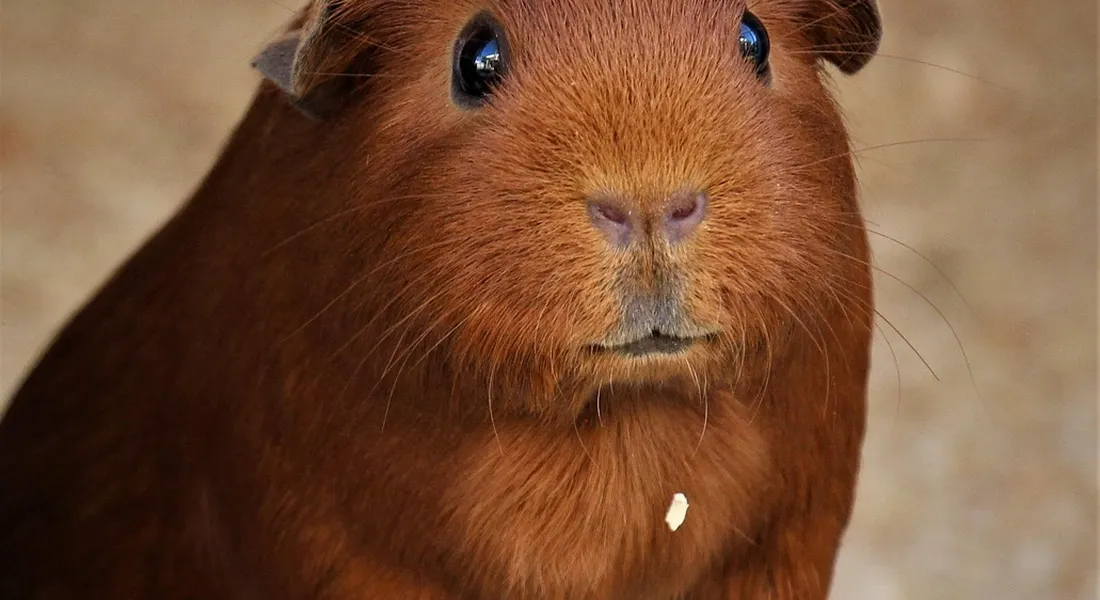
Finding the perfect spot for your guinea pig’s cage makes a huge difference in their comfort and health. I always place my guinea pigs’ enclosures against an interior wall, far from air vents, drafty windows, and direct sunlight. This simple step prevents dangerous temperature swings that can stress their sensitive systems. When deciding where to place it at home, choose a quiet, accessible area with stable temperatures. A spot in a living room corner or hallway that’s away from drafts and direct sunlight tends to work well.
Essential Cage Setup Components
Your guinea pigs’ home needs more than just four walls. A proper setup includes three non-negotiable elements: excellent ventilation, safe bedding, and mental enrichment. I learned this through trial and error with my own herd—Pepper, Clover, and Biscuit. That means translating those needs into a build for the perfect guinea pig cage. Here’s how to set it up.
- Ventilation: Choose a cage with wire sides (like a C&C cage) rather than an enclosed aquarium, which traps ammonia from urine and causes respiratory issues.
- Bedding: Paper-based bedding or fleece liners work best for odor control and comfort. Avoid cedar or pine shavings, as their strong scents can harm guinea pig lungs.
- Enrichment: Include tunnels, wooden chews, and hideouts. My Abyssinian, Clover, particularly loves her little fleece forest.
Maximizing Space in Small Apartments
Living in tight quarters requires creative thinking. Think vertically by adding secure loft areas to your cage, providing more floor space for zoomies and exploration. This works wonders for active pigs like my young Peruvian, Biscuit.
- Use the space under a sturdy desk or table for the cage base, freeing up your main living area.
- Choose multi-level hideouts that serve as both a cozy nap spot and an elevated lookout perch.
- Rolling cage stands make deep cleaning days much easier and allow for flexible room layouts.
Managing Odor and Noise in Small Spaces
-
Establish a daily spot-cleaning routine to control smells. I spend five minutes each morning removing soiled bedding and uneaten fresh veggies. This simple habit keeps the cage fresh and prevents ammonia buildup that can irritate your pets’ eyes and lungs.
-
Use odor-absorbing bedding and proper waste disposal methods. I’ve found paper-based bedding mixed with a layer of hay works exceptionally well. Always dispose of waste in a sealed bag taken directly outside to prevent lingering odors in your apartment.
-
Minimize noise by placing cages on soft surfaces and providing quiet hideouts. A thick rug or foam mat under the cage dampens the sound of scurrying feet and water bottle clicks. My gentle Pepper appreciates his fully enclosed fleece hideaway when he needs quiet time.
-
Monitor guinea pig vocalizations and adjust care to reduce stress-induced sounds. Learn your pets’ different wheeks and rumbles. Consistent feeding times and handling sessions dramatically reduce anxious vocalizations, especially with reserved pigs like my Biscuit. Calming them down can make a world of difference.
Financial Considerations for Apartment Guinea Pigs
Getting guinea pigs involves clear financial planning, especially in an apartment where space and rules add extra layers. My own setup for Pepper, Clover, and Biscuit taught me that upfront costs can surprise you if you’re not prepared. Before you bring your first guinea pig home, weigh the long-term time, space, and financial commitments. Also consider whether you can provide daily interaction, safe housing, and ongoing vet care.
Breakdown of One-Time and Recurring Costs
- One-time expenses: A spacious cage ($80-$150), hideouts ($15-$30 each), water bottles, and food bowls. Initial vet visits for check-ups often run $50-$100 per pig.
- Recurring fees: High-quality hay ($20-$40 monthly), fresh veggies ($15-$25 weekly), pellets, and bedding. Vet care for annual visits or emergencies can add $100-$300 yearly.
Setting aside a small fund for unexpected health issues gives peace of mind, as guinea pigs hide illness well.
Adoption vs. Breeder: Budget-Friendly Choices
- Adoption: Typically costs $25-$50 per guinea pig, often including a basic health check. Rescues like mine came spayed and socialized, saving hundreds.
- Breeders: Charge $50-$150+ per pig, but you might get pedigree papers. However, adoption supports animal welfare and reduces overcrowding in shelters.
I always advocate for adoption-it’s kinder to animals and easier on your wallet long-term.
Pet Deposits and Rent Variations
| Apartment Type | Typical Pet Deposit | Monthly Pet Rent |
|---|---|---|
| Large Complexes | $200-$500 | $25-$50 |
| Private Landlords | $100-$300 | $10-$30 |
Always ask for a copy of the pet policy in writing to avoid hidden fees later. Some places refund deposits if there’s no damage, while others keep it as a non-refundable fee.
Handling Neighbor Relations and Potential Complaints
Living closely with others means a little courtesy goes a long way in keeping harmony. From my experience, most issues stem from misunderstandings that are easy to fix with open communication.
Proactive Steps to Prevent Issues
- Introduce yourself to neighbors politely and mention your quiet pets.
- Share that guinea pigs are generally silent during nighttime hours.
- Offer your contact number for any concerns-it shows you care about their comfort.
Being upfront builds trust and often prevents complaints before they start.
Addressing Noise or Odor Complaints Quickly
- For noise: Move cages away from shared walls and add soft bedding to muffle movement sounds.
- For odor: Clean soiled areas daily and use odor-absorbing bedding like paper-based products.
- Respond to complaints calmly, and explain the steps you’re taking to resolve them.
Quick action not only solves the problem but also shows you’re a responsible pet owner.
Maintaining Cleanliness to Uphold Renter Rights
- Spot-clean cages every day to remove waste and uneaten food.
- Do a full cage clean weekly with pet-safe disinfectants.
- Keep common areas like hallways free of bedding or food traces.
A clean home protects your rights as a tenant and ensures your guinea pigs stay healthy and happy. Regular upkeep makes it harder for landlords to justify complaints or lease violations.
Guinea Pigs as Emotional Support Animals
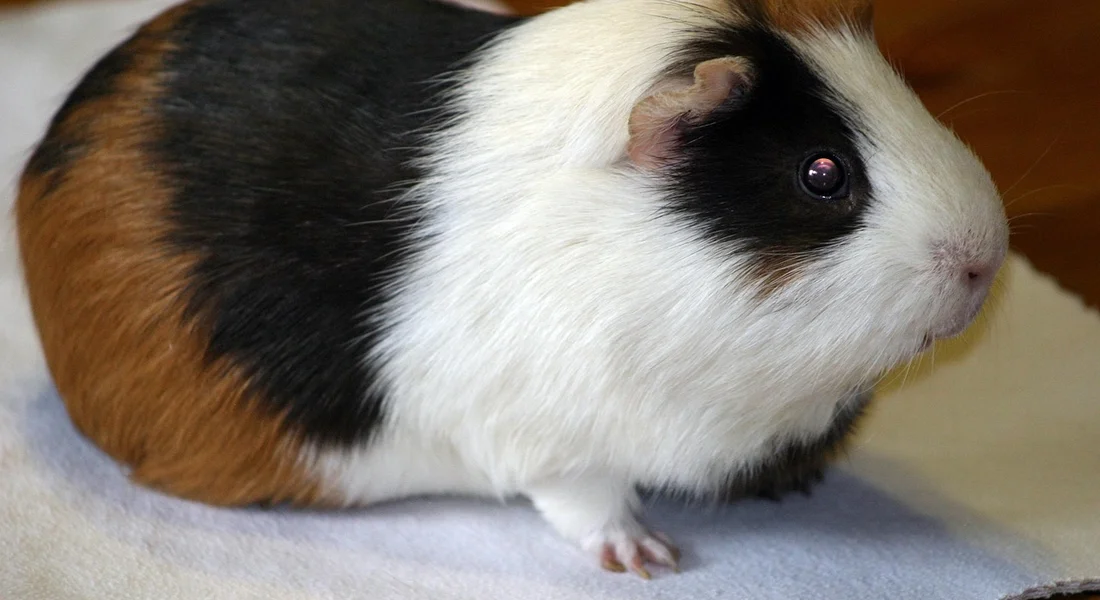
Many renters wonder if their guinea pig can qualify as an Emotional Support Animal to bypass pet policies. An ESA is not a pet under housing law; it’s a prescribed part of a treatment plan for a diagnosed mental or emotional disability. This distinction is protected by the Fair Housing Act, which generally requires landlords to make reasonable accommodations for ESAs, even in no-pet buildings.
Getting legitimate ESA documentation is a specific process. You must receive a letter from a licensed mental health professional who is actively treating you. This isn’t something you can buy a certificate for online; those are often scams. The professional must confirm that your guinea pig alleviates symptoms of your disability, providing necessary emotional support.
It’s vital to understand the limitations and ethical considerations. Misrepresenting a pet as an ESA to skirt rules undermines the system for those with genuine needs. I’ve seen this cause problems for everyone. Your landlord can request your ESA letter, and fraudulent claims can lead to lease termination. Always be honest and use this accommodation for its intended, therapeutic purpose.
Daily Care and Health in Apartment Settings
-
Schedule Regular Vet Check-ups
Living in a smaller space means changes in your guinea pig’s health can happen quickly. I book vet visits every six months for my trio-Pepper, Clover, and Biscuit-to catch any issues early. Confined environments can sometimes lead to stress-related illnesses, so a professional eye is crucial for their long-term wellbeing.
-
Ensure a Balanced Diet and Exercise
Without a yard, it’s easy for guinea pigs to become overweight. Provide unlimited timothy hay, a daily cup of fresh veggies, and limited pellets to maintain a healthy weight. I make sure my pigs get supervised floor time every single day to run and explore, which keeps them fit and happy. But don’t just rely on hay; understand the difference between grass and hay to ensure your guinea pigs get the best diet possible.
-
Create a Safe Play Area
Mental stimulation is just as important as physical exercise. Set up a secure playpen with tunnels, hiding spots, and chew toys to encourage natural behaviors. I use a couple of fleece-lined grids to section off a corner of my living room; watching them popcorn with joy in their special area is the best part of my day.
-
Keep Emergency Contacts Handy
In an apartment, you’re your pet’s first responder. Save your vet’s number, the nearest 24-hour animal hospital, and a trusted neighbor’s contact in your phone. I have these numbers on my fridge and in my phone’s favorites. When Biscuit had a minor scare last year, having that info immediately available made all the difference.
FAQs
What is the ideal cage setup for guinea pigs in small apartments?
Choose a multi-level cage to maximize vertical space and provide room for exploration. Ensure it has good ventilation and safe bedding to keep your guinea pig healthy and comfortable. Finding a safe multi-level cage is key when selecting the right habitat for your furry friend.
How can I prevent my guinea pig from making too much noise at night?
Place the cage on a thick rug or mat to muffle movement sounds and maintain a consistent feeding schedule. Provide enclosed hideouts to help your guinea pig feel secure and reduce stress-related vocalizations. These setup tips support proper guinea pig care. Also, remember to provide fresh hay and clean water daily and handle your guinea pig gently to keep stress low.
Are there any apartment complexes that specifically allow guinea pigs?
Some pet-friendly buildings list “small pets” or “caged animals” in their policies, so review lease details carefully. Contact management directly to confirm allowances, as private landlords may offer more flexibility.
What are the key factors to consider when choosing a guinea pig for apartment living?
Select guinea pigs with calm personalities and consider adopting a bonded pair to prevent loneliness. Prioritize health and socialization to ensure they adapt well to indoor environments, as their social needs can be quite specific.
How do I handle guinea pig waste disposal in an apartment setting?
Use sealed bags for daily disposal of soiled bedding to control odors and maintain cleanliness. Opt for biodegradable or odor-absorbing bedding options to minimize environmental impact in shared spaces.
Your Guinea Pig Apartment Adventure Awaits
Based on my years caring for guinea pigs like gentle Pepper and graceful Clover, always start by thoroughly reviewing your lease and having an open conversation with your landlord to confirm guinea pigs are welcome. Once approved, dedicate time to create a safe, stimulating environment with ample space for their natural behaviors, which I’ve seen keep my own pets content and healthy.
Commit to being a lifelong learner about guinea pig needs, from their social habits to dietary preferences, to ensure you’re providing the best care possible. I make eco-friendly choices, like opting for reusable cage liners or growing my own herbs, which not only support animal welfare but also help protect our planet for future furry friends. To put this into practice, I follow a weekly guinea pig care routine ultimate checklist for owners. It covers cage cleaning, fresh greens, and quick health checks each week.
Further Reading & Sources
- r/guineapigs on Reddit: Renting an apartment with Guinea pigs?
- Keeping Guinea Pigs in an Apartment – FOUR PAWS International – Animal Welfare Organisation
- Apartment Renting With Guinea Pigs: A Complete Renters Guide – Guinea Pig Pals
- Are Guinea Pigs Too Loud for Apartment Living? | PetMojo
Kate is a passionate guinea pig owner and advocate for small pet welfare. With over a decade of experience caring for guinea pigs, she has become a trusted voice in the small pet community.
Uncategorized