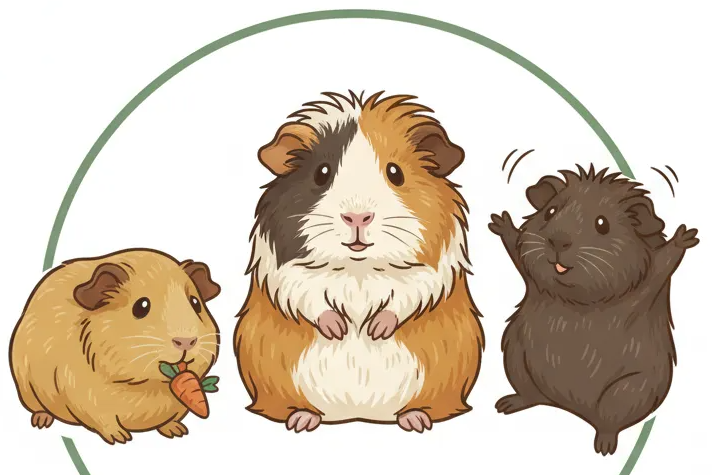
How to Prepare Vegetables for Your Guinea Pigs
Hello CavyFam! You want to feed your guinea pigs fresh veggies, but you worry about what’s safe and how to do it right. I’ve been there too, wondering if I’m giving my own cavies the best start to their meals.
In this guide, I’ll walk you through selecting safe vegetables, proper washing and cutting techniques, ideal feeding frequency, and correct portion sizes. With years of caring for my guinea pigs Pepper, Clover, and Biscuit, I’ve learned the ins and outs of keeping them happy and healthy through their diet.
Why Safe Vegetable Preparation Matters for Guinea Pigs
Your guinea pig’s health depends entirely on the care you put into their meals. Improperly washed or prepared vegetables can introduce harmful pesticides or bacteria that their sensitive digestive systems simply can’t handle. I learned this the hard way when my guinea pig, Biscuit, had a minor stomach upset from what I thought was a perfectly clean leaf of lettuce.
Beyond just washing, the way you cut their food is a major safety factor. Large chunks or long strips can become a serious choking hazard or cause digestive blockages. Guinea pigs have small throats and no ability to vomit, so every bite must be manageable for them to chew and swallow safely. This is why understanding what guinea pigs can chew on safely is crucial.
Proper prep also helps prevent nutritional imbalances. Offering a consistent, well-prepared variety ensures they get the full spectrum of vitamins, like vital Vitamin C, without overloading on one type of vegetable. This careful balance supports their immune system and overall vitality.
Essential Tools and Tips for Vegetable Prep
You don’t need a professional kitchen, but a few simple tools make the process safer and faster. Having a dedicated vegetable brush, a sharp paring knife, and a sturdy cutting board reserved just for your pets’ food prevents cross-contamination from human foods like onions or garlic. I keep a small colander in my sink specifically for washing their veggies.
Your preparation routine should follow these simple steps every single time:
- Thoroughly rinse all vegetables under cool, running water.
- Use your vegetable brush to scrub the skins of firm veggies like carrots or zucchini.
- Pat everything dry with a clean cloth or paper towel to remove excess moisture.
- Chop vegetables into small, bite-sized pieces, no larger than your thumbnail.
- Immediately serve the fresh portions and store any extras properly.
Here are my go-to preparation methods for common vegetable types:
- Leafy Greens (Romaine, Cilantro): Separate the leaves, rinse individually, and chop roughly.
- Root Vegetables (Carrots, Bell Peppers): Scrub the skin well, remove any seeds or stems, and dice finely.
- Herbs (Parsley, Basil): Give them a gentle shake under water and serve sprigs whole or lightly chopped.
Always remove uneaten fresh food from their habitat within a few hours. Leaving damp, half-eaten vegetables in the cage can quickly lead to mold growth, which poses a significant health risk to your pets. A little daily prep goes a long way in keeping your guinea pigs happy and healthy for years to come. For best results, follow a complete cleaning schedule to know exactly how often to clean, replace bedding, and sanitize the cage. Sticking to that routine helps prevent mold and keeps your guinea pigs safe and comfortable.
Step-by-Step Guide to Washing and Drying Vegetables
Washing Leafy Greens and Herbs
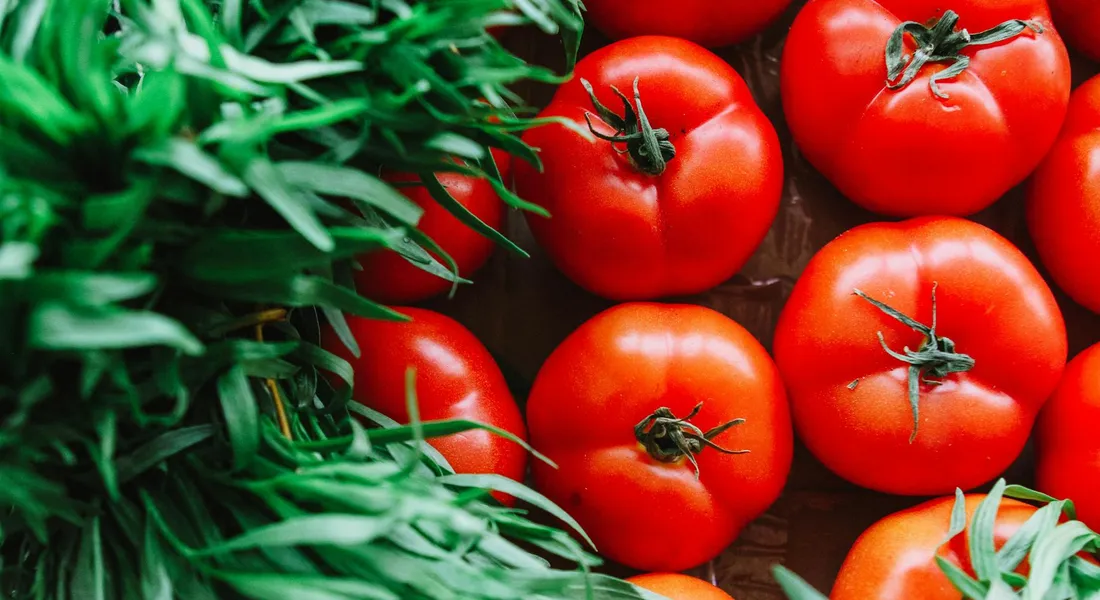
Leafy greens like romaine lettuce and cilantro can hide dirt and tiny pests in their folds. I fill a large bowl with cold water and swish each leaf gently to dislodge any grit. You should always change the water at least once until it runs completely clear. For herbs with smaller leaves, I use a salad spinner to rinse them thoroughly before spinning dry.
Excess moisture can cause veggies to spoil quickly in your guinea pig’s cage. After washing, I pat leafy greens dry with a clean kitchen towel or paper towels. Proper drying prevents messy, wet bedding and keeps your pet’s dining area cleaner for longer. My guinea pig, Clover, is particularly fussy about soggy food and will often leave it untouched.
Preparing Root Vegetables and Firm Veggies
Root vegetables like carrots and radishes grow directly in the soil, so they need a good scrub. I use a dedicated vegetable brush under running water to remove all traces of dirt. A thorough scrub ensures no harmful bacteria or pesticide residues remain on the skin. For vegetables like zucchini or cucumbers, I still give them a quick scrub even if I plan to peel them.
After scrubbing, I always peel non-organic root vegetables to minimize my pets’ exposure to chemicals. Peeling is a simple extra step that significantly reduces potential toxins for your small animals. I then give them a final rinse before proceeding to chop. My guinea pig Biscuit, who is usually reserved, gets very excited by the sound of a carrot being peeled!
How to Cut Common Vegetables for Guinea Pigs
Cutting Bell Peppers: Removing Seeds and Stems
Bell peppers are a fantastic source of Vitamin C, but their seeds and stems are not suitable for guinea pigs. I start by slicing the pepper in half from top to bottom. Using a small paring knife or your fingers, carefully scrape out all the white membrane and seeds from the inside. The stem is tough and poses a choking hazard, so I always cut it away completely. Since guinea pigs can’t synthesize vitamin C, they need it daily. Bell peppers are a convenient way to help meet that daily requirement.
Once the pepper is clean, I slice it into thin, manageable strips. Cutting peppers into strips, rather than chunks, makes it easier for guinea pigs to grab and nibble comfortably. My steady guinea pig, Pepper, who ironically isn’t named after the vegetable, adores the red and yellow varieties the most.
Preparing Celery: Trimming Strings and Chopping
Celery’s long, fibrous strings can be difficult for guinea pigs to chew and digest. I take each celery stalk and use a vegetable peeler to shave off the outer layer where the strings are most prominent. Removing these strings prevents the risk of intestinal blockage and makes celery much safer to eat. You can also snap the stalk and pull the strings away by hand.
After de-stringing, I chop the celery into small, bite-sized pieces, about half an inch long. Small pieces prevent your guinea pig from trying to swallow a large section whole, which is a common choking risk. I often mix these celery pieces with leafy greens to create a more interesting salad for my pets.
Handling Other Popular Veggies
Different vegetables require different prep techniques to keep your guinea pigs safe and happy.
- Cucumber: I usually leave the nutrient-rich skin on after a good scrub and slice it into thin rounds or half-moons.
- Zucchini/Squash: Similar to cucumber, I scrub well, and then cut into small cubes or thin slices that are easy to munch on.
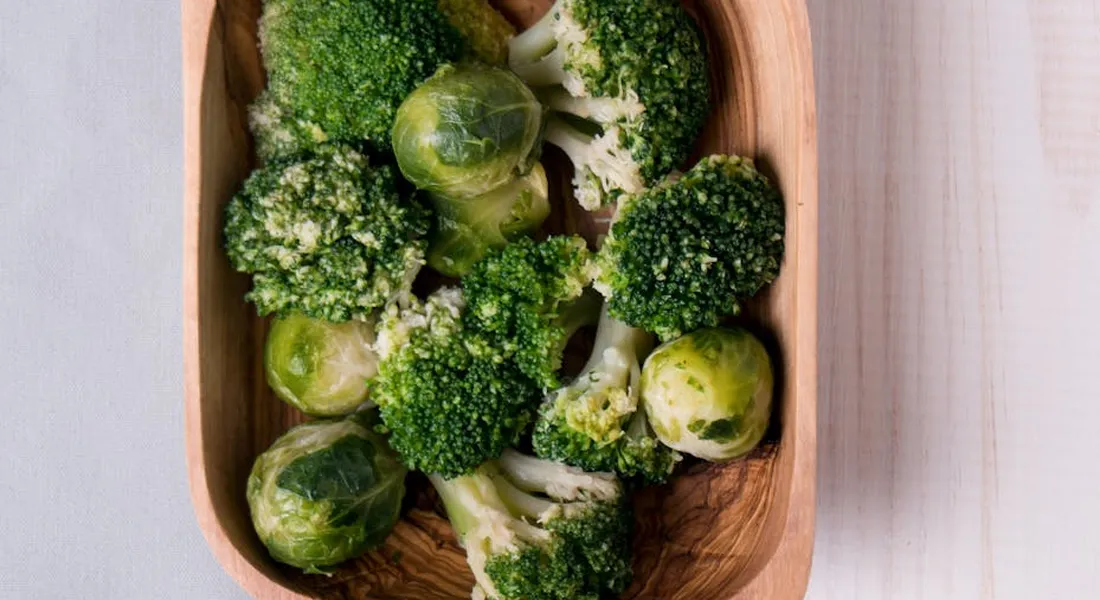
- Broccoli & Cauliflower: I offer the florets, which are soft and easy to eat, but I always provide these in strict moderation to avoid gas.
- Carrots: Due to high sugar content, I treat carrots as a occasional snack, grating a small amount or cutting them into very thin sticks.
Consistently cutting vegetables into appropriate sizes is one of the most effective ways to prevent feeding-related emergencies. Watching my three guinea pigs eat their carefully prepared meals is one of the simple joys of my day.
Safe Vegetables and Portion Control for Guinea Pigs
Guinea pigs thrive on a balanced diet rich in fresh vegetables, but knowing what and how much to feed is key. I stick to a daily mix of leafy greens like romaine lettuce and bell peppers for my trio-Pepper, Clover, and Biscuit-to keep them healthy and happy. So, how much should they eat daily? A practical rule is about 1 cup of fresh veggies per day for an average guinea pig, with hay making up most of their diet.
Start with small portions to prevent digestive upsets. A good rule is about one cup of fresh veggies per guinea pig each day, split into morning and evening feedings. This fits into an ideal overall diet for a healthy guinea pig. Keep hay and fresh water available as the foundation of every day’s feeding.
- Romaine lettuce: High in vitamin C, which is essential for their health.
- Bell peppers: Red and yellow varieties are packed with nutrients and low in sugar.
- Cucumber: Great for hydration, but offer in moderation to avoid watery stools.
- Carrots: A sweet treat, but limit to small slices due to high sugar content.
Rotate vegetables to provide variety and prevent boredom. From my experience, Clover loves the crunch of carrots, while Biscuit prefers the mild taste of cucumber, so I mix it up to suit their personalities.
Vegetables to Avoid or Limit
Some veggies can harm guinea pigs if fed regularly or in large amounts. Always skip onions, garlic, and raw potatoes, as they are toxic and can cause serious health issues. Additionally, not all vegetables and fruits are safe—some can be toxic or cause digestive problems if fed in the wrong amounts. Always stick to vet-approved lists and offer small, varied portions to keep your guinea pig healthy.
Iceberg lettuce has little nutritional value and can lead to diarrhea. I learned this the hard way when Pepper had a mild stomach upset after a tiny piece, so now I avoid it completely.
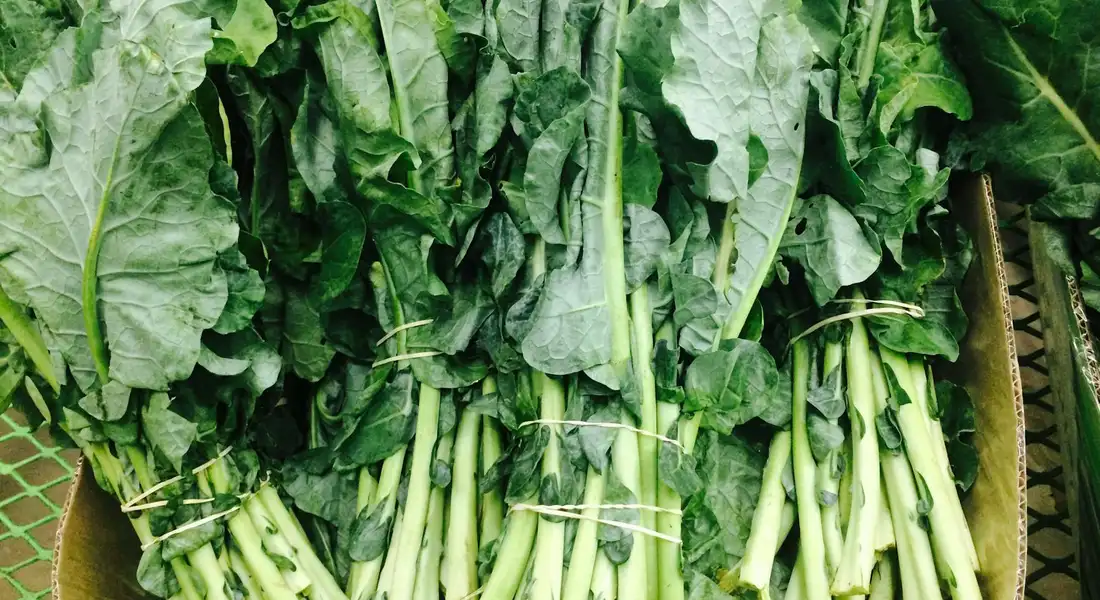
- Limit spinach and kale: High in oxalates, which might cause bladder stones over time.
- Avoid beans and legumes: They can cause gas and bloating in sensitive stomachs.
- Steer clear of rhubarb: It’s poisonous and should never be offered.
Stick to safe options and introduce new foods slowly. If you notice any changes in behavior or droppings, remove the vegetable and consult a vet for peace of mind.
Storing Prepared Vegetables for Freshness
Proper storage keeps veggies crisp and nutritious for your pets. I use airtight containers in the fridge to maintain freshness, which helps reduce waste and ensures my guinea pigs get the best quality food. For pellets, keep guinea pig pellets fresh by storing them in a cool, dry place in an airtight container. This simple step helps keep every bite tasty and nutritious for your guinea pigs.
Wash and dry vegetables thoroughly before storing to prevent mold. Cut them into bite-sized pieces and store in portions for easy feeding throughout the week.
- Place veggies in a clean, dry container with a paper towel to absorb excess moisture.
- Seal the container tightly and store it in the refrigerator’s crisper drawer.
- Use within 2-3 days for optimal freshness and nutrient retention.
Check for signs of spoilage like wilting or off smells. With Biscuit’s sensitive palate, I always do a quick sniff test before serving to make sure everything is fresh and safe.
Freezing isn’t ideal for most veggies, as it can alter texture and nutrients. Stick to refrigeration for short-term storage to keep those vibrant colors and flavors your guinea pigs love. Some owners do use frozen vegetables as a quick option; if you do, thaw them before serving. Also, avoid any added salt or sauces.
FAQs
What vegetables can guinea pigs eat daily?
Guinea pigs can safely eat leafy greens like romaine lettuce for guinea pigs and herbs such as cilantro every day. Romaine lettuce is a common, safe option for guinea pigs’ daily greens. Always include vitamin C-rich options like bell peppers to support their health.
Can guinea pigs eat fruits, and if so, which ones?
Yes, guinea pigs can enjoy small amounts of fruits like apples without seeds or berries as occasional treats. Limit fruit intake to once or twice a week due to high sugar content.
Is there a simple recipe for a guinea pig vegetable mix?
A basic recipe combines chopped romaine lettuce, bell pepper strips, and a few cucumber slices for variety. Mix in fresh herbs like parsley to add flavor and nutrients.
What does a balanced guinea pig vegetable diet look like?
A balanced diet includes a daily cup of mixed veggies, focusing on leafy greens and colorful peppers for vitamins. Rotate vegetables regularly to prevent boredom and ensure nutritional diversity.
Where can I find a chart for guinea pig vegetable portions?
You can create a simple chart by listing safe vegetables with recommended daily amounts based on your pet’s size. Many online resources offer printable guides to help track feeding schedules.
Keep Your Guinea Pigs Happy and Healthy
Always wash and chop vegetables into small pieces to prevent choking, and steer clear of harmful foods like onions or potatoes. Variety is key, so rotate veggies like bell peppers and leafy greens to keep their diet balanced and exciting.
Responsible pet ownership means staying curious and learning more about eco-friendly choices, like buying organic or growing your own veggies. Your commitment to their well-being ensures a joyful, thriving life for your furry friends, just as it has for my guinea pigs Pepper, Clover, and Biscuit.
Further Reading & Sources
- Guinea Pig Vegetable and Fruit Requirements
- Veggie Guide | Southern California Guinea Pig Rescue
- GuineaDad Vegetable Master List: What kinds of vegetables can guinea p
- What Can Guinea Pigs Eat? Daily Diet – Food Charts & Lists
Kate is a passionate guinea pig owner and advocate for small pet welfare. With over a decade of experience caring for guinea pigs, she has become a trusted voice in the small pet community.
Uncategorized