How to Store Guinea Pig Hay for Maximum Freshness
Hello CavyFam! Does your guinea pig’s hay seem to lose its sweet smell and vibrant green color too quickly? You’re not alone, and that stale hay can mean wasted money and a less enthusiastic pet.
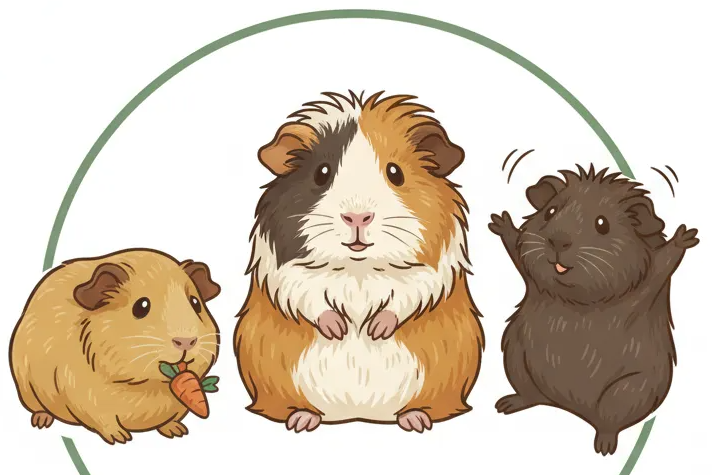
In this guide, I’ll walk you through choosing airtight containers, finding the perfect storage spot, and performing simple freshness checks. I’ve learned this through trial and error with my own trio-Pepper, Clover, and Biscuit-who are very vocal about their hay preferences!
Why Proper Hay Storage Is Essential for Guinea Pig Health
Fresh hay is the absolute cornerstone of a healthy guinea pig diet. Improperly stored hay can quickly lose its nutritional value and develop dangerous mold. My guinea pig, Biscuit, once turned his nose up at a batch that felt slightly damp, and I learned the hard way that his instincts were protecting him.
Moldy hay is a serious health hazard. Inhaling mold spores can lead to severe respiratory infections in guinea pigs, which are incredibly difficult to treat. Their sensitive respiratory systems simply can’t handle the irritation, and such infections can even develop into pneumonia.
Beyond mold, stale hay loses its enticing aroma and crisp texture. Guinea pigs rely on the smell and texture of fresh hay to stimulate their appetite and encourage the constant chewing necessary for wearing down their ever-growing teeth. Without that fresh appeal, they might not eat enough, leading to dental and digestive issues. Hay is the backbone of a guinea pig’s diet, providing essential fiber for digestion and helping wear down teeth. Fresh hay should be a daily staple.
Proper storage also saves you money. By protecting your hay from spoilage, you ensure every last strand is edible, reducing waste and making your purchases last longer. A little effort in storage goes a long way for your pet’s well-being and your wallet.
Finding the Perfect Spot: Ideal Storage Locations
Choosing where to keep your hay is your first and most important decision. The ideal storage spot is consistently cool, completely dry, and has good air circulation. I keep my hay in a dedicated closet that fits all these criteria perfectly.
Let’s break down the best options for your home:
- A Cool, Dark Closet: This is my personal go-to. An interior closet away from exterior walls avoids temperature swings and sunlight, which can degrade hay quality.
- A Pantry or Utility Room: These spaces are designed to be dry and are often temperature-controlled. Just ensure no strong food odors or cleaning chemicals are stored nearby, as hay easily absorbs smells.
- A Garage or Basement (with caution): These can work, but you must be vigilant. They are often prone to humidity and temperature fluctuations. Always store hay in a sealed, hard-sided container if you choose these locations to create a protective microclimate.
Wherever you choose, keep these critical factors in mind:
- Avoid direct sunlight, which bleaches and dries out hay, robbing it of nutrients.
- Steer clear of heat sources like radiators, ovens, or heating vents.
- Never store hay directly on a concrete floor, as it draws moisture. Use a shelf or pallet.
- Keep hay away from areas with high humidity, like bathrooms or laundry rooms.
Choosing the Right Containers for Maximum Freshness
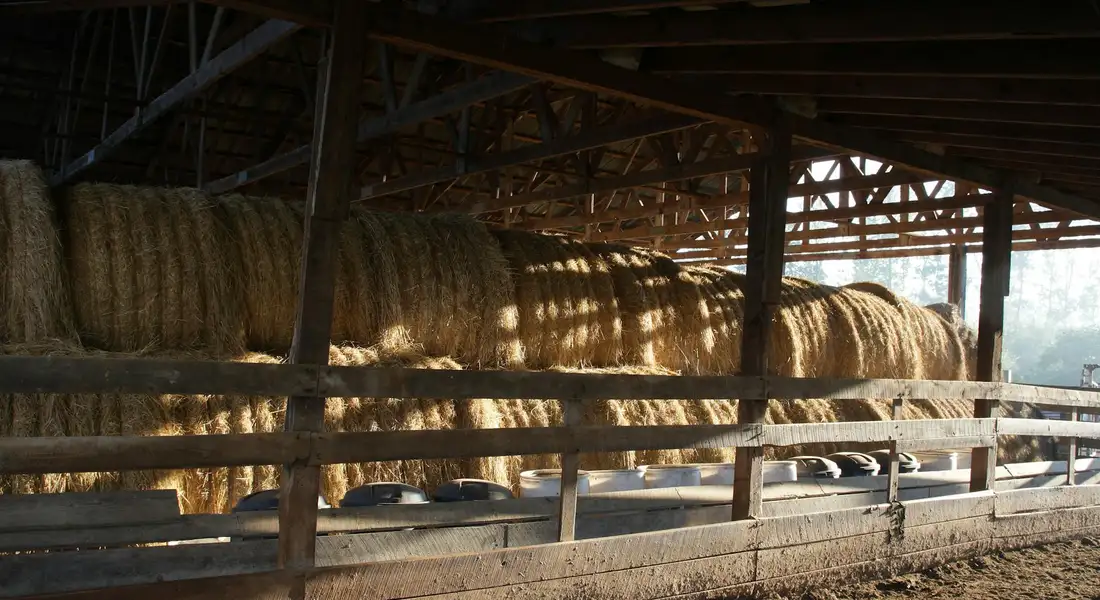
Picking the perfect container makes all the difference in keeping your guinea pig’s hay fresh and nutritious. I’ve learned through trial and error with Pepper, Clover, and Biscuit that the right storage prevents mold and preserves those essential nutrients they love. The same care goes into the foods guinea pigs have on hand—the daily staples of hay, with fresh greens and pellets to round out their diet. Let me guide you through the best options based on my hands-on experience.
Breathable Options for Daily Access
For hay you use every day, breathability is key to avoid moisture buildup that can spoil it quickly. In my setup, I rely on containers that let air flow freely, which keeps the hay dry and appetizing for my guinea pigs. Here are some top choices I’ve tested:
- Wire hay racks: These allow excellent circulation and reduce waste; Pepper enjoys pulling strands from his rack without it getting soggy.
- Mesh bags or fabric totes: Lightweight and easy to hang, they’re great for small batches-Clover’s hay stays fluffy in one near her cage.
- Vented plastic bins: Look for ones with small holes; I use these for Biscuit’s daily portions to balance airflow and protection.
Always check that edges are smooth to prevent injuries, and place them in a spot away from drafts to maintain consistency.
Durable Containers for Long-Term Storage
When storing hay in bulk, you need something sturdy to shield it from pests, light, and humidity over weeks or months. Based on my years of care, durable containers have saved me from wasted hay and kept my pets healthy through seasonal changes. Consider these reliable options:
- Airtight plastic bins with secure lids: Ideal for keeping out moisture and insects; I store extra hay for Clover in one, and it stays fresh for ages.
- Metal or heavy-duty totes: They resist chewing and damage; I’ve used them for Pepper’s supply, and they hold up well in garages or sheds.
- Cardboard boxes with ventilation slits: An eco-friendly choice, but line them with paper to absorb excess dampness-Biscuit’s hay stays crisp this way.
Rotate your stock every few weeks to use the oldest hay first, ensuring nothing goes to waste.
Short-Term Storage Tips for Everyday Use
Managing hay for daily feeding doesn’t have to be complicated with a few simple habits. I make it a routine to handle hay gently and store small amounts where my guinea pigs can access it easily, which keeps it fresh and reduces stress. Follow these steps to maintain quality:
- Keep hay in a cool, dry spot away from direct sunlight; I place Pepper’s daily bundle on a shelf at room temperature.
- Use a dedicated container for refills, like a small basket or bin, and clean it weekly to prevent dust buildup.
- Check for moisture or odd smells before serving; if hay feels damp, let it air out briefly-Clover’s keen nose tells me when it’s off.
- Portion out what you need for the day to minimize exposure; I give Biscuit just enough to last until the next feeding.
By sticking to these practices, you’ll notice your guinea pigs munching happily on hay that’s as fresh as the day you bought it. Remember to meet their daily hay requirement to support digestion and dental health. Keep fresh hay available at all times for uninterrupted nibbling.
Long-Term Storage Strategies to Extend Shelf Life
Storing hay properly over months keeps it fresh and nutritious for your guinea pigs. I’ve found that using airtight containers in a cool, dark spot prevents mold and preserves essential nutrients for Pepper, Clover, and Biscuit. This simple step ensures they always have access to high-quality food, which supports their overall health and happiness. Just like properly storing guinea pig pellets, keeping hay fresh is crucial.
Choose containers made of durable plastic or metal with tight-sealing lids. Keeping hay away from direct sunlight and moisture drastically reduces the risk of spoilage and maintains its appealing texture. From my experience, a basement or closet works perfectly, as stable temperatures help the hay stay crisp and aromatic.
- Opt for opaque bins to block light and prevent vitamin loss.
- Place a moisture-absorbing packet inside the container to control humidity.
- Rotate hay stocks every few months, using older batches first to avoid waste.
Elevate storage bins off the floor to improve air circulation. This minor adjustment can prevent pests and dampness, safeguarding your guinea pigs from potential health issues. I always check my storage setup weekly to ensure it remains optimal for my pets’ well-being.
Monitoring Hay Freshness: Spotting Spoilage Early
Regular Inspection Routines
Inspect your hay at least once a week to catch problems before they affect your pets. Gently feel the hay for any damp or clumpy areas, as these are early warnings of mold growth. I make this a habit with my guinea pigs’ supply, and it has saved me from feeding spoiled hay to Pepper, who is particularly sensitive to changes in quality.
- Sniff the hay for musty or off odors instead of its usual sweet smell.
- Look for discoloration, like dark spots or a faded green hue.
- Check for dust or fine particles that indicate aging or contamination.
Involve your senses in a quick daily glance when refilling hay racks. Regular checks help you act fast, ensuring your guinea pigs only eat fresh, safe forage. This routine has become second nature in my care for Clover and Biscuit, promoting their long-term vitality.
When to Replace Hay: Clear Red Flags
Replace hay immediately if you notice any signs of spoilage to protect your pets. Moldy hay can cause respiratory issues or digestive problems, so never take chances with your guinea pigs’ health. I once had to discard a batch after spotting fuzzy patches, and it reinforced how crucial vigilance is for animal welfare. This also highlights common bedding mistakes that can harm your guinea pigs’ health; use dry, dust-free bedding such as paper-based products or aspen, and change it regularly.
- Discard hay that feels wet, slimy, or unusually hard.
- Avoid using hay with a strong, sour smell or visible insects.
- Throw out any hay that has lost its flexibility and crumbles easily.
Trust your instincts—if something seems off, it’s better to err on the side of caution. Fresh hay should be greenish, pliable, and fragrant, providing the best nutrition for active guinea pigs like mine. To avoid common hay-related health problems—like dental wear issues, digestive upset, or respiratory trouble—check hay for mold, dust, and moisture. Keeping a backup supply ensures you always have a safe option on hand.
FAQs
What is a no-mess guinea pig hay feeder?
A no-mess hay feeder minimizes spillage by enclosing hay in a rack or container with a catch tray. This design keeps your pet’s living area cleaner and reduces wasted hay.
How can I use a guinea pig hay bag effectively?
Hang the hay bag securely in the cage at a height your guinea pig can easily reach to encourage natural feeding behavior. Regularly empty and clean the bag to prevent moisture buildup and ensure it stays fresh. For the best hay rack and bedding solutions for guinea pigs, choose options that minimize waste and keep hay clean. Pair this setup with a comfortable, absorbent bedding to support health and easy maintenance.
Where can I buy guinea pig hay near me?
Check local pet stores, farm supply shops, or veterinary clinics for fresh guinea pig hay options. You can also use online store locators from trusted brands to find retailers in your area. When choosing the best hay for your guinea pig, look for fresh, green, dust-free hay. Timothy hay is a reliable staple, with orchard or meadow blends as optional varieties.
Is Oxbow a reliable brand for guinea pig hay?
Oxbow is a well-known brand praised for its high-quality, consistently fresh hay that meets guinea pigs’ dietary needs. Many owners choose it for its strict safety standards and nutritional benefits.
What should I do if guinea pig hay pokes my pet’s eye?
Gently flush the eye with a sterile saline solution to remove any hay particles and soothe irritation. Contact a veterinarian promptly if redness, squinting, or discharge occurs to prevent complications.
Keep Your Guinea Pig’s Hay Fresh and Flavorful
From my years with guinea pigs like gentle Pepper and graceful Clover, I’ve learned that proper hay storage starts with a cool, dry location away from direct light. Using sealed containers locks in that sweet, grassy aroma and prevents spoilage, so your pets always get the nutrients they need.
Committing to these habits shows true care for your guinea pigs’ well-being and supports eco-friendly pet ownership by cutting down on waste. Properly caring for guinea pigs also means offering a balanced diet, clean cages, and daily social interaction. Regular health checks help keep them thriving. Stay curious about sustainable choices to enrich your furry friends’ lives and protect our shared environment.
Further Reading & Sources
- Guinea Pig Awareness Week: How to store guinea pig hay – The Little Hay Company
- Guinea Lynx :: Hay Storage
- Feeding Your Guinea Pigs Hay | Guinea Pigs Australia
- A Guide to Hay for Rabbits, Guinea Pigs & Small Animals
Kate is a passionate guinea pig owner and advocate for small pet welfare. With over a decade of experience caring for guinea pigs, she has become a trusted voice in the small pet community.
Uncategorized