Can Guinea Pigs Eat Jackfruit? Safe Feeding Guide
Published on: August 2, 2026 | Last Updated: August 2, 2026
Written By: Kate M. Callahan
Hello CavyFam! You might be wondering if jackfruit is a safe treat for your guinea pig, and it’s natural to worry about how new foods affect their health.
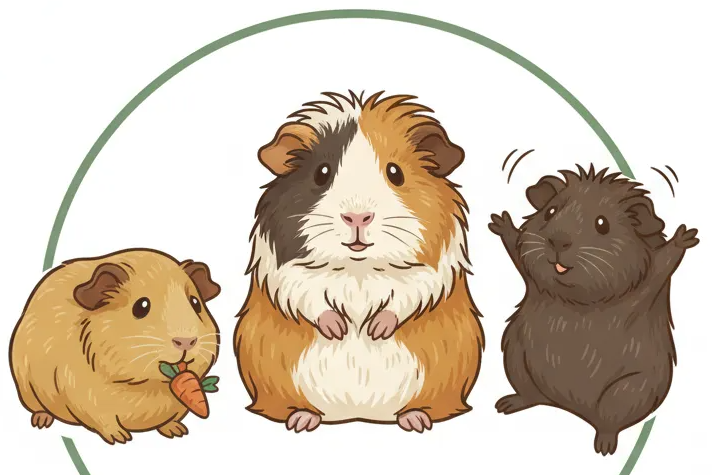
In this article, I’ll cover safety, nutritional benefits, risks, and proper serving methods. With years of experience caring for guinea pigs like Pepper, Clover, and Biscuit, I offer trusted advice for your pet’s well-being.
Is Jackfruit Safe for Your Guinea Pig?
Yes, the fleshy part of a ripe jackfruit is safe for your guinea pig to eat in very small, occasional amounts. I’ve offered a tiny cube to my guinea pig, Biscuit, who nibbled it curiously before deciding it was a once-in-a-while treat. The absolute rule is that you must never, ever feed them the seeds or the skin, as these are choking hazards and difficult to digest. Always introduce any new food, including jackfruit, slowly to watch for any stomach upset.
Nutritional Benefits and Drawbacks of Jackfruit
Jackfruit is a bit of a nutritional paradox for our small pets. While it offers a boost of certain vitamins, its high sugar content makes it a treat to be handled with extreme care. For an ideal overall diet of a healthy guinea pig, jackfruit should be an occasional treat. In a healthy diet, focus on hay as the base and limit sugary foods. I think of it like a special dessert-fine for a rare tiny bite, but not something to include in their regular meal rotation. Your guinea pig’s main diet must always be high-quality hay, fresh water, and specially formulated pellets.
Key Vitamins and Minerals in Jackfruit
The soft, yellow flesh contains some nutrients that can complement your guinea pig’s diet.
- Vitamin C: Guinea pigs cannot produce their own Vitamin C, and jackfruit provides a small amount. This is vital for preventing scurvy and keeping their immune system strong.
- Vitamin A: Supports healthy vision, skin, and coat. My guinea pig, Pepper, has a wonderfully glossy coat, and a varied diet with Vitamin A-rich foods contributes to that.
- Potassium: This mineral helps with proper nerve function and muscle health, including that all-important heart muscle.
- Antioxidants: These compounds help combat cellular damage, though they are found in many safer, low-sugar vegetables like bell peppers.
Sugar and Fiber Content Considerations
This is where you need to pay the most attention. The sweet taste your guinea pig might love comes with risks.
- High Sugar: Ripe jackfruit is very high in natural sugars. Too much sugar can lead to obesity, digestive discomfort, and serious issues like diabetes in guinea pigs.
- Moderate Fiber: While fiber is good for digestion, the fiber in jackfruit isn’t as effective as the fiber from their primary food: timothy hay. Hay is essential for wearing down their constantly growing teeth and keeping their gut moving properly.
- Potential for Diarrhea: The sugar and unique composition can easily upset their sensitive digestive systems if given in more than a tiny taste.
Step-by-Step Guide to Preparing Jackfruit
Choosing Ripe Jackfruit
You want a jackfruit that gives slightly under gentle pressure, similar to a ripe avocado. Look for a golden-yellow hue on the skin and a sweet, fragrant aroma at the stem end. Avoid fruits with a strong fermented smell or black spots, as they are overripe.
From my experience with Pepper, Clover, and Biscuit, I’ve found that unripe jackfruit is too starchy and difficult for them to digest. Always select a fully ripened fruit to ensure it’s soft enough and sweet for your guinea pig, just like you would with other fruits like cantaloupe.
How to Prepare Jackfruit for Your Guinea Pig
- Wash the entire jackfruit’s exterior thoroughly with water to remove any dirt or residues.
- Cut the fruit open and remove the large, pale-yellow pods (the edible flesh) from the core and stringy fibers.
- Take each pod and carefully remove the seed found inside. Guinea pigs cannot digest these seeds, and they pose a choking hazard.
- Chop the seedless, soft flesh into small, bite-sized pieces suitable for your pet’s mouth.
- Offer a tiny piece to your guinea pig and observe them for the next 24 hours for any adverse reactions.
Proper preparation is the most critical step in safely introducing any new food, including jackfruit. I always do this for my trio to prevent any digestive upsets.
Feeding Guidelines: How Much and How Often
Jackfruit should be considered a rare treat, not a regular part of their diet. Think of it like a special dessert you might have once in a while, not an everyday meal. Their primary nutrition must always come from unlimited hay, high-quality pellets, and daily fresh vegetables.
For a single serving, a piece of jackfruit no larger than your guinea pig’s thumbnail is sufficient. I typically give my guinea pigs a piece about the size of a pea once every two weeks at most. This small quantity prevents them from filling up on sugary fruit instead of their vital fibrous foods.
- Frequency: Once every 10-14 days.
- Serving Size: One small, thumbnail-sized piece per pig.
- Best Practice: Offer it by hand to monitor how much each one eats, especially if you have multiple pigs with different personalities like I do.
Potential Health Risks and Allergies
While jackfruit is not toxic, its high natural sugar content is the primary concern. Overconsumption can easily lead to weight gain and disrupt the delicate balance of their digestive system. Guinea pigs are prone to obesity and digestive stasis, which can be life-threatening. When they overeat sugary fruit, they can quickly become overweight, increasing the risk of obesity-related health problems. To prevent this, monitor portions and limit sugary treats.
Just like people, guinea pigs can have individual food sensitivities. When I first gave a tiny piece to Biscuit, I watched her closely for any signs of an upset stomach or disinterest in her hay. Are these reactions similar to common allergy symptoms in humans? In people, allergies often show up as itching, sneezing, or skin swelling. An allergic reaction, though rare, could manifest as itching, swelling around the mouth, or difficulty breathing.
- High Sugar: Can cause diarrhea and long-term health issues like diabetes.
- Choking Hazard: The seeds and tough, unripe flesh are dangerous.
- Digestive Upset: Introducing any new food too quickly can cause bloating or gas.
If you notice any changes in their eating habits, droppings, or energy levels after feeding jackfruit, discontinue it immediately and consult your veterinarian. Your pet’s health and comfort should always come first.
What to Do If Your Guinea Pig Has a Reaction
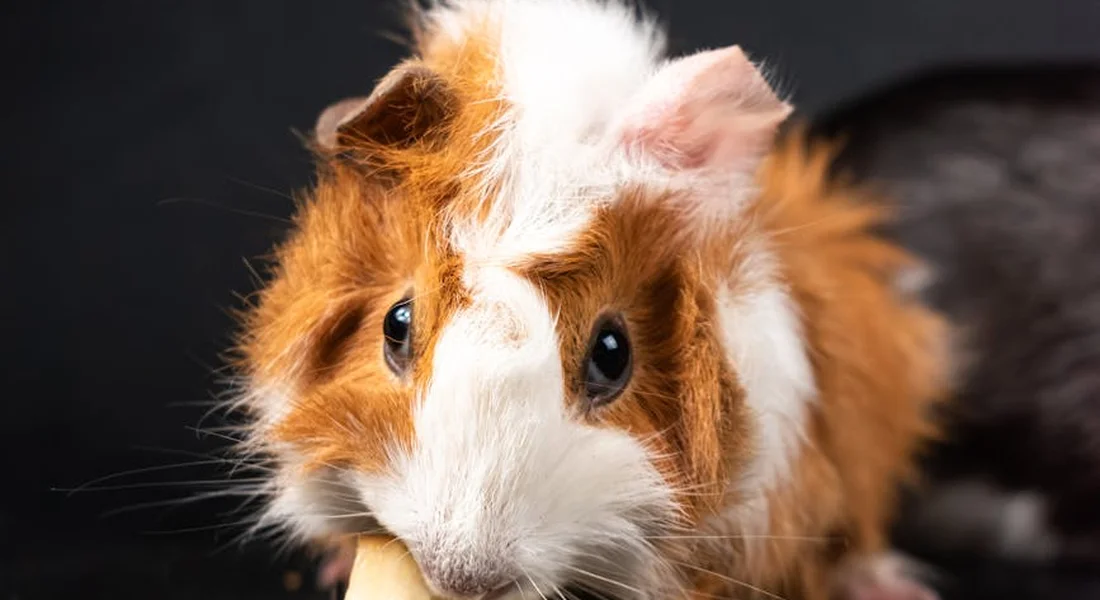
Guinea pigs have delicate stomachs, and even a small amount of an unfamiliar food like jackfruit can cause issues. If your guinea pig shows signs of distress after eating jackfruit, act calmly but quickly to ensure their safety. I learned this firsthand when my guinea pig, Biscuit, once nibbled on a fruit she shouldn’t have and became unusually quiet. So, what do normal guinea pig eating habits look like? Healthy guinea pigs mainly eat hay, with daily servings of fresh vegetables and a small amount of pellets, and their digestion should stay steady.
Watch for symptoms like diarrhea, bloating, or lack of energy. Immediately remove any remaining jackfruit from their cage to prevent further ingestion. Offer fresh hay and water to help settle their stomach, as fiber can aid digestion.
- Check for visible signs: Look for changes in poop consistency or if they’re huddled in a corner.
- Contact your vet: Describe the symptoms and what they ate; don’t wait if it seems severe.
- Keep them comfortable: Place them in a quiet, warm spot and monitor their behavior closely.
In my experience, Pepper once had mild diarrhea from a new treat, and giving her extra timothy hay helped her bounce back within hours. Always err on the side of caution and consult a professional if you’re unsure.
Safe and Healthy Fruit Alternatives
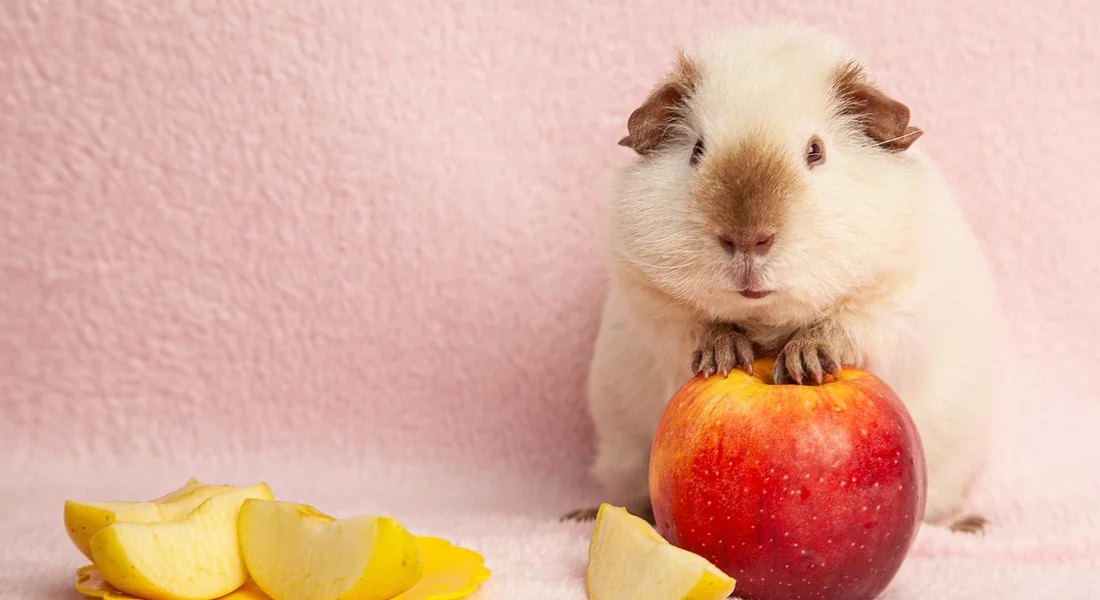
Instead of risky foods like jackfruit, opt for fruits that are gentle on your guinea pig’s system. Stick to small, occasional servings to avoid digestive upset and maintain a balanced diet. For safe guinea pig fruits, opt for small pieces of apple (seedless), strawberries, or blueberries, given in moderation. These treats should complement hay and vegetables, not replace them. My guinea pigs, Clover and Biscuit, love variety, but I always prioritize safety over novelty.
Focus on fruits rich in vitamin C, which guinea pigs can’t produce on their own. Offer slices of apple without seeds or strawberries as a sweet, nutritious treat. The juicy texture of these fruits makes them a hit, and I’ve seen how excited Pepper gets when she hears the crinkle of a berry bag. These are among the foods guinea pigs have access to as safe, occasional snacks in a balanced diet. Always feed them in moderation and watch Pepper for any signs of digestive upset.
- Blueberries: High in antioxidants and easy to digest in tiny amounts.
- Melon cubes: Hydrating and low in sugar, but remove the rind to prevent choking.
- Orange segments: Packed with vitamin C, but limit to once a week due to acidity.
I rotate these options to keep things interesting without overloading their diet. Remember, fruits should complement their main meals of hay and pellets, not replace them. From watching Clover’s graceful nibbles on a blueberry, I can tell she appreciates the change in flavor and texture.
FAQs
Is jackfruit safe for baby guinea pigs?
No, baby guinea pigs should not eat jackfruit due to their sensitive and developing digestive systems. It is best to wait until they are fully grown and stick to their core diet of hay, pellets, and gentle vegetables. Baby guinea pigs have different dietary needs compared to adults, so it’s crucial to provide appropriate food for their growth and health.
Can guinea pigs with diabetes or other health issues eat jackfruit?
Guinea pigs with diabetes or similar conditions should avoid jackfruit because its high sugar content can worsen their health. Preventing diabetes symptoms starts with a low-sugar, high-fiber diet and regular veterinary care. Good dietary choices are a key part of diabetes prevention in guinea pigs. Always consult a veterinarian before offering any new food to a guinea pig with pre-existing health issues.
How should I store leftover jackfruit for my guinea pig?
Store fresh, prepared jackfruit in an airtight container in the refrigerator for no more than two to three days. Discard any leftovers that show signs of spoilage, such as a sour smell or discoloration, to keep your guinea pig safe.
Final Thoughts on Jackfruit for Your Guinea Pig
In my years with guinea pigs like Pepper and Biscuit, I’ve found that jackfruit can be a safe, occasional treat if served seedless and in tiny portions. Always prioritize fresh, simple foods to keep their digestion smooth and avoid sugary surprises.
As a responsible pet owner, keep learning about eco-friendly care choices that benefit both your guinea pig and our planet. Your commitment to gentle, informed habits ensures a joyful, healthy life for your little companions—properly caring for guinea pigs is essential to their well-being.
Further Reading & Sources
- Can Guinea Pigs Eat Jackfruit?
- 7 Fruits That Guinea Pigs Can Safely Eat
- r/guineapigs – Can guinea pigs eat a bit of jackfruit?
- Durian’s med thread – Guinea Pig Cages
Kate is a passionate guinea pig owner and advocate for small pet welfare. With over a decade of experience caring for guinea pigs, she has become a trusted voice in the small pet community.
Uncategorized