Can Guinea Pigs Eat Sugar and Sugar Cane? A Clear Guide
Published on: October 15, 2026 | Last Updated: October 15, 2026
Written By: Kate M. Callahan
Hello CavyFam! You’re probably wondering if it’s safe to share a sweet treat with your guinea pig. It’s smart to question this, as their tiny bodies handle food very differently from ours.
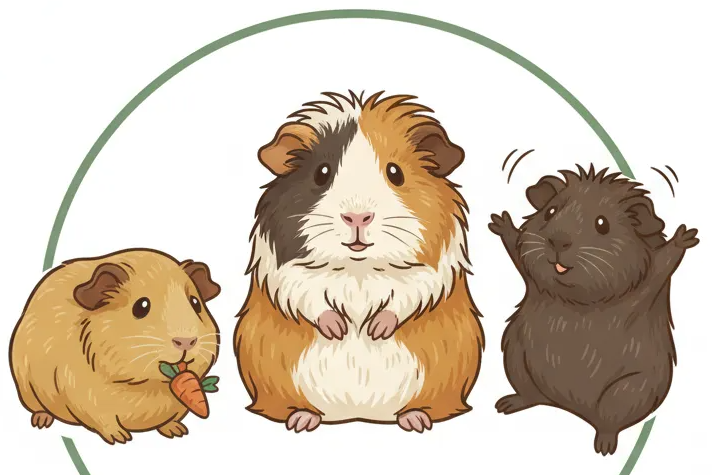
In this article, we’ll explore safety concerns, healthy alternatives, and the impact of sugar on their digestion. I’ve learned a lot from caring for my own trio of guinea pigs, and I’m here to share that hands-on experience with you.
Understanding Sugar in Your Guinea Pig’s Diet
Guinea pigs have a digestive system built for a very specific, high-fiber, low-sugar diet. Their bodies are simply not equipped to process high amounts of sugar efficiently, which is why their main food sources are hay, fresh greens, and a small amount of pellets. I learned this the hard way years ago when I offered a tiny piece of a sweet fruit to one of my first guinea pigs, only to see him develop digestive upset shortly after.
Think of their gut like a finely tuned engine that runs best on high-octane fuel like timothy hay. Sugar acts like putting the wrong kind of fuel in that engine; it can cause everything from minor sputters to a complete breakdown. Their natural diet in the wild consists of grasses, leaves, and some herbs, which are all very low in simple sugars.
The Risks of Feeding Sugar and Sugar Cane to Guinea Pigs
Feeding sugary foods, including sugar cane, introduces serious and avoidable health problems for your pet. The most immediate risk is digestive upset, leading to painful gas, bloating, and potentially life-threatening diarrhea. My guinea pig, Biscuit, once got into a small piece of a sweet treat left too close to his cage, and the resulting stomach issues were stressful for both of us.
Beyond immediate stomach troubles, the long-term consequences are even more worrying.
- Obesity: Excess sugar converts to fat, putting strain on their tiny joints and heart.
- Diabetes: Guinea pigs can develop diabetes from a high-sugar diet, requiring lifelong and difficult management.
- Dental Problems: Contrary to some beliefs, sugar does not help wear down their constantly growing teeth and can contribute to painful cavities and tooth decay.
- Disruption of Gut Flora: Sugar can harm the delicate balance of good bacteria in their cecum, which is essential for proper digestion.
Sugar cane is particularly problematic because it is essentially pure, concentrated sugar with very tough, fibrous strands. While the fiber might seem good, the sheer sugar content far outweighs any potential benefit and the tough texture can be a choking hazard. It’s a food best left completely off their menu.
Can Guinea Pigs Safely Chew Sugar Cane or Its Mulch?

I’ve seen many owners wonder if the fibrous stalk of sugar cane could be a fun, natural chew toy. Despite its tough texture, sugar cane is not safe for guinea pigs to chew on. The primary reason is its incredibly high sugar concentration, which is literally squeezed out to make table sugar. If you’re looking for safe chew options, the chew safely complete guide offers practical recommendations. It helps you choose fiber-rich hay-based chews, safe wooden toys, and other approved options.
My guinea pig, Biscuit, once managed to nibble a tiny piece that fell on the floor, and the immediate frantic search for more was a clear red flag. The intense sweetness makes it highly addictive, and guinea pigs lack the ability to properly process such a sugar load.
Even sugar cane mulch, often used in gardening, poses a dual threat.
- High Sugar Content: The mulch still contains residual sugars that can disrupt their digestive system.
- Physical Hazard: The tough, stringy fibers can be a serious choking risk or cause painful mouth sores.
- Pesticide Risk: You can never be sure what chemicals were used in its cultivation.
For safe chewing alternatives, I always offer my trio untreated applewood sticks or cardboard tubes. Stick to items specifically designed for small pets to avoid any hidden dangers.
Recognizing Sugar-Related Illness in Your Pet
Catching the signs of a sugar-related issue early can prevent a minor problem from becoming a major health crisis. Guinea pigs are masters at hiding illness, so you must be a keen observer of their daily habits. After my experience with Biscuit, I now watch my herd like a hawk for any subtle changes. For safety’s sake, guinea pigs should not eat chocolate or other sweets—chocolate is toxic to them and should never be offered. If a pig accidentally tastes chocolate, monitor for symptoms and seek veterinary help promptly.
Look for these specific symptoms that may indicate too much sugar in their system.
- Lethargy and Reduced Activity: A usually active pig like Clover becoming sluggish is a major warning sign.
- Changes in Appetite or Thirst: A sudden disinterest in their hay or, conversely, drinking excessive water can signal metabolic distress.
- Digestive Upset: Look for soft stools, diarrhea, or a complete lack of droppings, which points to gut stasis.
- Weight Fluctuations: Unexplained weight gain or loss is always a cause for concern and a reason for a vet visit.
If you notice any of these symptoms, your first step is to immediately remove all sugary treats from their diet. Offer unlimited timothy hay and fresh water to help stabilize their digestive system. For any persistent symptoms, a prompt consultation with an exotics veterinarian is non-negotiable for your pet’s wellbeing.
I make it a habit to gently check my guinea pigs’ teeth weekly, as dental problems can sometimes mimic the symptoms of dietary issues. A proactive approach to their health is the greatest gift you can give your small companion. Regular dental care is essential for guinea pigs, whose teeth grow continually. These checks help catch problems early and support proper dental health care.
Healthy and Safe Treat Alternatives for Guinea Pigs
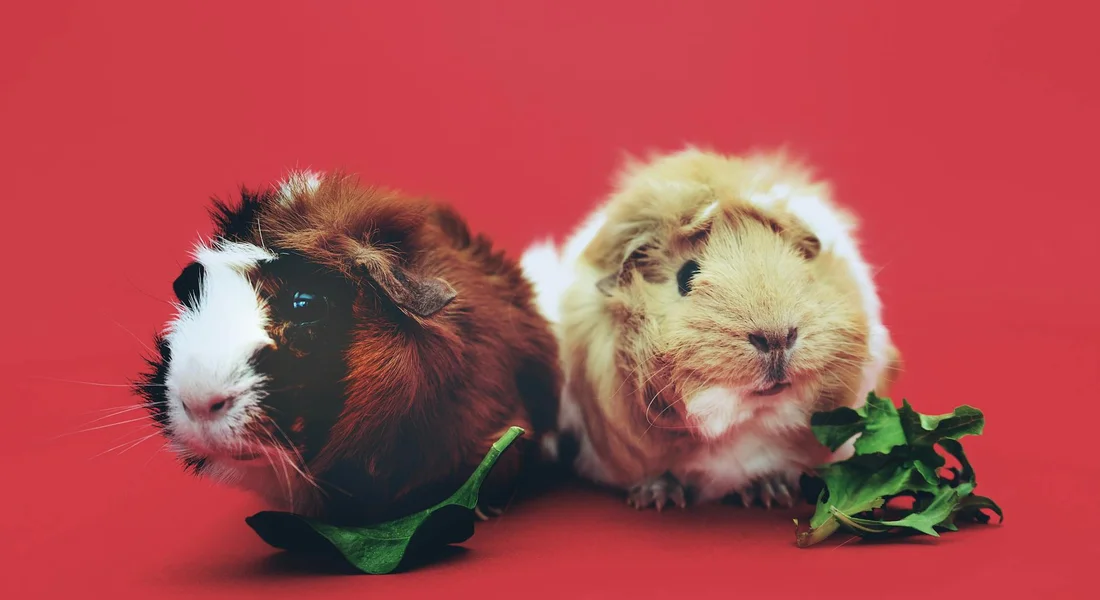
Since sugar and sugar cane are off the menu, you might wonder what you *can* offer. I’ve found that my own guinea pigs, Pepper, Clover, and Biscuit, get most excited for fresh, crunchy vegetables and the occasional sweet fruit. Their little noses twitch with anticipation!
Think of these treats as special supplements to their main diet, not the main event. A good rule of thumb is to offer a tablespoon-sized portion of mixed veggies per pig, once or twice a day. This prevents them from filling up on treats and ignoring their vital hay. That said, how much vegetables should guinea pigs eat daily? Keep portions small and consistent, and always prioritize hay.
Top Vegetable Choices
These are the daily staples that my crew adores. They are low in sugar and high in nutrients.
- Bell Peppers: All colors are fantastic, especially for their high Vitamin C content. Remove the seeds first.
- Romaine Lettuce: A hydrating and crunchy favorite. Avoid iceberg lettuce as it has little nutritional value.
- Cucumber: Excellent for hydration, especially on warm days. Offer in thin slices.
- Zucchini: A soft, easy-to-eat option that’s gentle on their digestive systems.
- Cilantro & Parsley: Herbs are packed with flavor and vitamins, making them a wonderful, aromatic treat.
Occasional Fruit Treats
Fruits contain natural sugars, so they are for special occasions only-think once or twice a week in tiny amounts.
- Blueberries: A single blueberry per pig is a perfect, antioxidant-rich snack.
- Apple Slice: A thin slice, with all seeds carefully removed, is a crunchy delight.
- Strawberry Top: My piggies love the leafy green top of a strawberry just as much as a tiny piece of the fruit itself.
- Melon: A small cube of cantaloupe or watermelon (seedless) is a hydrating summer treat.
Building a Balanced Diet for Optimal Guinea Pig Health
A healthy guinea pig diet rests on three pillars. Getting this balance right is the single most important thing you can do for your pet’s long-term vitality. I’ve seen a remarkable difference in my guinea pigs’ energy and coat quality since I perfected this routine. An ideal overall diet for a healthy guinea pig centers on hay, fresh greens, and a small amount of fortified pellets. These choices support digestion, dental health, and steady vitality.
The Main Event: Unlimited Grass Hay
Hay should make up about 80% of your guinea pig’s daily food intake. Timothy hay is the gold standard, providing the necessary roughage to keep their digestive systems moving and their constantly growing teeth worn down. Meeting their daily hay requirement is easier when a steady supply is available, so they can nibble throughout the day. That steady hay availability supports digestion and dental wear. I always keep a fresh pile available for Pepper, Clover, and Biscuit to munch on throughout the day.
The Daily Essentials: Pellets and Veggies
This portion fills in the nutritional gaps. Choose a high-quality, timothy hay-based pellet that is fortified with Vitamin C, as guinea pigs cannot produce this vital nutrient on their own. You might wonder, how much vitamin C do guinea pigs need daily? They typically require about 25 mg per day, which is usually provided by fortified pellets. Offer about 1/8 cup per pig per day.
Pair this with the fresh vegetables listed in the previous section. This daily combination ensures they receive a steady stream of essential vitamins and minerals.
The Non-Negotiable: Vitamin C
This is so critical it deserves its own spotlight. A lack of Vitamin C can lead to scurvy, a serious and painful condition for guinea pigs. Since their bodies can’t make or store it, you must provide it daily. For many owners, that includes careful management of vitamin C in their drinking water—use a stable supplement and refresh the water daily. Pair this with a diet rich in fresh greens to ensure consistent daily intake.
- Fresh bell peppers are an excellent natural source.
- Use pellets fortified with stable Vitamin C, and buy small bags to ensure potency.
- You can offer a liquid Vitamin C supplement specifically designed for small animals, following your vet’s dosage instructions.
FAQs
Can guinea pigs have stevia or other sugar substitutes?
No, sugar substitutes like stevia are not safe for guinea pigs and can disrupt their digestive system. Stick to their natural diet of hay, vegetables, and limited fruits to avoid health issues.
What parts of the sugar cane plant are toxic to guinea pigs?
All parts of the sugar cane plant, including the stalk and leaves, are unsafe due to high sugar content and tough fibers. Even small amounts can cause digestive problems or choking hazards.
How does sugar intake impact a guinea pig’s immune system?
Excess sugar can weaken a guinea pig’s immune system, making them more prone to infections and illnesses. A balanced, low-sugar diet supports overall health and vitality.
Are there any safe commercial treats that contain sugar cane?
No, commercial treats with sugar cane are not recommended because of the high sugar concentration. Always choose treats made from safe, natural ingredients like hay-based pellets or vegetables.
Can guinea pigs develop a tolerance to sugar over time?
Guinea pigs do not build a tolerance to sugar and remain highly susceptible to its negative effects. Consistent exposure can lead to long-term health issues like obesity and diabetes.
Making Smart Choices for Your Guinea Pig
Based on my time with Pepper, Clover, and Biscuit, I always avoid feeding them sugar or sugar cane to prevent health risks. Stick to a diet rich in timothy hay, fresh leafy greens, and occasional safe fruits like bell peppers for optimal well-being.
Responsible pet ownership means staying curious and informed about guinea pig care through reliable sources. Choosing eco-friendly options, such as biodegradable bedding, helps protect your pet and reduces environmental impact.
Further Reading & Sources
- Can my piggy eat sugar cane? | Wheekers
- Development of feeding systems for rabbits and guinea pigs, based on sugar cane juice and tree foliages
- Can Guinea Pigs Eat Sugar Cane? Sweet & Juicy Treats on Parade!
- Can gunnie pigs eat sweets? – Quora
Kate is a passionate guinea pig owner and advocate for small pet welfare. With over a decade of experience caring for guinea pigs, she has become a trusted voice in the small pet community.
Uncategorized