Guinea Pigs Are Easy Starter Pets: And 9 Other Harmful Myths
Published on: April 19, 2026 | Last Updated: April 19, 2026
Written By: Kate M. Callahan
Hello CavyFam! You might be thinking a guinea pig is the perfect, simple first pet. It’s a common belief, but this idea can lead to serious problems for these sensitive animals.
In this article, I’ll expose the truth behind space requirements, dietary needs, veterinary care, lifespan, costs, handling, social needs, and common health issues. I’ve learned this firsthand through years of caring for my own herd of guinea pigs.
The Truth About Guinea Pigs as Beginner Pets
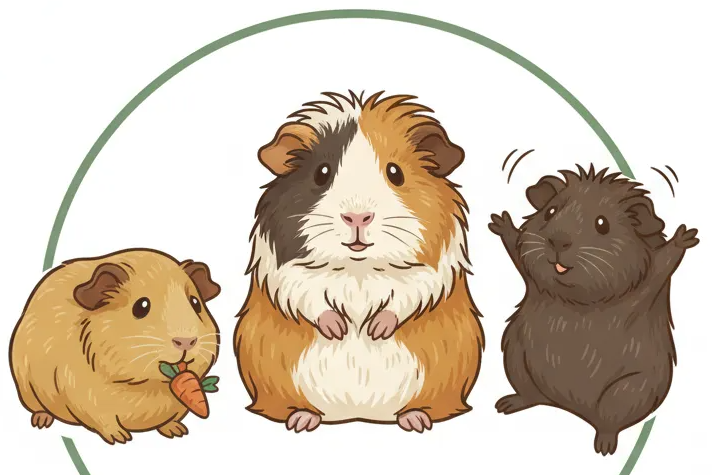
Many people see a guinea pig’s small size and assume their care is just as small. My three guinea pigs, Pepper, Clover, and Biscuit, taught me that their needs are anything but miniature. Their gentle, thoughtful, and intelligent personalities deserve a home that understands the real commitment.
When I first brought Biscuit home, I thought a simple cage and some pellets would suffice. I was wrong. The daily reality involves fresh vegetables, spot-cleaning, and dedicated floor time for exercise and mental stimulation. This isn’t a pet you can just glance at; they demand genuine interaction.
Common Misperceptions About Their Care
- Time: They are not low-maintenance. You need to clean their habitat several times a week and provide daily social interaction.
- Cost: The initial purchase is the smallest expense. Vet bills for exotic animals, high-quality hay, and a constant supply of fresh produce add up quickly.
- Commitment: With lifespans often reaching 5-8 years, a guinea pig is a long-term family member, not a short-term project.
Seeing Pepper’s steady nature or Clover’s graceful curiosity flourish in a well-maintained environment is incredibly rewarding. Responsible ownership means accepting the full scope of their needs from day one, not learning as you go. Your preparation directly shapes their quality of life.
Debunking Social and Companionship Myths
The idea that a single guinea pig is a happy guinea pig is one of the most damaging myths in small pet care. In the wild, they live in herds, and that deeply ingrained social need does not vanish in a domestic setting. I learned this the hard way. This post is part of a series debunking 10 common myths about guinea pig social needs and bonding. Understanding their needs helps you provide the right companionship and enrichment.
Clover was my first guinea pig. For a few months, she was alone. She ate, but she lacked spirit. I noticed she was quieter and spent most of her time hiding, a clear sign of loneliness. Her personality only truly blossomed after I introduced her to Pepper. Now, watching them gently popcorn around their enclosure together is a daily joy.
Companionship is not a luxury for guinea pigs; it is a requirement for their mental and emotional well-being. A solitary guinea pig is often a bored, stressed, and sometimes depressed guinea pig. They communicate with a complex language of wheeks, purrs, and rumbles that they need a friend to speak to. Many people wonder if do guinea pigs need friends; in most cases, a compatible companion is beneficial for their happiness and mental health.
How to Safely Introduce and House Multiple Guinea Pigs
- Quarantine Newcomers: Keep a new guinea pig in a separate room for about two weeks to monitor for illness before introductions.
- Use Neutral Territory: The first meeting should happen in a clean, open space neither pig considers its own, like a playpen or a bathtub lined with towels.
- Expect Normal Dominance Behaviors: Do not separate them for rumble strutting, mounting, or nose-raising. Only step in for real fighting with biting and fur pulling.
- Prepare a Clean, Spacious Home: After a successful introduction, place them together in a freshly cleaned cage that is large enough for both to have their own hiding spots. A minimum of 10.5 square feet is essential for a pair.
Biscuit was the last to join our little herd, and her reserved nature meant introductions took extra patience. Taking it slow and ensuring everyone feels safe is the key to building a harmonious guinea pig family. Common mistakes like rushing introductions or skipping gradual bonding can derail that harmony. The sight of all three cuddled together in a fleece forest is proof that the effort is worth it.
Myths Around Housing and Exercise Needs
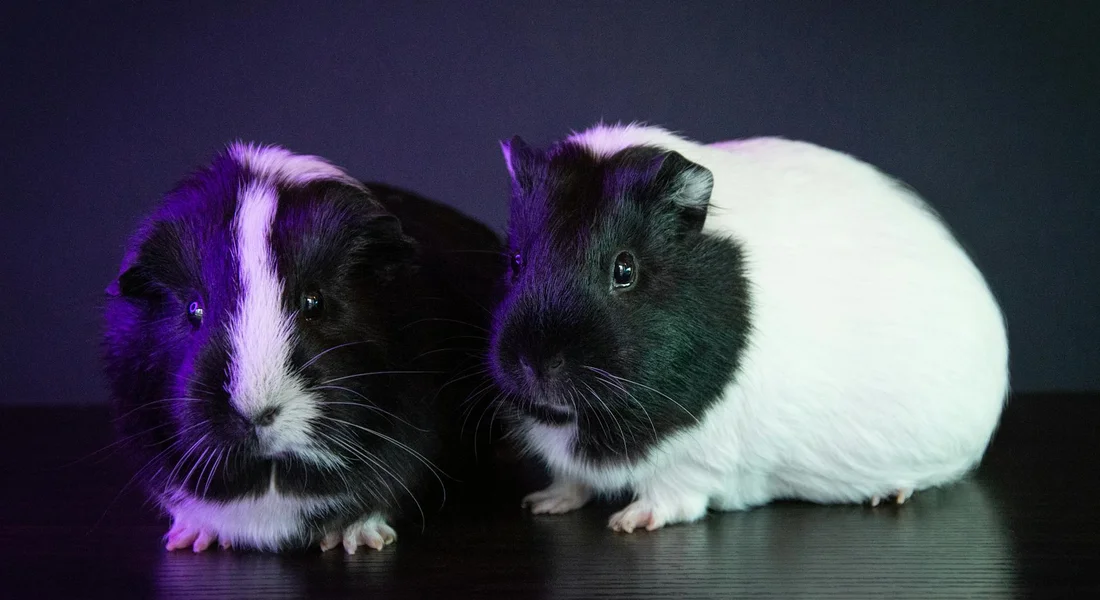
Many believe guinea pigs thrive in tiny cages, but I learned this isn’t true after housing Pepper, Clover, and Biscuit. To figure out the right size, a complete space requirements guide lays out exact cage dimensions and setup tips. It explains how much room guinea pigs need to stay active and healthy. A spacious cage is non-negotiable for preventing stress and health problems in these active pets. I upgraded to a large C&C setup that gives them room to dash and play freely.
Inadequate space risks obesity and boredom, which I noticed when Biscuit became withdrawn in cramped quarters. Creating a safe environment involves using fleece liners for soft flooring and adding tunnels for exploration. Ensure the area is escape-proof and well-ventilated to keep them comfortable.
Here’s what you need for an ideal habitat:
- A cage at least 8 square feet per pair of guinea pigs
- Multiple hiding spots like cozy houses or PVC pipes
- Chew toys made from safe wood to support dental health
- A sturdy water bottle and hay rack accessible at all times
- Fleece bedding or paper-based liners for easy cleaning
Common Dietary Misunderstandings
Feeding the same pellets daily is a common mistake I avoided with my trio by mixing up their meals. Variety in hay, veggies, and vitamin C sources keeps guinea pigs healthy and engaged. I rotate Timothy and orchard grass hays to mimic their natural foraging. These ideas form part of a complete guide to foraging your guinea pig. Enrichment through foraging is a key part of proper guinea pig care.
Balancing diets prevents issues like scurvy or digestive troubles, which I manage by weighing portions for Pepper’s gentle nature and Clover’s graceful appetite. Include colorful vegetables like bell peppers and dark leafy greens to boost vitamin C intake naturally. Limit sugary treats to avoid weight gain.
Follow this simple daily routine for optimal nutrition:
- Morning: Refill hay racks and check water bottles
- Afternoon: Offer a cup of fresh veggies per guinea pig
- Evening: Provide a small portion of fortified pellets
- Throughout the day: Ensure constant access to clean hay
Health and Grooming Misconceptions
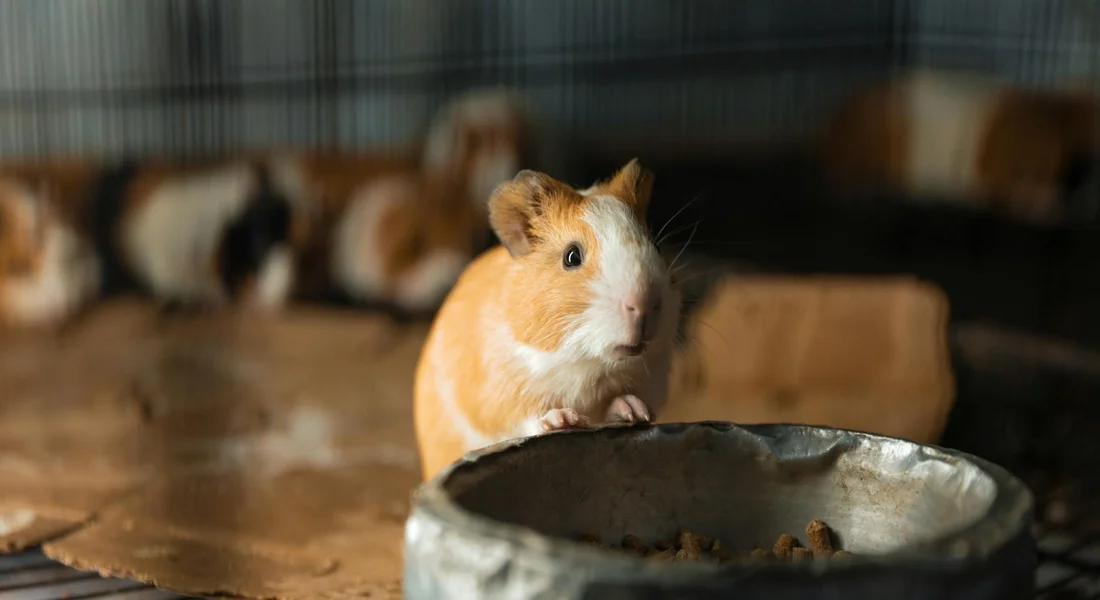
Many new owners believe guinea pigs are low-maintenance pets needing little beyond food and water. This myth can lead to serious health complications that are entirely preventable with proper care. I learned this firsthand when my guinea pig Pepper developed overgrown teeth from insufficient hay, requiring an emergency vet visit. Are guinea pigs easy or hard to care for? It depends on your commitment to daily care, a proper diet, and regular veterinary visits.
Common Health Problems from Neglect
Guinea pigs hide illness well as prey animals, making regular observation vital. Watch for these subtle signs:
- Weight loss despite normal eating
- Wetness around mouth or chin
- Crusty eyes or nose discharge
- Lumps or bald patches on skin
- Changes in droppings consistency
Early detection often means simpler treatments and lower veterinary costs. Clover once developed a fungal infection that I caught early through weekly health checks.
Basic Grooming Practices
Regular grooming keeps your guinea pig healthy and strengthens your bond. Follow these steps weekly:
- Nail trims using small animal clippers
- Brush according to coat type – daily for long-haired breeds like Biscuit
- Check teeth for proper alignment
- Inspect ears and eyes for discharge
- Feel body for unusual lumps or tenderness
Schedule veterinary visits at least annually, even for seemingly healthy pets. Guinea pigs need exotic animal specialists who understand their unique physiology. This is part of a complete care schedule for guinea pigs. Regular vet visits help catch issues early and keep them healthy.
Enrichment and Behavioral Myths
The belief that guinea pigs don’t need mental stimulation is dangerously outdated. These intelligent animals experience boredom and stress just like larger pets. When I first adopted Biscuit, her reserved nature masked what I later realized was understimulation. It’s important to recognize just how smart and intelligent guinea pigs are, so you can provide them with the mental engagement they deserve.
Consequences of Poor Enrichment
Without proper mental engagement, guinea pigs develop concerning behaviors:
- Bar chewing or excessive hiding
- Overgrooming leading to bald spots
- Aggression toward cage mates
- Lethargy and loss of appetite
- Repetitive circling or pacing
Environmental enrichment directly impacts their immune function and lifespan. I noticed Pepper became more active and vocal after introducing new toys to his environment.
Affordable Daily Enrichment Ideas
You don’t need expensive toys to keep guinea pigs engaged. Try these simple solutions:
- Paper bags stuffed with hay become exciting forage toys
- Toilet paper tubes cut into rings make perfect toss toys
- Weekly cage rearrangements create novel exploration opportunities
- Fresh branches from safe trees (apple, pear) offer chewing variety
- Hide treats in cardboard egg cartons for natural foraging behavior
Rotate toys weekly to maintain novelty and prevent boredom. Clover particularly enjoys when I hang vegetables from the cage roof for her to reach.
FAQs
What is guinea pig mythology?
Guinea pig mythology refers to cultural beliefs and folklore where guinea pigs are seen as symbols of good luck or used in traditional rituals. These stories often highlight their historical significance beyond being pets, but they don’t reflect modern care requirements. To bridge lore and real-world care, it’s helpful to consider fact versus fiction—especially around the topic of the 11 myths about guinea pig health and illnesses.
Where can I find a guinea pig maths problem PDF for grade 6?
A guinea pig maths problem PDF for grade 6 might include word problems about calculating food portions or cage sizes to teach basic math skills. These resources are often available on educational websites to make learning engaging through pet care scenarios.
Is there a guinea pig maths problem for grade 7?
Yes, grade 7 maths problems could involve more complex calculations, like determining the cost of veterinary care or plotting growth charts over time. These activities help students apply math to real-life situations involving guinea pig ownership.
What does guinea pig python refer to?
Guinea pig python typically refers to a common misconception about housing guinea pigs with python snakes, which is extremely dangerous and should never be attempted. It’s vital to keep guinea pigs in safe, predator-free environments to ensure their well-being.
Are there any other common myths about guinea pigs not mentioned?
Some people believe guinea pigs can thrive on rabbit food or don’t need vitamin C, but these are false and harmful to their health. Always provide species-specific pellets and fresh veggies to meet their nutritional needs properly. There are critical differences between guinea pig and rabbit pellets. Guinea pigs require vitamin C and appropriate fiber, which rabbit pellets typically do not provide.
Your Guinea Pig Care Adventure Awaits
From caring for my guinea pigs Pepper, Clover, and Biscuit, I know they demand thoughtful attention beyond simple myths. Focus on spacious habitats, nutritious diets, and social bonds to ensure their well-being and debunk harmful assumptions.
Embrace ongoing learning to refine your care techniques and prioritize eco-friendly choices. Selecting sustainable supplies and reducing waste helps protect both your pets and the environment for a brighter future.
Further Reading & Sources
- Busting Common Guinea Pig Myths – Oxbow Animal Health
- Which guinea pig senses are the strongest? GUINEA PIG MYTHS – GuineaDad
- Common guinea pig myths debunked | Bristol Animal Rescue Centre
- Guinea Pig Connection: guinea pig myths
Kate is a passionate guinea pig owner and advocate for small pet welfare. With over a decade of experience caring for guinea pigs, she has become a trusted voice in the small pet community.
Uncategorized