Can Guinea Pigs Eat Rabbit Pellets? The Critical Guide
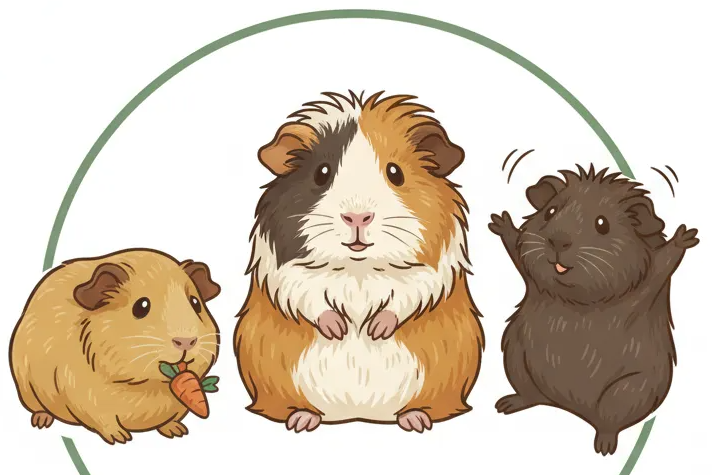
Hello CavyFam! You might be wondering if those extra rabbit pellets are safe to share with your guinea pig. It’s a common question, especially when you’re trying to be resourceful with your pet supplies.
I’ll walk you through nutritional differences, specific health risks, and safe, healthy alternatives to ensure your piggies thrive. Having cared for my own guinea pigs for years, I’ve learned firsthand how their unique dietary needs directly impact their health and happiness.
Understanding Your Guinea Pig’s Unique Dietary Needs
Guinea pigs are not just small rabbits; their bodies have very specific requirements. Their digestive systems are designed for a constant intake of high-fiber hay, which keeps their gut moving and their ever-growing teeth worn down. I learned this firsthand when my guinea pig, Biscuit, stopped eating his usual hay and developed digestive issues, a stressful experience for any pet owner.
One of the most critical needs for guinea pigs is Vitamin C. Unlike many other mammals, guinea pigs cannot produce their own Vitamin C and must get it entirely from their diet. A deficiency can lead to scurvy, which causes joint pain, poor coat condition, and a weakened immune system. So, how much vitamin C do guinea pigs need daily? In general, aim for about 10-25 mg per day for an average adult guinea pig, adjusting for body weight and diet.
Here is what a balanced daily diet looks like for a healthy guinea pig:
- Unlimited Timothy Hay: This should make up about 80% of their diet for proper digestion and dental health.
- Fresh, Vitamin C-rich Vegetables: A daily cup of veggies like bell peppers, kale, and parsley is essential.
- High-Quality Guinea Pig Pellets: A small, measured amount of fortified pellets provides a nutritional safety net.
- Fresh, Clean Water: Always available from a drip-feed bottle to stay hydrated.
What Exactly Are Rabbit Pellets Made Of?
Rabbit pellets are formulated for a completely different animal with different biology. The core ingredients often include alfalfa hay, grains, and various vitamins, but they critically lack the one thing your guinea pig needs most: stabilized Vitamin C. Common harmful ingredients to avoid in guinea pig pellets include high-calcium alfalfa and unnecessary fillers that can upset digestion. This is why many people choose pellets formulated specifically for guinea pigs rather than rabbit pellets. After my gentle guinea pig, Pepper, once nibbled on a stray rabbit pellet, I immediately researched the ingredients and was alarmed by the differences.
Let’s break down a typical rabbit pellet formula and why it’s unsuitable:
- Primary Fiber Source (Alfalfa Hay): This is a legume hay, higher in protein and calcium than the grass hays (like Timothy) that adult guinea pigs need. Too much calcium can lead to painful bladder stones.
- Vitamin and Mineral Mix: This blend is designed for a rabbit’s metabolism and does not include the necessary levels of Vitamin C, which degrades quickly in pellets.
- Protein and Fat Levels: These are often balanced for a rabbit’s growth and energy needs, which can differ from what keeps a guinea pig at a healthy weight.
Feeding rabbit pellets to a guinea pig is like giving them empty calories that miss the mark on their fundamental health requirements. You are essentially providing filler without the life-sustaining nutrients they depend on you for. Always choose species-specific food to ensure your pets, like my thoughtful Clover, live a long and vibrant life.
The Critical Nutritional Differences: Rabbit Pellets vs. Guinea Pig Pellets
The Vital Role of Vitamin C
Guinea pigs cannot make their own vitamin C, so they must get it from their food every single day. Rabbit pellets completely lack added vitamin C, which can quickly lead to scurvy in guinea pigs, causing joint pain and poor healing. I learned this firsthand when my guinea pig Clover showed signs of lethargy until I corrected her diet with vitamin C-rich options.
Calcium Content and Urinary Health
Rabbit pellets often have higher calcium levels than what guinea pigs need. Too much calcium can form painful bladder stones in guinea pigs, a condition I’ve helped prevent in my own pets by monitoring their calcium intake closely. Always choose pellets designed specifically for guinea pigs to keep their urinary systems healthy.
Fiber Content and Digestive Harmony
Fiber keeps a guinea pig’s gut moving smoothly, but rabbit pellets may not provide the right type or amount. Insufficient or improper fiber can cause gastrointestinal stasis, where digestion slows or stops, leading to serious health issues. From raising Pepper and Biscuit, I’ve seen how the right fiber prevents bloating and keeps them active.
Protein Levels and Obesity Risk
Rabbit pellets typically contain more protein than guinea pigs require. Excess protein can contribute to weight gain and put strain on their kidneys over time, increasing the risk of obesity-related problems. My gentle guinea pig Pepper maintains a healthy weight because I focus on balanced, species-appropriate nutrition.
Why Feeding Rabbit Pellets to Guinea Pigs is Risky
Feeding rabbit pellets to guinea pigs poses both immediate and long-term health dangers. Short-term consequences include digestive upset, while long-term risks involve chronic deficiencies and organ stress. Watch for these symptoms if your guinea pig eats rabbit pellets:
- Lethargy or reduced activity
- Loss of appetite or refusal to eat
- Diarrhea or unusual droppings
- Swollen joints or difficulty moving (signs of vitamin C deficiency)
- Weight changes or bloating
Long-term exposure can lead to scurvy, urinary stones, or kidney damage, all of which are preventable with proper diet choices. I advocate for guinea pig welfare by stressing that their unique needs deserve tailored nutrition.
Building a Safe and Balanced Diet for Your Guinea Pig
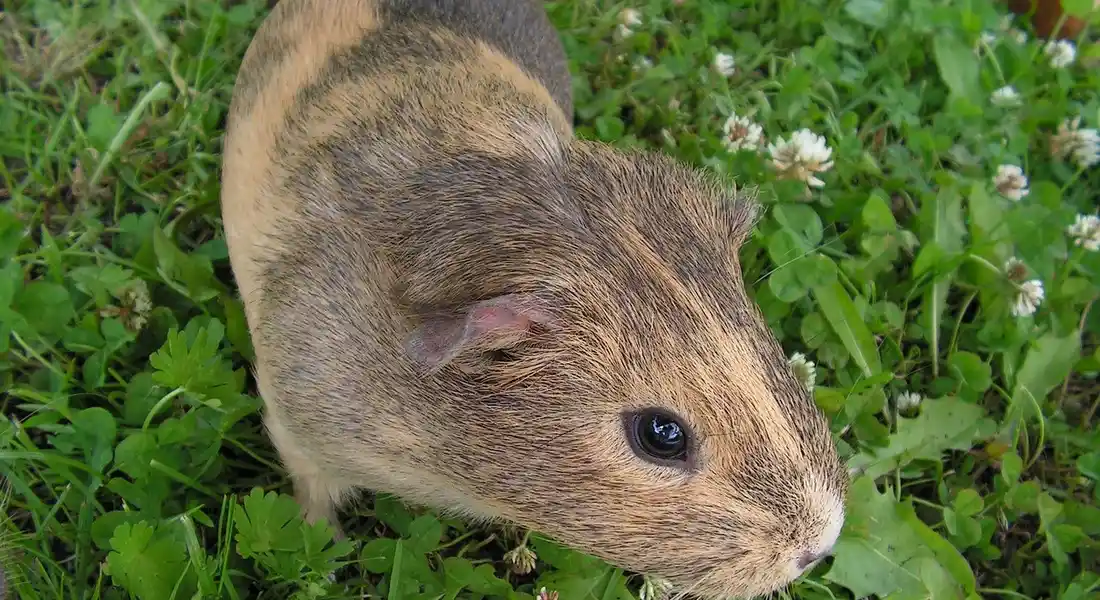
A healthy guinea pig diet rests on three main pillars: hay, pellets, and fresh veggies. This combination supports their digestion, dental health, and overall vitality, as I’ve seen with my own trio of guinea pigs. Hay is the backbone of that mix—its constant fiber keeps digestion steady and helps wear down teeth. That’s why hay deserves the biggest share of your guinea pig’s daily intake. Let’s break down each element to keep your pet thriving.
The Foundation: Unlimited Timothy Hay
Timothy hay should make up about 80% of your guinea pig’s diet. It’s non-negotiable for wearing down their constantly growing teeth and promoting healthy gut motility. My guinea pigs, like Clover, always have access to fresh hay, which prevents dental issues and keeps them happily nibbling. Meeting their daily hay requirement helps support digestion and dental wear. Keep hay available at all times for constant nibbling.
Selecting the Right Guinea Pig Pellets
Choose pellets formulated specifically for guinea pigs, not other small animals. Look for labels that list vitamin C as an ingredient and avoid those with high calcium or artificial additives. I pick pellets with simple, natural ingredients to ensure Pepper, Biscuit, and Clover get the nutrients they need without fillers. To expand your knowledge, consult a high-quality guinea pig pellets ingredient guide. It helps you compare vitamin C content, calcium levels, and other additives across brands so you can choose truly nutritious options.
Fresh Vegetables for Vital Nutrients
Supplement with fresh vegetables to boost vitamin C and other essentials. Offer a variety of safe options daily, such as bell peppers, kale, or parsley, to enhance their diet naturally. My guinea pigs love red bell peppers, which are packed with vitamin C and add color to their meals.
What to Do If Your Guinea Pig Has Eaten Rabbit Pellets
If your guinea pig accidentally eats rabbit pellets, stay calm and follow these steps. First, remove any remaining rabbit pellets immediately and replace them with guinea pig-safe food. Offer unlimited timothy hay and fresh water to help their system recover.
Monitor your pet closely for any signs of illness over the next 24 hours, such as changes in behavior or eating habits. If you notice symptoms like diarrhea, lethargy, or loss of appetite, contact your veterinarian for guidance. From my experience, quick action can prevent minor issues from becoming serious.
Transitioning Your Guinea Pig to a Proper Diet
Switching from rabbit pellets to a proper guinea pig diet should be done gradually to avoid digestive upset. A slow transition helps their gut bacteria adjust without causing stress or health problems. If you’re transitioning to a new pellet brand, follow a clear step-by-step guide to keep the switch smooth. This approach helps prevent GI upset and ensures your pig accepts the new food. Here’s a simple step-by-step plan I’ve used successfully with my guinea pigs:
- Start by mixing a small amount of guinea pig pellets with the rabbit pellets, using about 25% new to 75% old.
- Over 7-10 days, gradually increase the proportion of guinea pig pellets while decreasing the rabbit pellets.
- Monitor their droppings and appetite daily; if things seem normal, continue the shift.
- By the end of the transition, they should be eating 100% guinea pig pellets along with hay and veggies.
This method minimizes the risk of GI stasis and ensures a smooth change to a healthier lifestyle. I’ve done this with Biscuit, and she adapted well without any tummy troubles.
Building a Safe and Balanced Diet for Your Guinea Pig
The Foundation: Unlimited Timothy Hay
Timothy hay should form the absolute bedrock of your guinea pig’s daily intake. Their digestive systems are designed for a near-constant flow of long-strand fiber to keep things moving smoothly and to grind down their ever-growing teeth. When you’re choosing the best hay for your guinea pig, look for fresh, green timothy hay with a mild scent and minimal dust. Avoid bales that are overly dry or dusty. I always keep my trio’s hay racks overflowing; Pepper, Clover, and Biscuit munch on it throughout the day and night.
Without this roughage, they can develop serious, painful conditions like GI stasis and dental malocclusion. Think of hay not just as food, but as an essential tool for their physical health and mental enrichment.
Selecting the Right Guinea Pig Pellets
Guinea pig-specific pellets are a crucial supplement, not the main course. The single most vital difference from rabbit pellets is the mandatory addition of stabilized Vitamin C, as guinea pigs cannot produce their own. I always check the ingredient list for this specific, life-saving nutrient. Beyond pellets, essential vitamin supplements for guinea pigs help ensure they get enough Vitamin C and other micronutrients daily. When choosing supplements, look for stabilized Vitamin C and vet-approved products, and use them as directed to support long-term health.
When choosing a brand, look for these key features:
- Formulated with stabilized Vitamin C to prevent deficiency (scurvy).
- Timothy hay-based, especially for adult pigs, to control calcium intake.
- Free from colorful bits, seeds, or dried fruit, which are just sugary fillers.
- A simple, plain pellet form to encourage selective eating of the healthy parts.
I offer my pigs a measured tablespoon each per day, which prevents obesity and ensures they eat their hay first. Typically, pellets should make up only a small portion of daily intake, about 1/8 to 1/4 cup per day depending on size. Your measured tablespoon fits a cautious start, but adjust as needed to keep hay as the main fiber source. High-quality guinea pig pellets are a targeted health supplement, while rabbit pellets are a nutritional mismatch that can lead to long-term harm.
Fresh Vegetables for Vital Nutrients
A daily salad provides a fantastic boost of hydration, vitamins, and variety. This is where you can really see their individual personalities shine through as they pick their favorites. Gentle Pepper adores leafy greens, while thoughtful Clover meticulously eats her bell peppers first.
Focus on these safe, nutritious options for daily rotation:
- Leafy greens like romaine lettuce, cilantro, and green leaf lettuce.
- Vitamin C powerhouses such as bell peppers (all colors) and a small piece of kale.
- Occasional treats like a baby carrot or a cucumber slice for extra hydration.
Always wash veggies thoroughly and introduce any new food in a tiny amount to avoid upsetting their sensitive stomachs. A colorful, fresh veggie mix each day is like a multivitamin they actually look forward to eating.
What to Do If Your Guinea Pig Has Eaten Rabbit Pellets
First, don’t panic. A single, small accidental nibble is unlikely to cause immediate crisis. The real risk lies in the cumulative effect of missing Vitamin C and improper fiber over days or weeks. I once had a scare when Biscuit managed to sneak a few bites from a bag I’d mistakenly left accessible.
Your immediate action plan should be simple and calm:
- Remove all access to the rabbit pellets immediately.
- Ensure their usual Timothy hay and fresh water are abundantly available.
- Offer a high-Vitamin C vegetable, like a slice of red bell pepper, to help counter the lack in the rabbit food.
- Monitor their behavior and droppings for the next 24 hours for any signs of lethargy or digestive change.
If they have consumed a large quantity or it becomes a regular part of their diet, a consultation with an exotics-savvy veterinarian is your safest next step. They can assess your pet’s health and provide tailored advice. Simply switch them back to a proper guinea pig pellet and be vigilant about storage to prevent future mix-ups.
Transitioning Your Guinea Pig to a Proper Diet
Switching your guinea pig’s food abruptly can upset their sensitive digestive system. A gradual transition over 7-10 days is the safest way to prevent stomach aches and refusal to eat. Your piggy needs time to adjust to new tastes and textures.
A Safe, Step-by-Step Transition Plan
Follow this simple method to mix the old and new food. I’ve used this with my own herd, and it works wonders for their comfort.
- Days 1-3: Mix 75% of their current food with 25% of the new, high-quality guinea pig pellets.
- Days 4-6: Create a 50/50 blend of the old and new food.
- Days 7-9: Shift to 25% old food and 75% new pellets.
- Day 10: Offer 100% of the new, species-appropriate pellets.
What to Watch For During the Switch
Keep a close eye on your pet’s behavior and appetite. Any significant change in eating habits or droppings is your first clue that something is wrong. My guinea pig, Biscuit, is often hesitant with new foods, so I watch her extra closely.
- Monitor their poop: It should remain firm and consistent.
- Ensure they are drinking their normal amount of water.
- Watch for a lack of energy or enthusiasm for food.
Supporting the Transition with Fresh Foods
While you’re changing the pellets, you can offer small, familiar treats to keep them happy. Stick to their favorite, well-tolerated veggies like bell peppers or romaine lettuce during this period. This provides comfort and a reliable source of Vitamin C.
Avoid introducing any other new fruits or vegetables until the pellet transition is complete. This helps you pinpoint the cause if any digestive issues arise.
FAQs
What are guinea pigs?
Guinea pigs are small, domesticated rodents commonly kept as pets for their friendly and social nature. They have specific dietary needs, such as requiring vitamin C from their food since they cannot produce it themselves. Many owners note that guinea pigs have favorite food treats, like small pieces of carrot or apple. These should be given in moderation and never replace their main vitamin C-rich hay and pellets.
What are rabbit pellets?
Rabbit pellets are commercially formulated food designed to meet the nutritional requirements of rabbits, typically made from ingredients like alfalfa hay and grains. They are not suitable for other animals due to differences in essential nutrients and fiber content.
Why is it important to feed guinea pigs species-specific food?
Guinea pigs rely on food fortified with vitamin C and the right fiber balance to prevent health issues like scurvy and digestive problems. Species-specific pellets ensure they receive the proper nutrients that rabbit pellets lack, supporting their overall well-being.
Keep Your Guinea Pig Happy and Healthy
Based on my time caring for Pepper, Clover, and Biscuit, I always stick to guinea pig-specific pellets because rabbit pellets lack the essential Vitamin C and have the wrong nutrient balance for their delicate systems. Feeding the correct food prevents serious health issues and supports their overall vitality.
Responsible pet ownership means always learning better ways to care for your furry friends while choosing eco-friendly products like sustainable bedding or recyclable food packaging. Your commitment to their well-being and the planet makes a positive impact every single day.
Further Reading & Sources
- Pellets – Can I feed my guinea pig rabbit pellets – Guinea Pig Cages
- r/guineapigs on Reddit: Guinea pig and Rabbit pellets
- Can Guinea Pigs Eat Rabbit Pellets? | Small Pet Select Blogs | Small Pet Select
- Nutrition – Can guinea pigs eat rabbit pellets for one week????
Kate is a passionate guinea pig owner and advocate for small pet welfare. With over a decade of experience caring for guinea pigs, she has become a trusted voice in the small pet community.
Uncategorized