Can Guinea Pigs Eat Rabbit Pellets? The Critical Differences
Hello CavyFam! If you’re eyeing that bag of rabbit pellets for your guinea pig, you’re likely asking if it’s a harmless swap or a health hazard.
Mixing up their diets can seem convenient, but it might put your pet’s well-being at risk without the right knowledge.
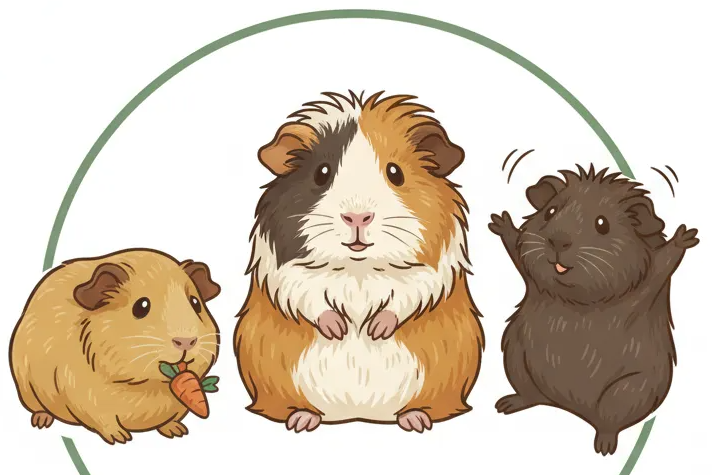
In this article, I’ll walk you through vitamin C essentials, fiber needs, ingredient pitfalls, and smarter feeding choices. With my guinea pigs Pepper, Clover, and Biscuit by my side, I’ve learned firsthand what keeps them thriving and happy.
Guinea Pigs and Rabbits: Different Animals, Different Diets
Looking at my three guinea pigs-Pepper, Clover, and Biscuit-nibbling hay, you might think they eat like rabbits. I thought so too when I started. Guinea pigs and rabbits may share a cute appearance, but their dietary needs are built on entirely different biological blueprints.
The Digestive System Divide
Both animals are hindgut fermenters, but rabbits have a trick guinea pigs don’t. Rabbits produce special night droppings called cecotropes, which they re-eat to absorb extra nutrients. Guinea pigs lack this ability. Your guinea pig’s digestive health hinges on a steady, uninterrupted flow of high-fiber foods, primarily from grass hay, to prevent dangerous gut slowdowns.
I learned this with Clover, my graceful Abyssinian. Her digestion is so delicate that any sudden change makes her thoughtful demeanor vanish. Rabbit pellets are formulated for a rabbit’s unique recycling system, not for a guinea pig’s one-way digestive tract.
Think of their gut needs in simple terms:
- Guinea pigs: Need constant fiber intake. Their gut motility stops without it.
- Rabbits: Can reprocess waste. Their diet supports this coprophagy.
- Guinea pigs: Require external vitamin C. Their bodies can’t make it.
- Rabbits: Synthesize their own vitamin C. Their pellets skip it.
Seeing Pepper’s gentle, steady nature reminds me how a proper diet maintains that calm. Feeding rabbit pellets disrupts the precise fiber balance guinea pigs need for daily comfort and vitality.
The Nutritional Showdown: Guinea Pig Pellets vs. Rabbit Pellets
Hold two bags of pellets. They look similar—brown, crunchy, maybe smell earthy. But for your guinea pig, choosing wrong is like filling a gas car with diesel. To help you decide, this guide reviews and compares the best guinea pig pellet brands, highlighting what to look for and how brands stack up. The nutritional profiles are fundamentally different, and those differences directly impact your pet’s long-term health and happiness.
Vitamin C: The Non-Negotiable
This is the biggest divider. Guinea pigs, like people, cannot produce vitamin C internally. Rabbit pellets contain little to none because rabbits make their own. A diet of rabbit pellets guarantees your guinea pig will develop scurvy, a debilitating and painful condition that weakens their entire body.
I check the vitamin C levels in everything I feed Biscuit, my intelligent Peruvian. Her dark, cream-patterned coat stays lush because of it. Quality guinea pig pellets have stabilized vitamin C added, a lifeline your pet needs every single day—especially because guinea pigs can’t produce it on their own.
Watch for these early signs of deficiency:
- Rough, unkempt fur and flaky skin
- Hesitation to move or play; seeming stiff
- Loss of appetite and quiet, withdrawn behavior
- Poor wound healing or swollen joints
Calcium and Phosphorus: Getting the Balance Right
Here’s another hidden danger. Rabbit pellets often have higher calcium levels for strong rabbit bones. Guinea pigs are prone to bladder stones when calcium builds up. An imbalanced calcium-to-phosphorus ratio in rabbit pellets can quietly strain your guinea pig’s urinary system.
With my trio, I’m careful. Pepper’s golden-brown coat hides a system that needs careful mineral management. Feeding rabbit pellets introduces a mineral load their kidneys weren’t designed to handle, leading to pain and potential blockages.
Opt for guinea pig pellets with these specs:
- Calcium level between 0.4% and 0.6% on the label
- Phosphorus level that creates a rough 1.5:1 calcium-to-phosphorus ratio
- Timothy hay as the first ingredient for proper fiber
- No colorful bits, seeds, or nuts, which are choking hazards
I feel the difference when I pick up Clover-her light brown fur is soft, and she moves with graceful ease. Correct pellet nutrition isn’t just about preventing disease; it’s about fostering that everyday spark of life in your pet.
The Clear Verdict: Why Rabbit Pellets Are Unsafe for Guinea Pigs
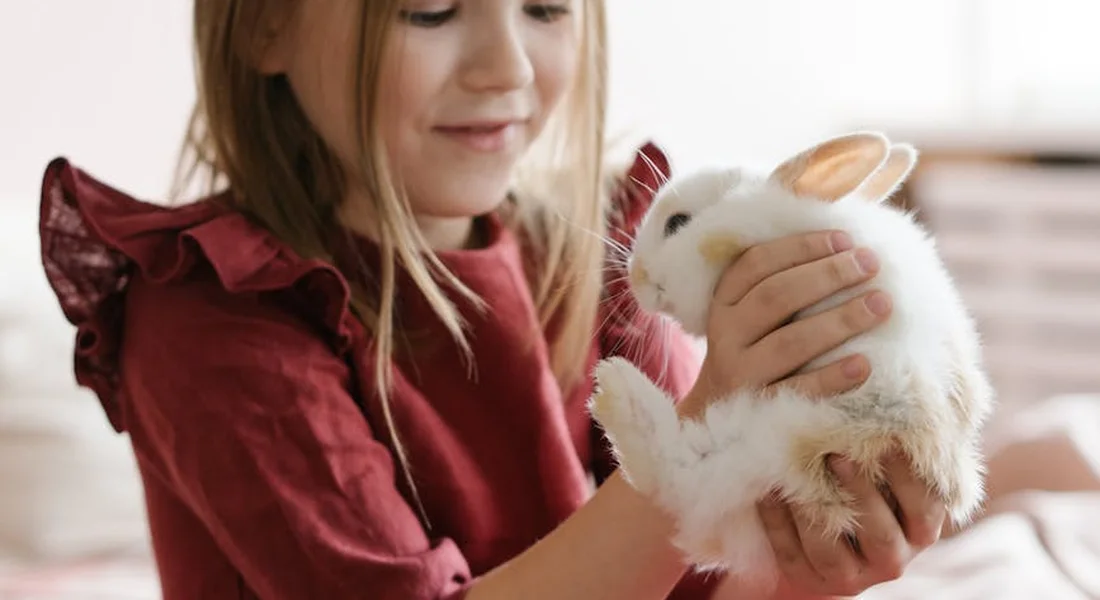
After years of caring for my guinea pigs, Pepper, Clover, and Biscuit, I’ve learned their dietary needs are non-negotiable. Rabbit pellets are not just suboptimal for guinea pigs—they are actively unsafe and can cause serious, long-term health problems. While both are adorable herbivores, their bodies have evolved with one critical, life-saving difference. That same logic applies to timothy hay vs alfalfa pellets. For most adult guinea pigs, timothy hay should be the main forage, with alfalfa pellets limited to specific needs under veterinary guidance.
Specific Health Risks to Understand
Feeding rabbit food to a guinea pig is like giving a car the wrong type of fuel; it might run for a while, but the engine will eventually break down. Here’s exactly what goes wrong inside their tiny bodies.
- Vitamin C Deficiency (Scurvy): This is the most urgent danger. Guinea pigs, like humans, cannot produce their own Vitamin C. Rabbit pellets contain none. Without it, your pet will develop scurvy-a painful condition causing lethargy, rough fur, swollen joints, and dental issues. I once fostered a guinea pig who had been on rabbit food, and his recovery with proper Vitamin C was slow and heart-wrenching.
- Digestive Upset and GI Stasis: Rabbit pellets are often higher in protein and calcium but lower in fiber than a guinea pig needs. Their sensitive digestive systems rely on a precise fiber balance to keep food moving. The wrong formula can lead to painful gas, bloating, and a deadly shutdown of the gut called GI stasis.
- Urinary Tract Issues: Improper calcium-to-phosphorus ratios in rabbit food can contribute to the formation of painful bladder stones in guinea pigs. This is a common and expensive veterinary emergency that is largely preventable through proper diet.
- Malnutrition and Weight Issues: The overall nutrient profile is mismatched. Your guinea pig might eat the pellets but still be starving for the right nutrients, leading to weight loss, poor coat quality, and a weakened immune system.
Crafting the Perfect Plate: What to Feed Your Guinea Pig Instead
Now for the good part-building a vibrant, healthy menu that will keep your guinea pig popcorning with joy! A balanced diet is a beautiful three-legged stool: premium pellets, unlimited hay, and fresh daily vegetables.
Selecting Superior Guinea Pig Pellets
Not all guinea pig pellets are created equal. Here’s what I look for when choosing food for my herd, to ensure every tiny bite supports their health. Sometimes I weigh the homemade vs commercial pellet options—the trade-offs between ingredient control and convenience. Understanding the pros and cons helps me tailor a diet that keeps every bite balanced and healthy.
- Vitamin C Fortified: This is your top priority. Check the label to confirm it’s added. Remember, Vitamin C degrades over time, so buy small, fresh bags and store them in a cool, dark place.
- High Fiber, Low Calcium: Aim for a crude fiber content of at least 18-20%. Avoid pellets with added seeds, nuts, or colorful dried bits-these are just sugary fillers. A simple, uniform pellet is best.
- Timothy Hay-Based: For most adult guinea pigs, a pellet made from timothy hay is ideal as it’s lower in calcium and calories than alfalfa-based formulas, which are better for young, growing pups or pregnant sows.
I measure about 1/8 cup of plain, fortified pellets per pig per day, which prevents them from filling up on pellets and ignoring their essential hay.
Fresh Foods That Complement Pellets
This is where you can really bond with your pet and cater to their personality! Fresh veggies provide moisture, enzymes, and a delightful variety. My Clover is a graceful thinker who adores the crisp texture of romaine, while Biscuit, my reserved Peruvian, carefully investigates every piece of bell pepper.
- Daily Staples (High in Vitamin C): Bell peppers (all colors, but remove seeds), kale, and parsley are fantastic everyday options. A slice of bell pepper is a guaranteed hit in my cage.
- Wonderful Weekly Adds: Cilantro, cucumber (for hydration!), zucchini, and the occasional small piece of carrot or apple as a sweet treat.
- Unlimited Timothy Hay: This isn’t just food-it’s bedding, entertainment, and the most critical item for dental and digestive health. Their teeth constantly grow, and hay is the perfect abrasive to grind them down. A pile of fresh, sweet-smelling hay should always be available, bigger than they are.
Introduce new veggies slowly to avoid tummy trouble, and always wash produce thoroughly. I try to buy organic for the leafy greens, especially, to minimize their exposure to pesticides. Watching my guinea pigs munch happily on a colorful plate I’ve prepared is one of the simple joys of being their caretaker.
Reading the Bag: How to Choose Guinea Pig Pellets Wisely
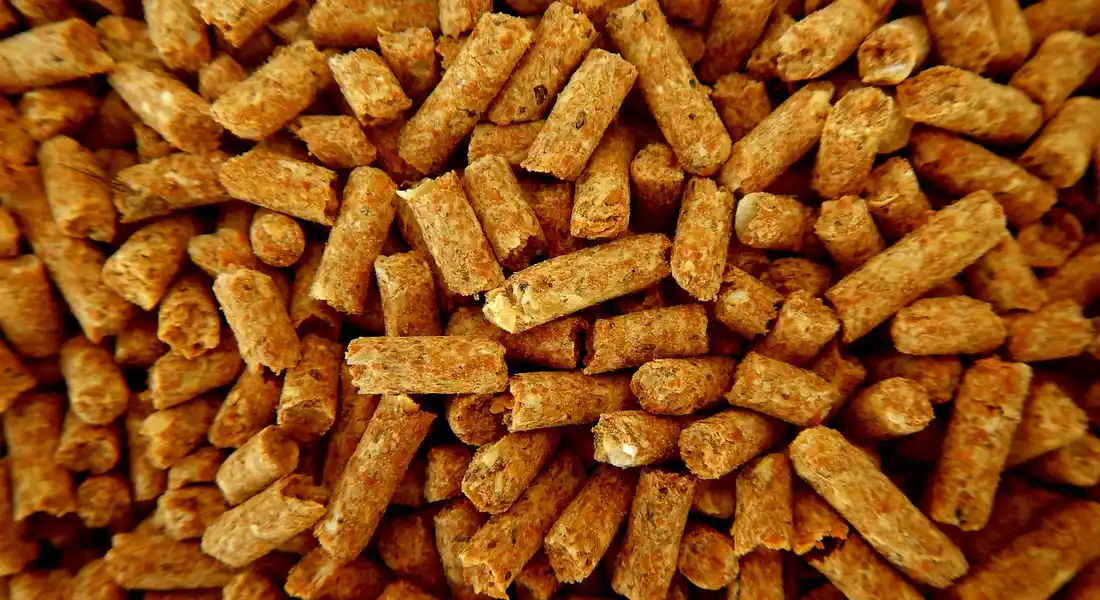
Standing in the pet food aisle can feel confusing with all those colorful bags. I make choices for Pepper, Clover, and Biscuit by reading labels as carefully as I read a recipe.
Guinea pig pellets are not the same as rabbit food. Your guinea pig needs fortified vitamin C in every bite because their bodies can’t produce it. For daily amounts, aim for about 1/4 cup of pellets per day for an average adult. Always pair pellets with unlimited hay and fresh vegetables to meet their fiber and vitamin needs.
Here is exactly what to look for on the packaging:
- First Ingredient: Timothy hay should be listed first for adult guinea pigs, not alfalfa or grain.
- Guaranteed Analysis: Find fiber over 20% and protein around 14-16% for steady digestion.
- Vitamin C: The bag must state “stabilized” or “added” vitamin C, with a clear mg per serving.
- No Extra Bits: Avoid pellets mixed with seeds, nuts, or colored pieces, which are unhealthy fillers.
I learned this after Clover, my graceful Abyssinian, had dull fur from low-quality food. Switching to a plain, hay-based pellet made her coat shiny and her energy bright again.
Feel the pellets through the bag if you can. They should be uniformly hard and greenish-brown, not dusty or crumbly, which signals age and lost nutrients.
If an Accident Occurs: Your Action Plan
Even with care, a curious guinea pig might snatch a rabbit pellet. Stay calm and act quickly to keep your pet safe and comfortable. This is a good moment to follow a step-by-step guide to taming a scared New Guinea pig. We’ll walk you through gentle handling and bonding techniques.
Follow these steps if you see it happen:
- Gently remove any uneaten rabbit pellets and the food bowl from the habitat.
- Fill the cage with extra fresh timothy hay and change the water to encourage flushing their system.
- Watch your guinea pig closely for the next 12 hours for signs like soft stools, less movement, or refusing favorite veggies.
- Call your veterinarian for advice, especially if you have a young, old, or already unwell pig like my senior Clover.
- Boost vitamin C with a slice of bell pepper or a vet-approved supplement for a few days afterward.
My Peruvian, Biscuit, once nibbled on a stray rabbit pellet. I monitored her and offered cilantro, which she loves, to ensure she kept eating normally.
Prevention is your best tool. Store all pet foods in clearly labeled, separate containers to protect your gentle friends from mix-ups.
Their small bodies rely on the right fuel. Providing species-specific food is a direct act of love and welfare for your guinea pig family, ensuring they receive a proper herbivore diet.
List of generated FAQs:
– Can I mix a small amount of rabbit pellets with my guinea pig’s regular food if I run out?
– My guinea pig accidentally ate one rabbit pellet. Should I be worried?
– Are there any rabbit pellet brands that are safe for guinea pigs?
– What are the first signs my guinea pig is unwell from eating rabbit food?
– How do I transition my guinea pig back to proper food if they’ve eaten rabbit pellets?
FAQs
Can I mix a small amount of rabbit pellets with my guinea pig’s regular food if I run out?
No, you should never mix rabbit pellets into their food. Even a small amount lacks the essential vitamin C and has an improper mineral balance for your guinea pig’s health. Common harmful ingredients should be avoided in a guinea pig’s diet. Avoid rabbit pellets and other inappropriate mixes, and stick to guinea pig–specific pellets instead.
My guinea pig accidentally ate one rabbit pellet. Should I be worried?
A single pellet is unlikely to cause immediate harm, but you should monitor them closely. Remove the source and ensure they eat plenty of their regular hay and vitamin C-rich vegetables.
Are there any rabbit pellet brands that are safe for guinea pigs?
No, all rabbit pellets are formulated without added vitamin C and with a rabbit-specific nutrient profile. There is no rabbit pellet brand that meets the critical dietary requirements of a guinea pig.
What are the first signs my guinea pig is unwell from eating rabbit food?
Early warning signs include a loss of appetite, lethargy, and a rough, unkempt coat. These can indicate the start of a vitamin C deficiency or digestive discomfort.
How do I transition my guinea pig back to proper food if they’ve eaten rabbit pellets?
Immediately stop feeding rabbit pellets and provide unlimited timothy hay. Gradually introduce a high-quality guinea pig pellet over a few days while offering daily vegetables rich in vitamin C. If you’re switching guinea pig pellet brands, follow a simple step-by-step guide to transition your guinea pig to the new pellet. This helps minimize digestive upset and ensures the new pellets are accepted.
Your Guinea Pig’s Nutritional Needs: A Final Note
Always choose pellets made for guinea pigs over rabbit food, since the lack of vitamin C in rabbit pellets can harm your pet’s health. I rely on this for my guinea pigs—Pepper, Clover, and Biscuit—and their vibrant energy shows why a proper diet matters. If you want to dig deeper, look to our high-quality guinea pig pellets ingredient guide. It breaks down which ingredients support vitamin C, fiber, and overall health, helping you choose wisely.
Caring for animals means staying curious and picking sustainable habits that protect both your pets and our planet. Your dedication to gentle, informed care directly shapes their comfort and our shared environment.
Further Reading & Sources
- r/guineapigs on Reddit: Guinea pig and Rabbit pellets
- Nutrition – Can guinea pigs eat rabbit pellets for one week????
- Can you feed Guinea Pigs on Rabbit food?
- Pellets – Can I feed my guinea pig rabbit pellets – Guinea Pig Cages
Kate is a passionate guinea pig owner and advocate for small pet welfare. With over a decade of experience caring for guinea pigs, she has become a trusted voice in the small pet community.
Uncategorized