How Much Pellets Should a Guinea Pig Eat Daily? Your Simple Feeding Guide
Hello CavyFam! If you’re staring at that pellet bag, unsure how much to scoop out each day, I totally get that nagging worry.
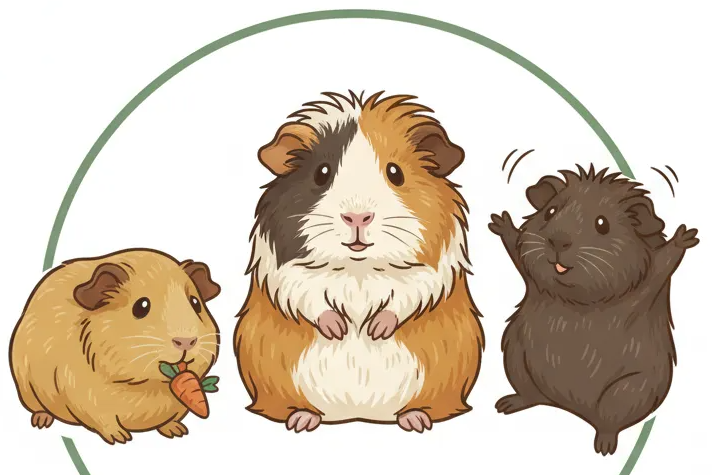
I’ve spent countless mornings with my own herd-Pepper, Clover, and Biscuit-double-checking bowls, concerned about overfeeding or leaving them hungry.
In this guide, I’ll break down exact daily portions, key factors like age and breed, spotting healthy eating habits, and my top bowl-filling strategies.
My hands-on years with guinea pigs give me the real-world scoop on keeping their diets perfectly balanced.
What Exactly Are Guinea Pig Pellets For?
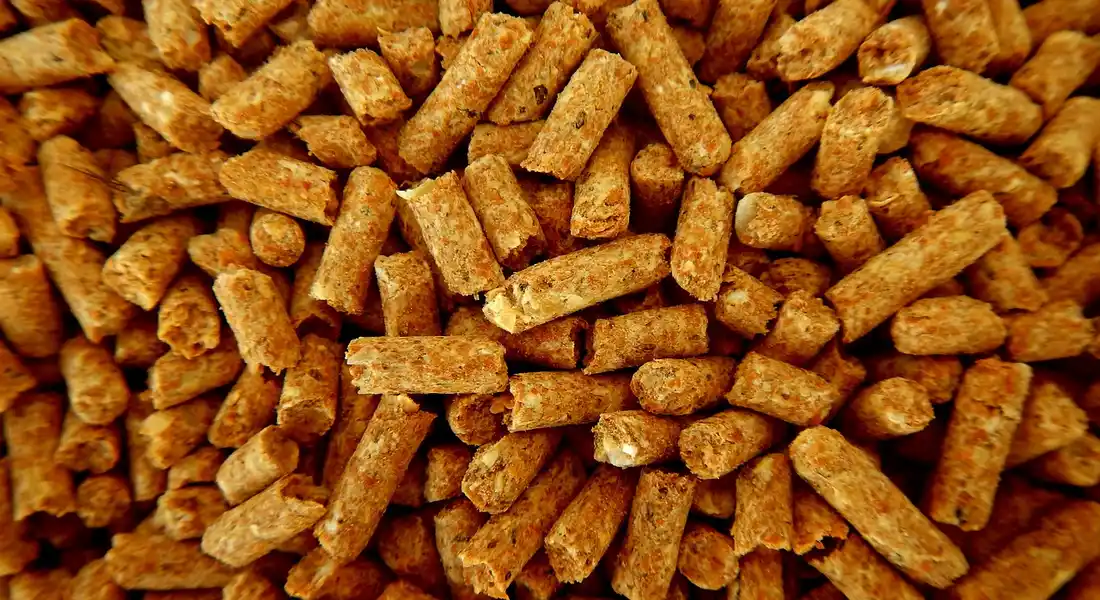
Think of pellets as a nutritional safety net. While hay should be the star of the show, pellets fill in the gaps. High-quality pellets are fortified with essential nutrients, especially stable vitamin C, which guinea pigs cannot produce on their own. They are a concentrated source of what might be missing from their hay and veggie buffet. You can look to a high-quality guinea pig pellets ingredient guide to compare ingredients and choose wisely.
From my experience, a good pellet keeps their diet consistent. Pepper, my steady American, thrives on this routine. Pellets are not the main course; they are the daily multivitamin that complements an endless supply of hay.
The Golden Rule: How Much to Feed Each Day
The general guideline is wonderfully straightforward. For most adult guinea pigs, offer about 1/8 cup of plain timothy-based pellets per pig, per day. That is roughly two level tablespoons. I use a small measuring scoop to keep it honest for my trio. That amount should be fed daily to keep routines consistent. Try to feed at roughly the same time each day to support steady digestion.
Here is how I manage portion size for my herd:
- Use a dedicated measuring spoon or cup, not a guess.
- Split the daily portion into two smaller feedings, morning and evening.
- Always scatter pellets in a clean, flat dish to prevent tipping.
Consistency with this small daily amount prevents selective eating and ensures everyone gets their share of nutrients. Biscuit, my reserved Peruvian, used to pick out only the tasty bits, but measured portions helped curb that habit.
A Quick Portion Guide Table
| Guinea Pig Life Stage | Daily Pellet Guideline | Key Notes |
|---|---|---|
| Young Pups (under 6 months) | Unlimited alfalfa-based pellets | Supports rapid growth; always with alfalfa hay. |
| Healthy Adults (over 6 months) | 1/8 cup timothy-based pellets | The standard for maintenance. Adjust for activity. |
| Pregnant/Nursing Sows | Unlimited high-quality pellets | Increased calories and calcium are vital. |
| Senior Piggies (5+ years) | 1/8 cup or slightly less | Monitor weight; prioritize soft hay if dental issues arise. |
Reading the Signs: Too Many or Too Few Pellets
Your guinea pig’s body and behavior will tell you if the portion is off. Regularly feeling your piggy’s ribs is the best hands-on check; you should feel them with a slight padding over them, like a back of a well-worn leather glove. During exercise, a happy, healthy guinea pig will move with energy and curiosity. Steady breathing and a confident gait are good signs of health during activity. Look for other clues like energy levels during floor time or changes in their droppings.
Risks of Overfeeding Pellets
Pellets are dense. Too many can lead to problems. Think of pellets as a concentrated supplement, not the main meal-that role belongs to hay.
- Obesity: A sedentary, overweight piggy is at risk for heart disease and arthritis. I noticed Pepper getting a bit round; cutting back on pellets helped him regain his playful trot.
- Picky Eating: They might ignore their hay, which is crucial for dental and digestive health. Clover once snubbed her hay for extra pellets, a habit we quickly corrected.
- Digestive Upset: An imbalance can disrupt their sensitive gut flora, leading to soft stools or bloating.
I learned this early when Clover started leaving her hay. Reducing pellets gently encouraged her back to her Timothy hay, which is non-negotiable for fiber intake. Now, I watch for that eager munching sound every morning.
Risks of Underfeeding Pellets
While rarer, not enough pellets can also cause issues. Pellets provide essential vitamins that hay and veggies alone might miss, especially for growing or senior piggies. In our review of the best guinea pig pellet brands, you’ll see how formulas differ. We’ll compare top options to help you choose the right pellet for your pig.
- Weight Loss: A sudden drop or bony feel is a red flag. When Biscuit was young, I monitored his weight weekly to ensure he got enough nutrients.
- Vitamin C Deficiency: Can lead to scurvy, causing lethargy and poor coat health. Fresh pellets with added vitamin C are a safety net.
- Lack of Essential Nutrients: Their overall immune support can weaken, making them prone to illness.
Choosing Pellets: It’s More Than Just a Crunch
Not all bags are created equal. Walking down the pet store aisle can be confusing. Your first ingredient should be a grass hay, like Timothy hay, not a cereal grain like corn or wheat. Avoid colorful mixes with seeds and nuts-they’re like junk food for piggies. These mixes can cause selective feeding where they pick out the tasty bits and leave the nutritious pellets behind.
My personal checklist for a good pellet, refined over years with Pepper, Clover, and Biscuit:
- Timothy Hay as First Ingredient: Essential for adult guinea pigs. Alfalfa-based pellets are for young, pregnant, or nursing piggies only.
- Fortified with Vitamin C: Check the guaranteed analysis for stabilized vitamin C, and note the expiration date-it degrades over time.
- Plain and Simple: No added yogurt drops, seeds, or colored pieces. These extras are unhealthy and can upset their stomachs.
- Fresh Smell: Pellets should smell like hay, not dust or chemicals. A musty odor means they’re stale and lost nutrients.
I’ve had great luck with plain, green timothy pellets from reputable brands; they keep my crew’s digestion smooth and their interest in hay high. To keep pellets fresh and nutrient-rich, store them in a sealed container away from light and heat. Store an open bag in a sealed container in a cool, dark place to preserve that vital vitamin C. I use an airtight bin in my pantry, away from sunlight.
The Bigger Picture: Pellets in a Balanced Diet
Pellets support your guinea pig’s health, but they aren’t the main event. An endless supply of grassy hay, like timothy or orchard grass, must dominate their diet, filling their bellies and their time. When choosing between timothy hay and alfalfa pellets, the right option depends on your guinea pig’s life stage. For most adults, timothy hay is the safer staple, with alfalfa pellets reserved for growing or pregnant pets. Fresh vegetables follow, with pellets as a tiny, measured supplement.
Picture their daily plate this way:
- Unlimited Hay: Always ready. It fuels foraging and files teeth.
- Fresh Veggies: Roughly a cup daily. Think bell peppers, leafy greens, and herbs.
- Pellets: Just that scant 1/8 cup per pig. It’s a nutrient boost, not a meal.
- Fresh Water: Clean water every day, no exceptions.
My guinea pigs, Pepper, Clover, and Biscuit, live by this rule. Their constant hay crunching mimics wild grazing, preventing dental spikes and digestive stalls. I see it as their most natural and vital job. That’s why hay is the backbone of their diet. It provides the fiber they need for steady digestion and helps wear down their teeth.
My Herd’s Routine: A Peek into Our Day
Mornings here begin with hay. I refill their rack before anything else. The sight of gentle Pepper burrowing into the fresh pile, her golden-brown fur rustling, sets a peaceful tone for the day. Next, I chop veggies-crisp romaine, sweet pepper slices-and place them in a dish. Finally, I measure out two tablespoons of pellets for their shared bowl.
Evenings bring a hay check and a light veggie treat. No extra pellets. This predictable schedule soothes their nerves and lets me spot appetite shifts fast. Reserved Biscuit often darts for pellets first, while thoughtful Clover approaches with graceful caution.
Your piggies have their own quirks and tastes. Start with these guidelines, then tweak amounts gently, keeping hay central and watching for joyful munching. Properly caring for guinea pigs means covering their diet, housing, and gentle handling. Consistent routines and daily observation help you spot needs early. Your dedicated care builds their trust and safeguards their welfare every single day.
FAQs
Can I buy quality guinea pig pellets at Walmart?
Yes, Walmart typically stocks various guinea pig pellet brands, but availability and quality can differ by location. It’s essential to read labels carefully, prioritizing pellets with timothy hay as the first ingredient and added vitamin C to ensure proper nutrition. Also be mindful of common harmful ingredients to avoid—avoid alfalfa-based pellets for most adult guinea pigs and pellets with excessive seeds or corn.
Is buying guinea pig pellets in bulk a good idea?
Purchasing pellets in bulk can save money, but only if you can use them before the expiration date to prevent vitamin C loss. Always store bulk supplies in a sealed, cool, and dark place to preserve freshness and avoid nutrient degradation.
Are Oxbow pellets recommended for guinea pigs?
Oxbow is a highly reputable brand known for producing plain, timothy-based pellets fortified with stabilized vitamin C, which aligns well with guinea pig dietary needs. Many veterinarians and experienced owners recommend Oxbow for its consistent quality and lack of unhealthy fillers like seeds or dyes.
Your Guinea Pig’s Daily Pellet Portions: A Clear Path Forward
Through years with my trio—Pepper, Clover, and Biscuit—I’ve seen that most adult guinea pigs thrive on about 1/8 cup of fortified pellets each day. Knowing their daily calorie requirements helps you balance portions across pellets, hay, and veggies for a healthy, steady weight. Pair this measured amount with the endless, sweet-smelling hay and crisp, colorful veggies they crave for a truly balanced plate.
True pet stewardship means always growing your knowledge and opting for earth-friendly choices, like pellets in minimal packaging. Your commitment to learning and sustainable habits builds a healthier, happier world for every little life in your care.
Further Reading & Sources
- How Much Pellets to Feed Guinea Pigs | Petme
- OX – How many pellets should I feed my young guinea pig? · Customer Self-Service
- r/guineapigs on Reddit: 1/8 cup or 1/4 cup of pellets for Guinea pig?
- Guinea pig feeding schedule and dietary needs | Humane World for Animals
Kate is a passionate guinea pig owner and advocate for small pet welfare. With over a decade of experience caring for guinea pigs, she has become a trusted voice in the small pet community.
Uncategorized