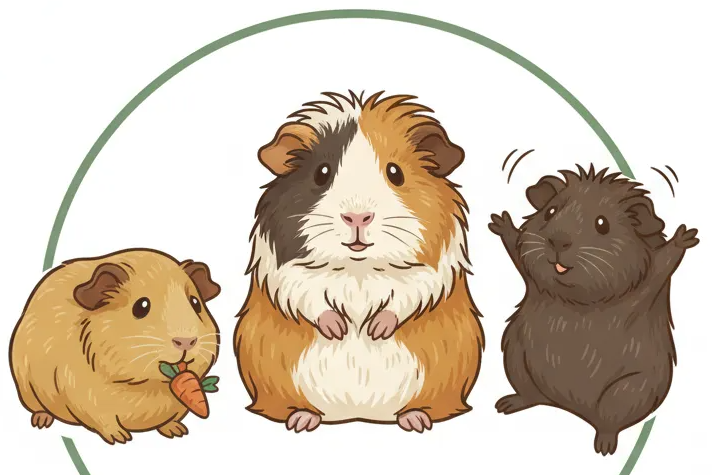
How Often Should You Feed Guinea Pigs?
Published on: January 24, 2026 | Last Updated: January 24, 2026
Written By: Kate M. Callahan
Hello CavyFam, are you unsure about the right feeding schedule for your guinea pigs? Many owners worry that overfeeding or underfeeding could harm their furry friends’ health.
In this article, I’ll break down the key aspects of guinea pig feeding, including:
- Daily feeding frequency and timing
- Proper portion sizes for hay, pellets, and veggies
- Signs your guinea pig is hungry or full
- Common mistakes to avoid for optimal health
With years of hands-on experience caring for my own guinea pigs like Pepper, Clover, and Biscuit, I offer reliable, practical advice to keep your pets happy and healthy.
The Gentle Rhythm of Daily Feeding
I feed my trio-Pepper, Clover, and Biscuit-at the same times every morning and evening. This predictable schedule creates a calm environment and helps prevent food aggression, especially in a multi-pig home like mine. Their internal clocks are incredibly precise, and they start “wheeking” with excitement right on cue.
Your feeding routine doesn’t need to be complex. A simple, consistent two-meal-a-day plan works beautifully.
- Morning (around 7-8 AM): A fresh handful of leafy greens, a small portion of fortified pellets, and a thorough refresh of their hay.
- Evening (around 5-6 PM): Another serving of vitamin C-rich vegetables and a final check that their hay rack is full for the night.
I always remove any uneaten fresh food after an hour to keep their habitat clean and prevent spoilage. Observing them during these meals lets me monitor each one’s appetite, which is a vital early warning sign for their health. Gentle Clover always eats steadily, while thoughtful Biscuit takes her time, a personality quirk I’ve learned to appreciate.
Unlimited Hay: The Heartbeat of Their Diet
If you remember only one rule from this article, let it be this: your guinea pig must have access to unlimited, high-quality grass hay 24/7. Hay is not just food; it’s the fundamental tool for their digestive health and dental wear. Their teeth grow continuously, and the constant chewing grinds them down naturally. Proper guinea pig care involves more than just hay, though. It includes a balanced diet, a clean living space, social interaction, and regular health checks.
I keep multiple hay racks full at all times for my herd. The sound of them munching is the comforting background noise of a healthy guinea pig home.
Not all hay is the same. Here is a simple guide to the types I use for Pepper, Clover, and Biscuit.
- Timothy Hay: This is the gold standard for adult guinea pigs. Its high fiber and low calcium content make it perfect for daily digestion. This is the main hay in my pigs’ diet.
- Orchard Grass Hay: A great alternative if someone in your household has allergies, as it’s softer and less dusty. My graceful Clover seems to prefer its texture.
- Alfalfa Hay: Reserve this for young, growing pups or pregnant/nursing sows. It’s too rich in calcium and protein for healthy adults and can lead to health issues.
A pile of fresh, fragrant hay does more than nourish; it provides essential mental stimulation and enrichment. They love to burrow in it, hide in it, and of course, eat it all day long. Never let that hay rack get empty.
Your Guinea Pig’s Daily Feeding Schedule
Morning Feeding Rituals
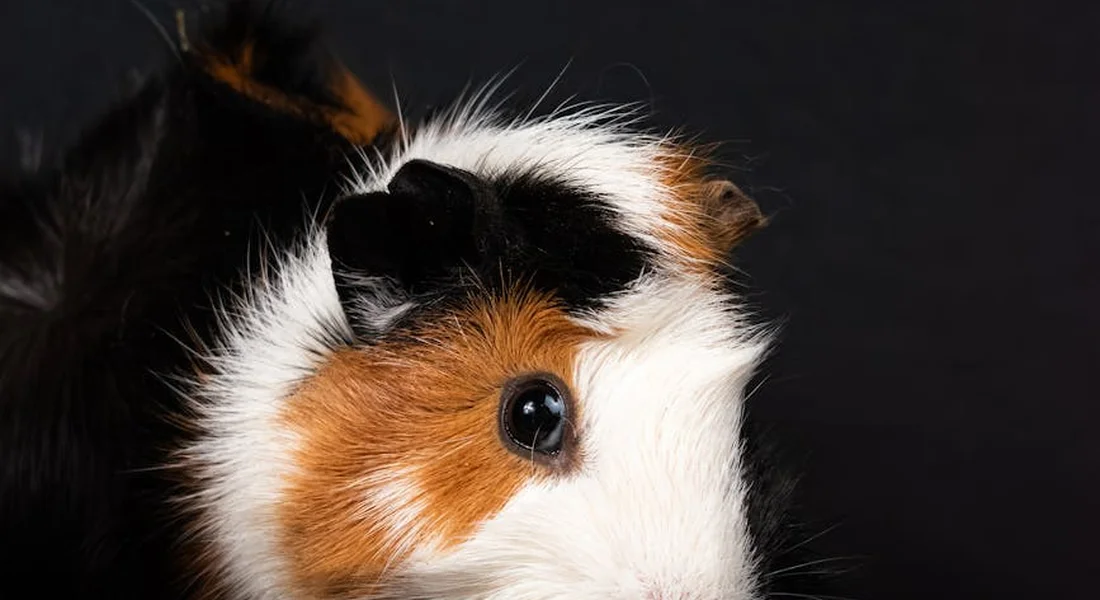
I start every morning by listening for the happy wheeks from Pepper, Clover, and Biscuit-their breakfast chorus is my favorite alarm clock. Your first task is to remove any uneaten fresh food from the previous evening to keep their habitat clean and prevent spoilage. Begin with a generous refill of their primary timothy hay; a fresh, fragrant pile encourages natural foraging all day long.
Next, offer a measured portion of high-quality guinea pig pellets. I use a small ceramic dish to prevent tipping. Always check that their water bottle is full and functioning properly, as hydration is just as vital as food. Finally, present a small, colorful salad of leafy greens like romaine lettuce and a slice of vitamin C-rich bell pepper to kickstart their day.
Evening Feeding for a Peaceful Night
The evening feed is our quiet bonding time. I find my trio is most calm and receptive then. A consistent evening routine signals that it’s time to wind down, reducing nighttime anxiety and promoting rest. First, I do another quick spot-clean and top up their hay rack-guinea pigs digest best with a constant supply of hay, especially overnight.
I offer a second, smaller portion of pellets, about half the morning amount. For their final fresh food of the day, I choose gentle, easy-to-digest options like a cilantro sprig or a cucumber slice to avoid any tummy upset while they sleep. This light supper helps ensure they have a full, peaceful night without digestive discomfort.
Tailoring the Schedule by Age and Need
Not all guinea pigs have the same nutritional requirements. From my experience raising Pepper, Clover, and Biscuit—all different ages—I’ve learned to adjust their care. Young guinea pigs under six months need unlimited alfalfa-based pellets for growth, while adults over one year require limited timothy-based pellets to prevent obesity. That broader, ideal overall diet for a healthy guinea pig includes constant access to hay, fresh vegetables, and clean water. Balancing these with age-appropriate pellets supports growth, dental health, and weight management.
Feeding Young Guinea Pigs
Biscuit, my one-year-old Peruvian, was a growing machine. Babies and juveniles are building bone and muscle, so they need constant access to both alfalfa hay and pellets for extra calcium and protein. Their tiny bodies burn energy fast, so don’t restrict their food at this life stage.
Feeding Adult Guinea Pigs
My steady, two-year-old Pepper and graceful, three-year-old Clover are perfect examples of healthy adults. For guinea pigs aged one to six years, focus on a diet of unlimited timothy hay, one-eighth cup of timothy-based pellets daily, and about one cup of fresh vegetables. Monitor their weight regularly and adjust pellet portions if you notice any gain.
Feeding Senior Guinea Pigs
As guinea pigs enter their golden years, their metabolism slows and their teeth may wear down. Softer hay, like second-cut timothy, and finely chopped vegetables can make eating easier for older pigs with dental issues. Keep a close eye on their water intake and weight, as changes can be the first sign of health concerns. Regular dental care, including periodic checkups and, if needed, trimming by a veterinarian, helps prevent painful malocclusions. Also, providing safe chew items supports ongoing dental health and tooth wear management.
Portion Control with Pellets and Veggies
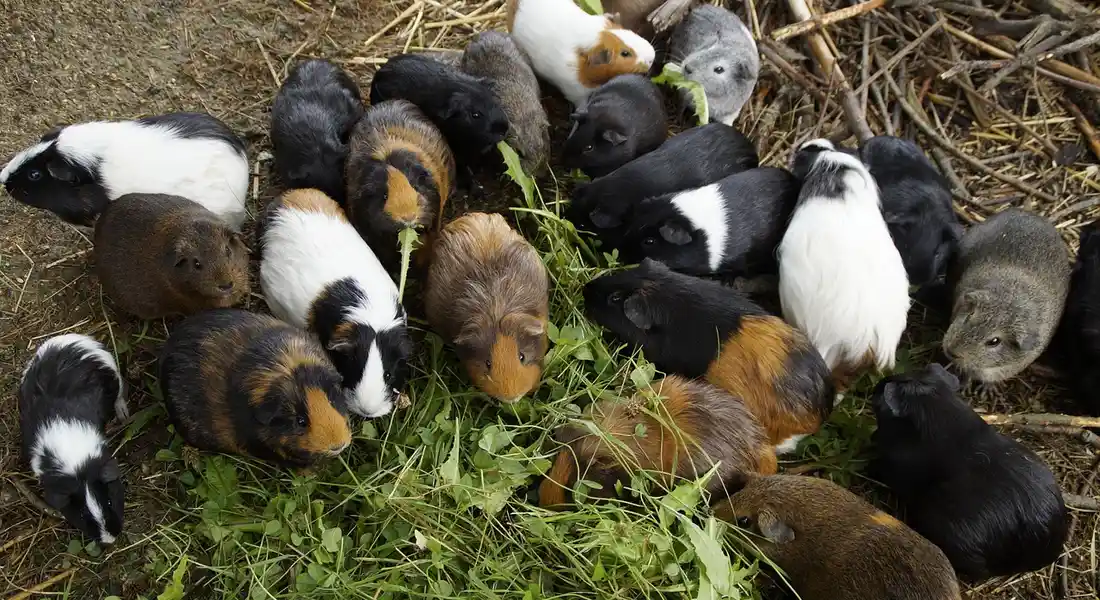
Getting the right mix of pellets and fresh veggies keeps your guinea pigs healthy and happy. I always measure portions carefully to prevent obesity, which I’ve seen lead to joint issues in older pigs like Clover. Overfeeding pellets can crowd out hay, their main food source.
Pellets: The Daily Staple
Guinea pig pellets should be high in fiber and vitamin C, but given in small amounts. For my trio-Pepper, Clover, and Biscuit-I stick to about 1/8 cup per pig each day, split into morning and evening feedings. Guinea pigs can’t synthesize vitamin C, so a daily intake is essential. Most guidelines suggest a small daily amount (roughly 10-20 mg per pig, depending on size) that you can meet through fortified pellets and vitamin C-rich veggies. This routine mimics their natural grazing and stops them from gorging.
- Choose timothy hay-based pellets for adult guinea pigs to support dental health.
- Avoid mixes with seeds or colorful bits; they’re often high in sugar and low in nutrition.
- Store pellets in a cool, dry place to preserve freshness and vitamin C content.
Veggies: Fresh and Varied
Fresh vegetables provide essential vitamins and hydration. I aim for one cup of veggies per guinea pig daily, focusing on leafy greens like romaine lettuce and bell peppers for vitamin C. Understanding the daily calorie requirements for guinea pigs helps tailor portions. Rotate types to keep meals exciting and balanced.
- Start with safe staples: cilantro, cucumber, and carrots in small pieces.
- Introduce new veggies slowly to watch for digestive upsets, as I did with Biscuit’s sensitive stomach.
- Wash all produce thoroughly to remove pesticides that could harm your pets.
Watching Pepper eagerly munch on crunchy peppers reminds me how variety enriches their diet. Always remove uneaten veggies within a few hours to prevent spoilage and bacteria growth.
Observing Your Guinea Pig’s Feeding Behavior
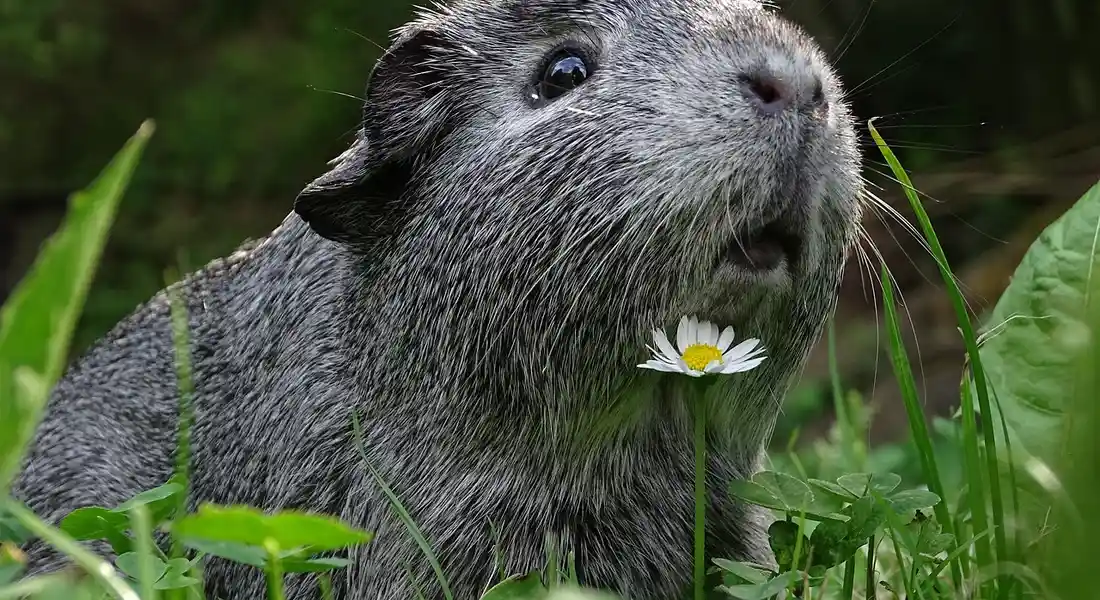
Paying attention to how your guinea pigs eat tells you a lot about their health. I spend time each day watching Pepper, Clover, and Biscuit during meals to spot any changes early. Sudden shifts in appetite can signal stress or illness. Monitoring eating patterns can also help you tell if your guinea pig is stressed or anxious.
Signs of Healthy Eating
A content guinea pig eats steadily and interacts with food enthusiastically. You’ll hear gentle chewing sounds and see them nuzzle their bowls, much like Clover’s graceful nibbling on hay. That pattern is a good example of what normal guinea pig eating habits look like. In healthy individuals, they eat steadily, nibble a variety of hay, and finish most pellets and vegetables without leaving much behind.
- Look for consistent weight; use a small scale weekly to track it.
- Notice bright eyes and active behavior during feeding times.
- Check that they’re drinking water regularly, especially with dry pellets.
Red Flags to Watch For
Changes in eating habits need quick action. If your guinea pig stops eating or shows disinterest, it could mean dental pain or digestive issues, which I’ve handled with Biscuit’s reserved nature. Watch for these warning signs. Severe signs can escalate quickly toward death without prompt care. Remember, guinea pigs don’t hibernate, but extreme lethargy or a cold, unresponsive pig is a critical sign that requires urgent veterinary attention.
- Weight loss or gain: Use your hands to feel their body condition often.
- Uneaten food: Leftover pellets or veggies might indicate boredom or health problems.
- Unusual noises: Wheezing or teeth grinding can point to discomfort.
Gentle handling helps you notice subtle cues, like how Pepper’s steady personality makes him a reliable eater. Trust your instincts-you know your pets best, and early intervention can prevent bigger issues.
When Meals Need Special Care
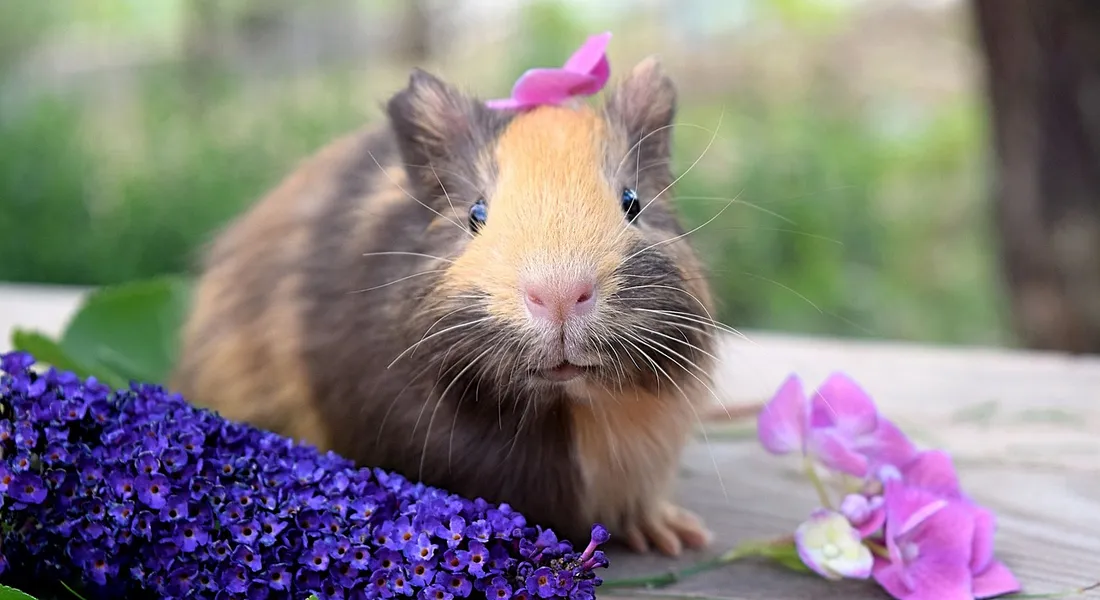
While a consistent daily routine is the bedrock of good guinea pig care, life isn’t always predictable. There are specific times in a guinea pig’s life when their feeding schedule and diet require a more watchful eye and a gentle adjustment. As they grow, you should expect shifts in their needs at each life stage—from youngster to adult to senior. Understanding these stage-by-stage changes helps you keep them healthy and happy. I’ve had to navigate a few of these situations with my own herd, and being prepared makes all the difference.
Adjusting for Age and Life Stage
Just like humans, a guinea pig’s nutritional needs change as they grow. Their tiny bodies have different demands at various life stages.
- Young Pups (Under 6 months): These little ones are growing rapidly and need constant fuel. I always made sure my Peruvian, Biscuit, had unlimited access to alfalfa hay and a high-quality alfalfa-based pellet formula during his first year. This provides the extra calcium and protein necessary for building strong bones and a healthy body.
- Healthy Adults (1-5 years): For pigs like my steady Pepper and graceful Clover, maintenance is the goal. I switched them to timothy hay and a timothy-based pellet to prevent unhealthy weight gain and excess calcium intake. The focus shifts from growth to sustaining a healthy weight and organ function.
- Senior Piggies (5+ years): Older guinea pigs may have worn-down teeth or be less active. You might need to soften their pellets with a little water or offer more easily chewable veggies. Monitoring their weight weekly becomes critical to catch any slow decline that signals a deeper issue.
Feeding During Illness and Recovery
A sick guinea pig is a serious matter. They have fast metabolisms and cannot go long without food.
- Watch for Appetite Loss: The first sign of trouble is often a refusal to eat. If my usually hungry Clover turns her nose up at cilantro, I know something is wrong.
- Syringe Feeding is a Lifesaver: If your pig stops eating, you must step in. I’ve had to syringe-feed a critical care mix to Biscuit when he was unwell. This specially formulated mash provides essential nutrients and keeps their gut moving, which is vital for recovery.
- Offer Favorite Hydrating Foods: Cucumber and watery lettuce can help maintain hydration. Always consult your vet for a proper diagnosis and feeding plan.
Special Considerations for Pregnancy
A pregnant sow has dramatically increased nutritional needs to support her growing babies.
- She will need more pellets and should be switched back to an alfalfa-based formula for the extra calcium.
- Her vegetable portions should be increased slightly, focusing on calcium-rich options like parsley.
- Most importantly, ensure she has unlimited, high-quality hay available at all times to support her and her litter.
Quick Guide: Diet Adjustments for Special Circumstances
| Situation | Primary Hay | Pellet Type | Key Action |
|---|---|---|---|
| Young Pups (Under 6 mos) | Alfalfa | Alfalfa-based | Unlimited pellets & hay for growth |
| Pregnancy | Alfalfa & Timothy Mix | Alfalfa-based | Increase portions; monitor weight |
| Illness/Recovery | Timothy (or favorite) | Normal (or Critical Care) | Syringe feed if not eating |
| Senior (5+ years) | Timothy or Orchard Grass | Timothy-based | Soften food if needed; weekly weigh-ins |
Common Questions
What should be included in a guinea pig feeding chart?
A comprehensive chart should list daily timothy hay, measured pellets, and fresh vegetable portions. It also helps to note which foods to avoid to prevent health issues.
Is there a specific guinea pig feeding time that works best?
Feeding at consistent times, such as morning and evening, helps establish a secure routine for your pets. This schedule aligns with their natural grazing behavior and helps you monitor their daily appetite.
What does a complete guinea pig feeding guide cover?
A thorough guide details the types of hay, pellets, and safe vegetables for a balanced diet. It also explains how to adjust this plan for different life stages, from young pups to seniors.
What are some common guinea pig feeding behaviours to watch for?
Healthy behaviours include enthusiastic wheeking at meal times and steady consumption of hay throughout the day. Changes like food refusal or selective eating can be early signs of dental or health problems.
When is syringe feeding necessary for a guinea pig?
Syringe feeding is a critical supportive care measure when a guinea pig stops eating due to illness or recovery from surgery. It provides essential nutrition and helps keep their digestive system functioning.
Your Guinea Pig Feeding Plan
Stick to a consistent schedule of twice-daily meals, pairing high-quality hay with a measured portion of fresh veggies. This simple routine supports their digestive health and keeps their energy levels stable throughout the day.
Being a great guinea pig parent means committing to lifelong learning about their needs and choosing eco-friendly options when possible. This emotional commitment to guinea pigs is evident in daily care, consistent routines, and gentle, patient interaction that builds trust with your pets. Your dedication to their well-being ensures your furry friends live a happy, healthy, and enriched life.
Further Reading & Sources
- Guinea pig feeding schedule and dietary needs | Humane World for Animals
- What To Feed a Guinea Pig | RSPCA – RSPCA – rspca.org.uk
- Guinea pig feeding schedule: Tips for a balanced diet
- Guinea Pig Care: Ultimate Feeding & Diet Guide | GuineaDad
Kate is a passionate guinea pig owner and advocate for small pet welfare. With over a decade of experience caring for guinea pigs, she has become a trusted voice in the small pet community.
Uncategorized