How to Trim Guinea Pig Nails Safely and Painlessly
Published on: January 29, 2026 | Last Updated: January 29, 2026
Written By: Kate M. Callahan
Hello CavyFam! Does the thought of trimming your guinea pig’s nails make your heart race? You’re not alone-many pet parents worry about accidentally hurting their furry companions during nail care.
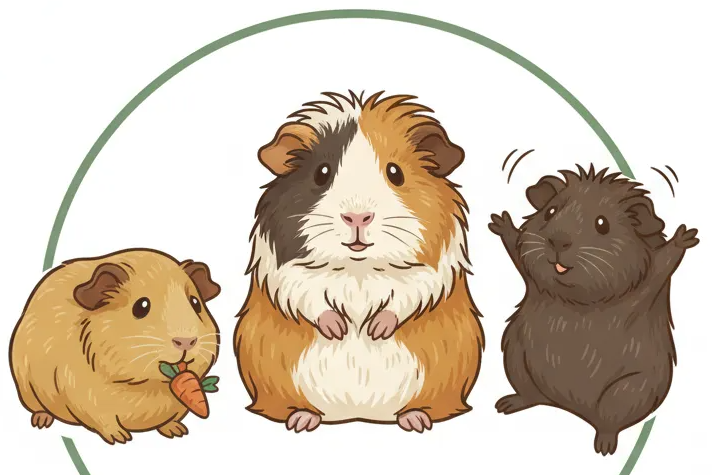
In this guide, I’ll walk you through selecting the best tools, preparing your guinea pig, step-by-step trimming techniques, handling mistakes, and post-trim care to ensure a smooth experience. As someone who’s cared for guinea pigs like gentle Pepper, graceful Clover, and intelligent Biscuit for years, I’ve refined methods that keep nail trims stress-free and safe for everyone involved.
Why Nail Trimming Is Crucial for Guinea Pig Health
Overgrown nails can cause your guinea pig significant pain and mobility issues. When nails grow too long, they can curl under the foot, putting pressure on the toe joints and making every step uncomfortable. This is something I’ve seen firsthand with my own pig, Biscuit, who started walking a little gingerly before I realized his nails needed attention.
Untrimmed nails are also prone to breaking or splitting, which can lead to bleeding and potential infection. A sudden break is painful and stressful for your pet, turning a simple grooming task into an emergency vet visit. Keeping nails at a proper length prevents these painful accidents from happening.
Long nails can also get caught on fabrics, cage wires, or other objects in their environment. A snagged nail can lead to a serious injury if your guinea pig panics and tries to pull away, potentially tearing the nail or worse. Regular trims keep your pet safe from these frightening and painful snags. To avoid common grooming mistakes, trim nails gradually with proper clippers, and if you’re unsure, consult a veterinarian or professional groomer.
Essential Tools for Safe and Effective Nail Trimming
Choosing the Right Nail Clippers
The wrong tool can make nail trimming a scary experience for both of you. Using clippers designed for small animals gives you the control and precision needed for a safe, clean cut. I’ve tried using human nail clippers in a pinch, and it’s far less precise and more likely to crush the nail.
You have a couple of excellent options designed specifically for the job:
- Small Animal Nail Scissors: These have a curved blade that fits neatly around the guinea pig’s nail. I prefer these for my pigs, Pepper and Clover, as they offer great visibility of the quick.
- Guillotine-Style Clippers: These work by sliding the nail through a hole and pressing a blade down. They provide a very quick cut but can be trickier to position correctly.
Safety Supplies You Should Always Have
Even with the most careful technique, accidents can happen. Having a styptic powder or gel on hand is non-negotiable for stopping bleeding quickly if you accidentally nick the quick. I keep mine right in the grooming kit so it’s never out of reach during a trim.
Beyond the emergency supplies, a few other items will make the process smoother and safer:
- A Small Towel: Gently wrapping your guinea pig in a towel helps keep them secure and prevents sudden movements. It also provides a comforting sense of being held.
- A Bright Light: A good light source, like a small lamp or a phone flashlight, is essential for clearly seeing the pink quick inside light-colored nails.
- High-Value Treats: Having their favorite veggies ready helps create a positive association. I always have some cucumber or bell pepper slices ready for my trio after their pedicure.
Preparing Your Guinea Pig and Environment for a Calm Experience
Setting Up a Peaceful Trimming Space
Choose a quiet room with minimal distractions, away from loud televisions or other pets.
A calm environment helps your guinea pig feel secure and reduces their urge to squirm.
Place a small, non-slip towel on a sturdy table to give your pet stable footing.
Ensure you have excellent lighting so you can clearly see every tiny nail.
Gather all your supplies beforehand-clippers, a styptic powder like Kwik Stop, and a favorite veggie treat.
How to Handle Your Guinea Pig Gently
Speak to your guinea pig in a soft, reassuring voice as you pick them up.
Always support their entire body, cradling their hindquarters securely in one hand while the other supports their chest.
I find that holding Pepper against my chest helps him feel my heartbeat and stay calm.
For nail trimming, you can gently place them on the toweled surface, keeping one hand resting lightly on their back.
If they seem nervous, offer a small piece of cilantro or lettuce to build positive associations.
Step-by-Step Guide to Trimming Guinea Pig Nails Safely
Identifying the Quick to Avoid Injury
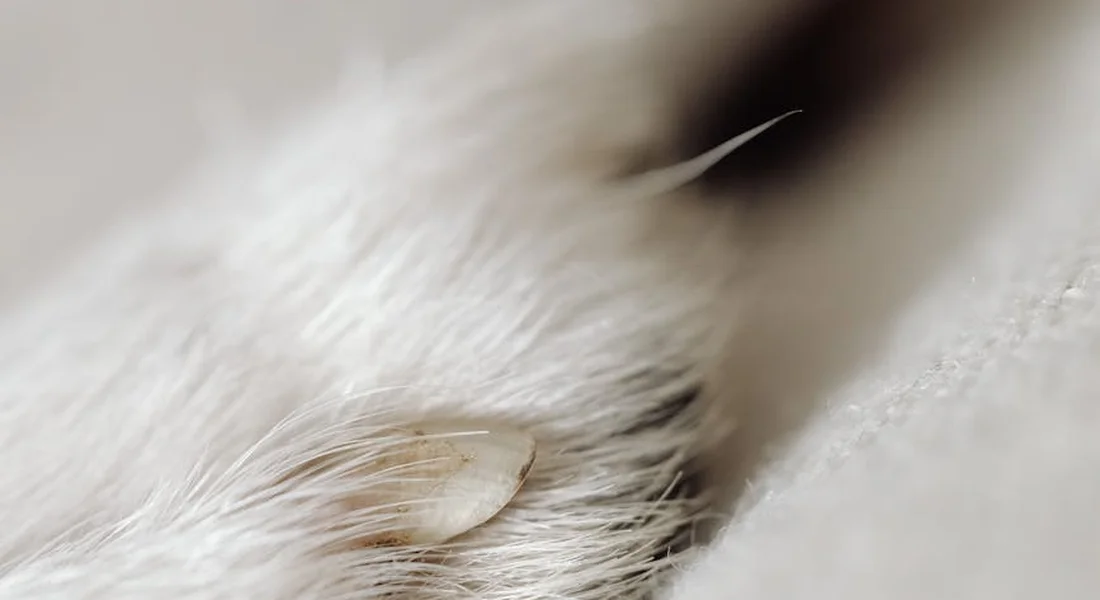
The quick is the pink, blood-filled vein running inside the nail.
Cutting into the quick is painful for your pet and will cause bleeding, so identifying it is your top priority.
In guinea pigs with light-colored nails like Biscuit, the quick is usually easy to spot.
For dark-nailed piggies like Clover, shine a small flashlight from underneath the nail to see the quick’s shadow.
When in doubt, trim just the very tip of the nail to be safe.
Making the Cut: Technique and Timing
Hold the paw firmly but gently, isolating one toe at a time.
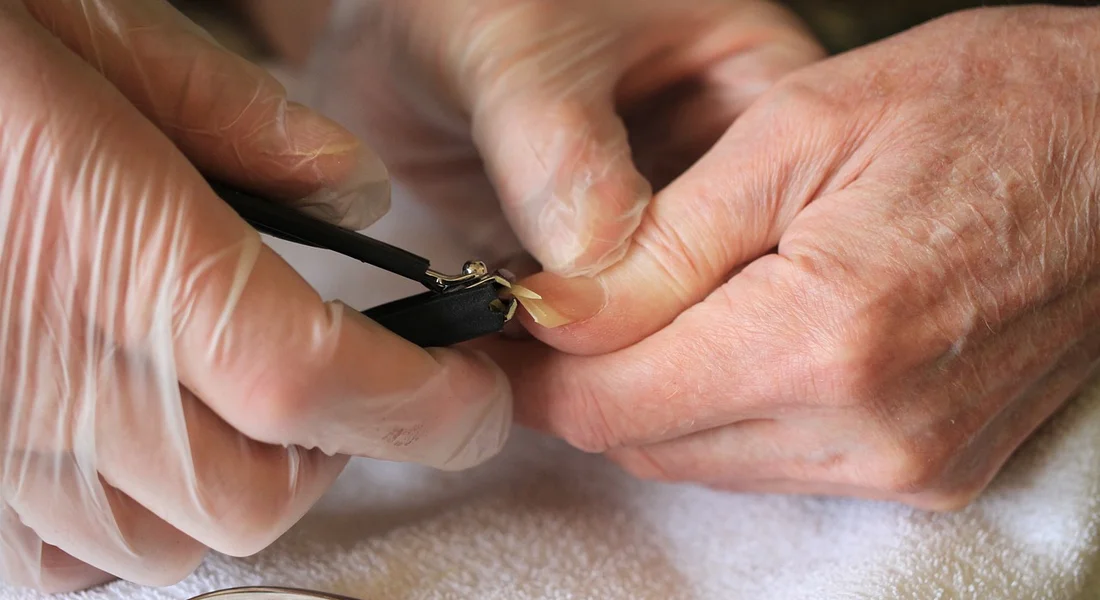
Position your clippers perpendicular to the nail and make a single, clean cut well before the quick.
Aim to take off only the sharp, hook-like tip of the nail.
If your guinea pig becomes too stressed, stop and try again later-never force a full trim in one session.
I’ve had great success trimming a few nails at a time while Clover is comfortably munching on a treat.
Safety Tips to Prevent Accidents and Stress
Keeping your guinea pig calm during nail trims makes the process smoother for both of you. Always work in a quiet, well-lit area where your pet feels secure, and have all your tools ready before you start. I learned this the hard way with my guinea pig Pepper, who gets anxious if there are sudden noises or movements. Using a non-slip surface, like a towel on a table, helps prevent slips and keeps your pet steady. This is a natural part of a guinea pig grooming guide, which also covers safe bathing and coat care. Together, nail trimming, gentle brushing, and occasional bathing help keep your pig comfortable and well-groomed.
Recognizing When Your Guinea Pig Is Uncomfortable
Guinea pigs give clear signals when they’re stressed, and spotting them early can prevent accidents. Watch for subtle changes in body language, like flattened ears or rapid breathing, which indicate it’s time to take a break. From caring for Biscuit, I’ve seen that if she starts fidgeting or trying to hide her paws, she’s telling me she’s had enough. If you’re wondering how to tell if your guinea pig is stressed or anxious, these cues can help you spot it early. Here are common signs of discomfort to look for:
- Whining or loud squeaking sounds
- Stiffening their body or pulling away suddenly
- Rapid eye movements or wide, staring eyes
- Tucking their head or trying to burrow into your hand
If you notice any of these, stop trimming and offer a small treat or gentle petting to reassure them. Pushing through discomfort can lead to scratches or a scared pet, so patience is your best tool.
What to Do If You Accidentally Cut the Quick
Even with care, nicking the quick-the blood vessel inside the nail-can happen, but it’s manageable if you stay calm. Having a first-aid kit with styptic powder or cornstarch on hand lets you act quickly to stop bleeding and ease pain. I remember once with Clover, I clipped too close, and seeing the blood made me panic, but a swift response prevented any lasting harm.
First Aid for Nail Bleeds
If bleeding occurs, don’t panic-your guinea pig will pick up on your stress. Apply gentle pressure with a clean cloth or cotton ball dipped in styptic powder to the nail tip for about 30 seconds. This helps clot the blood and soothe the area. Follow these steps for effective first aid:
- Hold your guinea pig securely but gently to prevent sudden movements.
- Dab the bleeding nail with styptic powder or a pinch of cornstarch from your kitchen.
- Keep pressure applied until the bleeding stops, which usually takes less than a minute.
- Offer a favorite veggie treat, like a carrot slice, to distract and reward them.
Afterward, monitor the nail for signs of infection, such as swelling or redness, and avoid trimming that nail for a week or two. This experience taught me that quick action and a calm demeanor can turn a scary moment into a learning opportunity.
Incorporating Nail Care into Your Regular Grooming Routine
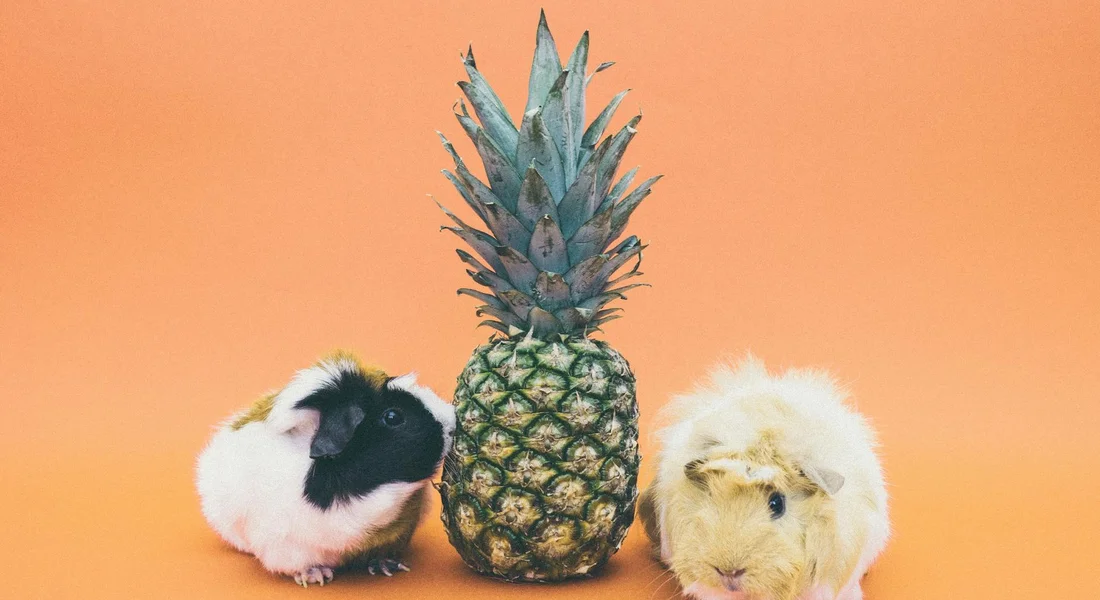
Making nail trimming a part of your guinea pig’s regular grooming helps prevent overgrowth and keeps them comfortable. I’ve found that integrating this into weekly check-ups with my guinea pigs—Pepper, Clover, and Biscuit—makes it feel less stressful for both of us. This routine can make nail trimming less stressful for your guinea pig. With a calm, reward-filled approach, you can keep sessions brief and positive. Start by gently handling their paws during calm moments to build trust over time.
How Often to Trim for Optimal Health
Guinea pig nails grow continuously, so trimming frequency varies based on their lifestyle and individual needs. For optimal health, aim to check nails every two weeks and trim as needed, typically every 3 to 4 weeks for most pets. In my experience, Pepper’s nails grow slower due to his steady nature, while Clover’s active personality means I trim hers more often to avoid curling.
- Young or highly active guinea pigs may need trims less frequently, as movement naturally wears nails down.
- Older or less mobile pets, like Biscuit, often require more regular care to prevent discomfort or injury.
- Monitor nail length by looking for a slight curve; if nails touch the ground when walking, it’s time for a trim.
Building a Positive Nail Trimming Habit
Creating a positive routine reduces fear and makes nail care easier for you and your guinea pig. I always use treats and gentle praise during sessions, which helps my guinea pigs associate trimming with good experiences. By watching how they groom themselves and each other, you can read their grooming cues. This helps support social bonding during nail care. Start with short, calm practices to build confidence gradually.
- Choose a quiet, well-lit area and have your supplies ready-clippers, styptic powder, and favorite veggies.
- Hold your guinea pig securely but gently, offering a small reward like a carrot piece to keep them relaxed.
- Trim just the tip of each nail, avoiding the quick (the pink part inside), and stop if they show signs of stress.
- End each session on a positive note with extra cuddles or playtime to reinforce good behavior.
Over time, this habit becomes a bonding activity that supports their well-being. With patience, even reserved guinea pigs like Biscuit can learn to tolerate and even enjoy nail care sessions.
FAQs
What is a guinea pig nail trimming service?
A guinea pig nail trimming service is offered by professionals like veterinarians or exotic pet groomers to safely trim your pet’s nails. This option is ideal if you’re uncomfortable doing it yourself or if your guinea pig is particularly wiggly. Seek professional grooming when your guinea pig is stressed or difficult to handle during trimming. A vet or experienced groomer can advise on a safe trimming schedule and help prevent nail injury.
How much does guinea pig nail trimming cost?
The cost for guinea pig nail trimming typically ranges from $10 to $25 per session, depending on your location and the provider. Some vet clinics may include it in a wellness visit, while groomers might charge separately for the service. When budgeting guinea pig care, include nail trims as a regular, predictable expense in a realistic monthly and annual breakdown. This helps you allocate funds for grooming alongside food, housing, and vet care.
Where can I find guinea pig nail trimming near me?
You can locate guinea pig nail trimming services by contacting local veterinary offices that treat exotic pets or searching for pet groomers specializing in small animals. Online directories and community pet groups often list providers in your area. For focused guinea pig care, look for an exotic veterinarian near you who treats small mammals. They can advise on nail trimming and safe handling.
Are there books on guinea pig nail trimming?
Yes, books on guinea pig care often include detailed sections on nail trimming techniques and safety tips. Look for titles like “The Guinea Pig Handbook” or guides focused on small animal grooming for step-by-step instructions. When choosing guides, look for sections that compare grooming needs for short-haired versus long-haired breeds, since coat length influences brushing frequency and trimming approaches. This helps you tailor care to your specific guinea pig’s coat length.
What are guinea pig nail trimming mats?
Guinea pig nail trimming mats are non-slip surfaces designed to keep your pet secure and calm during grooming. Using a mat can help prevent slips and reduce stress, making the trimming process smoother for both of you.
Your Guinea Pig’s Happy Feet
Always use sharp, pet-safe clippers and keep your guinea pig calm with gentle handling to avoid cutting the quick. Regular trims every few weeks prevent overgrowth and keep your pet comfortable and mobile. Having an essential grooming tools supplies checklist on hand helps you stay prepared for every session. A basic list should include pet-safe clippers, a soft brush, nail clippers, towels, and treats to keep your guinea pig calm during grooming.
Responsible pet care means staying curious about eco-friendly bedding and toys that support animal welfare. I’ve learned from my guinea pigs, Pepper, Clover, and Biscuit, that small, sustainable choices make a big difference in their health and happiness.
Further Reading & Sources
- Step-by-Step Guide on How to Cut Your Guinea Pig’s Nails | GuineaDad
- r/guineapigs on Reddit: How do you cut your guinea pigs nails without him screaming and crying? Is it normal for their nails to bleed while cutting their nails?
- How to Cut a Guinea Pig’s Nails? The Complete Guide
- Guinea Lynx :: Nail Clipping
Kate is a passionate guinea pig owner and advocate for small pet welfare. With over a decade of experience caring for guinea pigs, she has become a trusted voice in the small pet community.
Uncategorized