Guinea Pig Teeth: How Many, Dental Health, and Care
Published on: February 7, 2026 | Last Updated: February 7, 2026
Written By: Kate M. Callahan
Hello CavyFam! Dental problems can sneak up on guinea pigs and cause serious pain if left unchecked. You might be curious about how many teeth they actually have or how to spot early warning signs.
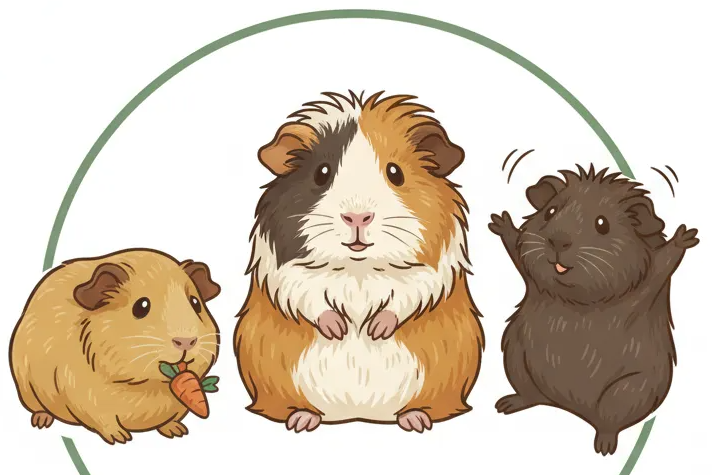
I will walk you through how many teeth guinea pigs have, their dental health, and proper care routines. My years of experience with guinea pigs like Pepper, Clover, and Biscuit have taught me the importance of proactive dental care for their happiness and health.
Guinea Pig Dental Anatomy: How Many Teeth and What Types?
Guinea pigs have exactly 20 teeth in their mouths, which include both incisors and molars designed for their herbivorous diet.
- Incisors: 4 total-2 on the top and 2 on the bottom-used for snipping and cutting fibrous foods like hay and vegetables.
- Molars: 16 total-8 upper and 8 lower-positioned further back to grind food into smaller, digestible pieces.
Imagine their mouth like a tiny processing plant: the incisors act as precise clippers up front, while the molars work as grinders in the rear.
From my experience caring for guinea pigs like Pepper and Clover, I’ve seen how their tooth placement allows them to efficiently handle a variety of foods, which is key to their overall health. An ideal overall diet for a healthy guinea pig centers on constant access to hay, plus fresh greens and a small amount of fortified pellets to ensure vitamin C. This combo supports dental wear and digestion while helping them stay active and content.
Guinea pigs are born with a full set of teeth because they start nibbling on solid foods within hours of birth, unlike many other pets. The teeth themselves are a key part of guinea pig anatomy, with continually growing incisors and complex cheek teeth that help them chew tough plant material.
This early development supports their rapid growth and helps them thrive without relying solely on milk, making proper dental care essential from day one.
Why Guinea Pig Teeth Never Stop Growing
Guinea pig teeth grow continuously throughout their lives, a trait known as elodont dentition, which is common in rodents to handle constant wear from their rough diet.
This endless growth is vital because it prevents their teeth from wearing down too quickly from chewing abrasive materials like hay and pellets.
Natural wear occurs through daily abrasion as they munch on fibrous foods, keeping the teeth at a healthy length.
- Chewing hay: The primary source of abrasion that files down teeth evenly.
- Eating hard vegetables: Items like carrots add extra grinding action.
- Gnawing on safe toys: Provides additional wear to prevent overgrowth.
In my years with guinea pigs, including Biscuit, I’ve learned that without enough fibrous food, their teeth can overgrow, leading to painful issues like malocclusion where teeth misalign and cause eating difficulties.
Risks of overgrown teeth include mouth sores, weight loss, and infections, so regular monitoring and a proper diet are non-negotiable for their welfare.
Always provide unlimited hay and check their teeth during handling to catch problems early and ensure your pet stays comfortable and healthy.
Spotting Dental Problems: Early Signs and Symptoms

-
Watch for common indicators like teeth chattering, grinding, or shifts in eating patterns. Any change in how your guinea pig chews or interacts with food can be a red flag for dental distress. If you have multiple guinea pigs, food aggression can disrupt mealtimes. To keep meals peaceful, use separate feeding spots or scheduled meal times and supervise feeding interactions.
-
Understand what behaviors mean: chattering often signals excitement or hunger, but if it happens during sleep, it might point to pain. With Clover, her graceful demeanor meant chattering was rare, so when I heard it at night, I knew to investigate further for discomfort.
-
Look for visual cues such as oral ulcers, misaligned teeth, or swelling around the mouth. Regular checks help you spot issues like redness or uneven wear before they worsen.
Common Dental Issues in Guinea Pigs
Malocclusion and Overgrown Teeth
-
Malocclusion is the misalignment of teeth, often affecting molars and incisors, leading to improper wear. This condition can make eating painful and cause long-term health declines if untreated.
-
Causes include a diet low in fibrous hay or genetic factors, like in some breeds. I’ve found that providing unlimited timothy hay for Pepper and Biscuit helps mimic their natural grinding needs.
-
Symptoms to watch for include weight loss, drooling, or reluctance to eat hard foods. If your guinea pig starts dropping food or has wet fur around the chin, it’s time for a vet visit.
Tooth Loss and Damage
-
Guinea pigs can lose teeth due to trauma or disease, and their teeth do grow back since they continuously erupt. However, regrowth isn’t always perfect, so prompt care is essential to avoid complications. Sometimes surgery is needed to address severe dental disease or abscesses. Recovery after such procedures focuses on a soft diet, pain management, and close monitoring to ensure healing and prevent complications.
-
Causes range from accidents, like falls, to infections or nutritional deficiencies. In my experience, ensuring a safe, spacious habitat reduces injury risks for active pigs like Clover.
-
If a tooth falls out, offer soft foods like mashed veggies and consult a vet to monitor regrowth. Keeping your pet comfortable with easy-to-eat options supports healing without stress.
Daily Dental Care: Preventing Problems at Home
Essential Diet for Healthy Teeth
Your guinea pig’s diet is the number one tool for keeping their teeth in perfect shape.
- A hay-based diet is non-negotiable for dental health. I make sure my guinea pigs, Pepper and Clover, have unlimited access to high-quality Timothy hay at all times. The constant chewing grinds their ever-growing teeth down naturally.
- Include fresh vegetables and vitamin C sources to support overall health. Bell peppers and leafy greens are daily staples for my herd. This fibrous, crunchy produce provides extra chewing action and prevents scurvy, which weakens the entire body, including the jaw.
- Recommend limiting sugary foods to prevent decay. I avoid giving my pigs fruits like bananas or apples more than once a week as a tiny treat. Excess sugar can lead to painful cavities and disrupt their delicate gut flora.
Chew Toys and Enrichment
Chew toys are not just for fun; they are essential dental equipment.
- Suggest safe chew toys to promote natural abrasion. I provide my pigs with untreated wooden blocks, hay tunnels, and cardboard tubes. These items satisfy their instinct to gnaw and file their teeth safely.
- Guide on selecting items that encourage gnawing without hazards. I always check that any toy is made of safe, non-toxic materials with no small, detachable parts. I steer clear of anything made of soft plastic or with sharp edges that could injure their mouths.
- Share personal tips for rotating toys to maintain interest. My pig, Biscuit, gets bored easily, so I swap out his toys every few days. This simple rotation keeps all my guinea pigs engaged and actively chewing, which is the ultimate goal.
When to Visit the Vet: Professional Dental Treatments
Routine Dental Checkups and Grooming
Even with perfect home care, professional oversight is critical for long-term health.
- Advise on regular mouth inspections and when to seek vet help. I do a quick check every week while holding my pigs. You should schedule a vet visit immediately if you notice drooling, weight loss, or your pig dropping food while eating.
- Describe what happens during a dental trim for overgrown teeth. The vet will gently file down the overgrown teeth with a special tool. This quick procedure restores a proper bite and relieves immense pressure and pain.
- Mention anesthesia safety and dental x-rays for accurate diagnosis. For more complex issues, vets use safe, gas anesthesia. Dental x-rays are often necessary to see the tooth roots below the gumline, which is where many serious problems start.
Managing Dental Costs and Procedures
Being prepared for potential vet visits brings peace of mind.
- Provide rough estimates for common treatments like trimming. A basic dental filing can cost between $50 and $150, while more involved procedures with x-rays can be $300 or more. These costs can vary widely based on your location and the clinic.
- Discuss insurance or budgeting tips for unexpected issues. I personally set aside a small amount each month into a “pet care fund.” Investing in a good pet insurance plan when your guinea pig is young can save you from financial stress during a health crisis.
- Highlight the importance of prompt care to avoid complications. I learned with my first guinea pig that waiting only makes things worse and more expensive. Addressing a minor dental issue quickly prevents it from becoming a major, life-threatening condition.
FAQs
Why do guinea pigs chatter their teeth when hungry?
Guinea pigs may chatter their teeth when hungry as a sign of excitement or anticipation for food. This behavior is often harmless, but if it persists, it could indicate underlying issues like discomfort or dental pain. Normal guinea pig eating habits look like steady nibbling of hay and routine small meals throughout the day. If you’re unsure what normal looks like, observe whether your pig eats consistently and maintains a healthy weight.
What does guinea pig teeth grinding mean?
Teeth grinding in guinea pigs, known as bruxism, typically signals pain, stress, or discomfort, such as from dental problems. It’s important to observe for other symptoms like reduced eating and consult a vet if it continues. It’s especially crucial to determine if your guinea pig is stressed or anxious.
How much does guinea pig teeth trimming cost?
The cost for guinea pig teeth trimming can range from $50 to $150, depending on the clinic and procedure complexity. Additional fees may apply for exams or x-rays, so it’s wise to budget for potential vet visits. When planning your expenses, be sure to budget for all aspects of guinea pig care.
What are common symptoms of guinea pig teeth problems?
Symptoms include weight loss, drooling, and reluctance to eat hard foods due to pain or misalignment. You might also notice your guinea pig dropping food or having wet fur around the mouth area. These can be crucial indicators when determining if your guinea pig is dying or just hibernating.
Why do guinea pigs chatter their teeth while sleeping?
Teeth chattering during sleep can be a sign of dreaming or mild discomfort, such as from dental issues. If it happens frequently, it may indicate pain, so monitor for other signs like changes in behavior or appetite.
Your Guinea Pig’s Smile Matters
Remember, a healthy mouth starts with unlimited hay for natural wear and regular, gentle checks for overgrown teeth. Combining a proper diet with attentive observation is your best strategy for preventing painful dental issues.
Being a great pet owner means committing to lifelong learning about your guinea pig’s unique needs. Explore sustainable care options, like sourcing eco-friendly hay, to keep your pets healthy and our planet greener. Proper guinea pig care also means providing a clean, comfy home and daily companionship. Regular health checks help catch issues early and keep them thriving.
Further Reading & Sources
- What dental problems do guinea pigs get? – RSPCA Knowledgebase
- Guinea Pig Teeth: Common Problems and Care Tips | Chewy
- Dental Diseases in Guinea Pigs | PetMD
- Guinea Pig Teeth | Guide to Guinea Pig Teeth Problems
Kate is a passionate guinea pig owner and advocate for small pet welfare. With over a decade of experience caring for guinea pigs, she has become a trusted voice in the small pet community.
Uncategorized