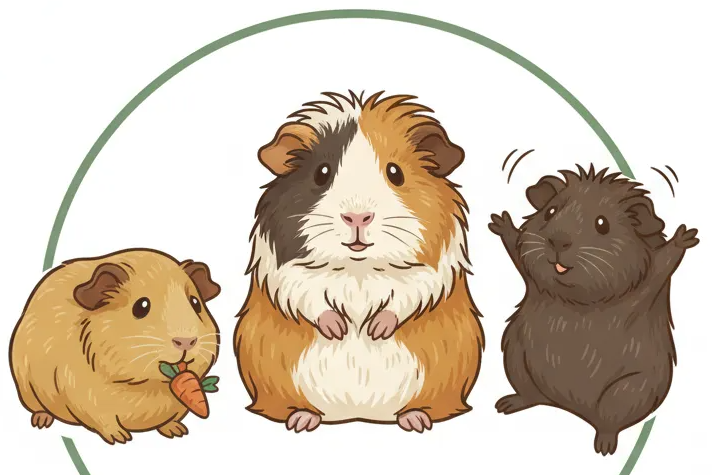
Understanding Guinea Pig Dominance Behaviors and Hierarchy
Published on: February 17, 2026 | Last Updated: February 17, 2026
Written By: Kate M. Callahan
Hello CavyFam! Have you ever spotted your guinea pigs nudging or rumbling at each other and felt a twinge of concern? It’s common to worry that these actions mean fighting or stress in their little world.
We’ll explore common dominance signs, how hierarchy forms, when to step in, and tips for a peaceful cage. I’ve raised guinea pigs like Pepper, Clover, and Biscuit for years, so I can share real stories to guide you.
What Is Guinea Pig Dominance and Social Structure?
Guinea pig hierarchy is a natural system where every piggy finds its place. This social order forms instinctively to create a stable and predictable environment for the entire group. Think of it as an unspoken rulebook that everyone agrees to follow.
This structure is not about bullying. Establishing a clear pecking order actually helps to reduce serious fights and long-term stress. When every guinea pig understands its role, there’s less need for constant challenges over food, space, and attention. Practical mealtime planning—such as regular feeding times and multiple feeding spots—helps minimize food aggression and keeps mealtimes peaceful. When meals are managed this way, you reduce daily friction and support your guinea pigs’ social order.
I’ve watched this play out with my own herd. My gentle guinea pig, Pepper, often defers to the more graceful Clover, letting her choose the prime napping spot first. It’s a quiet understanding, not a loud argument. This subtle ranking keeps their shared home peaceful.
Common Dominance Behaviors in Guinea Pigs
You’ll see a few key actions that signal who’s in charge. Mounting, rumble strutting, teeth chattering, and scent marking are the most common ways guinea pigs communicate their status. These behaviors are a normal part of their social language. By interpreting these cues, you can read their body language more accurately. We’ll interpret common guinea pig behaviors and what each action means.
It’s crucial to tell the difference between normal displays and genuine distress. Brief, occasional dominance shows are healthy, but constant, aggressive chasing is a red flag for trouble. I see this in both my male and female pigs.
My reserved guinea pig, Biscuit, shows a unique approach. Biscuit rarely engages in overt displays, instead using intelligent observation to navigate the social landscape without confrontation. Not every pig feels the need to be the boss.
Visual and Auditory Cues of Dominance
Your guinea pigs are constantly talking with their bodies and voices. A low, vibrating rumble combined with a slow, swaying walk—called rumble strutting—is a classic “I’m important” announcement. You can’t miss it once you know what to listen for. This is the kind of signal covered in our complete guide to guinea pig vocalizations and what they mean. Keep reading to learn what each sound really says.
Chattering teeth creates a sharp, rapid sound. This audible warning typically means “back off” and is often directed at a cage mate getting too close to a favorite vegetable or hidey. It’s a clear signal to respect personal space.
Body language speaks volumes. Raised fur along the spine, a stiff-legged strut, and a raised head all project confidence and a higher social standing. Watch how your pigs hold themselves around each other. For shy or timid guinea pigs, these cues can guide a step-by-step confidence-building process—gradually increasing social exposure. With patience and gentle encouragement, you can help them overcome shyness and gain self-assurance in small, steady steps.
Mounting and Humping: What It Really Means
This behavior often gets misunderstood. Mounting occurs in both male and female guinea pigs primarily as a dominance gesture, not just for mating purposes. It’s a quick way to assert a social position.
Context is everything for understanding this action. Occasional, brief mounting that the other pig accepts is a harmless part of their social negotiation. It usually ends as quickly as it begins with no hard feelings.
You need to step in when it becomes problematic. If one pig is constantly mounted, chased, or prevented from eating, the behavior has crossed into bullying and requires your intervention. A harmonious group has balanced interactions, not one-sided harassment.
Differences in Male and Female Dominance Behaviors
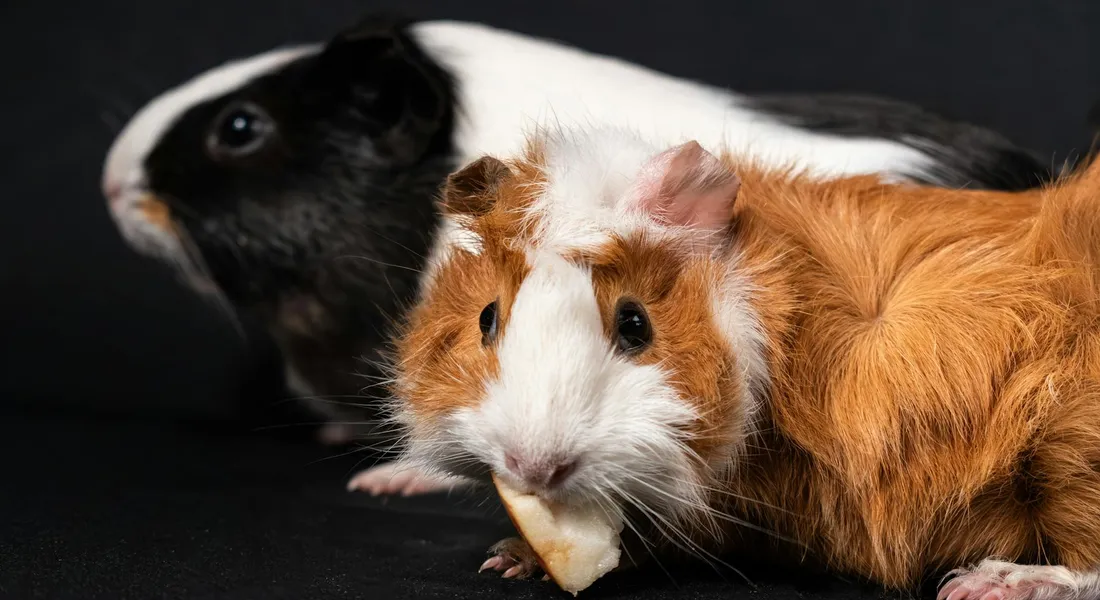
In my mixed-gender group, I’ve seen distinct approaches to dominance between my boys and girls. My male guinea pig, Pepper, often uses broad, physical displays like the classic rumble strut-vibrating his whole body while swaying side to side. He’ll also mount the others briefly, a behavior not always about mating but about asserting his position.
My females, Clover and Biscuit, demonstrate dominance with more subtle, persistent tactics. Clover, my graceful Abyssinian, will strategically block access to the favorite hidey, while Biscuit uses low, consistent chattering to dictate movement around the food bowl. Their methods are less about flash and more about controlled access to resources.
A common question I get is about same-gender humping. This behavior is a normal part of establishing social order and is not exclusively sexual; it’s a clear communication of “I am above you in the hierarchy.” I’ve observed Clover humping Biscuit, and Pepper attempting it with other males during initial introductions.
Never assume a female guinea pig is the passive one. Females can be just as assertive, and sometimes even more fiercely territorial, than males in social settings. In my herd, Clover is often the one who decides when playtime is over, herding the others with gentle nips and unwavering determination. Understanding the diverse personality traits and temperaments of guinea pigs can help in managing their social interactions.
Why Hierarchy Matters for Your Guinea Pig’s Well-Being
A clearly understood social ladder is fundamental to a peaceful cage. A stable hierarchy dramatically reduces chronic stress, which allows for genuine bonding and happy, synchronized popcorn sessions. When every pig knows its place, the energy spent on constant bickering is redirected into communal lounging and exploration.
Unresolved dominance struggles create a tense environment. The biggest risks include resource guarding, where one pig monopolizes food, water, or prime sleeping spots, leading to malnutrition and anxiety in the submissive ones. This can escalate into true aggression with biting and fur-pulling, requiring immediate human intervention for everyone’s safety.
Supporting their natural social dynamics starts with keen observation. Watch for the subtle cues: who eats first, who initiates group movements, and who yields space during encounters. This tells you the hierarchy without needing to see a major fight.
You can support their structure by providing multiple resources. I always have two of everything-water bottles, food bowls, and identical hideys-placed far apart to prevent one pig from controlling all access points. This simple step acknowledges their social needs while ensuring every pig, regardless of rank, gets what they need to thrive.
Managing and Reducing Dominance Conflicts
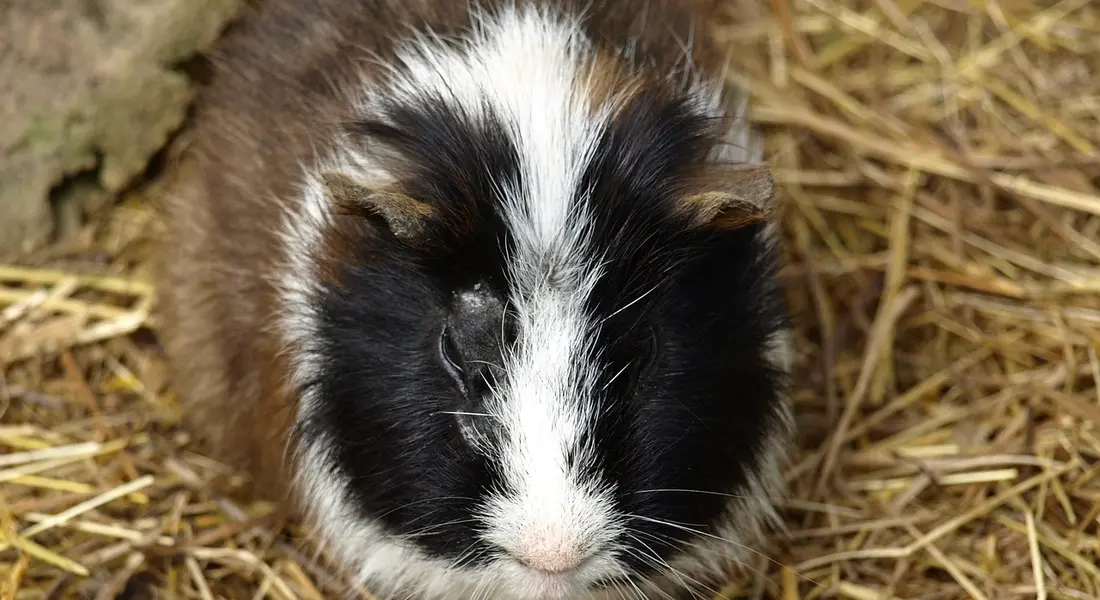
Dealing with dominance issues in your guinea pig herd can feel overwhelming, but I’ve found that simple strategies really help. With my trio—Pepper, Clover, and Biscuit—I’ve seen how small changes foster a peaceful environment. If your guinea pigs aren’t getting along, try a calm, step-by-step reintroduction with extra space and resources.
- Introduce new guinea pigs slowly to cut down on fights. When I brought Biscuit home, I used a step-by-step method that minimized stress for everyone involved.
- Adjust their living space to ease tensions. Adding multiple hideouts and expanding their cage made a huge difference for my herd’s dynamics.
- Intervene at the right moments and reward calm behavior. Positive reinforcement with veggies helped Pepper and Clover accept Biscuit more readily.
Steps for Safe Introductions and Integration
- Begin in a neutral area to prevent territory battles. I always use a fresh playpen that none of my pigs have marked, which reduces initial aggression.
- Watch their first meetings for clues about how they’re getting along. Look for gentle nudges or, in contrast, loud teeth chattering that signals trouble.
- Slowly extend the time they spend together while offering plenty of resources. I make sure there are extra hay piles and water bottles so no one feels threatened.
When to Seek Help for Aggression or Stress
It’s crucial to recognize when dominance behaviors cross the line into harm. From my experience, ignoring severe signs can lead to lasting stress or injuries in your pets.
- Be alert for persistent fighting, wounds, or weight loss. If you notice blood or constant chasing, it’s a red flag that needs immediate attention.
- Reach out to a vet or animal behaviorist if things don’t improve. They can check for underlying health problems and give expert guidance tailored to your herd.
- Always put your guinea pigs’ well-being first, even if it means separating them. I had to temporarily divide Clover and Biscuit once to ensure their safety, and it prevented worse conflicts.
FAQs
What sounds indicate dominance in guinea pigs?
Dominance sounds include low rumbling and sharp teeth chattering. These vocalizations help establish social order without physical conflict.
How do female guinea pigs show dominance?
Female guinea pigs often display dominance through subtle behaviors like blocking hideys or persistent chattering. They can be fiercely territorial, using controlled access to resources to assert their status. So, does this aggression show up in the cage, and how do you stop it? Recognizing warning signs early can help you intervene before fights escalate.
What are common dominance behaviors in male guinea pigs?
Male guinea pigs frequently use physical displays such as rumble strutting and mounting. These actions are natural for asserting hierarchy and are not always aggressive. Chasing and climbing can also be part of how they negotiate social order or engage in play, which is why you may see guinea pigs chase and climb one another. Observing their body language helps determine whether it’s normal social behavior or a sign that they need space or enrichment.
Does guinea pig dominance change over time?
Yes, dominance hierarchies can shift due to factors like aging or new group members. Regular observation helps manage these changes to maintain a peaceful environment.
What is the guinea pig dominance dance?
The dominance dance refers to the rumble strut, involving a slow, swaying walk with a rumbling sound. It’s a visual and auditory cue used to communicate higher social standing.
Creating a Happy Herd at Home
From my time with Pepper, Clover, and Biscuit, I’ve found that watching their subtle cues and providing ample space prevents most dominance issues. You can foster harmony by ensuring each guinea pig has their own hideout and food bowl to reduce competition. This is especially important considering how intelligent and aware guinea pigs are.
Always stay curious about improving your pets’ lives through ongoing research and eco-conscious choices. Choosing biodegradable bedding or locally sourced veggies supports both your guinea pigs’ health and our planet’s future. Look out for our ultimate guide on safe bedding options for guinea pigs. It explains which materials are best and how to switch safely.
Further Reading & Sources
- Repeatability of endocrine traits and dominance rank in female guinea pigs – PMC
- Dominance Behaviours In Guinea Pigs | The Guinea Pig Forum
- Guinea Lynx :: Introductions
- RVC Exotics Service Royal Veterinary College Royal College Street London
Kate is a passionate guinea pig owner and advocate for small pet welfare. With over a decade of experience caring for guinea pigs, she has become a trusted voice in the small pet community.
Uncategorized