
C&C Cages vs. Midwest Cages: Finding the Perfect Home for Your Guinea Pig
Hello CavyFam! Are you feeling overwhelmed by the choice between a C&C cage and a Midwest cage for your guinea pig?
You might be worried about picking the wrong one and compromising your pet’s happiness or safety.
We’ll break down the key differences by covering size, cost, materials, ease of assembly, and durability to guide your decision.
With years of firsthand experience caring for guinea pigs like Pepper, Clover, and Biscuit, I’ve tested both cage types and will share my honest insights. Beyond cages, proper care for guinea pigs—nutrition, housing, and enrichment—keeps them healthy and happy. I’ll walk you through practical tips for properly caring for guinea pigs every day.
Understanding Your Cage Options: C&C and Midwest Explained
What Exactly Are C&C Cages?
C&C cages stand for cubes and coroplast, built from modular wire grids and a corrugated plastic base. I assembled my first C&C cage for Pepper and Clover, and its flexibility let me expand as Biscuit joined the herd. You can customize the shape and size to fit any room, making it perfect for growing families.
These cages encourage DIY projects, using zip ties for stability and fleece liners for comfort. With my guinea pigs, I noticed how the open design reduced stress and allowed better airflow. Animal welfare is a priority, so I always ensure the grids are close enough to prevent escapes.
Getting to Know Midwest Cages
Midwest cages are pre-made enclosures with a durable plastic bottom and a removable wire top. When I started with Pepper, the Midwest model offered a quick setup that saved me time during busy weeks. They come in standard sizes, often including a divider for temporary separation.
These cages are lightweight and easy to clean, which I appreciated with Clover’s gentle nature. For new owners, Midwest cages provide a reliable start without the hassle of building from scratch. I always check for chew-resistant materials to keep my pets safe.
Space and Dimensions: Finding the Right Fit for Your Herd
Measuring Up: Cage Capacity Comparison
Guinea pigs thrive in spacious environments, and cage size directly impacts their health. Based on my experience with Pepper, Clover, and Biscuit, I recommend at least 10.5 square feet for a trio to prevent crowding. Even with ample cage space, they still need daily exercise floor time to explore and stay healthy. Plan for several hours of supervised floor time across the day, in addition to their roomy enclosure. Here’s a quick comparison of common options:
| Cage Type | Typical Dimensions | Recommended for Herd Size |
|---|---|---|
| C&C Cages | Customizable (e.g., 2×4 grids = ~10.5 sq ft) | 2-4 guinea pigs |
| Midwest Cages | Standard 47″ x 24″ (~8 sq ft) | 1-2 guinea pigs |
C&C cages let you adjust as your herd grows, while Midwest sizes are fixed. I upgraded to a larger C&C setup after Biscuit arrived, and their playful zoomies proved the extra room was worth it.
Floor Space and Active Room Considerations
Floor space isn’t just about size-it’s about enabling natural behaviors like running and exploring. With my reserved Biscuit, I saw how a bigger cage encouraged her to come out of her shell and interact more. Aim for uninterrupted areas to support daily exercise.
- Include hideouts and tunnels to break up space without reducing mobility.
- Ensure at least 12 inches of height for added lofts or ramps in C&C designs.
- Monitor your pets’ activity; if they seem cramped, expand the enclosure.
In my home, I use fleece bedding to create a soft surface that’s easy to clean. Proper floor space reduces territorial disputes and supports a harmonious herd dynamic. Always prioritize room to roam for a happier, healthier life.
Safety and Durability: Protecting Your Precious Piggies
Material Safety and Chew Resistance
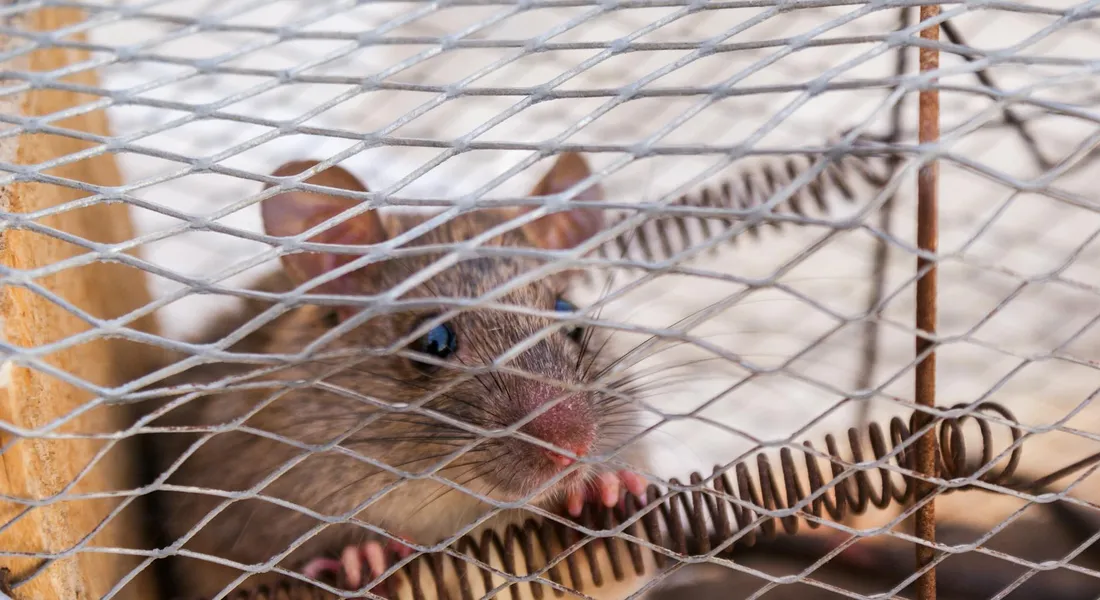
C&C cages use metal grids and coroplast plastic panels, which can tempt curious chewers like my guinea pig Biscuit. I always check for sharp edges and use zip ties to secure grids tightly, preventing nibbling on loose parts. Midwest cages feature a durable plastic base and wire mesh top, but guinea pigs like Clover might gnaw on the plastic if bored.
For chew resistance, C&C grids are generally sturdy, but I’ve seen Pepper try to nibble corners over time. Providing plenty of hay and chew toys reduces this risk in both cage types, keeping your pets safe and occupied. Midwest’s plastic holds up well, but monitor for any signs of wear or small pieces breaking off.
- C&C cages: Metal grids may rust if wet, so keep them dry and inspect regularly.
- Midwest cages: Plastic bases resist chewing better but can crack in cold temperatures.
- Always opt for non-toxic materials to avoid health issues from accidental ingestion.
Long-Term Durability and Wear Patterns
Over the years with my guinea pigs, C&C cages show wear at grid connections, needing occasional tightening. Regular maintenance like checking for loose parts extends their life and keeps your piggies secure. Midwest cages tend to last well, but the wire tops can bend if leaned on, as I learned with Clover’s energetic jumps.
Durability varies with use; C&C setups allow for easy part replacements, while Midwest cages might need full unit swaps if damaged. Investing in quality materials upfront saves money and stress, ensuring a cozy home for your pets. I’ve noticed Biscuit’s cage stays intact longer with gentle handling and routine checks.
- Inspect C&C grids monthly for rust or deformation.
- Clean Midwest plastic bases with mild soap to prevent brittleness.
- Rotate cage locations to avoid sun damage and uneven wear.
Assembly and Daily Maintenance: The Practical Side of Cage Ownership
Setting Up Your New Home
Assembling a C&C cage takes time but offers flexibility; I customized Pepper’s space with extra levels for exploration. Start by laying out grids and coroplast, then secure with connectors for a stable structure your guinea pigs will love. That mindset helps you tailor a setup that becomes a perfect guinea pig cage for Pepper. With careful planning, your layout stays adaptable for Pepper’s changing needs. Midwest cages often come pre-assembled or with simple snap-together parts, making setup quick for busy owners.
From my experience, C&C assembly requires basic tools and patience, while Midwest is ideal for renters or those needing a fast solution. Always test stability by gently shaking the cage to ensure it won’t collapse during playtime. I set up Clover’s Midwest cage in under 30 minutes, perfect for last-minute changes.
- C&C cages: Use a level surface to avoid wobbling and potential injuries.
- Midwest cages: Follow manufacturer instructions to avoid misalignment issues.
- Add bedding and hideouts during setup to reduce stress for your pets.
Cleaning Routines and Maintenance Needs
Daily spot-cleaning is essential for both cage types; I remove soiled bedding from Biscuit’s area to prevent odors. Establishing a consistent routine keeps the environment fresh and reduces the risk of respiratory problems in guinea pigs. C&C cages with coroplast bases are easy to wipe down, while Midwest’s plastic base resists stains well. For a complete schedule on how often to clean a guinea pig cage, check out our full guide. It covers daily, weekly, and deeper cleans for different cage setups to keep your pets healthy.
Weekly deep cleans involve disassembling parts; for C&C, I wash grids with vinegar solution, and for Midwest, I scrub the base thoroughly. Regular maintenance not only prolongs cage life but also supports your pet’s health and happiness. I’ve found that involving family in cleaning makes it a fun, bonding activity.
- Remove and replace bedding every 3-4 days to maintain hygiene.
- Check for mold or dampness in corners, especially in humid climates.
- Use eco-friendly cleaners to protect your guinea pigs and the environment.
Customization and Accessories: Making It Your Own

Modification Possibilities and Creative Freedom
C&C cages shine when it comes to personalization. You can reshape the entire layout to match your guinea pigs’ unique personalities and space needs. I built a multi-level setup for Clover, my graceful Abyssinian, using extra grids and zip ties-she loves exploring the ramps and elevated platforms. Midwest cages offer less flexibility; their fixed panels mean you can’t easily expand or redesign the structure, especially when you’re trying to prepare your home for a guinea pig’s entire lifespan.
With C&C setups, adding doors, tunnels, or partitions is straightforward. This DIY approach lets you create a habitat that grows with your pets, reducing stress and boredom. For Biscuit, my reserved Peruvian, I crafted a cozy corner with fleece hideouts that snap right into the grid walls. Midwest models limit such tweaks, relying on their pre-set configurations.
- C&C cages allow unlimited size adjustments and level additions.
- Midwest cages come in standard sizes with minimal alteration options.
- Use coroplast or safe woods to build custom features like feeding stations.
Accessory Compatibility and Enhancements
Accessories fit seamlessly into C&C cages due to their grid-based design. I often attach water bottles, hay racks, and toys directly to the wires for easy access and cleaning. Pepper, my gentle American guinea pig, enjoys a hanging veggie ball that clips right onto the cage sides. Midwest cages have built-in accessories, but adding third-party items can be tricky without modifications.
Fleece liners and bedding work well in both, but C&C cages handle bulkier items like ramps or hideouts better. Always choose accessories that promote natural behaviors, like chewing and foraging, to support animal welfare. I’ve found that Midwest’s included accessories are durable, but replacing them requires buying specific brand parts.
- Measure grid spaces before buying accessories to ensure a snug fit.
- Opt for eco-friendly materials like untreated wood or recyclable plastics.
- Rotate toys weekly to keep your guinea pigs engaged and happy.
Value and Investment: Weighing Cost Against Benefits

Initial Price and Long-Term Value
C&C cages often cost less upfront if you source materials yourself. I saved money by buying grids and coroplast separately, spending under $50 for a spacious home for all three of my guinea pigs. Midwest cages are pricier initially, but they include basics like a cover and pan, which can be convenient for new owners.
Over time, C&C cages prove more economical. Their modular nature means you can repair or expand sections without replacing the whole cage. When Biscuit outgrew her first space, I simply added more grids instead of buying a new enclosure. Midwest cages may need full replacements if parts wear out, raising long-term costs.
- C&C cages offer better durability with reusable components.
- Midwest cages provide a quick setup but less adaptability.
- Factor in bedding and accessory costs for a true budget comparison.
Availability and Customer Support Experience
C&C cage parts are widely available online and in hardware stores. You can find grids and coroplast year-round, making emergencies like quick repairs manageable. I once replaced a bent grid for Clover’s cage in hours by visiting a local store. Midwest cages are sold through pet retailers, but stock can vary, leading to delays.
Customer support differs greatly between the two. Midwest offers direct help for defects, while C&C relies on community forums and DIY guides for troubleshooting. When I had questions about assembling my first C&C cage, online groups provided fast, practical advice. For Midwest, their warranty can ease concerns, but response times might not suit urgent needs.
- Check retailer reviews for Midwest cage availability in your area.
- Join guinea pig forums for C&C assembly tips and support.
- Keep spare parts on hand to avoid disruptions in your pets’ routine.
Real Owner Experiences: What Guinea Pig Parents Actually Think

When choosing a cage, hearing from fellow guinea pig owners can be a game-changer. I’ve swapped stories with other pet parents and noticed clear patterns in what works best for different setups and piggy personalities. Your own guinea pigs, like my trio Pepper, Clover, and Biscuit, have unique needs that these experiences highlight — especially when it comes to cage placement.
C&C Cage User Reviews and Patterns
Many owners rave about the flexibility C&C cages offer for creating a spacious home. Customization is a huge win, allowing you to design layouts that fit your space and your pigs’ habits. In my case, Pepper’s gentle nature means she thrives with room to explore without feeling cramped.
Assembly can be a bit of a puzzle at first, but most users find it worth the effort. You’ll appreciate how easily you can add levels or partitions to keep things interesting for your pets. I’ve seen Biscuit, who’s more reserved, benefit from having hideaways I built into the design.
- Common praises include durability and eco-friendliness, as grids are often reusable.
- Some note the need for a solid base to prevent bedding spills, which I’ve managed with a simple coroplast liner.
- Owners with multiple pigs, like my three, report fewer squabbles thanks to the ample floor space.
Cleaning is straightforward once you get the hang of it. Regular maintenance keeps odors down and your guinea pigs healthy, something I prioritize for Clover’s graceful comfort. A complete guinea pig hygiene cleaning routine ties it all together. It covers substrate changes, spot-cleaning, and weekly deep cleans. The ability to expand the cage as your herd grows is a recurring theme in positive feedback.
Midwest Cage User Feedback and Trends
For those new to guinea pig care, Midwest cages often come highly recommended for their simplicity. Setup is a breeze, taking just minutes so you can focus more on bonding with your pets. I’ve found this helpful when introducing a shy pig like Biscuit to a new environment. (Learn more about setting up a cage for a new guinea pig)
Portability is a standout feature many owners love. You can easily move the cage for cleaning or to catch some sunlight, which Clover adores for her thoughtful basking sessions. The included accessories, like a hay rack, save time and reduce initial setup stress.
- Feedback highlights the affordability, making it a solid choice for budget-conscious families.
- Some users mention the need for additional waterproofing to protect floors, which I’ve addressed with a cheap mat.
- Trends show it’s popular for single pigs or pairs in smaller homes, ensuring they still have room to play.
Ventilation is generally good, but I always check for drafts to keep my pigs comfy. Regular spot-cleaning helps maintain a fresh habitat, something Pepper appreciates for her steady routine. Overall, owners value the reliability and how it supports a low-maintenance start to guinea pig parenting. This approach aligns with the weekly guinea pig care routine ultimate checklist that many owners follow to stay on top of essential tasks. It keeps ventilation checks and cleaning consistent from week to week.
FAQs
Which cage is better for owners with limited space?
Midwest cages are often preferred for small areas due to their compact, pre-set dimensions that fit neatly in tight spots. C&C cages can be customized to maximize vertical space with lofts, but they may require more floor area for larger setups.
How can I make a C&C cage more secure for escape-prone guinea pigs?
Use zip ties to reinforce grid connections and ensure the spacing is narrow enough to prevent squeezing through. Adding a solid base or fleece liners can also deter climbing and reduce escape attempts.
What is the average lifespan of each cage type?
C&C cages can last for years with regular maintenance, as individual grids and coroplast can be replaced if damaged. Midwest cages typically endure well but may need full replacement if the plastic base cracks or the wire top warps over time.
Your Perfect Cage Awaits
Choose a C&C cage if you love customizing a spacious habitat, or pick a Midwest cage for a quick, reliable setup that’s ready to use. Your decision ultimately depends on whether you value flexible design or immediate convenience for your guinea pigs’ home. For a complete size guide and space requirements, check out our guinea pig cage size recommendations to ensure adequate room per pig.
Remember, being a great pet owner means always learning new ways to improve your pets’ lives and our planet. Explore eco-friendly bedding and safe, recycled materials to create a home that’s healthy for your piggies and gentle on the earth.
Further Reading & Sources
- Midwest or C&C cage? | The Guinea Pig Forum
- Midwest – C&C vs Midwest – Guinea Pig Cages
- Midwest – c&c vs midwest canvas – Guinea Pig Cages
- Guinea Pig Habitat Options: Midwest vs C&C Cages
Kate is a passionate guinea pig owner and advocate for small pet welfare. With over a decade of experience caring for guinea pigs, she has become a trusted voice in the small pet community.
Uncategorized