Guinea Pig Urine Guide: Spotting Normal and Abnormal Signs
Published on: August 12, 2026 | Last Updated: August 12, 2026
Written By: Kate M. Callahan
Hello CavyFam! If you’ve ever glanced at your guinea pig’s cage and noticed a odd color or smell in their urine, it’s natural to feel a bit anxious about their health. I’ve had those moments myself with my own piggies, and I’m here to walk you through what to look for and when to relax or take action.
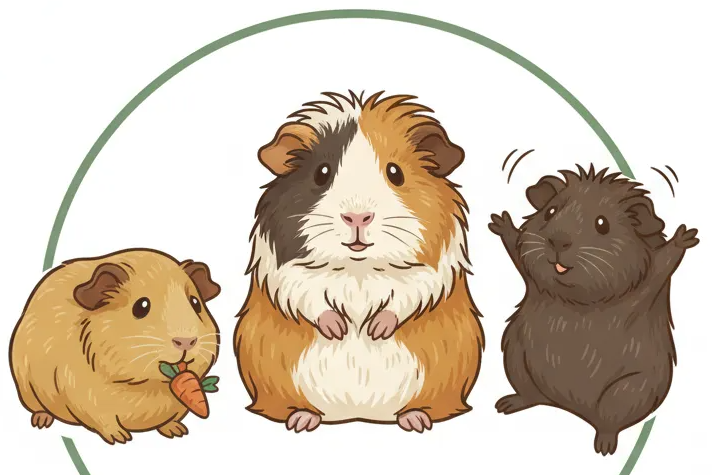
In this article, we’ll dive into typical urine color and texture, red flags for potential problems, reasons behind changes, and when to contact a vet. With years of hands-on care for guinea pigs like Pepper, Clover, and Biscuit, I’ve learned to read their urinary cues to keep them happy and healthy.
Understanding Normal Guinea Pig Urine
Normal guinea pig urine typically appears pale yellow to clear, with a slight cloudiness due to natural calcium deposits. You might notice a mild, earthy odor that isn’t overpowering or foul. Consistency is usually watery, not thick or sludgy, which helps prevent urinary issues.
From caring for Pepper and Clover, I’ve observed that their urination habits vary. Adult guinea pigs like Clover urinate several times a day, producing about 10-30 milliliters daily, while younger ones like Biscuit might go more frequently. Diet plays a big role-feeding watery veggies like cucumber can increase volume, so keep an eye on intake.
pH balance matters because it affects bladder health. Guinea pig urine should be slightly acidic to neutral, around pH 6.5-7.5, to reduce the risk of painful bladder stones. I test this occasionally with strips for Pepper, as imbalances can signal diet or health shifts.
Decoding Urine Color Changes
Urine color can clue you in on your guinea pig’s well-being. Common changes include orange-brown, brown, or milky white, each hinting at different causes. Use this simple chart for quick reference: Guinea pig urine and poop color changes: what’s normal.
| Color | Possible Indication | Typical Cause |
|---|---|---|
| Orange-Brown | Mild dehydration or diet high in pigments | Eating carrots or beet tops |
| Brown | Potential blood or severe dehydration | Bladder irritation or crystals |
| Milky White | Excess calcium or possible infection | High-calcium foods like spinach |
Link colors to issues carefully. Orange-brown is often harmless if tied to diet, but persistent brown could mean crystals needing vet care. With Clover, I once saw milky urine and cut back on kale-it normalized quickly.
Assess color changes at home with these steps:
- Check if the color is consistent over a day or two.
- Review their diet and water access-increase hydration if needed.
- Look for other signs like straining or lethargy.
- Consult a vet if it doesn’t improve or worsens.
Most color shifts are diet-related and temporary, but sudden or dark changes warrant attention for your pet’s comfort.
Identifying Abnormal Urine Odors
Normal guinea pig urine carries a faint, earthy scent that blends into their environment. A sudden strong ammonia-like smell is your first clue something might be off.
Common causes of unpleasant urine odors include urinary tract infections, dehydration, or inadequate cage cleaning. Bacteria from dirty bedding can intensify odors and harm your pet’s health.
- Urinary tract infections produce foul-smelling urine due to bacterial growth.
- Poor cage hygiene allows waste to accumulate, releasing strong ammonia fumes.
- Dehydration concentrates urine, making odors more potent and problematic.
To reduce odors, clean the cage at least twice weekly and provide constant access to fresh water. Spot-clean soiled areas daily to keep ammonia levels low and your guinea pig comfortable. These steps are part of a complete guinea pig hygiene cleaning routine. Sticking to it keeps odors low and your pet comfortable.
With my guinea pig Clover, I once detected a sharp, unusual smell during her cage cleaning. That change prompted a vet visit, where we caught a minor infection early, thanks to attentive odor monitoring.
Exploring Urine Sediment and Crystals
Urine sediment consists of tiny particles or crystals that settle in urine. Calcium oxalate crystals are a common type that can appear as gritty white specks.
Sediment links directly to bladder and kidney health. When crystals clump together, they may form painful stones that block urination.
During cage cleaning, check for sediment by examining wet spots on bedding or the cage floor. Look for chalky residues or sandy textures that signal excess minerals.
- Wear gloves and use a paper towel to dab a urine spot.
- Inspect for any gritty or crystalline material left behind.
- Note the color and consistency-white and sandy often means calcium buildup.
Diet plays a huge role in crystal formation. Limit high-calcium veggies like spinach and offer plenty of Timothy hay to support urinary health. I adjust Biscuit’s diet based on sediment checks, ensuring he gets balanced nutrition without excess calcium.
Recognizing Urinary Health Issues
Symptoms of urinary tract infections include blood in urine, straining to urinate, or frequent small puddles. Your guinea pig might cry out or seem restless when trying to pee.
Other conditions like kidney stones show signs such as lethargy, loss of appetite, or hunching in pain. Early detection through daily observation can prevent serious complications.
| Normal Urination Behaviors | Abnormal Urination Behaviors |
|---|---|
| Steady, clear urine output | Blood-tinged or cloudy urine |
| No vocalization during urination | Crying or squeaking while peeing |
| Regular frequency and volume | Straining or producing very little urine |
Always seek veterinary care at the first sign of trouble. Prompt treatment can ease your guinea pig’s discomfort and prevent long-term damage to their urinary system. I’ve learned from Pepper’s gentle nature that even subtle changes warrant a quick response to keep them safe.
Monitoring Urine at Home
Keeping an eye on your guinea pig’s urine can feel a bit like detective work, but it’s a simple way to catch health issues early. Regular monitoring helps you spot changes before they become serious problems, giving your pet the best chance for a quick recovery. I’ve made this a habit with my trio—Pepper, Clover, and Biscuit—and it’s saved us a few vet scares over the years. If you ever think ‘my guinea pig seems sick,’ you can use a complete home troubleshooting checklist to quickly rule out simple issues like hydration, temperature, and diet. That way you know when it’s time to seek veterinary care.
Step-by-Step Guide to Collecting Urine Samples Safely
Collecting a urine sample doesn’t have to stress you or your guinea pig out. Always handle your pet gently and keep sessions short to avoid causing fear or discomfort. Here’s how I do it safely for my guinea pigs: handling them properly during health checks.
- Prepare a clean, shallow container like a small plastic lid or a syringe without a needle-sterilize it with hot water first.
- Place your guinea pig in a familiar, enclosed area with easy-to-clean surfaces, like a plastic bin lined with paper towels.
- Wait patiently for them to urinate; this might take a few minutes, so have a treat handy to keep them calm.
- Use the container to catch the urine mid-stream if possible, or gently dab it up with a clean cloth if it’s on a surface.
- Transfer the sample to a sealed container and label it with the date and your guinea pig’s name for reference.
Simple Tools and Observation Techniques
You don’t need fancy equipment to monitor urine effectively. Basic household items and keen observation can tell you a lot about your guinea pig’s health. I use white paper bedding or light-colored towels in their cage to make urine color stand out, and I watch for patterns during playtime. For instance, Clover tends to urinate shortly after eating her veggies, so I note that timing. A small notebook or phone app helps log daily observations without fuss.
Weekly Checklist for Tracking Urine Health
Consistency is key, so I follow this simple weekly checklist to track Pepper, Clover, and Biscuit’s urine. This routine takes just a few minutes and builds a helpful health history over time.
- Color: Note if it’s clear, pale yellow, or has unusual shades like orange or red.
- Volume: Check if output seems normal, increased, or decreased compared to past weeks.
- Frequency: Count how many times they urinate daily; any big changes could signal issues.
- Odor: Smell for strong or foul scents that might indicate infection.
- Consistency: Look for cloudiness or particles that shouldn’t be there.
Personal Tips for Routine Monitoring
Making urine monitoring part of your daily care doesn’t have to be a chore. I integrate it into feeding times or cage cleanings to keep it stress-free for both me and my guinea pigs. For example, when I refill Biscuit’s hay rack, I quickly scan the bedding for any odd colors. Over time, you’ll learn your pet’s normal patterns-Pepper’s urine is usually light yellow, while Clover’s is a bit darker. This familiarity makes it easier to spot deviations early.
When to Seek Veterinary Evaluation
Even with careful monitoring, some signs demand professional attention right away. Ignoring red flags can lead to painful conditions like bladder stones or kidney disease, which are common in guinea pigs. I learned this the hard way when Biscuit showed subtle symptoms that escalated quickly, but recognizing signs of pain or illness in guinea pigs helped me seek prompt vet care.
Red Flags in Urine Health
Watch for these warning signs that mean it’s time to call your vet. Persistent changes in urine color, volume, or frequency often point to underlying health issues. Other red flags include visible blood (which can look pink or red), your guinea pig crying or straining while urinating, or a sudden drop in water intake. If Pepper acts lethargic or loses appetite alongside these symptoms, don’t wait-it could indicate a urinary tract infection or worse.
What to Expect During a Veterinary Visit
A vet visit for urine issues typically involves a thorough check-up to pinpoint the problem. Your vet will likely perform a physical exam and may request a urine sample for lab analysis to check for crystals, bacteria, or blood. In my experience, the lab tests are fast and can reveal issues like sludge in the bladder or early kidney stress. The vet might also ask about diet and habitat to rule out environmental causes.
Questions to Ask Your Vet About Test Results
Don’t be shy – asking the right questions helps you understand your guinea pig’s health better. Clear communication with your vet ensures you can provide the best follow-up care at home. When you’re evaluating a potential guinea pig veterinarian, these questions help you gauge fit. They set expectations for ongoing care. Here are questions I always bring up:
- What do the urine test results mean for my guinea pig’s specific condition?
- Are there dietary changes or supplements that could help, like reducing calcium-rich foods?
- How often should we monitor urine going forward, and what signs should I watch for?
- Could this be related to other health issues, such as dehydration or obesity?
- What emergency signs warrant an immediate return visit?
The Importance of Kidney and Bladder Health
Healthy urine output is a window into your guinea pig’s overall well-being, especially for their kidneys and bladder. These organs filter waste and maintain hydration, so keeping them in good shape prevents painful conditions and extends your pet’s life. I’ve seen how a balanced diet and regular vet checks for Clover helped avoid recurring issues. Remember, proactive care isn’t just about treatment—it’s about giving your guinea pig a comfortable, happy life. For daily monitoring, many owners also track how often their guinea pig poops and pees. Here’s a quick normal-frequency guide to help you spot potential issues early.
Common Questions
What is guinea pig urine sediment?
Urine sediment consists of tiny particles or crystals, like calcium oxalate, that you might see as gritty white specks. This sediment can indicate excess minerals in the diet and, if it clumps, may lead to painful bladder stones.
What are common guinea pig urine infection symptoms?
Symptoms include blood in the urine, straining to urinate, or your guinea pig crying out when peeing. You might also notice frequent, small puddles and a sudden, strong, foul odor from the urine, which is different from typical urine marking behavior.
Why does guinea pig urine smell like ammonia?
A strong ammonia smell is often caused by bacterial growth from a urinary tract infection or from concentrated urine due to dehydration. Poor cage hygiene, allowing waste to accumulate, can also intensify ammonia odors.
What causes guinea pig urine brown?
Brown urine can be a sign of potential blood presence or severe dehydration. It may also indicate bladder irritation or the formation of crystals, which requires veterinary attention.
What is a guinea pig urine container used for?
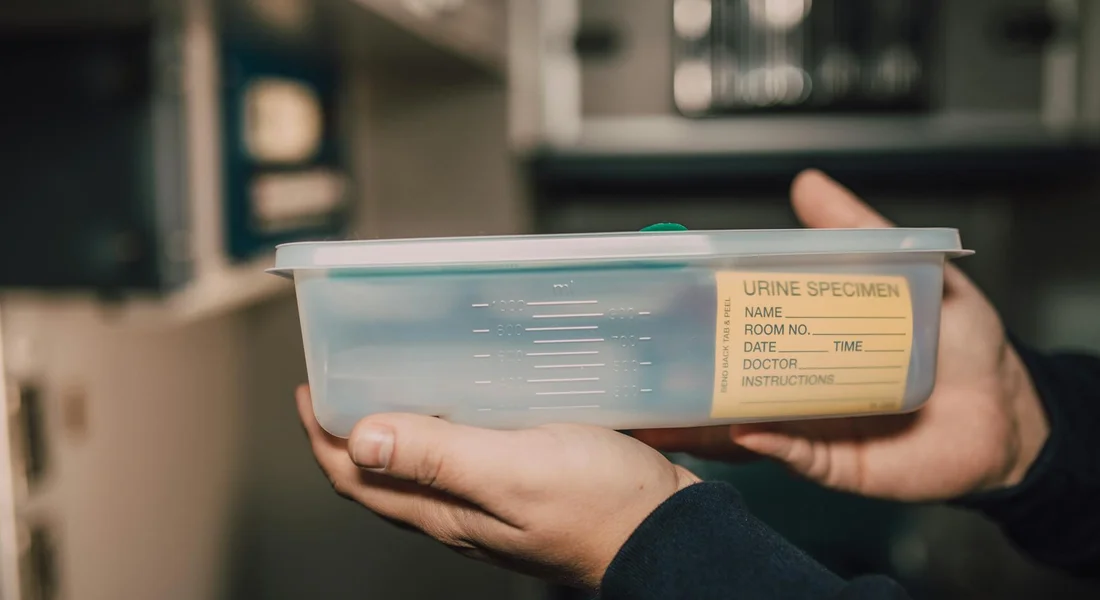
A urine container is used to collect a sample for safe at-home observation or for a veterinary visit. This helps in analyzing color, consistency, and content for early detection of potential health issues.
Your Guinea Pig’s Health Starts with You
Regularly check your guinea pig’s urine for changes in color, cloudiness, and smell, as these are the most reliable indicators of their well-being. When choosing a guinea pig, perform a quick health-check look—notice bright eyes, clean fur, and alert energy to help pick a healthy companion. A calm, curious demeanor is a good sign. Always consult your veterinarian if you notice anything unusual, as early detection makes all the difference for their health.
Being a proactive and informed owner is the most loving gift you can give your small companion. Continue learning about their specific needs and consider eco-friendly bedding options to create a healthier home for your pet and our planet.
Further Reading & Sources
- Guinea Pig Health: Urine Color Guide | GuineaDad
- Does Your Guinea Pig Have a UTI? Symptoms, Causes & Treatment
- Guinea Lynx :: What’s Normal?
- Urinary Tract Infections in Guinea Pigs I GuineaDad
Kate is a passionate guinea pig owner and advocate for small pet welfare. With over a decade of experience caring for guinea pigs, she has become a trusted voice in the small pet community.
Uncategorized