Can Guinea Pigs Eat Cheese, Milk, and Dairy Products?
Hello CavyFam! If you’ve ever wondered about sharing a nibble of cheese or a sip of milk with your guinea pig, you’re not alone in your curiosity.
Many pet owners worry that common human foods could accidentally harm their small, sensitive companions.
In this guide, I’ll explain why dairy is unsafe, what health issues it can cause, and simple, safe food swaps. With years of firsthand experience caring for my guinea pigs Pepper, Clover, and Biscuit, I offer advice rooted in real-life pet parenting.
Guinea Pig Digestion and Lactose Intolerance Explained
Guinea pigs are strict herbivores with a digestive system designed for a high-fiber, plant-based diet. Their gut lacks the enzyme lactase, which is essential for breaking down lactose, the sugar found in all dairy products. I learned this the hard way years ago when a well-meaning family member offered my first guinea pig, Pepper, a tiny bit of yogurt; the resulting digestive upset was swift and unpleasant. That misstep taught me to consider the foods guinea pigs have and should actually eat. A proper diet centers on unlimited hay, a daily supply of fresh vegetables, and only small portions of fruit or other snacks, with dairy and processed foods strictly off-limits.
Think of their digestive tract like a highly specialized fermentation tank, perfectly tuned for processing hay and vegetables. Introducing dairy is like putting the wrong fuel in an engine-it simply cannot process it and will break down. This fundamental biological difference is why even a small amount of milk or cheese can cause significant distress.
Health Risks of Feeding Dairy to Guinea Pigs
Offering dairy to your guinea pig isn’t just inadvisable; it’s actively harmful to their health. The immediate physical discomfort they experience is a clear sign their body is in distress and fighting something it cannot digest. Watching my gentle Clover suffer from a single, accidental exposure solidified my commitment to a strictly dairy-free diet for all my pets.
Why Cheese and Milk Cause Problems
Dairy products like cheese and milk introduce substances that a guinea pig’s body is completely unequipped to handle.
- Severe Diarrhea and Bloating: The undigested lactose ferments in the gut, drawing in water and producing gas. This leads to painful cramping, bloating, and potentially life-threatening dehydration from watery diarrhea.
- Digestive Stasis: The sudden imbalance can cause the entire digestive system to slow down or stop completely. This is a critical emergency, as a guinea pig’s gut must constantly move to stay healthy.
- Disruption of Gut Flora: Dairy can harm the delicate balance of good bacteria in the cecum, where vital nutrients are synthesized. An unhealthy gut flora can lead to vitamin deficiencies and a weakened immune system over time.
Long-Term Consequences of Dairy Consumption
While a single, small accident might not be fatal, repeated exposure to dairy can lead to chronic health issues that shorten a guinea pig’s lifespan.
- Chronic Digestive Issues: Ongoing diarrhea and bloating can cause permanent damage to the intestinal lining, leading to a permanently sensitive stomach and poor nutrient absorption.
- Obesity and Related Illness: Cheese is high in fat and calories, which are completely unnatural for a guinea pig. Regular consumption can easily lead to unhealthy weight gain, putting strain on their heart and joints. My thoughtful Biscuit maintains a perfect weight on her diet of hay and greens, and her energy levels show it.
- Nutritional Deficiencies: If a guinea pig fills up on dairy, they will eat less of their vital hay and fresh vegetables. This can lead to deficiencies in Vitamin C, which they cannot produce themselves, and the fiber necessary for dental and digestive health.
Common Dairy Products to Avoid for Guinea Pigs

Guinea pigs are strict herbivores, and their digestive systems simply aren’t built to process dairy. Their bodies lack the enzyme lactase, which is necessary to break down the lactose sugar found in all dairy products. I learned this the hard way years ago when a tiny piece of cheese led to a very messy cage cleanup for one of my first guinea pigs.
Here is a list of common household dairy items you must keep far away from your cavy:
- Cheese: All types, from cheddar to cottage cheese, are far too high in fat and protein for guinea pigs and cause immediate digestive upset.
- Milk: Cow’s milk, goat’s milk, or any other animal milk will cause diarrhea and bloating due to the high lactose content.
- Yogurt: Even though some yogurts have probiotics, the lactose and dairy base still make them completely unsuitable and dangerous.
- Butter and Ice Cream: These are loaded with fats and sugars, creating a double threat to your pet’s sensitive gut and overall health.
- Foods Cooked with Dairy: Be mindful of scraps from your plate, like mashed potatoes made with milk or vegetables coated in butter.
Recognizing Signs of Dairy-Related Digestive Issues
If your guinea pig accidentally consumes any dairy, their system will react quickly. Watch for these specific symptoms, as a digestive issue can become serious in a small animal like a guinea pig. My guinea pig Biscuit once nibbled a cracker with cheese powder, and the signs were unmistakable within a few hours.
The most common symptoms of dairy intolerance include:
- Watery diarrhea or unusually soft stools
- Lethargy and a lack of interest in food or treats
- Audible gurgling or churning sounds from their stomach (bloating)
- A hunched posture, which indicates stomach pain or discomfort
- Reduced or no fecal output, which can signal a dangerous gut slowdown
If you notice any of these signs, here is what you should do immediately:
- Remove any remaining dairy source from their reach.
- Ensure they have unlimited access to fresh hay and clean water to help their system recover.
- Monitor them closely. If symptoms persist for more than a few hours or they stop eating entirely, contact your veterinarian without delay.
Their digestive health is fragile, and prompt action is your best tool for keeping them safe and comfortable. Trust me, a simple diet of hay, pellets, and fresh veggies is the best way to ensure a happy, healthy life for your furry friend.
Safe and Nutritious Alternatives to Dairy Treats
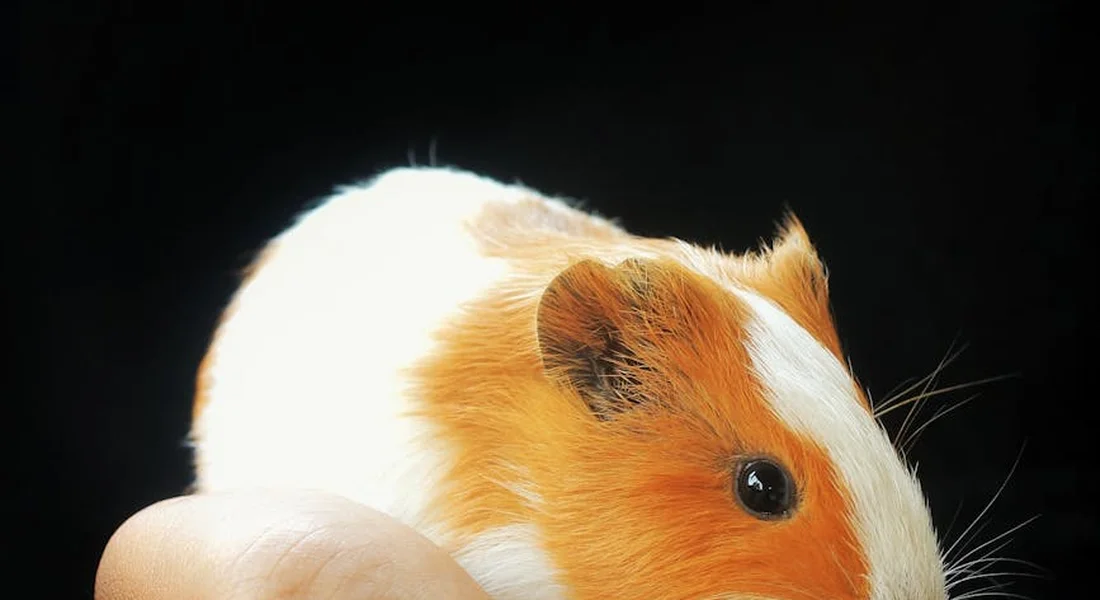
When my guinea pigs Pepper, Clover, and Biscuit look up with those eager eyes, I know they’re hoping for a tasty snack. Dairy products like cheese and milk can upset their delicate digestive systems, so I always reach for fresh, guinea pig-safe veggies instead. For greens, I rotate guinea pig-safe veggies like romaine lettuce and parsley. Over the years, I’ve found that offering a variety of vegetables and fruits keeps them happy and healthy without any risks.
- Crunchy bell peppers: Rich in vitamin C, which is vital for their health. Pepper adores the red ones for their sweetness.
- Leafy greens like romaine lettuce or cilantro: Clover enjoys the fresh, earthy taste, and it helps with hydration.
- Small pieces of carrot or apple: A occasional treat that Biscuit finds irresistible, but I limit these to avoid too much sugar.
- Timothy hay: This should be available all day for proper digestion and dental health-my trio nibbles on it constantly.
I’ve noticed that rotating these treats prevents boredom and ensures they get a range of nutrients. Sticking to whole, plant-based foods mimics their natural diet and supports their well-being far better than any dairy product could.
Building a Balanced Daily Diet Routine
Creating a consistent feeding schedule has made a huge difference for my guinea pigs’ energy and health. Start each morning with a fresh pile of Timothy hay, as it’s the foundation of their diet and keeps their teeth from overgrowing. I pair this with a small serving of high-quality pellets to round out their nutrition. An ideal overall diet for a healthy guinea pig also includes daily fresh greens and a small amount of vitamin C-rich vegetables. Keeping a variety while monitoring portions helps maintain balance.
- Provide unlimited hay and clean water at all times-check the water bottle daily for clogs or dirt.
- Serve a cup of fresh vegetables per guinea pig in the morning and evening. I mix in favorites like cucumber and parsley for variety.
- Limit fruits to a few times a week to avoid weight gain; a slice of strawberry or blueberry works well.
- Monitor their eating habits and adjust portions if they seem less active or gain too much weight.
With Pepper, Clover, and Biscuit, this routine has kept them vibrant and playful. Keeping their meals simple and predictable reduces stress and helps you spot any health issues early on.
What to Do If Your Guinea Pig Accidentally Eats Dairy
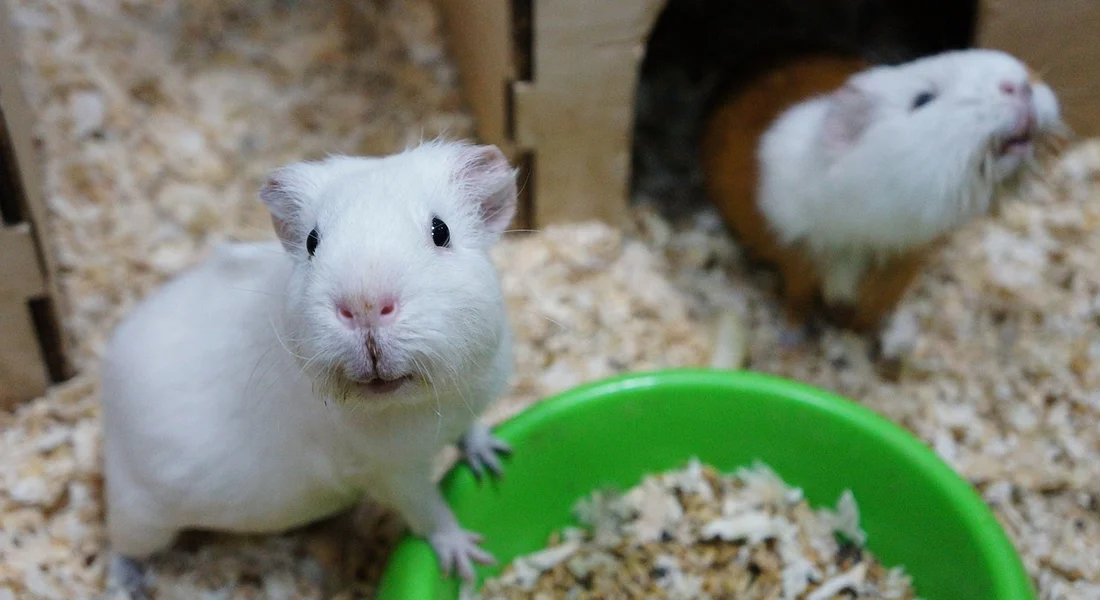
If your guinea pig snatches a bit of cheese or milk, stay calm-I’ve been there when Biscuit once got into a crumb of cheddar. First, remove any remaining dairy and observe them closely for signs of discomfort like bloating or diarrhea. Their small bodies can react quickly, so acting fast is key to preventing serious problems. Gas and bloating are common digestive responses to dairy in guinea pigs, so those are important clues to watch for. Guinea pigs rarely vomit, so look for other distress signs like a swollen abdomen, loss of appetite, or diarrhea and seek vet care if they appear.
- Offer extra hay and water to help flush out their system and ease digestion.
- Check for symptoms over the next few hours, such as lethargy or loss of appetite.
- Contact your veterinarian if you notice anything unusual; they can advise on whether a visit is needed.
- Stick to their regular diet afterward to help their gut recover without further irritation.
In my experience, most minor incidents resolve on their own with attentive care. Always prioritize their comfort by keeping them in a quiet, warm space while they recover.
Personal Insights on Guinea Pig Nutrition and Care
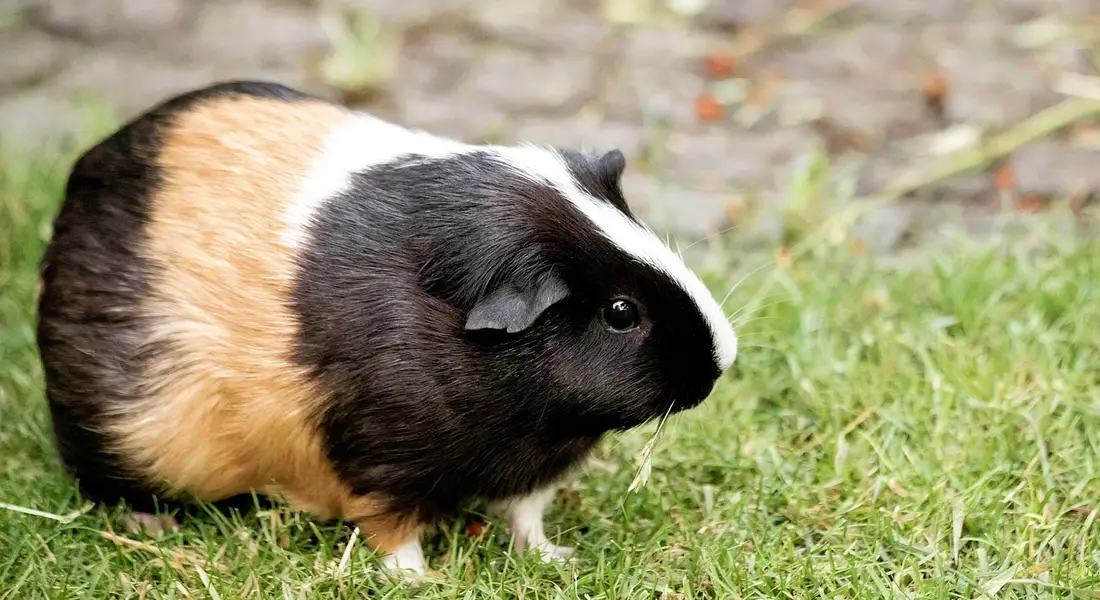
Over the years with my three guinea pigs-Pepper, Clover, and Biscuit-I’ve learned their digestive systems are far more delicate than most people realize. Their tiny bodies are designed to process high-fiber plant matter, not the rich fats and proteins found in animal products like dairy. I learned this the hard way after a tiny, well-intentioned piece of cheese led to a very upset tummy for my gentle Pepper.
Why Dairy is a Hard No for Guinea Pigs
Guinea pigs are lactose intolerant, plain and simple. They lack the enzyme lactase needed to break down the lactose sugar in milk and cheese. Feeding dairy can cause immediate and painful bloating, gas, and diarrhea, which is dangerous for such small animals. Their digestive tract is a finely tuned system for fermenting hay, not digesting dairy fats.
- Lactose Intolerance: Their bodies cannot process milk sugars, leading to digestive upset.
- High Fat Content: Cheese and dairy are too rich and can lead to obesity and liver problems.
- Digestive Disruption: Dairy interferes with the crucial gut bacteria needed to digest their primary food: hay.
What I Offer Instead for a Healthy Treat
Instead of risky human foods, I focus on safe, guinea pig-approved vegetables and the occasional fruit. My trio gets most excited for a fresh sprig of cilantro or a slice of bell pepper, which provides vital Vitamin C without any digestive drama. I always wash produce thoroughly to remove any pesticides.
- Daily Staples: Unlimited timothy hay, a small portion of high-quality pellets, and fresh, clean water.
- Vitamin C Heroes: Bell peppers (all colors), kale, and broccoli florets in moderation.
- Occasional Treats: A thin slice of apple (no seeds) or a single blueberry once or twice a week.
Observing my guinea pigs’ unique personalities has taught me that Clover, the graceful one, is picky about her greens, while Biscuit, the reserved thinker, will meticulously inspect every piece of food. Paying attention to their individual preferences helps me provide a diet that keeps them both happy and healthy.
FAQs
What should be included in a daily care checklist for guinea pigs?
A daily care checklist for guinea pigs should include refreshing their hay and water, and spot-cleaning their cage to maintain hygiene. It’s also essential to check for any signs of illness and provide fresh vegetables to support their health. Properly caring for guinea pigs also includes daily exercise and a spacious, clean living space. Gentle handling and social time can help them stay stress-free and curious.
What does a typical daily schedule look like for a guinea pig?
A guinea pig’s daily schedule involves morning and evening feedings of hay and vegetables to meet their nutritional needs. Knowing their daily calorie requirements helps tailor portion sizes to prevent obesity and ensure steady energy. They also benefit from supervised playtime and social interaction to keep them active and engaged.
What are the different hair types found in guinea pigs?
Common guinea pig hair types include short-haired (American), long-haired (Peruvian), and rough-coated (Abyssinian) varieties. Each type requires specific grooming, such as regular brushing for long-haired breeds to prevent tangles and mats. Grooming needs differ between short- and long-haired breeds. For example, American guinea pigs typically require less frequent brushing, while Peruvian guinea pigs benefit from daily detangling and trim maintenance.
Are there hairless guinea pigs, and how do you care for them?
Yes, hairless guinea pigs like the Skinny Pig exist and need a warm environment to compensate for their lack of fur. Regular skin checks and gentle cleaning are important to prevent dryness and infections.
What should beginners know about a guinea pig’s daily needs and behavior?
Beginners should focus on providing a consistent routine with unlimited hay, fresh water, and daily vegetable servings to keep guinea pigs healthy. Observing their vocalizations and activity levels helps in understanding their mood and detecting any health issues early. For owners, include these steps in your weekly guinea pig care routine ultimate checklist—weekly cage cleaning, bedding refresh, and a quick health check. A simple, repeatable weekly checklist helps ensure nothing is missed and keeps guinea pigs thriving.
Your Guinea Pig’s Health and Happiness
Based on my time with Pepper, Clover, and Biscuit, I always steer clear of dairy like cheese and milk for guinea pigs. Their sensitive digestive systems thrive on a plant-based diet full of fresh hay and vegetables, avoiding any dairy-related discomfort.
Commit to ongoing learning about guinea pig care to make informed, eco-friendly choices for their well-being. Small steps like choosing sustainable bedding or locally sourced veggies can create a healthier home for your pets and the planet. For a deeper dive, the ultimate guide to safe bedding options for guinea pigs covers what materials are best and what to avoid. Your pets deserve a comfortable, hazard-free home.
Further Reading & Sources
- r/guineapigs on Reddit: guinea pig – no dairy
- 15 Things Guinea Pigs Shouldn’t Eat
- Can You Feed a Guinea Pig Pet Milk? | Pets on Mom.com
- r/guineapigs on Reddit: Can guinea pigs drink nut milk?
Kate is a passionate guinea pig owner and advocate for small pet welfare. With over a decade of experience caring for guinea pigs, she has become a trusted voice in the small pet community.
Uncategorized