Can Guinea Pigs Eat Chicory? A Safe Feeding Guide
Published on: September 25, 2026 | Last Updated: September 25, 2026
Written By: Kate M. Callahan
Hello CavyFam, you might be wondering if chicory is a safe treat for your guinea pig to enjoy. It’s completely normal to feel concerned about how new foods could affect their delicate digestive systems.
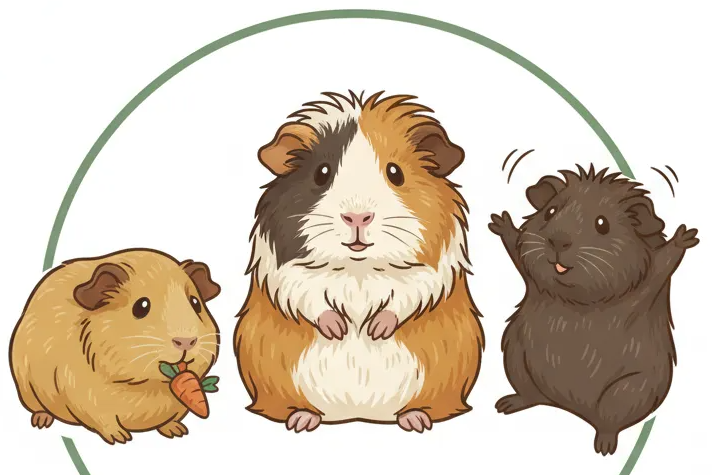
I’ll walk you through the nutritional perks, possible health risks, and step-by-step serving methods for chicory. Having cared for my guinea pigs Pepper, Clover, and Biscuit for years, I share insights from hands-on experience to keep your pets happy and healthy.
Understanding Chicory and Its Safety for Guinea Pigs
Chicory is perfectly safe for guinea pigs to eat, but it requires a few simple precautions. Always wash the leaves thoroughly under cool, running water to remove any pesticides or dirt that could harm your pet. I learned this the hard way with my guinea pig, Pepper, who once had a minor tummy upset from a poorly rinsed leaf.
Offer chicory in moderation as part of a varied diet, not as a daily staple. This leafy green should be a treat, not the main course, to prevent potential digestive issues. My three guinea pigs—Pepper, Clover, and Biscuit—enjoy it mixed with other greens like romaine lettuce and cilantro. Collard greens are also safe for guinea pigs in small portions; introduce them slowly and observe for any digestive upset.
Introduce any new food slowly to watch for adverse reactions. Start with a small piece and observe your guinea pig for the next 24 hours to ensure they tolerate it well. Being attentive to the first signs of stress in a new guinea pig helps them adjust more smoothly. By recognizing stress signals early, you can tailor slow introductions to foods to reduce anxiety. I did this with Biscuit, my more reserved pig, and it helped her adjust without stress.
Nutritional Profile of Chicory for Your Guinea Pig
Chicory is packed with nutrients that can benefit your guinea pig’s health. It’s an excellent source of Vitamin C, which is vital since guinea pigs cannot produce it on their own and need it daily to prevent scurvy. My gentle Pepper perks up noticeably when he gets his vitamin-rich greens, especially when combined with proper hydration and vitamin C supplements.
Here’s a quick look at the key nutrients in chicory:
- Vitamin C: Boosts immune function and skin health.
- Fiber: Supports healthy digestion and prevents bloating.
- Vitamin K: Aids in blood clotting and bone metabolism.
- Potassium: Helps maintain proper nerve and muscle function.
However, chicory also contains moderate levels of calcium. Too much calcium can lead to bladder stones in some guinea pigs, so balance chicory with low-calcium veggies like bell peppers. My graceful Clover gets a mix to keep her urinary tract healthy.
Chicory provides a good amount of dietary fiber, which is crucial for gut motility. This helps keep their digestive system running smoothly and reduces the risk of GI stasis. Even my intelligent but reserved Biscuit enjoys the crunchy texture, which also aids in wearing down her constantly growing teeth.
How to Properly Prepare and Feed Chicory
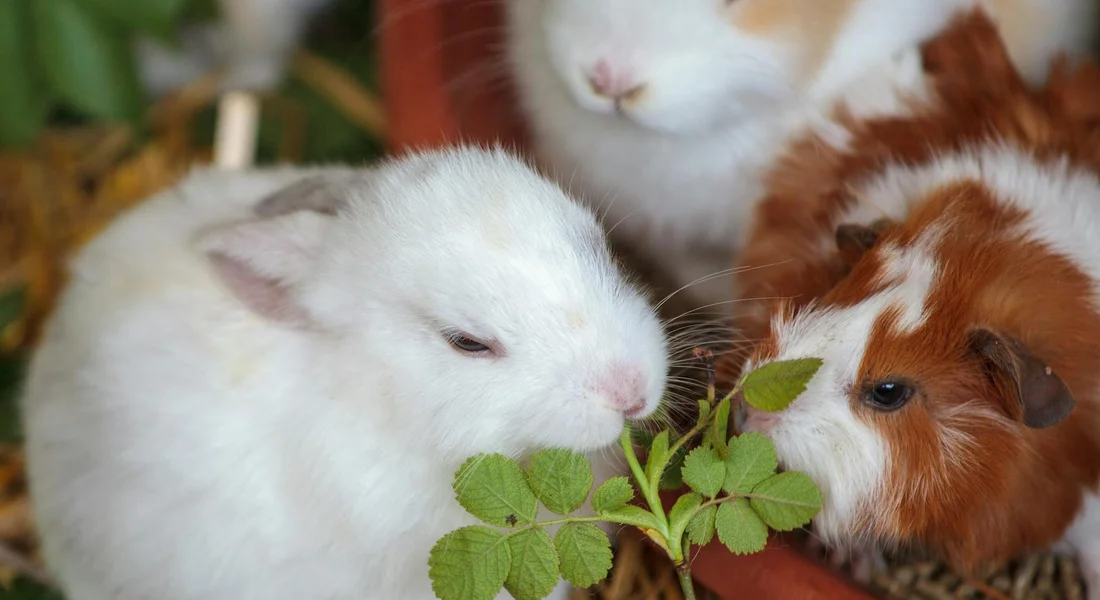
Getting chicory ready for your guinea pig is simple and quick. Always start by washing the leaves under cool running water to remove dirt or any chemical residues. Preparing vegetables for guinea pigs is a routine part of their daily care. This simple step helps keep their diet safe and tasty. I do this for Pepper, Clover, and Biscuit every time to keep their food safe.
Next, pat the chicory dry with a clean towel to prevent sogginess. Chop the leaves into small, bite-sized pieces that are easy for your pet to munch on. This helps avoid choking and makes eating more comfortable.
Serve the chicory raw and fresh in a clean feeding dish. Mix it with other guinea pig-safe veggies like bell peppers or cilantro for a varied diet. From my experience, this keeps meals interesting and nutritious.
Recommended Serving Size and Frequency
Guinea pigs have small stomachs, so portion control is key. Offer about one to two small leaves of chicory per serving, no larger than the size of your palm. I’ve found this works well for my trio without overloading them. Daily, use vegetables as a small, steady part of their diet rather than a large daily haul. Aim to offer daily greens in small portions and balance with unlimited hay.
Feed chicory two to three times a week as part of a balanced diet. Rotate it with other greens to prevent boredom and ensure nutritional variety. For example, I alternate with romaine lettuce or parsley for Clover’s meals.
Monitor your pet’s reaction to adjust servings. If you notice soft stools, reduce the amount or frequency immediately. This simple check helps maintain their digestive health.
Potential Health Benefits and Risks of Chicory

Chicory packs a punch with vitamins and fiber that support guinea pig wellness. Its high fiber content aids digestion and can prevent issues like bloating. I’ve seen Biscuit’s coat shine brighter since adding it to her diet. Leafy greens are common foods guinea pigs have as part of their daily diet. Chicory helps diversify that menu with extra fiber and nutrients.
Rich in vitamin C, chicory helps boost immunity and overall vitality. This is crucial since guinea pigs can’t produce their own vitamin C. Regular, moderate servings have kept Pepper energetic and happy. That brings up the question: how much vitamin C do guinea pigs need daily? The exact amount varies, but including vitamin C-rich greens like chicory helps ensure they get enough every day.
Overfeeding chicory may lead to gas or diarrhea due to its natural compounds. Stick to recommended amounts to avoid discomfort and prioritize your pet’s comfort. Always remove uneaten portions to keep their habitat clean and safe.
Comparing Chicory to Other Common Edible Greens

I often rotate through a variety of greens for my own guinea pigs, Pepper, Clover, and Biscuit, and I’ve found chicory holds its own quite well. Its slightly bitter taste provides a different sensory experience that can stimulate a picky eater’s appetite. Let’s look at how it stacks up against some other popular choices.
Nutritional Standouts
Chicory is a powerhouse in certain areas. It’s generally lower in calcium than some other greens, which is a huge plus for preventing urinary issues in sensitive pigs. Here’s a quick breakdown of how it compares:
- Romaine Lettuce: Milder in flavor, but can sometimes be higher in water content with less overall nutrient density compared to chicory.
- Kale: A nutritional superstar, but its high calcium and oxalate content means it should be a more occasional treat than a daily staple like chicory can be.
- Parsley: Packed with Vitamin C, but also very high in calcium, making chicory a safer choice for regular feeding.
- Dandelion Greens: Very similar to chicory in nutritional profile and both are considered excellent, balanced greens for a daily diet.
From my experience, my guinea pig Biscuit, who is more reserved, seems to prefer the crunch of romaine, while the ever-graceful Clover will always go for the chicory first. This variation in preference is completely normal and why offering a mix is so beneficial.
What to Do If Your Guinea Pig Eats Too Much Chicory
Even with the best intentions, a guinea pig might overindulge, especially if they discover a new favorite food. Acting calmly and quickly is your best strategy if you suspect your pet has eaten too much chicory. To prevent foraging risks, it’s helpful to know the 10 common foraging mistakes that could poison your guinea pig. Being aware of these can guide safer feeding choices at home.
The primary concern with overconsumption is digestive upset. Here are the immediate steps I take and recommend:
- Remove All Remaining Chicory: Take the uneaten portion out of the cage immediately to prevent further eating.
- Provide Unlimited Hay: Timothy hay or another grass hay is essential for getting their sensitive digestive system back on track. It provides the necessary fiber.
- Ensure Fresh Water is Available: Good hydration helps everything move through their system smoothly.
- Monitor Closely for 24 Hours: Watch for any changes in behavior, appetite, or droppings.
Signs to Watch For
Be on the lookout for specific symptoms that indicate a vet visit is needed. Trust your instincts; you know your pet’s normal behavior better than anyone.
- Lethargy or unusual lack of movement
- A bloated or hard stomach
- Significant reduction in the number or size of droppings
- Diarrhea or very soft stools
- Loud, painful-sounding gurgles from their belly
I remember one time my gentle pig, Pepper, managed to sneak an extra-large helping of greens. Watching him closely and ensuring he had plenty of hay and water was enough to resolve the issue within a day. However, if you see any of the more serious signs, do not hesitate to contact your veterinarian.
FAQs
What is chicory and is it good for guinea pigs?
Chicory is a leafy green vegetable that offers nutritional benefits for guinea pigs. It is rich in vitamin C and fiber, making it a healthy occasional treat that you can use as an alternative to lettuce and romaine when feeding your pets.
Are chicory stalks safe for guinea pigs?
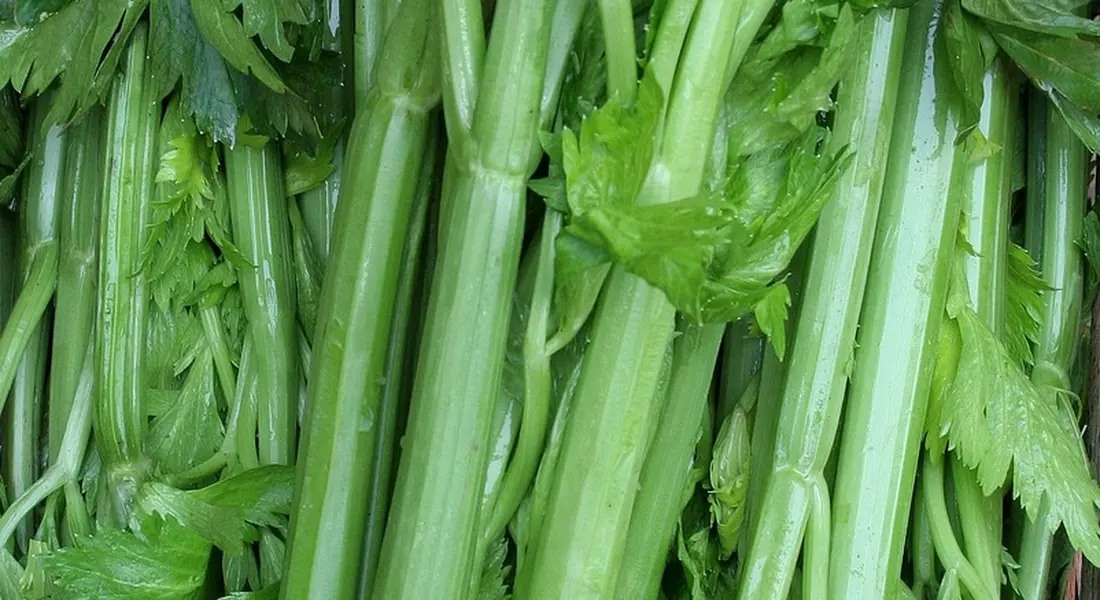
Chicory stalks are safe but can be tough and harder to digest. Offer them in small, chopped pieces to prevent choking and ensure they are fresh and washed.
Can chicory cause allergies in guinea pigs?
Allergic reactions to chicory are uncommon in guinea pigs. Watch for symptoms like skin irritation or digestive upset and stop feeding if any issues arise.
Should chicory be fed raw or cooked to guinea pigs?
Chicory should always be fed raw to preserve its nutrients and avoid digestive problems. Cooking can break down essential vitamins and alter its texture.
Are there better greens than chicory for guinea pigs?
Chicory is a good option, but variety is key for a balanced diet. Rotate with other safe greens like romaine lettuce or bell peppers to provide diverse nutrients.
Your Guinea Pig’s Health and Chicory: A Quick Recap
Chicory is a safe, vitamin-rich addition to your guinea pig’s diet when fed in small, washed portions. Introduce it gradually to prevent tummy troubles, just like I do with my own guinea pigs Pepper, Clover, and Biscuit. For more ideas on safe vegetables and greens, check out this guide on guinea pig diet.
Keep learning about your pet’s nutritional needs to ensure their long-term well-being. Opting for sustainably grown greens supports animal welfare and a healthier environment for all.
Further Reading & Sources
- Vegetables for Guinea Pigs: Radicchio – YouTube
- What Do Guinea Pigs Eat? Foods for Happy, Healthy Pigs | PETA
- Guinea Pig Diet: What to Feed Your Guinea Pig | Petco
- Can Guinea Pigs Eat Endive, Escarole, And Chicory? (How Much Is Safe?) – Precisely Pets
Kate is a passionate guinea pig owner and advocate for small pet welfare. With over a decade of experience caring for guinea pigs, she has become a trusted voice in the small pet community.
Uncategorized