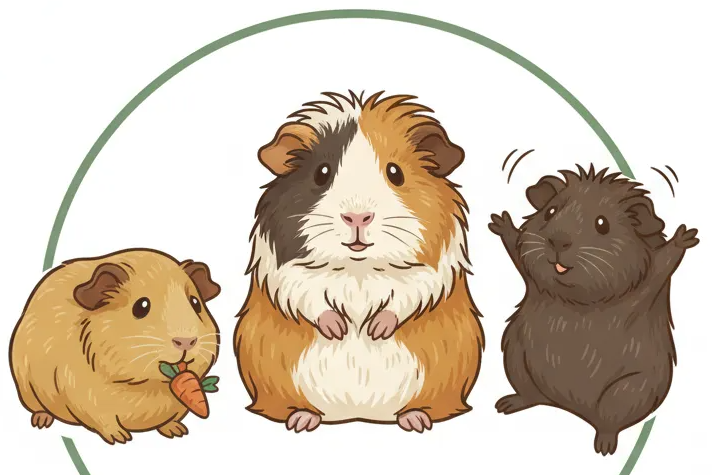
Can Guinea Pigs Overeat and Become Overweight?
Hello CavyFam! You love watching your guinea pigs munch away, but you might wonder if they can overeat and gain too much weight. It’s a common worry for pet owners who just want to keep their furry friends healthy and happy.
We’ll explore the signs of overeating, how to manage healthy portions, and safe ways to help your guinea pig maintain a good weight. I’ve learned all this through caring for my own guinea pigs-Pepper, Clover, and Biscuit-each with their unique appetites and needs.
Understanding Guinea Pig Eating Behavior
Guinea pigs are natural grazers, designed to munch on fibrous grasses throughout the day. Their digestive systems are built for a near-constant, slow intake of food to keep their gut moving properly. I’ve watched my own herd-Pepper, Clover, and Biscuit-and they follow this pattern perfectly, with their main activity revolving around their hay rack.
This constant eating isn’t a sign of greed; it’s a biological necessity. If they stop eating, even for a few hours, their health can decline rapidly. The challenge in a home environment is that we provide more than just grass. We offer tasty pellets and vitamin C-rich veggies, which are far more calorie-dense than their natural diet.
My gentle Pepper will happily eat beyond his need if I offer too many carrot slices. It’s our responsibility to manage their portions, not restrict their access to the low-calorie hay that is essential for their health.
Signs Your Guinea Pig Is Overeating or Overweight
It can be tricky to spot weight gain under all that fur. I perform a simple check on my pigs every week during their health inspection. Run your fingers gently along your guinea pig’s sides; you should be able to feel their ribs without pressing hard, much like feeling the ridges on a washboard. If you have to push to find them, it’s a clear sign of excess weight.
Physical Signs to Look For
- A round, bulging belly that sags and touches the ground when standing.
- No visible waistline when viewed from above; their body appears oval-shaped.
- Fat deposits, often felt as soft, squishy areas around the shoulders and base of the tail.
- Difficulty moving or a reluctance to run and popcorn during floor time.
Behavioral Red Flags
Watch how your pig interacts with food and its environment. A guinea pig that consistently ignores its Timothy hay in favor of waiting for high-calorie treats is displaying a classic overeating behavior. My thoughtful Clover, for instance, will strategically position herself by the cage door around veggie time.
- Finishing pellet bowls rapidly and begging for more immediately.
- Showing less interest in exploration and play, becoming more sedentary.
- Labored breathing or wheezing after minimal activity.
Keeping a small weekly weight log is one of the most effective tools. A steady, gradual increase in weight over time is a more reliable indicator than a single measurement. A digital kitchen scale works perfectly for this. Catching these signs early allows you to adjust their diet before serious health issues develop.
Health Risks of Obesity in Guinea Pigs
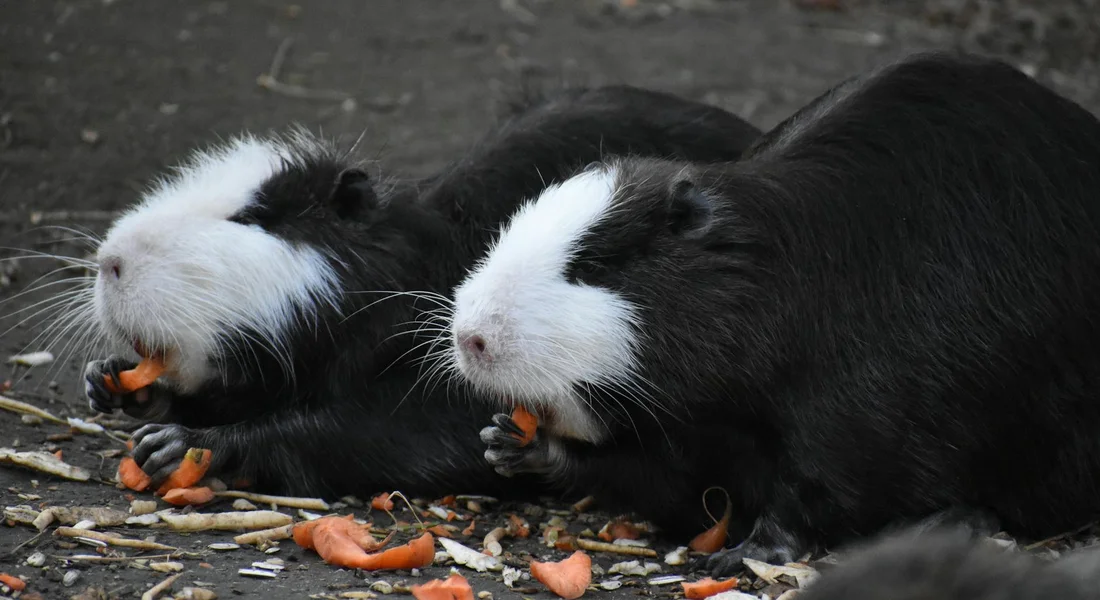
An overweight guinea pig faces more than just a rounder shape; their entire body system is under strain. Excess weight puts significant pressure on their tiny joints, making movement painful and increasing the risk of arthritis.
Their respiratory system also suffers. I’ve noticed my own pig, Biscuit, would get winded easily during playtime when he was a bit heavier. Fat deposits in the chest cavity can physically restrict lung expansion, leading to labored breathing.
Impact on Digestive and Dental Health
Their delicate digestive system is particularly vulnerable. Obesity is a major contributor to gastrointestinal stasis, a dangerous condition where the gut slows down or stops moving entirely.
Their teeth are another major concern. Guinea pig teeth grow continuously, and a proper diet of roughage is needed to wear them down. If a pig overeats soft, sugary foods instead of fibrous hay, their teeth can become painfully overgrown, leading to an inability to eat. My Clover once needed a dental trim because she was favoring treats over timothy hay.
Causes of Weight Gain in Guinea Pigs
Weight gain in guinea pigs doesn’t happen overnight. It’s a slow creep often caused by a combination of too many calories and too little activity.
Dietary Factors Leading to Overeating
The primary culprit is almost always the diet. It’s easy to overdo it with the foods they love most.
- Unlimited Pellet Feeding: High-quality pellets are nutritious, but they are also calorie-dense. Leaving a full bowl out all day invites constant snacking.
- Excessive Treats: Commercial treats, fruits, and carrots are high in sugar. I learned this the hard way with Pepper, who would devour a carrot slice in seconds. These should be tiny, occasional rewards.
- Insufficient Hay: Timothy or orchard grass hay should make up about 80% of their diet. It’s high in fiber and low in calories, perfect for keeping them full and their digestion running smoothly.
Role of Exercise and Environment
Diet is only half the story. A sedentary lifestyle in a boring environment is a sure path to weight gain.
A small, cluttered cage with no open space discourages running and “popcorning,” their joyful leaps that are great exercise.
From my experience, a simple change made a huge difference for my herd.
- I expanded their cage to give them a long, open runway for sprints.
- I started providing daily “floor time” in a safe, enclosed area with tunnels and hideys placed far apart to encourage exploration.
- I began using foraging toys and scattering their daily veggie ration around the cage to make them work for their food.
An enriched environment that promotes natural foraging and movement is your best defense against a lazy, overweight guinea pig. In our complete guide for foraging your guinea pig, you’ll find practical enrichment ideas and step-by-step tips for setting up engaging foraging stations. Turn feeding time into a stimulating foraging routine that keeps your guinea pig active and healthy.
Preventing Overeating and Obesity
Healthy Feeding Guidelines
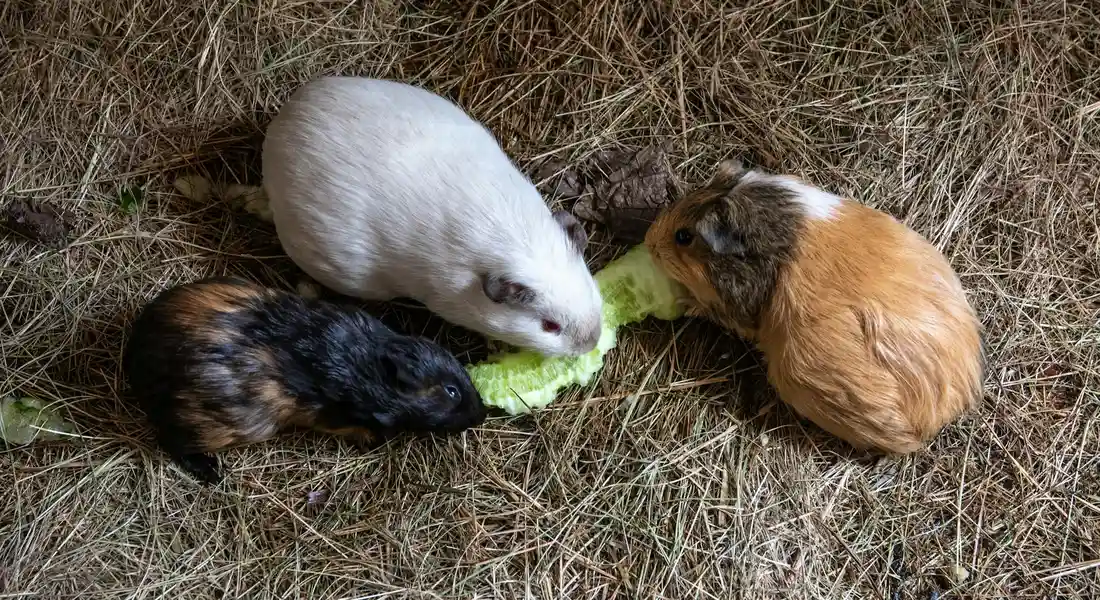
Guinea pigs have hearty appetites, but overfeeding can sneak up on you. I stick to a balanced routine with Pepper, Clover, and Biscuit to keep them at a healthy weight. Guinea pigs are herbivores, not omnivores, so their nutrition comes from plant foods. Start by offering unlimited timothy hay, which supports digestion and keeps them busy chewing. A plant-based menu of hay, fresh vegetables, and fortified pellets keeps them healthy.
- Measure pellets to 1/8 cup per pig daily-no free-feeding.
- Include fresh veggies like bell peppers or romaine lettuce, but limit high-sugar options.
- Skip treats with added sugars; opt for occasional herbs like cilantro instead.
Timing matters too. I feed my crew twice a day to mimic natural grazing and prevent boredom eating. Watch for uneaten food-it’s a sign you might be giving too much.
Encouraging Physical Activity
Exercise is key for burning calories and mental stimulation. Create a safe play space with tunnels and hideouts to spark their curiosity. My guinea pigs, especially Clover, love exploring new setups during floor time.
- Rotate toys weekly to keep things fresh and engaging.
- Use ramps or low platforms in their cage to encourage climbing.
- Schedule daily supervised out-of-cage time for running and exploring.
Interactive play strengthens bonds and keeps weight in check. I’ve noticed Biscuit becomes more active when I hide veggies for her to find. Simple changes like this make a big difference.
Helping an Overweight Guinea Pig Lose Weight
Diet Modifications for Weight Control
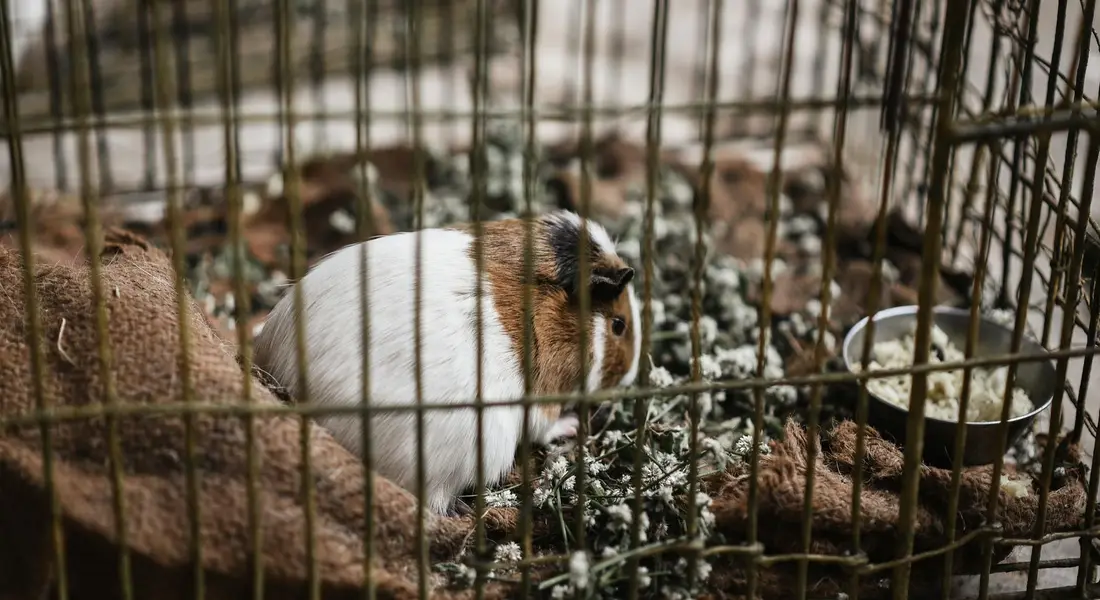
If your guinea pig packs on extra pounds, adjust their diet gently. Cut back on pellets first, as they’re calorie-dense, and boost hay intake for fullness. I did this with Pepper when he started looking rounder, and it helped without stressing him. As a quick guideline, most guinea pigs do well with about 1/8 cup (2 tablespoons) of pellets per day, with unlimited hay.
- Reduce pellets by half and monitor their energy levels.
- Increase timothy hay to at least 80% of their diet for fiber.
- Choose low-calorie veggies like cucumber or zucchini over carrots.
Weigh your pig weekly to track progress. Weighing your guinea pig at home weekly helps you spot subtle changes early, so you can act quickly. Regular home checks also make it easier to catch illnesses before they become serious. Slow, steady loss is safer than rapid changes—aim for no more than 10% body weight drop per month. Always consult a vet for a tailored plan to ensure their well-being.
When to Seek Veterinary Care
As a long-time guinea pig owner, I’ve learned that their small bodies can change quickly. Any sudden or dramatic shift in your pet’s eating habits or body shape warrants an immediate vet visit. It’s better to be safe and get a professional opinion than to wait and hope a problem resolves itself.
You know your guinea pigs best. I’ve noticed with my own herd that when gentle Pepper stops rumbling for veggies or graceful Clover stops popcorning, something is usually wrong. Trust your instincts-if you feel something is off, it probably is.
Physical Signs You Shouldn’t Ignore
Regular, gentle handling helps you spot problems early. Here are the physical red flags I always check for:
- You can no longer feel their ribs with a gentle press. There should be a thin fat layer, but the ribs shouldn’t be buried.
- A pronounced, swaying back or a large, pendulous belly that drags on the ground.
- Difficulty walking or moving around their enclosure, often due to joint pain from excess weight.
- Develops a greasy, unkempt coat because they can no longer reach all areas to groom themselves properly.
- Noticeable fat rolls around the neck and legs, sometimes leading to painful skin fold infections.
Behavioral Changes That Signal Trouble
Weight issues affect more than just their physique. A lethargic guinea pig is often an unhealthy guinea pig. Watch for these behavioral shifts:
- Becomes withdrawn, spending most of the day hiding and not interacting with cage mates.
- Shows a sudden, unexplained loss of appetite or, conversely, acts ravenously hungry all the time.
- Stops “popcorning” (those joyful little jumps) and running around during floor time.
- Seems to have labored or noisy breathing, even when at rest.
My reserved Peruvian, Biscuit, once became completely still and puffed up, which was my cue to rush to the vet. Rapid weight gain or loss is never normal and requires a diagnosis. A sudden increase could point to serious conditions like heart disease or fluid retention, not just overeating.
What to Expect at the Vet
Your veterinarian is your partner in your pet’s health. A proper visit for a suspected weight problem should include:
- A precise weight check and body condition score.
- A thorough physical exam, including listening to the heart and lungs.
- A discussion about your guinea pig’s exact diet, treats, and exercise routine.
- Possible diagnostic tests to rule out underlying illnesses like thyroid issues or diabetes.
Your vet will help you create a safe, tailored weight management plan. Never put an overweight guinea pig on a drastic “crash diet,” as this can cause deadly digestive stasis. Their unique digestive systems need a steady flow of fiber to function correctly. A guinea pig weight guide with healthy ranges helps you track progress. Regular monitoring lets you catch small changes early.
FAQs
What are the overheating symptoms in guinea pigs?
Overheating symptoms include heavy panting and lethargy, often seen in warm environments. Providing cool, shaded areas and fresh water can help prevent heat stress.
Do guinea pigs love eating?
Yes, guinea pigs are enthusiastic eaters due to their natural grazing instincts. They often show excitement through vocalizations and eager movements at meal times. That leads to the question of what normal guinea pig eating habits look like. Typically, they nibble on hay almost constantly, with small, steady portions of veggies and pellets throughout the day.
Is there a video of a guinea pig that loves eating?
Yes, many entertaining videos feature guinea pigs joyfully eating various foods. You can easily find them on video-sharing sites by searching for terms like “guinea pig munching happily.” Some clips even showcase guinea pigs’ favorite food treats, such as tiny carrot pieces or hay-based bites. Watching these videos can spark ideas for safe, tasty treats to share with your own guinea pig.
Why do guinea pigs eat so frequently?
Guinea pigs need to eat often to maintain their digestive system’s constant motion. This behavior helps prevent serious issues like GI stasis by keeping their gut active. Hay, high in fiber, should be the main part of their daily intake to support that ongoing digestion. This is why hay is so important in a guinea pig’s diet.
Can guinea pigs become picky eaters if overfed treats?
Yes, overfeeding tasty treats can lead to picky eating habits as they favor them over healthier options. Limiting treats encourages a balanced diet centered on hay and veggies.
Your Guinea Pig’s Healthy Weight Journey
From caring for my guinea pigs like gentle Pepper and graceful Clover, I’ve learned that preventing overeating starts with measured daily pellets and unlimited timothy hay. Pairing this with regular floor time for exercise helps maintain their ideal weight and prevents obesity-related issues.
Responsible ownership means continuously learning about their dietary needs and choosing eco-friendly options like biodegradable bedding. Staying curious about guinea pig care not only keeps them happy but also supports a healthier environment for all pets.
Further Reading & Sources
- What to do when your guinea pig is overweight – GuineaDad
- r/guineapigs on Reddit: My guinea pigs becoming fat. more in comments
- Signs Your Rabbit or Guinea Pig is Overweight or Underweight
- Very Thin More than 20% below ideal body weight 1 Thin Between 10-20% below
Kate is a passionate guinea pig owner and advocate for small pet welfare. With over a decade of experience caring for guinea pigs, she has become a trusted voice in the small pet community.
Uncategorized