How Much Water Should Guinea Pigs Drink Daily?
Hello CavyFam! Are you ever unsure if your guinea pig is drinking enough water each day? It’s a common worry that can leave you feeling anxious about their well-being.
In this article, I’ll cover the ideal daily water amount, key factors affecting intake, signs of dehydration, and simple tips to promote hydration. With years of experience caring for guinea pigs like Pepper, Clover, and Biscuit, I offer trusted advice to keep your pets happy and healthy.
Understanding Your Guinea Pig’s Daily Water Needs
Guinea pigs usually drink between 100 and 300 milliliters of water every day to support their bodily functions and digestion. Keeping a close eye on their water bottle helps you spot any sudden changes that could signal health issues. I’ve noticed with my own guinea pigs-Pepper, Clover, and Biscuit-that their intake can vary based on individual habits and daily routines.
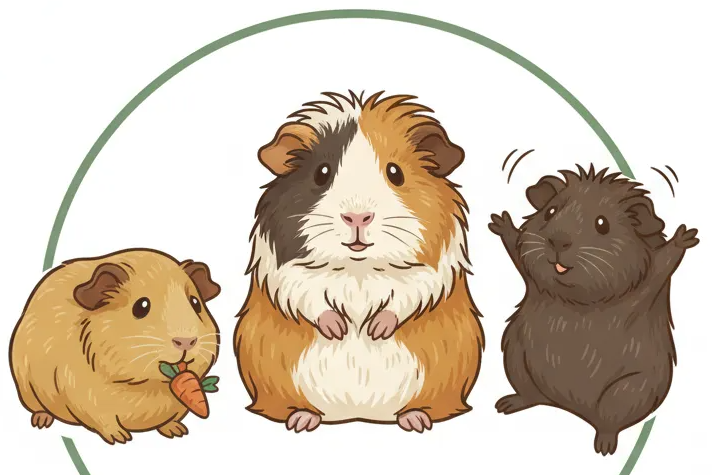
For instance, Pepper, my gentle American guinea pig, tends to sip steadily throughout the day, averaging around 150 ml. Regular monitoring ensures they stay hydrated without over-drinking, which can sometimes happen in stressed or hot environments. Clover, the graceful Abyssinian, often drinks a bit more, especially after munching on fresh veggies, while Biscuit, the reserved Peruvian, is more cautious and might need encouragement.
- Always provide fresh, clean water in a drip-free bottle to prevent spills and contamination.
- Check water levels at least twice daily to gauge how much they’re consuming.
- Use a marked bottle to track intake easily and adjust based on their behavior.
Key Factors That Influence Drinking Frequency
Several elements can affect how often your guinea pig reaches for water, and understanding these helps you tailor their care. Diet plays a huge role, as watery vegetables like cucumber can reduce their need for extra hydration. From my experience, when I feed Clover and Biscuit high-moisture foods, I see them drink less from their bottle. An ideal overall diet for a healthy guinea pig centers on hay, fresh veggies, and a small amount of pellets. This balance supports digestion, dental health, and steady hydration.
Age and Life Stage
Younger guinea pigs, like Biscuit who’s just a year old, may drink less than adults because they’re still growing and have different metabolic rates. Older pigs, such as Clover at three years, might need more water to support joint health and digestion. I always make sure senior guinea pigs have easy access to water to prevent dehydration.
Environmental Temperature
Warmer rooms or seasons can increase water consumption as guinea pigs pant and lose moisture. In summer, I’ve seen Pepper drink up to 50% more to stay cool, so I add ice cubes to their water bottle occasionally. During hot weather, follow summer care tips like keeping the cage shaded and well-ventilated. A small fan and frequent water changes can help them stay cool. Keep their habitat in a shaded, well-ventilated area to minimize stress.
Health and Activity Levels
Illnesses like urinary infections or dental problems can alter drinking habits, so watch for signs like lethargy or changes in appetite. Active guinea pigs, especially during playtime, will naturally drink more to replenish fluids lost through movement. However, if your guinea pig suddenly stops drinking, it could indicate a problem. With Biscuit’s intelligent but reserved nature, I encourage hydration by placing water near her favorite hideouts.
- Monitor for sudden increases or decreases in drinking, which could indicate a vet visit is needed.
- Adjust water offerings based on diet-reduce if feeding watery treats, increase with dry pellets.
- Ensure water is always at room temperature to avoid shocking their sensitive systems.
Recognizing Proper Hydration vs. Dehydration Symptoms
Your guinea pig’s hydration status directly impacts their energy and health. I check on my own guinea pigs, Pepper, Clover, and Biscuit, every single day to make sure they are drinking well and showing no warning signs. A well-hydrated piggy is active, has bright eyes, and produces plenty of urine-soaked bedding.
Signs of a Well-Hydrated Guinea Pig
- Bright, clear eyes without any crustiness.
- Supple skin that snaps back quickly when you gently pinch and pull the scruff on their back.
- Consistent, formed droppings that are moist but not overly soft.
- Normal activity levels for their personality; my gentle Pepper stays steady, while graceful Clover continues her curious explorations.
Red Flags for Dehydration
- Sunken or dull-looking eyes.
- Skin that stays tented or returns to normal very slowly after the pinch test.
- Small, hard, or very dry-looking droppings.
- Noticeable lethargy or lack of interest in favorite veggies.
- A water bottle that doesn’t seem to go down at all over 24 hours.
If you see any combination of these dehydration symptoms, it is a situation that requires immediate veterinary attention. Guinea pigs can deteriorate quickly, so never wait to see if they improve on their own. This is especially important to distinguish from signs of hibernation or dying.
| Hydration Status | Skin Elasticity (Pinch Test) | Dropping Appearance | Energy Level |
|---|---|---|---|
| Well-Hydrated | Snaps back instantly | Moist, oval-shaped | Normal and active |
| Dehydrated | Slow to return or stays tented | Small, hard, dry | Lethargic, hunched |
Practical Hydration Tips for Optimal Guinea Pig Health
Keeping your guinea pig happily hydrated goes beyond just filling a water bottle. From my years of caring for my trio, I’ve learned that small, consistent habits make the biggest difference for their long-term well-being. Here is how I ensure Pepper, Clover, and Biscuit get the fluids they need. Since guinea pigs can’t synthesize vitamin C, I pair water with vitamin C–rich diet to support their health.
Make Water Irresistible
- Provide fresh water twice daily. I change their water every morning and evening. Stagnant water can grow bacteria and lose its appeal.
- Use a sturdy, drip-free water bottle. Position it at head height so they don’t have to strain their necks to drink.
- Wash the bottle thoroughly every time you refill it. Use a bottle brush to scrub away any slimy biofilm inside.
Incorporate Water-Rich Foods
Vegetables are a fantastic source of supplemental water. I always include high-moisture veggies like cucumber, bell pepper, and romaine lettuce in their daily salad. This is especially helpful for pigs like my reserved Biscuit, who sometimes needs that extra encouragement to take in fluids.
- Cucumber (sliced)
- Bell Peppers (all colors, seeds removed)
- Romaine Lettuce
- Celery (chopped very finely to prevent choking)
- Zucchini
Monitor and Encourage Drinking
Pay attention to your pet’s individual habits. I make a mental note of how much each of my guinea pigs typically drinks so I can spot a change immediately. If you’re worried about low intake, try these tricks.
- Offer a shallow, heavy ceramic bowl of water in addition to the bottle. Some pigs prefer drinking from a bowl.
- During hot weather, add an extra ice cube to their water bottle to keep it cool and refreshing.
- Ensure their habitat is in a quiet, low-stress area, as a nervous pig may not drink enough.
Choosing the Right Water Accessories: Bottle vs Bowl
Your guinea pig’s hydration setup makes a huge difference in how much they actually drink. I’ve tested both bottles and bowls with my own trio—Pepper, Clover, and Biscuit—and each has distinct pros and cons. This quick comparison pins down the definitive pros and cons of water bottles vs water bowls for guinea pig hydration. The right choice often depends on your pet’s personality and your cage setup. That way you can choose the setup that best matches your cavy’s habits and cage design.
Water Bottle Selection and Maintenance
A good water bottle keeps water clean and prevents bedding from getting soaked. Look for a glass or BPA-free plastic bottle with a stainless-steel ball-bearing sipper tube. Glass is my personal favorite because it doesn’t absorb odors or cloud over time.
- Choose the right size: A 16-ounce bottle is perfect for one or two guinea pigs.
- Listen for the ball bearing: You should hear a soft “click” when it works properly.
- Test the flow daily: Gently press the ball to ensure water comes out easily.
Cleaning is non-negotiable. I wash my bottles with a bottle brush and vinegar solution every two days to prevent slime buildup. Properly cleaning and maintaining guinea pig water bottles is essential. Regular checks for leaks and clogs help prevent this. A dirty bottle can harbor bacteria that deter your pet from drinking. Biscuit, my Peruvian, once went a whole day without water because his bottle nozzle was clogged with hay-a mistake I never repeated.
Water Bowl Considerations and Placement
Some guinea pigs prefer drinking from bowls like their wild ancestors. Bowls feel more natural but require diligent maintenance to stay clean. My gentle Pepper adores his ceramic bowl, but it gets dirty surprisingly fast. If you’re looking to choose the right food bowl for your guinea pig, a quick guide on material and shape can help. Consider ceramic, stainless steel, or BPA-free plastic and the size that fits your setup.
- Select a heavy, tip-proof material like ceramic or stainless steel.
- Place the bowl on a raised platform or solid surface away from bedding.
- Check for contaminants hourly-bedding and food fall in constantly.
Position matters tremendously. I keep water bowls near their hay rack but far from their favorite “bathroom” corners. This simple placement trick has cut my bowl-cleaning frequency in half. Graceful Clover would rather stay thirsty than drink from a bowl with a single piece of floating debris.
| Feature | Water Bottle | Water Bowl |
|---|---|---|
| Hygiene | Stays cleaner longer | Gets dirty quickly |
| Natural Drinking | Less natural position | More natural posture |
| Spill Risk | Minimal leakage | High spill potential |
Water Quality and Temperature Guidelines
Clean, fresh water is the foundation of good hydration. I use filtered tap water for my herd because our local water has a strong chlorine taste that they dislike. Letting tap water sit for 24 hours before serving can help dissipate chemicals.
- Avoid distilled water: It lacks beneficial minerals.
- Never give carbonated or flavored water.
- Change water completely at least once daily.
Temperature affects drinking behavior more than most owners realize. Guinea pigs prefer cool (not cold) water that matches room temperature. I learned this when reserved Biscuit refused ice-cold water during a heatwave but drank eagerly once it warmed slightly. Room temperature water around 65-75°F (18-24°C) mimics the temperature of fresh puddles and streams in their natural habitat. That same range is considered the ideal temperature range for guinea pigs. Maintaining both their water and living space in this band supports comfort and steady hydration.
Watch for drinking changes like sudden increases or decreases. Any major shift in water consumption warrants an immediate vet visit. My thoughtful Clover once doubled her water intake overnight, which turned out to be an early UTI sign we caught just in time.
FAQs
How can I prevent my guinea pig’s water bottle from leaking?
Check that the bottle is tightly sealed and the sipper tube’s ball bearing moves freely. Replace any worn parts or the entire bottle if leaks persist to avoid a wet cage.
Are waterproof cage liners necessary for guinea pig cages?
Waterproof liners protect the cage base from moisture and make cleanup easier. They help maintain a dry environment, reducing the risk of mold and bacteria growth.
Is it safe to use a water bottle made for humans with my guinea pig?
No, human water bottles are not designed for guinea pigs and may have unsafe materials or poor flow. Always choose bottles specifically for small pets to ensure proper hydration and safety. For more tips on keeping guinea pigs safe around water, see the guinea pigs get wet water safety guide. It covers choosing safe bottles and how to prevent leaks or spills that could wet your pet.
What should I do if my guinea pig has watery, crusty eyes and isn’t eating?
This could signal an infection or dental problem requiring urgent vet care. Offer fresh water and high-moisture veggies, but seek professional help to address the underlying issue.
Do I need a drip tray for my guinea pig’s water bottle?
A drip tray catches leaks and spills, keeping the cage drier and cleaner. It’s especially useful if your bottle tends to drip or in multi-level habitats.
Your Guinea Pig’s Hydration Health
From my time caring for Pepper, Clover, and Biscuit, I’ve seen how vital consistent water access is-aim for 100-300 ml daily per pig and always use a clean bottle or bowl. Observing their habits closely helps you spot changes early, ensuring they stay happy and hydrated.
Responsible ownership means committing to ongoing learning and choosing eco-friendly supplies, like reusable water containers, to protect both your pets and the planet. Every small step you take builds a healthier life for your guinea pigs and a greener world for all.
Further Reading & Sources
- Guinea pigs – food and water
- How to Feed Water to Guinea Pigs | Do They Need Water?
- What Do Guinea Pigs Drink? – Lafeber Co. – Small Mammals
- Drinking Water for Rabbits & Guinea Pigs (Pet Parent Guide)
Kate is a passionate guinea pig owner and advocate for small pet welfare. With over a decade of experience caring for guinea pigs, she has become a trusted voice in the small pet community.
Uncategorized