How to Clean a Guinea Pig Cage Properly: A Step-by-Step Guide
Hello CavyFam! Does the thought of cleaning your guinea pig’s cage make you anxious about mess and lingering odors?
You want a fresh, safe space for your pets, but figuring out the best approach can feel overwhelming.
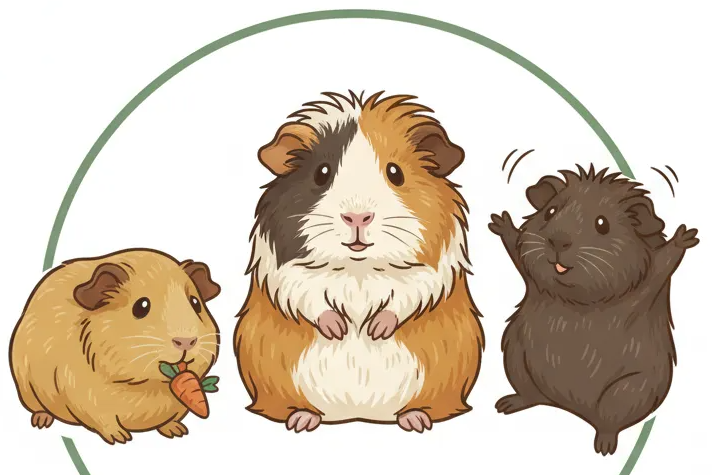
In this guide, I’ll cover gathering safe supplies, a simple step-by-step cleaning routine, ideal frequency, and ways to reduce stress for your pets. Having cared for my own guinea pigs-Pepper, Clover, and Biscuit-for years, I’ve honed methods that keep their home sparkling and them content.
Why Regular Cage Cleaning is Essential for Your Guinea Pig’s Health
Your guinea pig’s cage is their entire world. Keeping it clean is the single most effective way to prevent illness and ensure a long, happy life for your pet. I learned this the hard way when my first guinea pig, Pepper, developed a mild respiratory infection from a cage I hadn’t cleaned thoroughly enough. Proper care goes beyond cleaning—daily routines matter, like supplying fresh hay and safe bedding. For more detailed guidance, check out this resource on proper care. With good guinea pig care, you’ll see them happier, healthier, and more active.
Ammonia from urine builds up quickly in soiled bedding. This invisible gas is a major irritant to their sensitive respiratory systems, leading to chronic sniffles and serious infections. Air quality matters for guinea pigs—household scents and cleaning chemicals can linger in the air and affect their health. Keep odors to a minimum for their comfort. A clean cage means your guinea pig can breathe easy.
Damp, dirty bedding is a breeding ground for bacteria and fungus. This can lead to painful conditions like bumblefoot, where their delicate footpads become infected and inflamed. I always check Biscuit’s feet during cleanings to make sure they’re pink and healthy.
A clean environment reduces stress significantly. Guinea pigs are prey animals, and a foul-smelling, messy home keeps them in a constant state of low-grade anxiety. Chronic fear or stress can alter appetite, grooming, and activity—signs that health may be affected. Addressing these cues by maintaining a calm, clean habitat supports healthier behavior. You’ll notice your pets are more active, vocal, and playful in a fresh habitat.
How Often Should You Clean a Guinea Pig Cage?
There isn’t one universal schedule, as it depends on your specific setup and herd. Think of cage cleaning in two distinct layers: daily spot cleaning and a weekly deep clean. For owners building a weekly care routine checklist, this two-layer framework is a must-have. It fits neatly into the weekly guinea pig care routine ultimate checklist for owners. This two-pronged approach has kept my trio of pigs thriving for years.
Daily Spot Cleaning (A 5-Minute Task)
Every single day, you should perform a quick tidy-up. This prevents waste from accumulating and makes the weekly clean much easier.
- Remove soiled bedding and visible droppings from high-traffic areas, especially corners.
- Check and empty any “kitchen” areas where you place hay and pellets.
- Wipe down any damp spots around water bottles.
- Replace any noticeably dirty fleece liners if you use them.
Weekly Deep Clean (The Full Reset)
Once a week, you need to completely strip and sanitize the cage. This non-negotiable routine is your best defense against disease. In a seasonal guinea pig cage maintenance guide, it’s a key part of year-round care. Seasonal tweaks to bedding and ventilation help keep your pig comfortable through all weather changes.
- Move your guinea pigs to a secure, temporary playpen or carrier.
- Remove all toys, hideys, food bowls, and water bottles.
- Dispose of all old bedding and substrate.
- Wash the entire plastic base with a vinegar-and-water solution (50/50 mix).
- Scrub all accessories with the same safe cleaner and rinse thoroughly.
- Dry everything completely before adding fresh bedding and returning your pets.
Factors That Change Your Schedule
Your cleaning frequency isn’t set in stone. You must adjust it based on these key factors to meet your pets’ unique needs.
| Factor | How It Affects Cleaning |
|---|---|
| Cage Size | Larger cages (like a 2×4 C&C grid or bigger) can often go a full week. Smaller cages need more frequent full cleanings, sometimes twice weekly. |
| Number of Pigs | My three girls create more waste than a single pig. More guinea pigs means you’ll need to clean more often. |
| Bedding Type | Absorbent paper or aspen bedding may last a week. Fleece liners require daily spot cleaning and washing every 3-4 days. |
| Your Guinea Pig’s Habits | Some pigs are tidier than others! Clover, for instance, uses one specific corner as a bathroom, making spot cleaning a breeze. |
The best indicator is your own nose and eyes-if the cage smells or looks dirty before your scheduled clean, it’s time to clean it. Your pets will thank you for your vigilance.
Safe Cleaning Supplies for Guinea Pig Cages
Your guinea pig’s home needs cleaning products that are tough on grime but gentle on their health. I rely on a simple white vinegar and water solution for most weekly cleans, as it cuts through urine scale without harsh fumes. For guinea pig cages, I stick to natural, safe cleaning products and avoid scented cleaners. Always rinse thoroughly to remove any residue before your pig returns home.
What to Avoid in Cleaning Products
Many common household cleaners pose serious risks to your small pets. Their sensitive respiratory systems can’t handle the chemicals we use every day.
- Bleach and ammonia-based cleaners: These release powerful fumes that can burn lung tissue and cause long-term respiratory damage.
- Pine or cedar-scented products: The phenols in these scents are toxic to small animals and can cause liver complications.
- Essential oils: Even natural oils can be overwhelming and hazardous to a guinea pig’s delicate system.
- Antibacterial soaps with triclosan: These can disrupt your pet’s natural gut flora and lead to digestive issues.
Sticking to basic, unscented products is the safest path for your furry family members. I learned this the hard way when one of my first guinea pigs, Pepper, started sneezing after I used a “pet-safe” scented spray.
Step-by-Step Deep Cleaning Process
A thorough cage cleaning ensures your pets have a fresh, healthy environment. I perform this deep clean for my trio-Pepper, Clover, and Biscuit-every single week without fail.
Step 1: Safely Remove Your Guinea Pigs and Accessories
Start by gently moving your pets to a secure temporary space. I use a small pet playpen with a cozy hidey and some fresh veggies to keep them occupied.
- Lift your guinea pigs calmly, supporting their entire body.
- Remove all food bowls, water bottles, toys, and hideouts.
- Place soiled fabric items like cuddle cups directly into a laundry bag.
Creating a stress-free transition for your pets makes the entire cleaning process smoother for everyone involved.
Step 2: Remove and Dispose of Old Bedding
Clear out all the used bedding material from the cage base. I shake loose hay and debris into a trash bag before wiping the pan.
- Wear a dust mask if you’re sensitive to hay dust or allergens.
- Compost soiled paper-based bedding if your local facilities allow it.
- Use a small hand brush or dustpan to capture every last piece of old bedding.
Getting every bit of old bedding out prevents odor buildup and keeps the new layer fresh for longer.
Step 3: Clean and Disinfect Cage Surfaces
Spray your vinegar solution generously across the entire cage base and walls. Let it sit for five minutes to break down stubborn waste deposits.
- Scrub with a dedicated sponge or brush that you only use for pet cages.
- Pay extra attention to corners where urine tends to accumulate.
- Rinse thoroughly with clean water until no vinegar smell remains.
Proper scrubbing and rinsing eliminates harmful bacteria while ensuring no cleaning residue remains. My guinea pig Biscuit is particularly sensitive and will avoid areas that smell like cleaner.
How to Disinfect Toys and Hideouts
Wooden and plastic accessories need special care to stay clean without being damaged. I use the same vinegar solution for most items.
- Scrub plastic toys with vinegar solution and a brush.
- Wipe wooden items with a damp cloth-never soak them.
- Run fabric items through a gentle laundry cycle with unscented detergent.
Regular disinfection of accessories prevents the spread of bacteria and keeps your pets’ environment truly clean.
Step 4: Dry the Cage Thoroughly
Moisture left in the cage can lead to mold growth and respiratory problems. I use clean towels to wipe everything down, then let it air dry completely.
- Pat dry with absorbent towels, especially in corners and crevices.
- Allow at least 15-30 minutes for full air drying.
- Check for damp spots by running your hand along the cage floor.
Complete drying is non-negotiable for preventing bacterial growth and keeping your pets healthy. My graceful Clover developed a minor respiratory infection once from a slightly damp cage-I’ve been extra careful ever since.
Step 5: Replace Bedding and Return Items
Add a fresh layer of bedding about 2-3 inches deep across the entire cage floor. I use paper-based bedding for my trio since it’s dust-free and absorbent.
- Spread bedding evenly, creating slightly deeper areas in favorite sleeping spots.
- Return hideouts and toys to their familiar positions.
- Refill food bowls with fresh pellets and hay racks with new hay.
Returning items to their usual spots helps your guinea pigs feel secure in their freshly cleaned home. Watching my pets popcorn around their clean cage is one of the most rewarding parts of guinea pig ownership. Popcorning is the term for that burst of playful energy—it’s how they express happiness and curiosity. They often pop around when they feel secure and excited in a clean, stress-free space.
Daily and Weekly Maintenance for Odor Control
A clean cage is a happy, healthy home for your guinea pigs. Establishing a consistent cleaning routine is the single most effective way to control odor and keep your pets thriving. From my experience with Pepper, Clover, and Biscuit, a little daily effort prevents a big weekly chore. Even with a clean cage, sometimes you’ll notice an odor; this is why it’s important to understand why guinea pigs smell and how to control odor effectively.
Your Daily Quick-Clean Checklist
Spend just five minutes each day on these tasks. It makes a world of difference.
- Spot-clean soiled bedding, especially in the “potty corners” where they tend to go.
- Remove any uneaten fresh vegetables to prevent mold and spoilage.
- Refill their hay rack with fresh, fragrant timothy hay.
- Check and refill their water bottle with clean, fresh water.
- Wipe down any visibly wet or dirty spots on cage surfaces.
Your Weekly Deep-Clean Routine
Once a week, you need to do a full reset. I usually do this on a weekend morning.
- Prepare a temporary, safe holding area for your guinea pigs with a hidey-house and some hay.
- Remove all toys, food bowls, water bottles, and hideouts from the cage.
- Dispose of all the old bedding and litter.
- Wash the entire cage base with a 50/50 solution of white vinegar and warm water.
- Scrub all accessories thoroughly with the same vinegar solution and a dedicated brush.
- Rinse everything with clean water and dry completely to prevent mildew.
- Add a fresh, deep layer of absorbent bedding, at least 2-3 inches thick.
- Return all the clean, dry accessories and your happy guinea pigs to their fresh home.
Safety Precautions During Cage Cleaning
Your safety and your pets’ well-being are paramount during cleaning. I learned the importance of these precautions the hard way after a few close calls with my curious trio. A calm and safe process protects everyone involved.
Protecting Your Guinea Pigs
- Always use a secure, enclosed holding bin or a small playpen. An open-top box is an escape risk.
- Place their carrier in a quiet, draft-free area away from other pets and loud noises.
- Never leave them unattended in their temporary space, even for a minute.
- Ensure their holding area has a familiar hideout to reduce stress.
Choosing the Right Cleaning Products
Guinea pigs have extremely sensitive respiratory systems. Harsh chemicals can make them very sick.
- A diluted white vinegar solution is my go-to cleaner; it’s effective, non-toxic, and cuts through urine scale.
- Avoid bleach, ammonia-based cleaners, and strong commercial disinfectants.
- If you must use a stronger cleaner for a specific reason, rinse the cage multiple times with clean water and air it out completely before your pets return.
- Never mix cleaning products, especially vinegar and bleach, as this creates toxic gas.
Protecting Yourself
- Wear disposable gloves to protect your hands from bacteria and moisture.
- Consider wearing a mask if you are sensitive to dust from hay or bedding.
- Wash your hands thoroughly with soap and water after handling soiled bedding and after you finish the entire cleaning process.
Eco-Friendly Cleaning Methods for Guinea Pig Cages
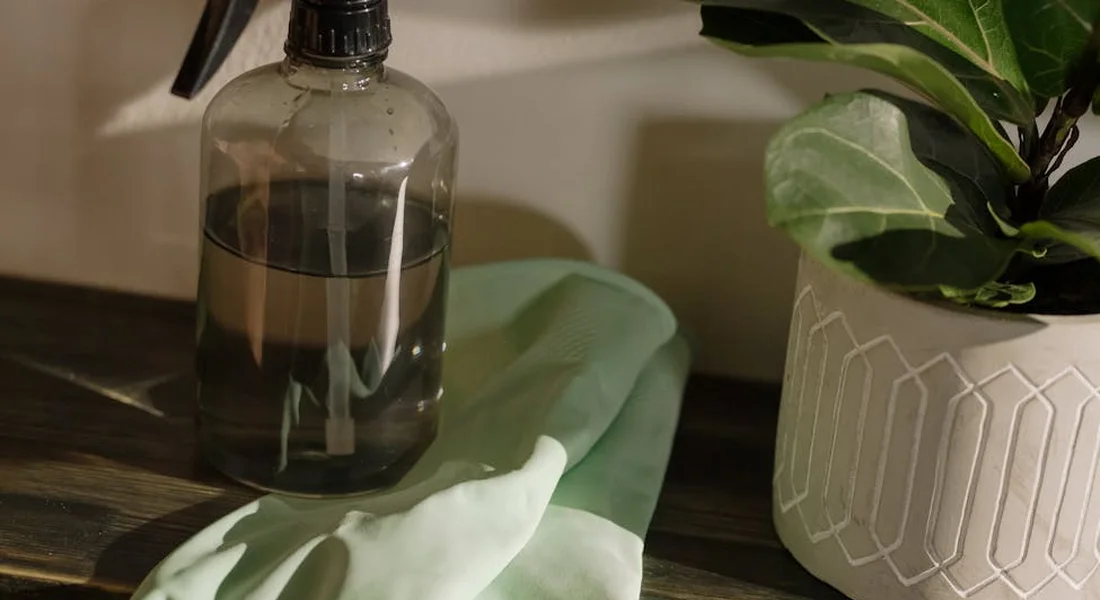
Switching to green cleaning methods protects your pets and our planet. I’ve found that gentle, plant-based cleaners keep my guinea pigs healthier while reducing plastic waste and chemical runoff. My trio-Pepper, Clover, and Biscuit-have sensitive respiratory systems, so I avoid harsh fumes entirely.
White Vinegar: The All-Purpose Cleaner
White vinegar cuts through urine scale and deodorizes naturally. Mix equal parts vinegar and water in a spray bottle for a disinfectant that’s safe for guinea pigs once rinsed. I use this weekly on my cages and notice less sneezing compared to when I used commercial sprays.
- Spray surfaces thoroughly and let sit for 5-10 minutes
- Scrub with a dedicated brush to lift stubborn stains
- Rinse completely with clean water to remove all residue
- Dry with reusable cloths instead of paper towels
Reusable Bedding and Absorption Layers
Disposable bedding creates enormous waste. I layer fleece blankets over absorbent towels, which I can wash and reuse for months. This system saves money and prevents countless bedding bags from entering landfills. My guinea pigs enjoy the soft texture, and I spot-clean soiled areas daily.
- Place a thick bath towel on the cage floor
- Add a fleece blanket on top, ensuring no corners are chewed
- Shake out loose hay and poop into a compost bin daily
- Wash soiled linens twice weekly using fragrance-free detergent
Natural Odor Control with Herbs
Instead of chemical air fresheners, I use guinea pig-safe herbs. Sprinkling dried chamomile or peppermint leaves near (but not inside) the cage creates a pleasant aroma without irritating their lungs. Always research any plant before introducing it near your pets.
- Place herbs in small muslin bags hung outside the cage
- Refresh weekly or when scent fades
- Never use essential oil diffusers-they’re toxic to small animals
Eco-Friendly Waste Disposal
Guinea pig waste is excellent for composting. I maintain a dedicated compost bin for soiled bedding and hay, which eventually enriches my garden soil. This closes the nutrient loop and reduces household garbage significantly.
- Collect soiled bedding in a small countertop container
- Transfer to outdoor compost daily
- Mix with yard waste and turn regularly
- Never compost if using medicinal shavings or treated wood
Common Questions
How should I remove cage bedding safely?
Wear a dust mask to avoid inhaling fine particles from the bedding. Carefully scoop the soiled bedding into a trash or compost bag to minimize dust dispersal.
How do I dry the cage after cleaning?
Pat the cage surfaces dry with clean, absorbent towels to remove the majority of moisture. Then, allow the cage to air dry completely for at least 15-30 minutes before adding new bedding.
How often should I do a deep clean?
A complete deep clean should be performed at least once a week for most cage setups. For cages with multiple guinea pigs or smaller enclosures, a deep clean may be necessary twice a week. This is part of our complete schedule guide on how often you should clean a guinea pig cage. Following a regular cleaning routine helps keep the habitat hygienic and your pets healthy.
How can I prevent odors between cleanings?
Perform daily spot cleaning to remove soiled bedding and uneaten vegetables promptly. Ensure you are using a sufficiently deep layer of absorbent bedding, at least 2-3 inches, to control moisture.
What safety precautions should I take when cleaning?
Always wear disposable gloves to protect your hands from bacteria. Wash your hands thoroughly with soap and water after handling soiled bedding and after you finish the entire cleaning process.
Your Guinea Pig’s Happy, Healthy Home
A clean cage is the foundation of your guinea pig’s health, so stick to a consistent weekly deep-clean and daily spot-cleaning schedule. Choosing a safe, absorbent bedding and thoroughly washing all accessories prevents odor and keeps your pets comfortable and secure in their environment.
Being a great pet owner means committing to their lifelong wellbeing and constantly learning how to improve their care. I encourage you to explore more eco-friendly pet care options, as every small, sustainable choice makes a big difference for your pets and our planet.
Further Reading & Sources
- r/guineapigs on Reddit: guinea pig parents of reddit – how do you clean the cage, and how often?
- How to Clean a Guinea Pig Cage: Step-by-Step Guide
- How to Clean a Guinea Pig Cage (2023 Update!) – GuineaDad
- Safe cleaners for the cage? – Guinea Pig Cages
Kate is a passionate guinea pig owner and advocate for small pet welfare. With over a decade of experience caring for guinea pigs, she has become a trusted voice in the small pet community.
Uncategorized