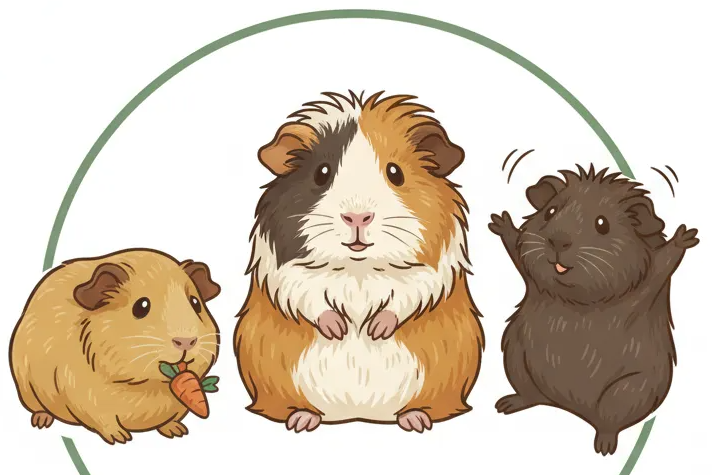
Store Guinea Pig Pellets Right: Your Guide to Lasting Freshness
Hello CavyFam! Does your guinea pig’s food bag get stale before it’s empty? You want every nibble to be as nutritious as the first.
I will walk you through selecting airtight containers, mastering pantry placement, spotting spoilage signs, extending shelf life, and choosing sustainable options. Having cared for my guinea pigs Pepper, Clover, and Biscuit for years, I’ve learned storage tricks that keep their meals vibrant.
Choose the Right Container: Beyond the Bag
Leaving pellets in the original bag after opening is an invitation for staleness. I made this mistake once, and my usually graceful Clover gave the food a skeptical sniff before walking away. Transferring pellets to a proper storage container is the single most effective step you can take to lock in freshness and keep pests out. The flimsy bag offers little protection against air and humidity, which quickly degrade the quality of the food.
Top Container Choices for Your Herd’s Pantry
Not all containers are created equal. Through trial and error with my three distinct personalities-Pepper’s steadiness, Clover’s thoughtfulness, Biscuit’s intelligence-I’ve found what truly works.
- Airtight Food-Grade Buckets: My personal favorite. A 5-gallon bucket with a gamma seal lid is a game-changer. It’s durable, keeps everything sealed tight, and the screw-top lid is easy for my hands to manage daily. I can fit an entire large bag inside, and it stacks neatly in my cupboard.
- Glass or Sturdy Plastic Jars: Perfect for smaller portions or if you buy food in bulk and want to separate it. I use a large glass jar for the pellets currently in rotation by their cage. I can see the level at a glance, and it looks tidy on the shelf.
- Vacuum-Sealed Bags or Mylar Bags with Oxygen Absorbers: The ultimate choice for long-term storage of a bulk purchase. This method is fantastic if you find a pellet your guinea pigs adore and want to buy a large supply. It removes air completely, dramatically slowing nutrient loss.
What to Look For (and Avoid) in a Container
When you’re shopping, keep these simple points in mind to protect your pets’ meals.
- Must Have a Tight, Secure Seal: Press the lid on. If you can smell the pellets through it, air can get in. A rubber gasket is a great feature.
- Must Be Opaque or Stored in Darkness: Clear containers are fine only if you keep them inside a dark pantry or cupboard. Light is a nutrient thief.
- Must Be Made for Food: Never use containers that previously held laundry soap, paint, or other chemicals, even if washed. Residual smells and films can contaminate the food.
- Easy to Clean: You should be able to wash and thoroughly dry the container between bags to prevent old dust and oils from spoiling the new food.
Common Storage Mistakes (And How to Fix Them)
I’ve seen many well-meaning owners, including my past self, make simple errors that compromise their pet’s nutrition. Recognizing these pitfalls makes you a more prepared caretaker. These missteps can lead to digestive problems, dental issues, and vitamin deficiencies. To help you avoid them, here are the top 10 guinea pig diet mistakes that lead to serious health issues.
Mistake 1: The “Buy in Bulk” Trap Without a Plan
Getting a great deal on a 20-pound bag is tempting. But if you only have two guinea pigs, that food will be open for months. Only buy as much as your herd can consume within the food’s peak freshness window, which is usually 2-3 months post-opening. It’s more cost-effective to buy a smaller, fresher bag more frequently than to throw away half a stale, giant one. That same rule applies to other common supplies—hay, bedding, and toys should be refreshed on a regular schedule. Regular replacement helps keep your guinea pigs healthy and reduces waste.
Mistake 2: The “Scoop and Forget” Method
Just scooping pellets from the bag without properly re-sealing it each time lets in a flood of air. Make sealing the container the final, non-negotiable step of every feeding routine. I do it right after I put the bowls down for Pepper, Clover, and Biscuit. It becomes a habit that safeguards their next meal.
Mistake 3: Storing Food in the Wrong Location
The garage, the shed, or a shelf above the heater are common but poor choices. These areas have wild temperature swings and high humidity. Store pellets in the same stable, climate-controlled environment where you’re comfortable. If you wouldn’t store your own cereal or crackers there, don’t store your guinea pig’s food there either. A main pantry or a dedicated kitchen cupboard is ideal. These safety considerations also apply when your guinea pigs live in a garage, shed, or other outbuilding. Keep their enclosure in a climate-controlled spot away from drafts and heat sources, and monitor temperatures regularly.
Mistake 4: Mixing Old and New Pellets
To use up the last cup from an old bag, you might pour a new bag on top. This spreads the staleness through the entire fresh batch. Always completely finish and clean out your storage container before adding food from a new, freshly opened bag. This ensures every bite your pets get is from the freshest possible source.
Choosing the Right Container: More Than Just a Bin
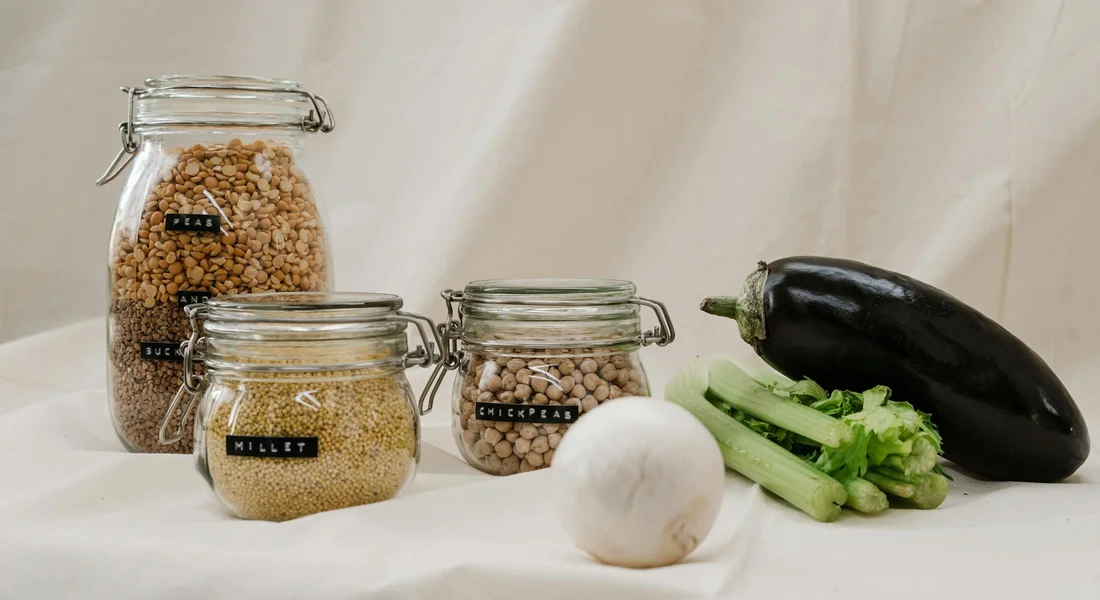
That flimsy bag from the store won’t cut it for long. I found this out when my reserved but intelligent Biscuit hesitated at his bowl—stale pellets lose their appeal fast. Switching to a dedicated, airtight container right after opening is your best move to lock in nutrients and keep that satisfying crunch your guinea pigs love. For a quick guide to safe chewing, check out our Guinea Pigs Chew Safely: A Complete Guide. It covers safe chew options, dental care basics, and keeping chews age-appropriate. My trio—Pepper, Clover, and Biscuit—each have their quirks, but they all perk up for truly fresh food.
- Glass or Sturdy Plastic Jars: Perfect for portion control and resisting odors. I use one for Clover’s graceful weekly meals; she seems to notice the careful presentation.
- BPA-Free Plastic Tubs with Clamp Lids: My favorite for bulk buying. They are affordable, lightweight, and their tight seal suits Pepper’s steady, hearty appetite perfectly.
- Skip These Containers: Original bags left open, decorative canisters without seals, or any bowl left out. They invite air, moisture, and even tiny pests that can ruin your supply.
Living in a humid area, I add a food-safe silica gel packet to my main storage bin. This small, reusable defender soaks up ambient moisture, giving me confidence during muggy weeks that the pellets stay dry and safe. It’s a simple habit that supports my pets’ health directly, especially when combined with high-quality guinea pig pellets that provide the essential nutrients they need.
Step-by-Step: Setting Up Your Pellet Storage System
- Find the Ideal Location: Select a cool, dark cupboard far from heaters or sunlight. My kitchen pantry shelf, away from appliances, keeps pellets perfect for all my piggies.
- Grab Your Airtight Container: Wash and dry a sturdy bin with a reliable seal. I prefer a clear one to quickly check levels for Pepper, Clover, and Biscuit without opening it.
- Pour and Preserve the Label: Empty the entire bag into your container. Never toss the bag! I cut out the nutrition facts and expiry date, taping it right on the bin’s side for easy reference.
- Master the First-In, First-Out Rule: Always use the oldest pellets first. I scoop daily portions from the container, ensuring nothing lingers and loses its fresh, grassy smell they adore.
Spotting Trouble: When Pellets Go Bad
Your senses are the best tools. I give every batch a quick check before serving it to my curious herd.
- Smell: Fresh pellets have a mild, hay-like aroma. A sour, musty, or off smell means toss them out.
- Sight: Look for fading color, dustiness, or any signs of mold. Clumping from moisture is a red flag.
- Touch: Pellets should be dry and crumble slightly. If they feel sticky, oily, or unusually hard, they are past their prime.
When in doubt, throw it out. It’s never worth risking your pet’s health over a handful of old food. I’ve had to discard a batch only once, and it taught me to be more diligent with my storage routine.
My Herd’s Favorite Storage Solutions and Tips
Through trial and error with my three guinea pigs—steady Pepper, graceful Clover, and intelligent Biscuit—I’ve found what works. Investing in one good airtight container has saved me money and kept my pigs happily munching. That simple storage habit helps me save money and cut waste, all without compromising quality. I use a simple, latch-lid plastic bin that fits a 5-pound bag. It lives in my pantry, and I wash it thoroughly with mild soap every time I start a new bag.
For smaller spaces, a large glass jar with a screw-top lid is a great alternative. The key is making storage a habit, as routine as filling their hay rack. Properly storing guinea pig hay is part of that routine—keep hay in a dry, airtight container to maintain freshness and prevent moisture. It’s a simple step that protects nutrients and helps reduce waste. Seeing my guinea pigs popcorning for their fresh, crunchy pellets is all the proof I need that this care matters. Their vibrant health and happiness start with the basics, and keeping their food fresh is a fundamental part of compassionate pet care.
FAQs
How long can guinea pig pellets stay fresh after opening?
Properly stored in an airtight container, opened pellets generally stay fresh for about 2 to 3 months. Always observe the printed expiration date and finish the bag within this timeframe for optimal nutrition.
What is the best container to store guinea pig pellets?
Opt for an opaque, food-grade container with a reliable airtight seal to effectively block air and moisture. Materials like sturdy plastic or glass work well, and ensure the container is easy to clean between uses.
Should guinea pig pellets be refrigerated or frozen?
No, refrigeration or freezing is not advised as condensation can form and make pellets soggy or moldy. A stable, cool pantry shelf is a much better choice to maintain dryness and crunch.
How can I tell if my guinea pig pellets have gone bad?
Conduct a simple smell test for any rancid or off odors and inspect for discoloration or unusual dustiness. Discard the pellets immediately if they appear moldy or feel damp and clumped together. For guidance on the best guinea pig pellet brands, see our reviewed and compared guide to help you choose quality options.
Where is the best place to store guinea pig pellets to keep them fresh?
The ideal spot is a dark, dry cupboard in a climate-controlled room like your kitchen. Avoid storing them near heat sources, in direct sunlight, or in humid areas like garages or bathrooms.
Fresh Pellets, Happy Piggies
Store pellets in a sealed container away from light and warmth to lock in nutrients and flavor. From my time with Pepper, Clover, and Biscuit, I’ve seen how this routine prevents waste and keeps their meals vibrant and appealing. For daily guidance, most guinea pigs do well with about a quarter cup of pellets per day, adjusted for size and activity. Pair that with unlimited hay and a variety of fresh vegetables for a balanced diet.
Your attention to detail shows deep care for your pet’s well-being and planetary health. I encourage you to keep learning—exploring sustainable brands or reusable storage can make guinea pig care gentler on the earth and richer for your furry friends.
Further Reading & Sources
- Pellet storage? | The Guinea Pig Forum
- Storage – How to store pellet food? – Guinea Pig Cages
- Storage – How long can you store hay and pellets? – Guinea Pig Cages
- Pellets / Nuggets for Guinea Pigs – HAYPIGS
Kate is a passionate guinea pig owner and advocate for small pet welfare. With over a decade of experience caring for guinea pigs, she has become a trusted voice in the small pet community.
Uncategorized