How to Read a Guinea Pig Food Label Like a Pro
Published on: March 20, 2026 | Last Updated: March 20, 2026
Written By: Kate M. Callahan
Hello CavyFam! Do you ever stare at a guinea pig food bag and feel completely lost? You’re not alone, and that confusion is exactly why we need to talk.
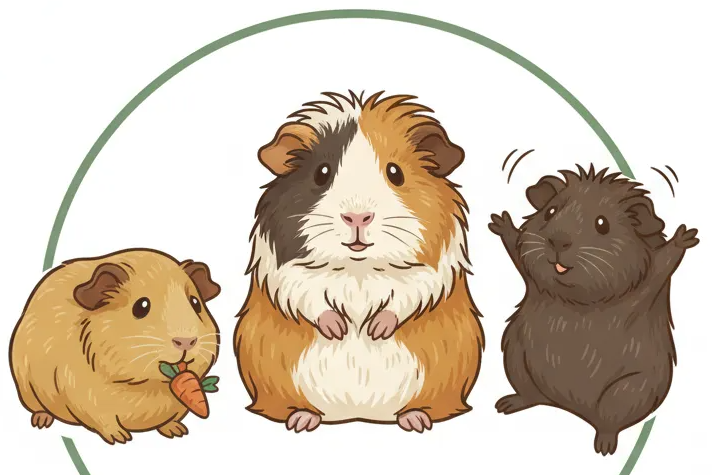
In this guide, I’ll walk you through the secrets of decoding that label. We will cover understanding ingredient order, spotting misleading marketing terms, analyzing the guaranteed analysis panel, identifying harmful fillers, and choosing the right hay and pellet balance. I’ve learned this through years of caring for my own guinea pigs, Pepper, Clover, and Biscuit.
Getting Started with Guinea Pig Food Labels
Reading a food label is one of the most direct ways you can advocate for your pet’s health. Proper nutrition directly influences their energy, coat quality, and even their lifespan.
Most commercial bags will have two main sections you need to understand. The ingredient list shows you exactly what’s inside, while the guaranteed analysis breaks down the nutritional percentages.
I learned this the hard way with my own guinea pigs. My gentle boy Pepper started gaining too much weight on a food where corn was the first ingredient, and my graceful Clover’s digestion improved dramatically once I found a timothy hay-based pellet.
Breaking Down the Ingredient List
-
Ingredients are always listed in descending order by weight. The very first item makes up the largest portion of the food inside the bag.
-
Always look for a high-quality hay as the first ingredient. Timothy hay is ideal for most adult guinea pigs, providing the necessary fiber for healthy digestion. Alfalfa hay, richer in calcium and protein, is better suited for young, growing pups or pregnant sows. Before bringing home your first guinea pig, make sure you’re prepared for daily hay needs and ongoing care. Planning ahead helps ensure a healthy, happy pet.
-
Be on high alert for certain red flags. Avoid foods containing artificial colors, which are purely for human appeal, and chemical preservatives like BHA or BHT. I also steer clear of any added sugars or syrups, as they can lead to obesity and dental problems.
-
Identifying a true hay-based pellet is simpler than it seems. Look for a uniform, greenish-brown pellet where the first ingredient is clearly “Timothy Hay Meal” or something similar. This ensures the core of their diet is the fiber their digestive systems are built for.
Understanding the Guaranteed Analysis
This section of the label can look like scientific jargon, but it’s your most powerful tool for assessing food quality. Think of the guaranteed analysis as the nutritional blueprint for your guinea pig’s health.
Decoding the “Crude” Terms
Don’t let the word “crude” scare you; it simply refers to the laboratory method used to measure these components.
- Crude Protein: This measures total nitrogen content, which estimates the protein available for muscle maintenance and overall growth. My gentle Pepper thrives on a consistent protein level to stay strong.
- Crude Fat: This is the fat content, a concentrated energy source. Too little can lead to a dull coat, while too much can cause obesity.
- Crude Fiber: This is the indigestible part of plant materials. High fiber is absolutely non-negotiable for a healthy guinea pig digestive system.
- Moisture: This is the water content. Kibble is low in moisture, while fresh veggies are high.
- Ash: This is the total mineral content left after burning the food. It’s not just “filler,” but high levels can sometimes indicate more mineral content than necessary.
The Critical Calcium and Phosphorus Ratio
This is arguably the most important number pair on the bag for long-term urinary health. An improper calcium-to-phosphorus ratio is a primary contributor to painful bladder stones. You want to see a ratio where calcium is only slightly higher than phosphorus, ideally around 1.5:1 or 1.3:1. A major imbalance in either direction can leach minerals from bones or deposit them in the urinary tract.
Interpreting Moisture Content
Dry pelleted food typically has a moisture content around 10%. Knowing the moisture level helps you balance their diet with the right amount of fresh, water-rich vegetables. If a food has a very high moisture content, you’re paying for water weight and will need to feed more volume to meet their nutritional needs, which isn’t always cost-effective.
A Simple Comparison Trick
To compare different brands fairly, you need to remove the water variable. Look for the “dry matter basis” or calculate it yourself. Subtract the moisture percentage from 100%. Then, divide a nutrient’s guaranteed analysis by that number. This simple math lets you see the true, concentrated nutrient profile and make an apples-to-apples comparison. For example, a food with 18% protein and 10% moisture has a dry matter protein of 20% (18 / 0.9).
Key Nutrients to Focus On
Beyond the basic analysis, specific nutrients demand your sharpest attention. Your guinea pig’s body is a finely tuned engine that requires specific fuel to run smoothly.
The Non-Negotiable: Vitamin C
Like humans, guinea pigs cannot synthesize their own Vitamin C. A lack of fortified Vitamin C in their food leads directly to scurvy, a debilitating and painful disease. I always check for a stabilized, added form of Vitamin C (like Ascorbic Acid) on the ingredients list and a guaranteed analysis value. The food alone isn’t enough, but it’s a critical baseline. My graceful Clover gets her daily veggie boost, but I rely on her pellets for that foundational support. They are just one part of the essential vitamins and supplements for guinea pigs.
Fiber for Digestive Harmony
Guinea pigs are hindgut fermenters, meaning their digestive health lives and dies by fiber. Look for a crude fiber level of at least 18-20%, but don’t just stop at the number. The type of fiber matters immensely. Long-strand fibers from Timothy hay are essential for keeping their gut motility normal and preventing dangerous conditions like GI stasis. No pellet can replace unlimited, high-quality hay.
Spotting a “Complete and Balanced” Food
The claim “complete and balanced” should be backed by a statement that the food meets the nutritional levels established by a reputable organization like the AAFCO (Association of American Feed Control Officials). This statement is your assurance that the food has been formulated to meet minimum daily requirements, not just thrown together. Always look for this specific wording on the bag.
Lessons from Rescue Guinea Pigs
I’ve fostered several rescue pigs, and the signs of poor nutrition are heartbreaking. I once cared for a little one, much like my reserved Biscuit, who came to us with a slight limp and rough coat from a diet lacking proper calcium and Vitamin C. It took months of a carefully formulated diet to see her truly blossom. That experience also underscored what a lot of guinea pig caregivers overlook—the top 10 guinea pig diet mistakes that lead to serious health issues. Knowing these pitfalls can spare another rescue from heartbreak. Seeing that transformation firsthand cemented my belief that reading the label isn’t just a chore—it’s an act of love and protection for these wonderful creatures.
Tailoring Food Choices to Life Stages and Health
Guinea pigs have changing nutritional needs as they grow, just like people do. From my experience with Pepper, Clover, and Biscuit, I’ve seen firsthand how their diets must evolve to keep them thriving at every stage. An ideal overall diet for a healthy guinea pig guides these choices. Let’s break down what works best.
Age-Appropriate Guidelines
Young guinea pigs, like my energetic Biscuit, need plenty of protein and calcium for bone and muscle development. Look for foods with at least 16% crude protein and 0.8% calcium to support their rapid growth. Adult pigs, such as steady Pepper, require balanced nutrients to maintain health without excess weight. Senior cavies, like graceful Clover, benefit from lower protein and phosphorus to ease kidney strain as they age. Daily calorie needs vary with age and activity, so portions should be adjusted to keep them at a healthy weight. Monitoring their weight and adjusting portions helps ensure they meet their daily calorie requirements without overfeeding.
- Young (under 6 months): High in protein (16-18%) and vitamin C; unlimited hay plus fortified pellets.
- Adults (6 months to 5 years): Moderate protein (14-16%); focus on fiber-rich hay and controlled pellet portions.
- Seniors (5+ years): Reduced protein (12-14%) and phosphorus; softer foods if dental issues arise.
Adjusting for Health Issues
Health challenges require smart tweaks to their meals. When Clover had mild dental problems, I switched to moistened pellets and finely chopped veggies to make eating painless. For obesity, which can sneak up on less active pigs, reduce high-calorie pellets and increase timothy hay. Always consult your vet, but small changes can make a big difference in comfort.
- Dental issues: Offer soaked pellets or grated vegetables; avoid hard, large pieces.
- Obesity: Limit pellets to 1/8 cup daily; emphasize hay and low-sugar greens like romaine lettuce.
- Vitamin C deficiency: Add fresh bell peppers or supplements if the food lacks fortification.
Feeding Guidelines: Label vs. Reality
Food labels give a starting point, but real life often demands adjustments. I follow label recommendations loosely, watching my pigs’ weight and energy to fine-tune portions. For example, Biscuit’s label suggested 1/4 cup pellets, but he gained weight quickly, so I cut back to 1/8 cup and added more hay. Monitor their poop and behavior-it tells you if the diet is working.
- Start with label amounts: Usually 1/8 to 1/4 cup pellets per pig daily.
- Adjust based on activity: Reduce if they’re gaining weight; increase slightly for very active pigs.
- Incorporate fresh foods: Add veggies high in vitamin C, like kale or parsley, to boost label-based diets.
Step-by-Step Guide to Professional Label Reading
-
Start by checking the expiry date and storage instructions. I always peek at the “best by” date first because old food loses nutrients and can harm your pig’s health. Store pellets in a cool, dry place to preserve freshness-once, I left a bag in sunlight, and it went stale fast.
-
Review the ingredient order and look for high-quality sources. Ingredients are listed by weight, so the first few should be wholesome items like timothy hay or oats, not fillers like corn or soy. For my pigs, I avoid anything with artificial colors or by-products to keep their meals natural and safe.
-
Analyze the guaranteed analysis for optimal nutrient levels. Check that crude protein is 14-16% for adults, fiber is over 20%, and fat is under 4% to prevent obesity. I compare this to my pigs’ needs-Pepper does well with higher fiber, while Biscuit needs balanced protein.
-
Verify vitamin C fortification and absence of harmful additives. Guinea pigs can’t make their own vitamin C, so the label must list it as added, ideally at 50-100 mg per kg of food. In daily terms, most guinea pigs need roughly 10-25 mg of vitamin C per day, so total intake from feed and fresh produce should aim to meet that range. Scan for preservatives like BHA or BHT, which I steer clear of for long-term health.
-
Compare feeding guidelines with your guinea pig’s specific needs. Use the label’s suggestions as a baseline, but adjust for factors like age, health, and personality-Clover eats less than Pepper due to her calm nature. Weigh your pig weekly to ensure portions are just right.
Comparing and Selecting the Best Food
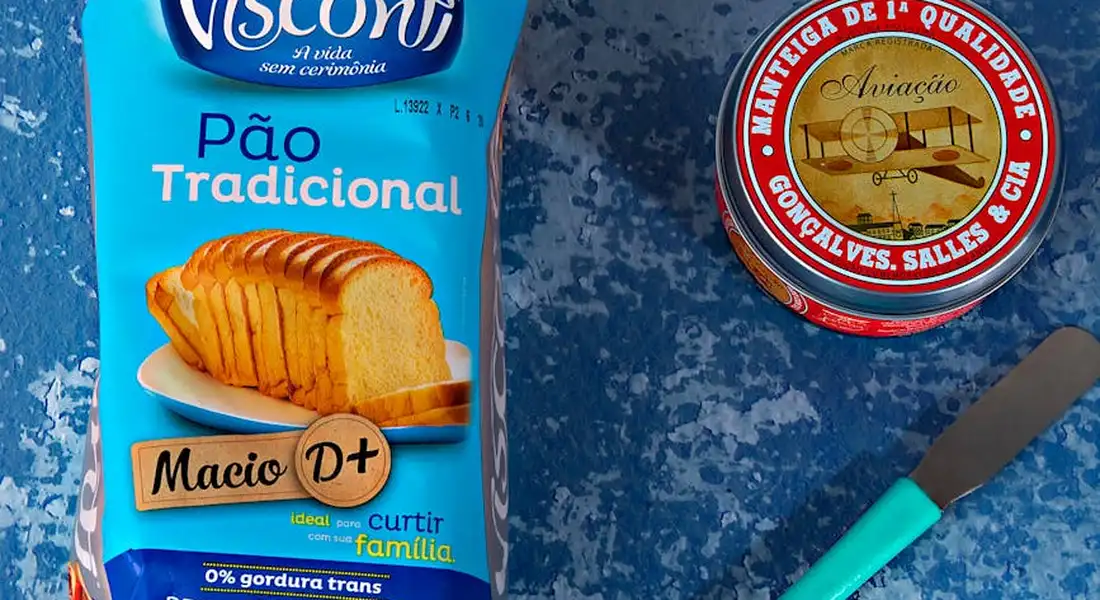
When you’re staring at multiple bags of guinea pig food, it can feel overwhelming. I always lay the bags side-by-side on my kitchen floor and compare the first five ingredients on each label. This shows me what the food is truly made of, beyond the marketing on the front.
- Look for brands that list timothy hay or another grass hay as the first ingredient.
- Compare the crude fiber percentages; aim for a minimum of 18-20%.
- Check the variety and quality of the vitamin C sources. Is it just ascorbic acid, or does it include rose hips or bell pepper?
- Avoid any brand where seeds, nuts, or colorful, sugary pieces appear high on the list.
The term “complete and balanced” means the food meets the nutritional levels established by a recognized organization. I trust this claim more when the label specifies it meets the nutritional requirements set by a group like the Association of American Feed Control Officials (AAFCO). This isn’t just a marketing phrase; it’s a regulated standard for guinea pig health.
Finding cost-effective food doesn’t mean buying the cheapest bag. A slightly more expensive food that is packed with the right nutrients will keep your guinea pig healthier, saving you money on vet bills later. I calculate the cost per feeding, not just the cost per bag. A high-quality food often requires a smaller serving size to meet their nutritional needs.
I recently switched my guinea pigs, Pepper, Clover, and Biscuit, to a new brand. The old brand had corn as the third ingredient, and the new one lists orchard grass hay and dried parsley. After a slow, one-week transition, their coats are shinier and they seem more energetic. The label told me exactly why that change was a good one for their long-term health.
Practical Tips for Label Literacy
That label also tells you how to keep the food fresh and potent. I store my guinea pig food in a sealed, airtight container in a cool, dark pantry, far away from any sunlight or heat sources. This simple step preserves the precious vitamin C that can degrade quickly once the bag is opened.
Pet food companies can and do change their formulas without much fanfare. Make a habit of quickly scanning the ingredient list and guaranteed analysis every time you buy a new bag, even if it’s the same brand you always use. I was surprised once to find a favorite brand had added molasses to their pellet mix.
Your veterinarian is your best partner in your guinea pig’s nutrition. When you bring a new guinea pig home, schedule their first veterinary check up soon after adoption. This initial visit helps your vet assess overall health, teeth, and digestion, and tailor nutrition guidance from the start. Bring the food bag or a photo of the label to your vet appointments. The specific details on the label help your vet give personalized advice, especially if your guinea pig has unique health needs like a sensitive digestive system or a history of bladder stones.
FAQs
How can I safely transition my guinea pig to a new food based on the label?
Always mix the new food with the old food over 7-10 days, gradually increasing the new portion. This slow transition helps prevent digestive upset by allowing their sensitive gut bacteria to adjust.
What does the label tell me about the quality of treats or supplemental foods?
The ingredient list on treats should be simple and free from added sugars, seeds, and artificial colors. High-quality treats will have a recognizable, single ingredient like dried bell pepper or plain hay.
Are there label claims related to “lab blocks” or pellets used in research settings?
Some commercial foods are formulated similarly to standardized “lab blocks” used in scientific studies to ensure consistent nutrition. These products typically have a simple, uniform pellet shape to prevent selective feeding and guarantee a balanced intake.
How can I tell from a label if a company conducts animal testing?
Look for certifications like “Leaping Bunny” or specific claims like “cruelty-free” on the packaging or company website. Many ethical pet food brands now explicitly state they do not conduct or commission animal feeding trials.
Why is the manufacturing date sometimes more important than the expiration date?
Vitamin C degrades over time, so a recently manufactured bag will have more potent nutrients. A fresher product ensures your guinea pig receives the full nutritional benefit, especially for this essential vitamin they cannot produce themselves. Properly caring for guinea pigs means offering a fresh, balanced diet and storing supplies properly. Regularly check packaging dates and replace old bags to keep nutrients at their peak.
Your Guinea Pig’s Health Starts Here
Mastering the label means focusing on high fiber, simple ingredients, and steering clear of fillers and sugary treats. You now have the tools to confidently choose a pellet and hay combination that supports a long, vibrant life for your pets.
Responsible ownership is a journey of continuous learning and making compassionate choices for your small companions. Always seek out new, trustworthy information and consider eco-friendly options, like buying hay in bulk from local farms, to care for both your guinea pigs and our planet. Cultivating emotional commitment means dedicating time for daily bonding, gentle handling, and attentive care so they thrive. Your guinea pigs will respond with trust and vitality when you consistently show love and responsibility.
Further Reading & Sources
- Guinea Pig Food List | Feeding Guinea Pigs | Guinea Pigs | Guide | Omlet US
- Guinea Pig Diet: What to Feed Your Guinea Pig | Petco
- FEEDING YOUR GUINEA PIG
- The Ultimate Guinea Pig Food List: What’s Safe? | Small Pet Select
Kate is a passionate guinea pig owner and advocate for small pet welfare. With over a decade of experience caring for guinea pigs, she has become a trusted voice in the small pet community.
Uncategorized