How to Set Up the Perfect Guinea Pig Quarantine Area
Hello CavyFam! Bringing home new guinea pigs is exciting, but the introduction process can feel a bit stressful for everyone involved. Setting up a proper quarantine space is the single most important step you can take to ensure a smooth and healthy start for your new pets.
In this guide, we’ll walk through choosing the right location, essential supplies you’ll need, daily health monitoring routines, and how long to maintain the quarantine period. I’ve used this exact process to successfully introduce my own guinea pigs, like the gentle Pepper and graceful Clover, ensuring they all stayed happy and healthy.
Why Guinea Pig Quarantine is a Gentle Necessity
Bringing a new guinea pig home is an exciting event, but it’s also a time for patience and care. Quarantine is not about isolation; it’s a period of protected observation that safeguards the health of your entire herd. From my own experience, skipping this step once led to a stressful and costly respiratory infection spreading from a new arrival to my other pig, Pepper. Illnesses can be invisible at first, carried by a seemingly healthy animal.
Guinea pigs are masters at hiding weakness, a natural instinct from their prey animal heritage. A two to three-week quarantine gives you a window to spot subtle signs of trouble—a slight decrease in appetite, quieter wheeks, or a change in droppings. This quiet observation period allows the new pig to de-stress in a calm environment without the immediate pressure of establishing a social hierarchy. I’ve found it makes the eventual introductions with my other pigs, Clover and Biscuit, far smoother and less stressful for everyone involved. To help your new pig feel safe as it acclimates, keep a quiet, predictable routine and a private space with familiar smells. Offer gentle, supervised handling and slow introductions to build trust.
Choosing Your Quarantine Cage and Finding Its Peaceful Spot
Your quarantine cage doesn’t need to be a permanent palace, but it must be secure, comfortable, and easy to clean. A simple, well-ventilated cage is perfect for this temporary home.
- Size Matters: Aim for a minimum of 7.5 square feet. This gives your new friend enough room for a hidey, a food area, and a little popcorning space.
- Material Choice: I prefer a cage with solid walls, at least a few inches high, to prevent bedding from being kicked out and to reduce drafts.
- Easy Access is Key: You’ll be in and out frequently for feeding, cleaning, and health checks. A cage with a large top-opening door or a wide front panel makes daily interactions much less disruptive.
Where you place this cage is just as important as the cage itself. The ideal quarantine location is in a separate, low-traffic room away from your existing guinea pigs. You want to prevent direct contact and minimize the airborne transfer of any potential germs. In your home, choose a quiet, easily supervised spot—ideally a corner of a living room or dedicated area away from busy traffic. Keep it out of direct sunlight, drafts, and extreme temperatures to protect their health.
Find a spot that is consistently quiet, away from loud televisions, barking dogs, or busy hallways. A peaceful corner in a spare bedroom or a quiet home office can be the perfect sanctuary for your new arrival to settle in. Ensure the area is free from direct sunlight and drafts from windows or air vents, as guinea pigs are very sensitive to temperature extremes. A stable, comfortable environment helps them feel safe from day one. Choosing the right location is just one part of creating a safe home for them.
Gathering Essential Supplies for a Cozy Quarantine Setup
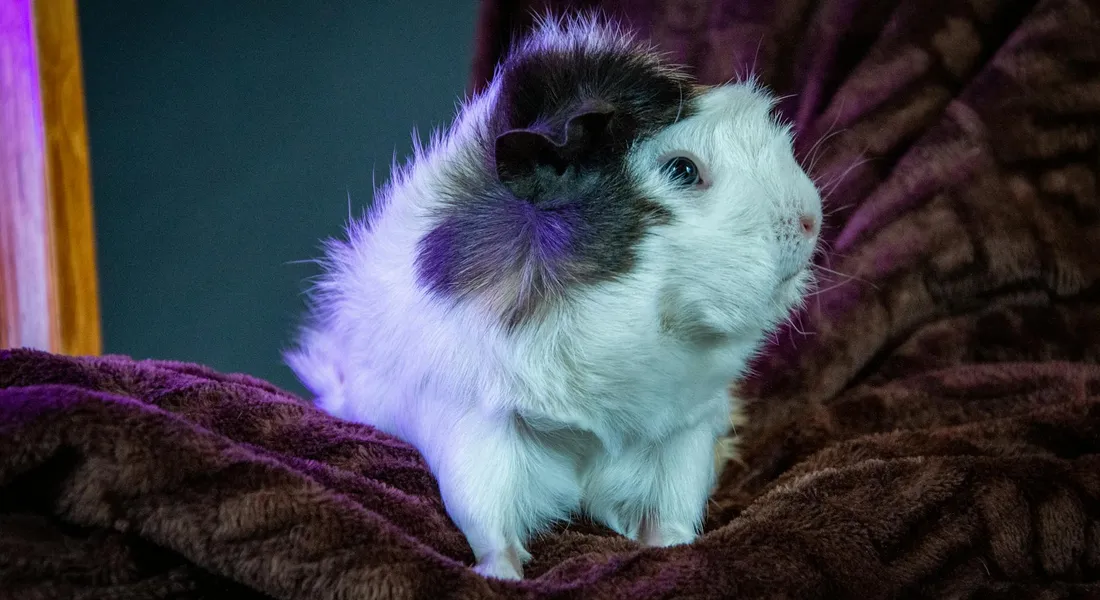
Setting up a quarantine area for new guinea pigs starts with gathering the right supplies to keep them safe and comfortable. I always begin with a sturdy cage that’s at least 7.5 square feet for one pig, but bigger is better to reduce stress. When I brought home Biscuit, her reserved nature meant she needed extra space to feel secure away from my other pigs. This is the focus of the complete space requirements guide for guinea pigs, explaining how cage size should scale with the number of pigs and activity. Understanding these size guidelines helps you tailor setups for any home and reduce stress.
- A secure cage with solid flooring to prevent injuries
- Soft, absorbent bedding like paper-based or fleece liners-avoid cedar or pine shavings that can harm their lungs
- Fresh timothy hay available at all times in a hay rack to keep it clean
- Ceramic food bowls that won’t tip over easily
- A drip-free water bottle to ensure constant hydration
- Multiple hideouts, such as small huts or tunnels, for privacy
- Chew toys made from safe wood to support dental health
- A small scale to monitor weight weekly for early health checks
Don’t forget items for cleaning, like a pet-safe disinfectant and extra bedding. Having these on hand from day one helps your new guinea pig settle in without unnecessary disruptions. I’ve found that a well-stocked setup makes the quarantine period smoother for both you and your pet.
Creating a Calm and Healthy Environment Inside the Cage
Once you have the supplies, arranging the cage to promote calm and health is key. Place the cage in a quiet, low-traffic area of your home to minimize noise and stress. With Clover, I noticed she was less skittish when her space was away from loud appliances and family foot traffic.
Start by laying down a thick layer of bedding to absorb moisture and provide comfort. Change bedding spots every few days to keep the area fresh and reduce odor buildup. I use fleece liners for my pigs because they’re reusable and gentle on their feet.
- Position hideouts in opposite corners to give options for retreat
- Ensure the cage is out of direct sunlight and drafts to prevent overheating or chills
- Add a soft fleece blanket or pad for extra coziness during rest times
- Include a variety of textures with hay, toys, and bedding to stimulate natural behaviors
Monitor the temperature closely, aiming for 65-75°F (18-24°C). A small, quiet fan nearby can improve air flow without creating a draft that might chill your guinea pig. From my experience, this careful setup helps new arrivals like Pepper feel protected and start to explore their surroundings confidently.
Daily Care and Health Monitoring During Quarantine
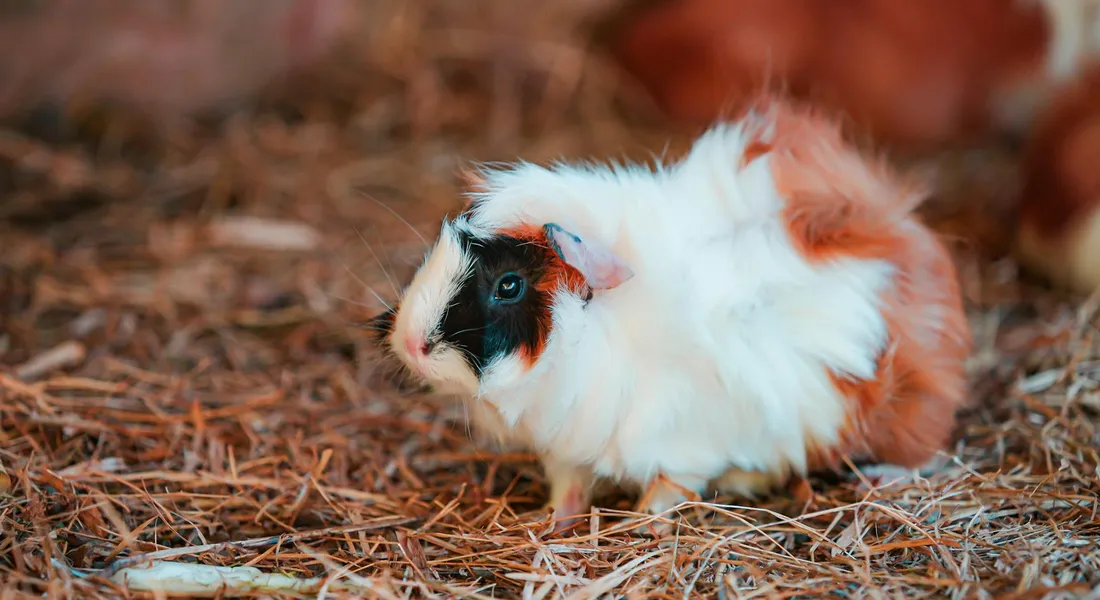
Your new guinea pigs need extra attention during this critical period. I check on Pepper, Clover, and Biscuit multiple times a day, observing their behavior from outside the enclosure first before any interaction. This lets me see their natural state without my presence influencing them.
What to Watch For Every Day
You are looking for any deviations from normal, healthy behavior. Subtle changes in appetite or energy levels are often the very first signs that something is wrong. Keep a small notepad nearby to jot down anything unusual you notice.
- Monitor food and water intake. A sudden drop is a major red flag.
- Listen for their breathing. It should be quiet, with no wheezing or clicking sounds.
- Watch their activity. Are they exploring, or are they hunched and still in a corner?
- Check their eyes and nose. Both should be clear and free of any discharge.
- Observe their poop. Droppings should be firm, oval, and consistent in size and shape.
Handling and Interaction
Limit handling to essential health checks only. I always wash my hands thoroughly with soap and water both before and after touching any of my guinea pigs, especially the new ones in quarantine. This simple act is your best defense against spreading germs.
- Approach slowly and speak in a calm, gentle voice.
- Offer a small piece of their favorite veggie, like a cilantro leaf, to build positive associations.
- Lift them carefully, fully supporting their hindquarters and chest.
- Conduct a quick physical check: feel for any lumps, look at the skin for flakiness or bald patches, and check their underside.
- Keep the session short, under five minutes, to minimize stress.
Keeping the Area Clean: Sanitation and Cross-Contamination Prevention
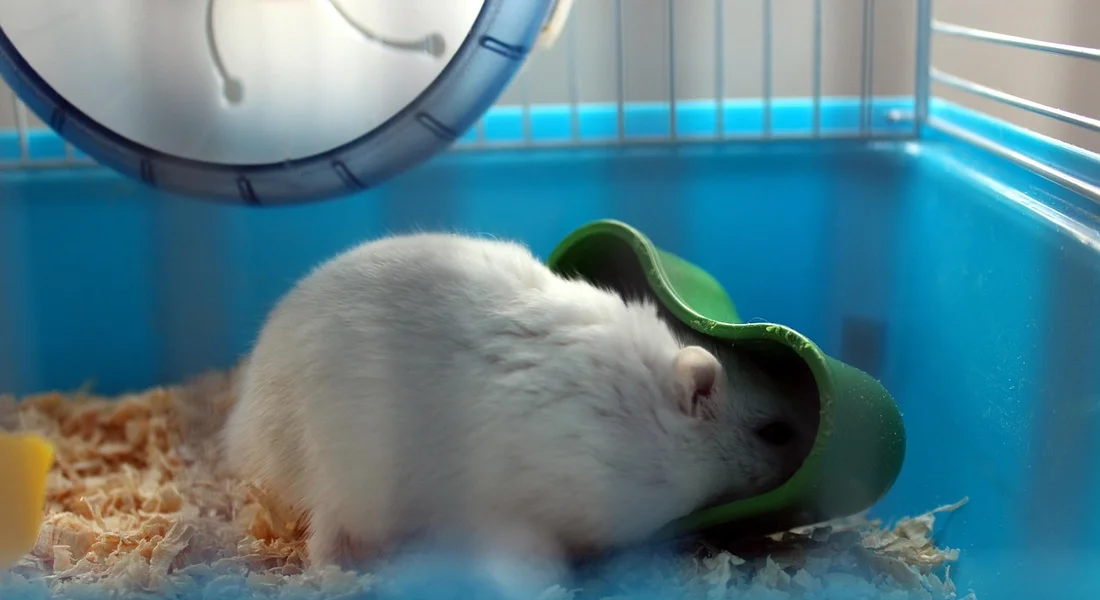
A clean quarantine space is non-negotiable for health and safety. I treat the quarantine zone as a separate biome, with its own set of supplies that never leave the room. This mindset helps me stay disciplined about preventing cross-contamination.
Your Cleaning Toolkit and Schedule
Dedicate specific tools solely for the quarantine area. Using a separate set of brushes, dustpans, and spray bottles dramatically reduces the risk of accidentally transferring pathogens to your other pets. I even use a different colored towel for wiping surfaces in quarantine.
- Spot-Clean Twice Daily: Remove soiled bedding and uneaten fresh food every morning and evening.
- Water Bottle & Food Bowl: Wash these with hot, soapy water every single day.
- Full Cage Clean: Perform a complete breakdown, scrub, and re-bedding once a week.
Effective and Safe Disinfection
When it’s time for the deep clean, you need a disinfectant that is tough on germs but safe for small animals. A diluted white vinegar solution or a commercial small animal cage cleaner is my go-to; I never use harsh household chemicals like bleach around my piggies. Their respiratory systems are incredibly sensitive.
- Move your guinea pigs to a secure, temporary carrier.
- Remove all bedding, toys, and hideys.
- Scrub the entire enclosure with your chosen safe cleaner and hot water.
- Rinse everything thoroughly with clean water to remove any residue.
- Allow the cage and accessories to air dry completely before adding new bedding and returning your pets.
Strict Cross-Contamination Protocols
This is perhaps the most critical part of the entire process. I change my clothes and wash my hands if I have handled my established herd before I even enter the quarantine room. It feels a bit extreme, but it’s a habit that has kept my animals healthy through many introductions.
- Never share toys, hay, or hides between the quarantine area and your main habitat.
- Designate a specific pair of shoes or slippers to wear only in the quarantine room.
- Dispose of quarantine waste, like used bedding, in a separate, sealed bag.
Transitioning from Quarantine to a Happy Home Introduction
Once your new guinea pig has successfully completed their quarantine period, the real fun begins: introductions. I’ve found this stage to be one of the most rewarding parts of bringing home a new piggy, like when I introduced Biscuit to my herd. Properly introducing new guinea pigs to an established herd requires patience and a keen eye for their unique personalities.
Setting the Stage for a Smooth Introduction
Before any direct contact, you’ll want to create a neutral territory. A neutral space prevents any piggy from feeling the need to defend their established home turf, which drastically reduces tension. I use a large, freshly cleaned playpen that none of my pigs have claimed as their own.
- Thoroughly clean the area with a vinegar-water solution to remove any lingering scents.
- Place multiple piles of fresh hay at opposite ends and in the center.
- Provide two water bottles and several hideys with multiple exits.
- Scatter favorite veggies like cilantro or bell peppers to encourage positive associations.
The Step-by-Step Introduction Process
Rushing introductions is the most common mistake I see. Taking it slow and reading their body language is the absolute key to a peaceful new herd dynamic. Here is the method that has worked beautifully for my group, including the thoughtful Clover and gentle Pepper.
- Scent Swapping: For a few days before the meet, swap a soft fleece bed or a handful of hay between the new pig’s cage and the established herd’s cage.
- Parallel Playpens: Set up two separate playpens side-by-side so they can see and smell each other without physical contact for 20-30 minutes daily.
- Supervised Meet & Greet: In the prepared neutral area, place all guinea pigs together. Sit quietly and observe. Expect some rumbling, nose-offs, and mounting-this is normal dominance behavior.
- Know When to Intervene: Only step in if there is sustained, violent chasing, biting, or fur flying. Normal bickering and establishing a hierarchy should be allowed to play out.
Understanding Their Communication
Guinea pigs have a rich language of sounds and postures. Learning to distinguish between curious chatter and a serious warning will make you a much more confident and effective pet owner. A low, steady rumble is often a male asserting dominance, while sharp, high-pitched wheeking usually means everyone is excited for food, not a fight. By learning to interpret common guinea pig behaviors and body language, you’ll better read their signals and respond appropriately.
- Rumbling: Often accompanied by a slow, swaying walk. This is normal dominance behavior.
- Teeth Chattering: A clear warning sign to back off. If you see this, the pigs may need more time apart.
- Purring: A softer, vibrating sound often made when they are content and comfortable.
After a successful introduction session, which might last only 10-15 minutes the first time, return everyone to their own clean cages. Repeating these short, positive sessions over several days builds a foundation of familiarity instead of fear. With time, you’ll see them start to snuggle together and follow each other around, a sure sign your new family is beginning to bond.
FAQs
How long should I keep my new guinea pig in quarantine?
Quarantine should last for a minimum of two to three weeks to allow any underlying health issues to become apparent. This timeframe helps ensure your new and existing guinea pigs stay safe from potential illnesses.
What are the key signs of a healthy guinea pig during quarantine?
A healthy guinea pig will exhibit consistent eating and drinking habits along with normal, active behavior like exploring or popcorning. Clear eyes, a dry nose, and regular, firm droppings are also positive indicators of good health. So, what do normal guinea pig eating habits look like? They should nibble hay and pellets steadily throughout the day, with regular meals and a consistent appetite.
Can I use toys from my existing guinea pigs in the quarantine area?
No, you should always use separate, dedicated toys and supplies for the quarantine cage to prevent cross-contamination. Sharing items between areas can accidentally transfer germs and compromise the health of your entire herd.
Is it necessary to weigh my guinea pig daily during quarantine?
Weighing your guinea pig once a week is typically enough to track any significant weight changes that might signal health problems. Learning how to weigh your guinea pig daily is not required and could cause unnecessary stress for your pet.
What steps should I take if my new guinea pig shows signs of illness?
Immediately contact a veterinarian who specializes in small animals for guidance and potential treatment. If you are taking the guinea pig for a health check, handle it safely by supporting its chest and hindquarters with both hands and moving slowly. Keep movements calm and gentle to minimize stress during handling and examination. Continue to keep the sick guinea pig isolated and maintain strict hygiene practices to protect your other pets.
Your Guinea Pig’s Healthy Start
Setting up a quiet, separate quarantine space helps prevent disease spread and reduces stress for your new guinea pig. From my experience with Pepper, Clover, and Biscuit, I’ve found that daily health checks and a consistent routine make this period smoother and safer for everyone.
Being a responsible owner means committing to lifelong learning and choosing eco-friendly options, like reusable hideouts or natural bedding. Stay curious about guinea pig care updates to ensure their well-being while minimizing your environmental pawprint.
Further Reading & Sources
- Cage setup during quarantine/bonding | The Guinea Pig Forum
- The Ultimate Guide to Guinea Pig Bonding and Pairing
- The Importance of Guinea Pig Quarantine | HappyCavy
- How long should I quarantine a new piggy?
Kate is a passionate guinea pig owner and advocate for small pet welfare. With over a decade of experience caring for guinea pigs, she has become a trusted voice in the small pet community.
Uncategorized