How to Stop a Guinea Pig Water Bottle from Leaking
Hello CavyFam! Is your guinea pig’s cage floor mysteriously damp, leaving you worried about their comfort and health? I’ve been there, and I know how frustrating a leaky bottle can be.
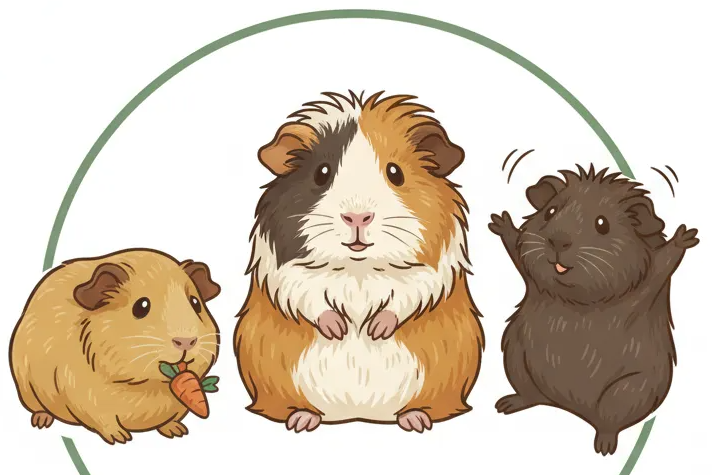
In this guide, I’ll walk you through identifying the cause, performing a quick fix, choosing the right bottle, and preventing future leaks. I’ve solved this exact problem many times for my own guinea pigs, Pepper, Clover, and Biscuit.
Understanding Common Causes of Guinea Pig Water Bottle Leaks
A leaky bottle often stems from simple oversights we’ve all made. I’ve lost count of how many times a loose cap turned my guinea pigs’ cage into a mini swamp overnight.
- Faulty installations are a top culprit, where the bottle isn’t hung straight or the clip isn’t secure enough.
- Uncleaned bottles develop slimy biofilms and hard mineral deposits that prevent parts from sealing correctly.
- Damaged parts, like a chewed sipper tube or a cracked ball bearing, create constant dripping.
- Temperature changes cause water to expand and contract, which can force its way past seals.
Leaks from the bottom usually mean the main seal or cap is compromised. My guinea pig Biscuit once nudged her bottle just enough to loosen the lid, creating a slow, steady leak I didn’t notice for hours.
A leak from the lid itself often points to a warped or missing gasket. Leaks from the sipper tube frequently come from a stuck ball bearing due to mineral buildup.
Your cage setup matters immensely. A bottle placed near a heat source or in direct sunlight will experience more pressure fluctuations. Guinea pig behavior, like repeatedly banging the sipper tube or climbing on the bottle, can also gradually weaken its position and seals. These issues illustrate common cage placement mistakes that can affect a guinea pig’s health and happiness. Avoiding them helps ensure a safer, more comfortable home for your pet.
Step-by-Step Guide to Fixing a Leaking Water Bottle
Don’t panic when you see that first drip. Following this methodical process has saved me from replacing countless bottles over the years.
- Perform a drip test to identify leak sources. Fill the bottle and hang it outside the cage over a paper towel for 15 minutes. The wet spots will show you exactly where the water is escaping from.
- Adjust and realign the bottle and clip for proper placement. Ensure the bottle is perfectly vertical and the clip is snug against the cage bars. A slight forward tilt often encourages dripping.
- Clean the bottle and parts to remove mineral deposits. Use a vinegar and water solution and a bottle brush to scrub every surface, paying special attention to the sipper tube’s inner mechanism. Rinse thoroughly until you can’t smell vinegar.
- Use DIY repairs like Teflon tape or a food-grade silicone seal for minor leaks. Wrap Teflon tape around the bottle’s threads before screwing the cap back on. For a crack in a plastic lid, a tiny dab of silicone can create a watertight barrier once cured.
- Replace worn-out gaskets, valves, or other components. Many manufacturers sell spare part kits. Swapping out a 50-cent gasket is far cheaper and more eco-friendly than buying a whole new bottle.
Be patient with each step. Rushing through this process usually means you’ll miss the real root of the problem and be back to square one in a day or two.
DIY Leak Fixes and Troubleshooting Tips
When Pepper’s water bottle started dripping, I found a few household tricks that saved the day without a trip to the store. Simple items like white vinegar or a rubber band can often seal minor leaks and extend your bottle’s life.
Common Issues and Home Solutions
Start by inspecting the bottle for obvious problems-loose parts or chewed areas are frequent culprits. A quick check of the cap threads and sipper tube can reveal issues you can fix in minutes.
- For loose threads: Tighten the cap firmly but gently; if it still leaks, wrap plumber’s tape around the threads to create a better seal.
- If the sipper tube is chewed: Trim any frayed ends with clean scissors, but ensure the ball bearing inside moves freely to prevent further dripping.
- Use a vinegar soak: Mix equal parts white vinegar and water, fill the bottle, and let it sit for an hour to dissolve mineral buildup that causes clogs.
When to DIY or Replace
DIY fixes work well for minor wear, like slight chewing or loose fittings. If the bottle has cracks, a broken valve, or persistent leaks after cleaning, it’s safer to replace it to avoid dehydration risks for your guinea pigs. I learned this after Clover’s bottle kept leaking despite my efforts—sometimes, a new one is the kindest choice for their health. This also ties into the guinea pigs water safety guide, which offers quick tips on safe water handling and keeping your pets dry during spills. It emphasizes choosing reliable bottles and promptly drying any damp fur to prevent chill or dehydration.
Preventative Maintenance to Keep Bottles Leak-Free
Regular care keeps water bottles reliable and your pets hydrated. Setting a simple routine helps prevent the buildup and damage that lead to frustrating leaks. For weekly care, this fits into the ultimate guinea pig care routine checklist owners rely on. Following that checklist helps you track hydration, cage cleanliness, and overall health.
Routine Cleaning Schedule
Clean the bottle thoroughly every two to three days to stop grime from clogging the valve. A quick rinse with hot water daily, followed by a weekly deep clean with vinegar, keeps everything flowing smoothly. For a complete guinea pig cage cleaning schedule, include regular weekly cage cleans and daily spot-cleaning to stay on top of messes.
- Daily: Rinse the bottle and sipper tube with hot water to remove debris.
- Weekly: Soak all parts in a vinegar solution for 30 minutes, scrub with a bottle brush, and rinse well.
- Monthly: Check for wear on the sipper tube and valve, replacing if you see cracks or stiffness.
Regular Inspections
Examine the bottle before each refill to catch issues early. Focus on the valve and sipper tube-if the ball bearing sticks or the tube feels rough, it’s time for a clean or swap. With Biscuit’s reserved nature, I make sure inspections are calm to avoid stressing her.
Storage and Handling Tips
Store bottles upright in a cool, dry place to prevent warping or damage. Avoid dropping or banging the bottle, as impacts can weaken seals and lead to slow leaks over time. Regular cleaning keeps water fresh and safe, so be sure to check out this guide on how to properly clean and maintain guinea pig water bottles. Clean the bottle with warm, soapy water, rinse well, and dry before refilling. Gentle handling ensures your guinea pigs always have access to fresh, clean water.
Choosing a Leak-Proof Water Bottle for Your Guinea Pig
Finding the perfect water bottle feels like solving a puzzle, but getting it right saves you from soggy bedding and a thirsty pet.
Chew-Proof vs. No-Drip Bottles
Chew-proof bottles typically feature a metal drinking tube and a reinforced guard, which my guinea pig Clove loves to test with her thoughtful nibbling. No-drip bottles rely on a precise ball-bearing or silicone seal system inside the spout to prevent water from escaping when not in use. In my setup, I use a chew-proof bottle for Biscuit, who is reserved but clever enough to dismantle weaker parts, and a no-drip model for gentle Pepper.
Key Selection Factors
- Material Durability: Glass bottles resist scratches and don’t hold odors, while BPA-free plastic is lighter and shatter-resistant.
- Ease of Installation: Look for wide-mouth openings for simple refills and adjustable hangers that fit various cage bar thicknesses.
- Seal Quality: A tight, replaceable silicone washer inside the cap is your best defense against slow, annoying leaks.
Matching the Bottle to Your Cage and Guinea Pig
Observe your guinea pig’s drinking style and your cage’s layout. For a multi-level cage, a bottle with a locking base prevents it from being knocked loose during enthusiastic climbing. My Abyssinian, Clover, drinks daintily, so a no-drip spout works well, but for a more vigorous drinker, a chew-proof model with a metal ball bearing holds up better. Safety is especially important in multi-level cages, where accidents can happen more easily.
Ensuring Your Guinea Pig Stays Hydrated and Healthy
Even with a perfect bottle, monitoring your pet’s water consumption is a daily responsibility for their well-being.
Spotting Dehydration and Tracking Intake
Dehydration can creep up quickly. Watch for signs like sunken eyes, dry nose, or reduced energy. Recognizing dehydration early lets you act before it becomes an emergency. By tracking thirst and skin elasticity daily, you can catch issues sooner. I make a habit of checking my guinea pigs’ skin elasticity daily by gently pinching the scruff; if it doesn’t snap back quickly, it’s a warning sign. Keep a mental note of how much the water level drops each day; a sudden decrease or increase can signal a health issue.
Water Bowls as a Reliable Alternative
If your guinea pig struggles with a bottle or you’re dealing with persistent leaks, a heavy, tip-proof ceramic bowl is a fantastic temporary solution. I used a small ceramic dish for Biscuit when he was younger and learning, which prevented dehydration while he got used to his new home. Consider the definitive pros and cons of water bottle vs water bowl for guinea pig hydration. Bottles stay cleaner and prevent spills, but some pigs have trouble drinking from them, while bowls are easy to sip from but can get dirty quickly. Just be prepared to change the water more frequently to keep it clean and free from bedding or food.
Consistent Checks and Veterinary Care
Make hydration checks part of your routine, just like refilling pellets or hay. If you notice your guinea pig isn’t drinking, appears lethargic, or has unusually dark urine, contact your veterinarian immediately. Knowing what’s normal for guinea pig urine and poop color helps you spot changes early. Keep an eye on urine and poop color as part of routine checks. Trust your instincts—you know your pet’s normal behavior best, and early intervention can prevent serious complications.
FAQs
Why is my guinea pig water bottle leaking from the bottom?
This often happens if the cap isn’t tightened enough or the internal gasket is damaged. Always check the seal and replace any worn parts to stop the leak.
How can I prevent my water bottle from leaking from the lid?
Ensure the lid is screwed on firmly and inspect the gasket for any warping or debris. Replacing a faulty gasket can quickly restore a tight seal.
Why does my water bottle leak when traveling in the car?
Motion and temperature changes during travel can cause water to seep out if the bottle isn’t secure. Use a travel-friendly bottle and avoid overfilling to reduce leaks.
What features make a guinea pig water bottle leak-proof?
Look for bottles with silicone washers and no-drip valve mechanisms for better sealing. Proper maintenance and correct hanging also help keep them leak-free.
How do I fix a water bottle that’s leaking from the top?
Inspect the sipper tube for clogs and make sure the ball bearing isn’t stuck. A thorough cleaning with vinegar can often resolve this issue.
Your Guinea Pig’s Hydration Journey
In my time with Pepper, Clover, and Biscuit, I’ve learned that fixing a leaky bottle often comes down to checking the seal and ensuring it’s angled correctly. Regular cleaning and proper installation are your best bets for a drip-free setup.
Responsible pet ownership means always seeking better ways to care for your furry friends while considering eco-friendly options. I encourage you to keep learning and choosing sustainable products that benefit both your guinea pigs and our environment. It’s essential to understand the emotional commitment of guinea pig ownership to provide them with the best care.
Further Reading & Sources
- r/guineapigs on Reddit: Water Bottle leaks
- Cage – Frustrated with water bottles leaking…what do you use?
- How To Fix A Dripping Guinea Pig Water Bottle – Cuteness
- How to fix a guinea pig water bottle that leaks – Quora
Kate is a passionate guinea pig owner and advocate for small pet welfare. With over a decade of experience caring for guinea pigs, she has become a trusted voice in the small pet community.
Uncategorized