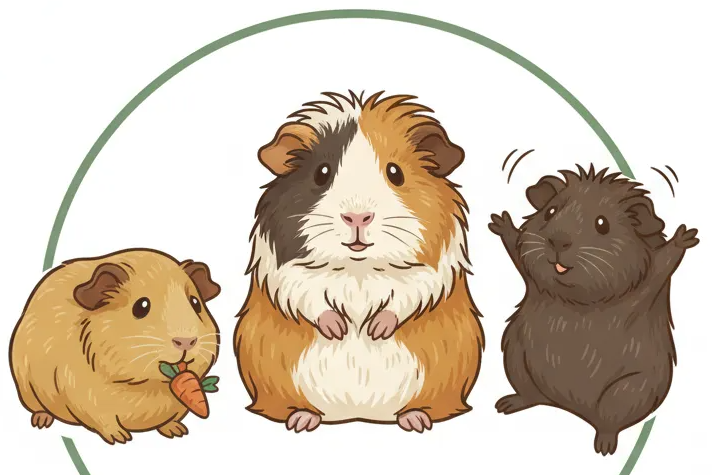
Is Your Tap Water Safe for Guinea Pigs? Water Quality and Filtration Guide
Published on: March 25, 2026 | Last Updated: March 25, 2026
Written By: Kate M. Callahan
Hello CavyFam! Do you ever wonder if the water from your tap could be harming your guinea pigs? It’s a common worry, especially when you notice little changes in their drinking habits or energy levels.
In this article, I’ll explore common water contaminants, simple testing methods, and the best filtration choices. Having cared for my own guinea pigs like gentle Pepper and graceful Clover for years, I’ll share firsthand tips to keep your pets healthy and hydrated.
Understanding Your Tap Water’s Composition
Tap water often contains additives like chlorine and chloramine, which are used to kill harmful bacteria and keep your supply safe for human consumption. In my experience caring for guinea pigs like gentle Pepper, I’ve found that these chemicals can leave a noticeable odor or taste, which might deter your pet from drinking enough water. Chlorine is more volatile and can dissipate if left to sit, while chloramine is more stable and lingers longer, requiring specific filtration to remove.
Minerals such as calcium and magnesium contribute to water hardness, and pH levels indicate how acidic or alkaline your water is. Testing your water’s hardness and pH can help you avoid issues like mineral buildup in bottles, which I’ve cleaned out many times for my curious Clover. Hard water isn’t inherently bad, but extreme levels could affect your guinea pig’s digestion over time.
Heavy metals like lead or copper can seep into water from old pipes, posing serious health risks even in small amounts. I always recommend checking your home’s plumbing age and considering a water test, as heavy metals accumulate in small bodies and can lead to long-term damage. Regular monitoring is a simple step to protect your pets from unseen dangers.
Fluoride is added to many municipal water systems to support dental health in humans, but its effects on guinea pigs are less clear. Based on my observations with reserved Biscuit, limiting fluoride exposure by using filtered water can prevent potential digestive upset or other subtle health changes. Always verify your local water report to see if fluoride is present and at what levels.
Common Water Contaminants That Affect Guinea Pig Health
Exposure to chlorine and chloramine can irritate your guinea pig’s respiratory system and skin, leading to coughing or dryness. When I first got Pepper, I noticed she avoided her water bowl if it smelled strongly of chlorine, so switching to filtered water made a big difference in her hydration and comfort. These disinfectants are necessary for human safety, but they’re not ideal for delicate guinea pig systems.
Heavy metals such as lead or cadmium are particularly dangerous for small animals because their bodies can’t process toxins as efficiently. Even low levels of heavy metals can cause organ damage or neurological issues, which is why I advocate for using certified filters to remove them from your guinea pig’s water source. This proactive approach aligns with good animal welfare practices.
Mineral imbalances, like high calcium, can contribute to urinary problems such as bladder stones in guinea pigs. I’ve learned through caring for graceful Clover that balancing minerals in their diet and water helps maintain healthy urine pH and reduces the risk of painful conditions. Softening hard water or choosing low-mineral options can support their urinary tract health effectively.
Bacterial contamination from sources like E. coli or other pathogens can cause severe diarrhea or infections in guinea pigs. Always ensure water bottles are cleaned daily, as I do for intelligent Biscuit, to prevent bacterial growth that could compromise your pet’s immune system. Using filtered or boiled water can add an extra layer of protection against these common risks, especially when combined with proper hygiene practices outlined in The 11 Biggest Health & Hygiene Mistakes Guinea Pig Owners Make.
Testing Your Water Quality at Home
-
Start by researching your local water quality report online through your municipal water provider’s website. This report details contaminants like chlorine, lead, or nitrates that could affect your guinea pigs’ health. I always check ours yearly because Pepper, my steady guinea pig, once showed mild skin irritation when our tap water had higher chlorine levels after a treatment change. Just like indoor air quality can affect guinea pigs’ health, water quality is equally important to monitor.
-
Pick up a home water test kit from a hardware store or online for quick, on-the-spot checks. These kits often test for pH, chlorine, and hardness, giving you results in minutes without lab delays. When I tested our water last month, the strip showed elevated chlorine, so I immediately switched to filtered water for gentle Clover and reserved Biscuit.
-
Interpret your test results by comparing them to safe guinea pig guidelines, such as chlorine under 2 mg/L and a neutral pH around 7. High levels can cause digestive upset or skin issues, so retest if anything looks off and consult a vet for persistent concerns. After my test, I learned that even slight variations matter for sensitive pets like guinea pigs.
-
Consider professional water testing if home kits show recurring problems or you rely on well water with unknown contaminants. This step ensures thorough analysis for heavy metals or bacteria, giving you peace of mind for your pets’ long-term safety. I opted for this once when our area had flooding, and it confirmed the water was safe for all my guinea pigs.
Water Filtration Methods for Guinea Pig Safety
-
Compare filtration types like pitcher filters for ease, faucet-mounted units for convenience, and under-sink systems for comprehensive removal of impurities. Pitcher filters are my go-to for cost and simplicity, keeping water fresh for Pepper and Clover without fuss. Each type varies in how well they handle chlorine or sediments, so pick one that fits your home setup.
-
Dechlorination processes often involve activated carbon filters that absorb chlorine, making water safer and better-tasting. Letting tap water sit out for 24 hours can also reduce chlorine naturally, but filtration is faster and more reliable for daily use. I’ve found filtered water reduces the odd smells that sometimes bother Biscuit.
-
Discuss water conditioner options, such as pet-safe drops that neutralize chlorine and chloramine without harsh chemicals. Always choose conditioners labeled for small animals to avoid additives that could harm your guinea pigs’ delicate systems. I occasionally use a drop in their water bottle during travel, and it keeps everyone hydrated and happy. This is especially important when caring for your guinea pig while you’re on vacation.
-
Cover cost-effective solutions like reusable filter pitchers or DIY setups with boiled and cooled water for short-term use. Investing in a basic filter can save money over time while protecting your pets from potential toxins. For my trio, a simple pitcher has been a budget-friendly lifesaver, ensuring clean water without breaking the bank.
Alternative Water Sources: Pros and Cons
-
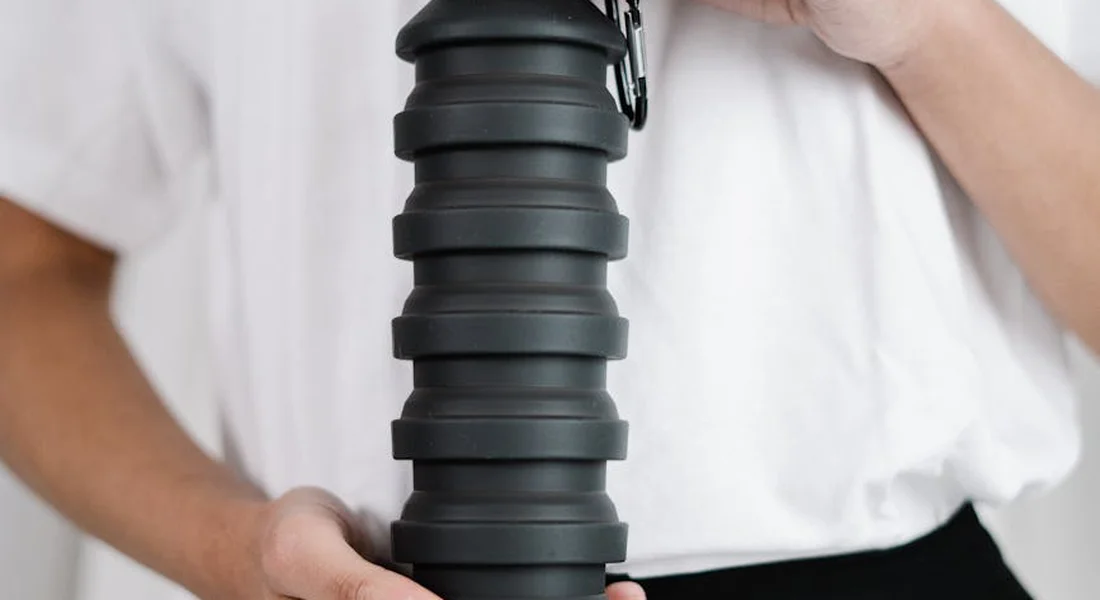
Bottled water often seems like a safe bet, but it can be pricey and create plastic waste. I’ve switched between tap and bottled for my guinea pigs Pepper and Clover, and found that filtered tap water saves money while keeping them healthy. Tap water might contain chlorine or heavy metals, but many filters remove these, making it a reliable choice.
-
Spring water comes from natural sources and has minerals like calcium, which guinea pigs need in moderation. Too much mineral content, though, can lead to bladder stones, so I check labels and avoid high-calcium options for Biscuit’s sensitive system. It’s refreshing but requires careful selection to prevent health issues, especially when combined with dietary mistakes that can stress their system further.
-
Distilled water lacks essential minerals, which might cause deficiencies over time. Using distilled water long-term could weaken your guinea pig’s bones, so I only reserve it for occasional use when other sources aren’t available. It’s pure but not balanced enough for daily hydration needs.
-
Reverse osmosis water is highly purified but strips out beneficial minerals. You might need to add a mineral supplement to keep your pet’s diet complete, something I learned after consulting my vet for Pepper’s care. It’s effective for removing contaminants but demands extra steps to ensure nutritional balance.
Daily Water Care and Hygiene Practices
-
Clean water bottles daily with a bottle brush and mild vinegar solution to remove slime and bacteria. I make it a habit to scrub Clover’s bottle every morning, ensuring no residue builds up that could harm her delicate digestion. Rinse thoroughly to avoid leaving any cleaning agent behind.
-
Replace water at least once a day to keep it fresh and appealing. Stagnant water can harbor germs, so I always refill Biscuit’s supply with cool, filtered water to encourage drinking. Check for debris or discoloration regularly to maintain quality.
-
Water bottles reduce spillage and contamination, while bowls allow for natural drinking postures. I use bottles for Pepper and Clover to minimize mess, but some guinea pigs like Biscuit prefer bowls for easier access. Bowls need more frequent cleaning to prevent bacterial growth from food or bedding. However, guinea pigs shouldn’t get wet, so using bowls requires careful monitoring.
-
Prevent bacterial growth by storing water containers in a cool, shaded area and avoiding direct sunlight. Regularly inspecting for algae or film helps me catch issues early, protecting my pets from potential infections. Use non-porous materials and dry bottles completely between uses to inhibit microbes.
Ensuring Proper Hydration and Water Access
- Optimal water bottle placement in the cage makes a big difference in how much your guinea pig drinks. I always hang bottles at mid-height so Pepper and Clover can sip without stretching or crouching. Avoid spots near food bowls to keep water clean from stray pellets or hay.
- Monitoring daily water consumption helps you catch health changes early. Use a marked bottle and check levels each morning. My guinea pigs, like gentle Pepper, typically drink about 100-300 ml daily, but thirst can spike in warmer weather.
- Multiple water access points prevent stress and ensure every guinea pig gets enough to drink. In my cage, I use two bottles to stop bossy Clover from blocking shy Biscuit. This simple step encourages peaceful hydration for all.
- Seasonal water needs adjustments keep your pets comfortable year-round. During hot months, I add ice cubes to bottles for cool sips, while in winter, I check more often for freezing. Always provide fresh, room-temperature water to support their well-being.
Recognizing Water-Related Health Issues
- Signs of dehydration in guinea pigs include sunken eyes, dry skin, and reduced activity. When Biscuit seemed lethargic last summer, I offered wet veggies and monitored her closely. Quick action can prevent serious problems.
- Water quality related digestive problems often show as diarrhea or bloating. If tap water has contaminants, it can upset sensitive stomachs. I switched to filtered water after Clover had loose stools, and her digestion improved quickly.
- Urinary issues from mineral imbalances may cause painful stones or frequent straining. Hard water high in calcium led to discomfort for Pepper, so I now use a softener to protect his urinary health. Watch for blood in urine or unusual postures.
- When to consult a veterinarian is if symptoms last more than a day or worsen suddenly. Don’t wait if your guinea pig stops drinking or shows severe signs. I’ve learned that early vet visits save lives and reduce suffering for these delicate animals.
FAQs
What is a guinea pig water bottle?
A guinea pig water bottle is a specialized container that attaches to the cage to provide a clean, drip-free water source. It features a sipper tube that allows your pet to drink easily while minimizing contamination from bedding or food. To properly care for guinea pigs, check the bottle daily for leaks and clean it regularly to prevent contamination. Always ensure fresh water is available and refill as needed.
Why is my guinea pig water bottle leaking?
Leaking often occurs due to a worn-out seal, overfilling, or a stuck ball bearing in the sipper mechanism. Regularly inspect and clean the bottle to fix minor issues and prevent wet cage conditions that could lead to health problems.
Should I use a water bowl for my guinea pig?
Water bowls offer a natural drinking position but can easily get soiled by food, hay, or bedding, requiring daily cleaning. They are a good alternative if your guinea pig struggles with bottles, but use heavy, tip-proof designs to reduce spill risks. In the bigger picture of guinea pig hydration, this pits water bottles against water bowls. Weighing these options helps you pick the best setup for reliable daily hydration.
What does it mean if my guinea pig has watery eyes and is not eating?
Watery eyes combined with not eating may signal an upper respiratory infection, dental pain, or an allergic reaction to water contaminants. Eye health is a common concern in guinea pigs, and they can develop issues that affect vision, such as conjunctivitis or corneal problems. Monitoring for changes in the eyes and seeking prompt veterinary care can help prevent serious consequences, including blindness. Seek veterinary care immediately to address underlying causes and support your guinea pig’s recovery with proper hydration and treatment.
What are guinea pig water dispensers?
Guinea pig water dispensers include bottles or automated systems that store and deliver water, available at retailers like Petco for convenient access. They help maintain a fresh water supply and reduce refill frequency, promoting consistent hydration for your pet’s well-being. From a must-have vs nice-to-have perspective, a dependable water source is essential. Other accessories are typically nice-to-have enhancements, not strictly necessary for basic care.
Your Guinea Pig’s Hydration Health in a Nutshell
Test your tap water for harmful elements and consider a reliable filter to remove impurities. From my time with Pepper and Biscuit, I’ve seen how clean, filtered water prevents tummy troubles and keeps them vibrant. Always provide fresh water daily in a clean bottle or bowl.
Commit to ongoing education about eco-friendly pet care practices that benefit your guinea pigs and the environment. Simple steps, like choosing reusable water containers, show love for your pets and the planet we share with thoughtful friends like Clover. Stay proactive in learning new ways to nurture their well-being responsibly by following a weekly guinea pig care routine that emphasizes sustainability.
Further Reading & Sources
- Guinea Pig Water Requirements
- How to Feed Water to Guinea Pigs | Do They Need Water?
- Guinea pigs – food and water
- Can Guinea Pigs Swim? Keeping Your Cavy Safe Around Water – Home & Roost
Kate is a passionate guinea pig owner and advocate for small pet welfare. With over a decade of experience caring for guinea pigs, she has become a trusted voice in the small pet community.
Uncategorized