Power Outage Preparedness: An Emergency Plan for Guinea Pig Owners
Published on: March 26, 2026 | Last Updated: March 26, 2026
Written By: Kate M. Callahan
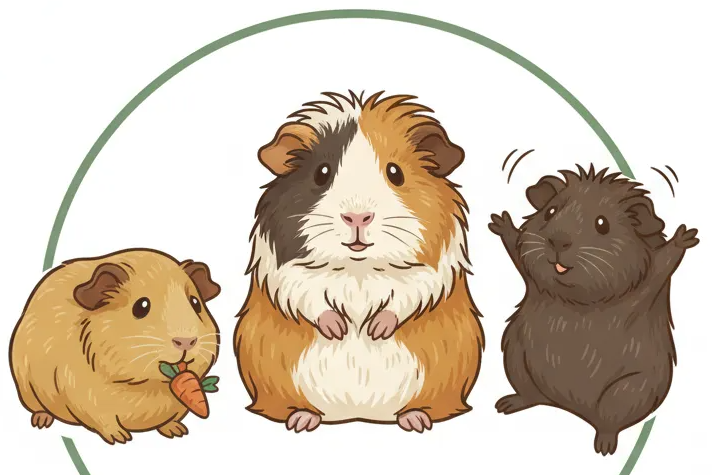
Hello CavyFam! A sudden power outage can make any guinea pig owner worry about their furry friends’ safety and comfort. I know that panicked feeling from past storms when my own herd, Pepper, Clover, and Biscuit, needed immediate care.
In this guide, I’ll walk you through keeping your guinea pigs warm, ensuring fresh food and water, preparing a safe evacuation kit, and managing stress during emergencies.
Having lived through multiple blackouts with my three guinea pigs, I’ve learned firsthand how to protect these sensitive pets when the lights go out.
Understanding Guinea Pig Vulnerabilities in Power Outages
Guinea pigs cannot sweat or pant effectively to cool down, and they lack thick fur for serious cold protection. Their small bodies lose heat rapidly in the cold and overheat dangerously fast in warmth, making stable temperature a life-or-death matter. Maintaining a stable temperature is essential for their well-being, so caregivers must manage heating needs carefully. If the environment gets chilly, providing safe, controlled warming helps keep them comfortable without risking overheating.
Watch for these critical signs of temperature distress.
- Overheating: Lethargy, sprawling flat on the cage floor, rapid shallow breathing, and warm ears/feet.
- Chilling: Hunched posture, shivering, cold ears and feet to the touch, and unusual stillness.
During a winter blackout, I noticed my guinea pig Biscuit became unusually still and felt cold. Wrapping him in a fleece and holding him close to my body for warmth was a simple, immediate action that made all the difference until power returned. A small flashlight was invaluable for checking on all my pets frequently in the dark.
Creating a Tailored Emergency Plan for Your Guinea Pigs
- Gather essential contacts: vets, emergency shelters.
Save your regular vet’s number, the nearest 24-hour emergency animal clinic, and any local shelters that accept pets during disasters in your phone and on a printed card kept with your emergency supplies.
- Outline a simple communication plan for family or neighbors.
Designate a specific person who can check on your guinea pigs if you are not home. Leave clear written instructions on their basic care and the location of their emergency kit with this trusted contact. It’s especially important to ensure your guinea pigs are well cared for while you’re away on vacation.
- Include steps for regular plan reviews and updates.
I check my plan every six months when the clocks change. This is the perfect time to confirm contact numbers are current and replace any expired food or medical supplies in the emergency kit.
Essential Supplies for Your Guinea Pig Emergency Kit
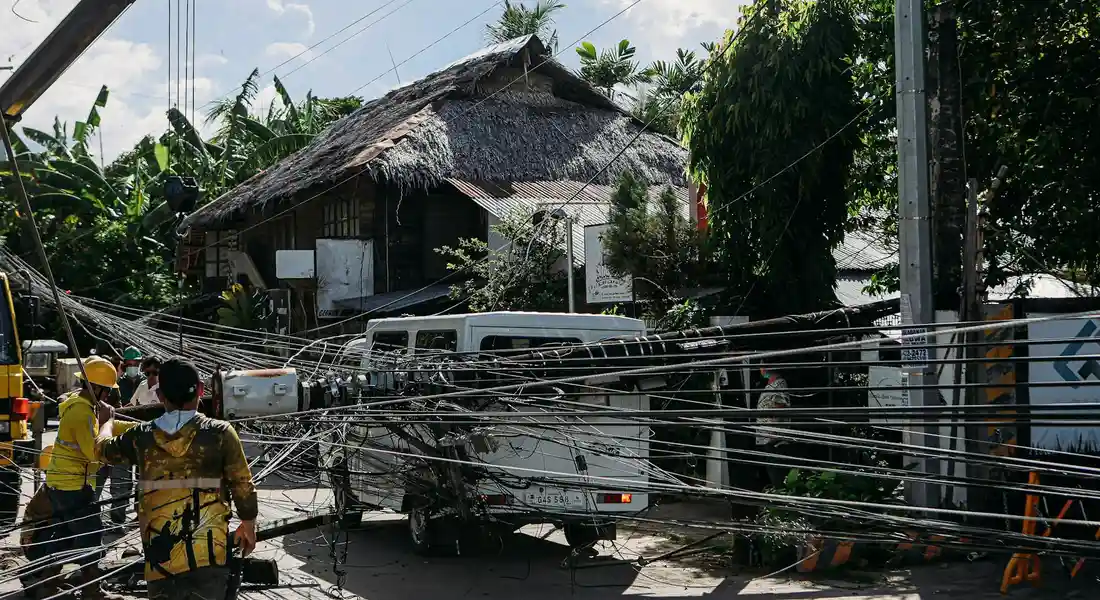
Your emergency kit is your first line of defense when the lights go out. Store at least one week’s supply of hay and pellets in airtight, waterproof containers to prevent spoilage and pests. I learned this the hard way when a storm flooded my storage area, ruining a precious bale of timothy hay.
Water is non-negotiable. Keep several gallons of bottled water reserved specifically for your pets, as municipal water systems can fail or issue boil advisaries during extended outages. I rotate my stock every few months to keep it fresh for my trio.
Bedding requires special consideration. Opt for paper-based bedding or extra fleece liners, as these materials retain warmth better than wood shavings and are safer if ingested. I always keep a sealed bag of paper bedding that my guinea pigs, Pepper and Clover, find very comfortable.
- Backup Hay & Pellets: 1-week supply minimum
- Bottled Water: 1 gallon per pig per week
- Safe Bedding: Paper-based or fleece liners
- Nesting Material: Extra hay or shredded paper
- Transport Carrier: Secure and well-ventilated
- First-Aid Kit: Critical care powder, styptic powder, saline solution
A proper carrier is essential for potential evacuation. Choose a sturdy, well-ventilated carrier that can comfortably fit all your guinea pigs together, as they derive comfort from herd companionship during stressful situations. These steps are part of the ultimate guide to traveling safely with your guinea pig. My carrier fits Pepper, Clover, and Biscuit snugly but safely. Keep an eye out for more safety tips in the guide.
Your first-aid kit deserves careful attention. Include critical care powder for emergency feeding, styptic powder for nail mishaps, and saline solution for eye flushing—these items have saved my guinea pigs during minor emergencies. I check expiration dates quarterly during cage cleanings. These items are essential supplies for a guinea pig first aid kit in emergencies. Having them ready helps you act quickly when your pet needs help.
Managing Temperature Without Electricity
Guinea pigs struggle with temperature regulation, especially during power failures. In winter, keeping them warm is essential. A simple warm zone in their cage can make all the difference. Create a warm zone in their cage using microwavable heat disks wrapped in towels, providing gentle warmth without dangerous temperature spikes. For more on this topic, you can read about Winter warmth for guinea pigs. I tested various methods during a winter outage and found heat disks worked best for my sensitive Peruvian, Biscuit.
Insulation makes a significant difference. Line cage walls with towels or foam boards, and provide extra hiding houses stuffed with hay to create insulated micro-environments where body heat accumulates. My Abyssinian, Clover, particularly appreciates these cozy spaces.
- Warmth Sources: Microwavable disks, warm water bottles
- Insulation Materials: Towels, foam boards, extra hideys
- Monitoring: Digital thermometer with backup batteries
- Safety Checks: Always test heat sources on your wrist first
Summer outages present different challenges. Use frozen water bottles wrapped in thin towels as cooling stations, and position battery-operated fans to circulate air without creating direct drafts on your pets. My American guinea pig, Pepper, will lean against cooled bottles during heat waves.
Ventilation remains crucial regardless of season. Never completely seal the cage environment, as proper air flow prevents humidity buildup and respiratory issues-crack a window nearby if safe to do so. I maintain at least two ventilation points while conserving heat.
Safety should guide every temperature management decision. Avoid candles, generators, or open flames near your guinea pig’s living area, as their delicate respiratory systems are extremely sensitive to fumes and smoke. I keep all alternative heat sources at least ten feet from their enclosure. Guinea pigs handle heat poorly and can overheat quickly. Keep their space cool, shaded, and well-ventilated to prevent overheating.
Ensuring Food, Water, and Hygiene During Outages
-
Plan timed feeding to make your guinea pig’s food last longer during a power outage. Instead of leaving pellets out all day, feed them at set times, like morning and evening. This method helps prevent overeating and ensures your supplies don’t run out too quickly. So, how often should you feed guinea pigs? Most experts recommend a steady schedule—at least two small meals a day, with hay available freely. From my time with Pepper, I found that a consistent schedule kept her calm and healthy even when resources were tight.
-
Store extra fresh water in clean, sealed containers and check it daily for any signs of contamination, like cloudiness or odd smells. Having a backup supply means your pets stay hydrated without risking illness from stale water. I always keep a few bottles on hand for Clover and Biscuit, and I give each one a quick visual check before refilling their bowls.
-
Maintain cage cleanliness by using limited supplies like paper towels or old fabric for bedding, and spot-clean more often to avoid buildup. Regular tidying prevents odors and keeps your guinea pigs comfortable when you can’t do a full clean. A complete guinea pig hygiene cleaning routine also includes periodic full cage cleans. Schedule a full clean on a regular basis to refresh bedding and sanitize the cage. With Biscuit, I’ve used shredded newspaper in a pinch, and it worked well for short periods without causing stress.
Safety Procedures and Backup Power Options
-
Discuss generator and battery backup safety by keeping them away from your pets to avoid carbon monoxide risks or electrical hazards. Always place generators outdoors and use battery-powered devices in well-ventilated areas to protect your furry friends. I learned this the hard way when a nearby generator fumes made Pepper uneasy, so now I stick to safe alternatives.
-
Provide tips for safe lighting, like using battery-operated LED lights instead of candles, and reduce stress by keeping the environment quiet and familiar. Soft, consistent lighting helps guinea pigs feel secure without overwhelming their senses. For Clover, a small LED lamp in her corner made outages less frightening and kept her from hiding too much.
-
Include evacuation steps by having a pet carrier ready and knowing local shelters that accept animals, so you can act quickly in an emergency. Practice grabbing your guinea pigs and their essentials to make evacuations smooth and stress-free. I’ve drilled this with Biscuit, and having a go-bag with food and water makes all the difference in a crisis. For disaster preparedness, have a guinea pig emergency plan ready and practice it so you can act quickly if disaster strikes.
FAQs
How can I keep my guinea pigs entertained during a power outage?
Provide simple toys like empty toilet paper rolls or crumpled paper for them to investigate and play with. This mental stimulation helps reduce stress and prevents boredom in the absence of their usual environment.
What should I do if my guinea pig shows signs of respiratory distress during an outage?
Immediately move them to a draft-free, warm area and cover part of their cage with a blanket to conserve heat. Contact your veterinarian as soon as possible, using the emergency contacts from your prepared plan.
Are there any household items I can use for emergency bedding if supplies run out?
Shredded newspaper or clean, old T-shirts can serve as temporary bedding to keep your guinea pigs dry and comfortable. Avoid using materials with inks or chemicals that could be harmful if ingested.
Your Guinea Pig’s Emergency Plan in Action
From my time with Pepper, Clover, and Biscuit, I’ve learned that a simple, practiced routine with backup supplies keeps them secure. Focus on warmth, hydration, and calm handling to navigate outages smoothly and safely.
Being a dedicated owner means always seeking better ways to care for your pets and the Earth. Embrace eco-friendly habits in daily care to support both your guinea pigs’ health and a greener world. For a structured approach, many owners turn to a weekly guinea pig care routine ultimate checklist to stay organized and proactive. That checklist helps ensure no task is missed and your piggies stay healthy.
Further Reading & Sources
- r/guineapigs on Reddit: Tips for keeping piggies cool during power outage?
- Keeping Warm – Keeping pig warm during power outages. – Guinea Pig Cages
- Keeping Warm – Keeping pigs warm during power outage – Guinea Pig Cages
- How to Keep Your Guinea Pigs Warm in a Winter Power Outage | HappyCavy
Kate is a passionate guinea pig owner and advocate for small pet welfare. With over a decade of experience caring for guinea pigs, she has become a trusted voice in the small pet community.
Uncategorized