Seasonal Considerations for Getting a Guinea Pig
Hello CavyFam! Thinking about getting a guinea pig but worried about the right time of year? You’re not alone, and it’s a smart question to ask before bringing a new furry friend home.
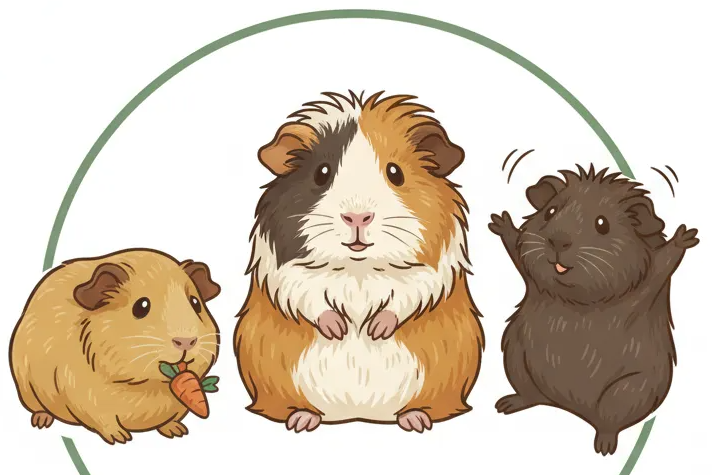
In this guide, I’ll walk you through weather impacts, seasonal health hazards, and year-round care adjustments to ensure your pet thrives. Having raised my own trio-Pepper, Clover, and Biscuit-through all four seasons, I’ve learned what truly works to keep them happy and healthy.
Why Season Matters for Your New Guinea Pig
Guinea pigs originate from the Andes mountains, where they experience cool, stable climates without extreme weather shifts. This makes them highly sensitive to the dramatic seasonal changes common in many modern homes. Their bodies aren’t built to handle intense summer heat or harsh winter drafts that our heating and cooling systems create.
My own herd has taught me so much about seasonal adaptation. Pepper, my steady American, becomes sluggish during summer heatwaves, requiring extra cooling measures. Clover, the graceful Abyssinian, gets noticeably more vocal when daylight hours shorten in autumn. And Biscuit, my reserved Peruvian, grows his long coat thicker every winter, needing far more grooming to prevent mats from indoor humidity changes.
- Temperature shifts directly impact their metabolism and activity levels
- Daylight hours affect their feeding schedules and social behavior
- Humidity levels influence respiratory health and coat condition
Managing Temperature and Humidity Year-Round
-
Maintain temperatures between 65-75°F (18-24°C) consistently. Below 60°F risks hypothermia, while above 80°F can cause heatstroke. I learned this the hard way when Pepper showed signs of heat stress during a sudden temperature spike.
-
Use air conditioning during summer heat and avoid direct fan airflow. These summer care tips help keep guinea pigs cool and comfortable in hot weather. Also, make sure they have shade and access to fresh water at all times. I place frozen water bottles wrapped in towels in their enclosure for cooling. In winter, I add extra hay bedding and move their cage away from drafty windows while ensuring heating vents don’t blow directly on them.
-
Monitor humidity with a simple gauge, keeping it around 40-60%. High humidity encourages respiratory issues, while low humidity causes dry skin. I use a humidifier during dry winter months and ensure proper ventilation in humid summer conditions.
Seasonal Adjustments to Housing and Shelter
Your guinea pig’s home is their castle, and its needs change dramatically with the weather. Indoor housing offers the most stable environment, shielding your pets from extreme temperatures year-round. My trio, Pepper, Clover, and Biscuit, live indoors, which lets me manage their comfort directly no matter the season. Think about where in your home you place the cage—choose a quiet, draft-free spot away from direct sun and kitchen smells. It should be at a reachable height for daily care and interaction.
Indoor vs. Outdoor Housing Needs
- Spring & Summer: Indoor cages should be kept away from direct sunlight and air conditioning vents to prevent overheating. For outdoor hutches, this is the most dangerous season; heatstroke is a real and fast-acting threat.
- Fall & Winter: Indoor homes must be positioned away from drafty windows and doors. Outdoor housing is generally not recommended in cold climates, as guinea pigs are very susceptible to respiratory illnesses from the chill.
Bedding Changes for Comfort
- For Warmth: In cooler months, I layer extra paper-based bedding and add piles of hay for them to burrow into. Fleece liners can also provide a cozy, insulating layer.
- For Cooling: During heatwaves, I use thinner layers of aspen wood shavings or paper bedding, which feel cooler against their feet. I sometimes even pop a ceramic tile in the freezer and then place it in their cage for a cool spot to lounge.
Ventilation Strategies
- Prevent Stuffiness: A small, oscillating fan placed across the room (never pointed directly at them) promotes air circulation on humid summer days.
- Avoid Chills: In winter, ensure the room is well-ventilated but not drafty. I crack a window in a different room to refresh the air without creating a cold breeze directly over their habitat.
Diet and Nutrition Through the Seasons
- Hay and Greens Variation
Timothy hay is the year-round staple, but its quality can shift. Summer often brings the freshest, greenest hay, while winter hay might be drier and dustier, so I sift it carefully. Fresh greens follow nature’s calendar; we enjoy dandelion greens and clover in the spring and summer, shifting to heartier kale and romaine in the cooler months.
- Vitamin C and Water Intake
Guinea pigs cannot store Vitamin C, so a consistent daily source is non-negotiable. I supplement their diet with a quarter of a green bell pepper daily, as it’s a reliable, low-sugar source of Vitamin C in every season. In summer, I refresh their water bottle multiple times a day with cool water to encourage drinking, and in winter, I use lukewarm water to make it more appealing. However, ensuring they have adequate hydration and Vitamin C isn’t just about food; it’s part of a broader approach to meeting their nutritional and water needs.
- Personal Seasonal Feeding Tips
From my experience, seasonal changes are a perfect time for gentle dietary enrichment. I introduce new veggies gradually, watching each pig’s reaction closely, as their individual tastes can be as distinct as their personalities. In autumn, I might offer a small piece of apple as a rare treat, while in the heat of summer, a chilled cucumber slice is a hydrating and welcome snack for all three of my girls.
Preventing Seasonal Health Issues
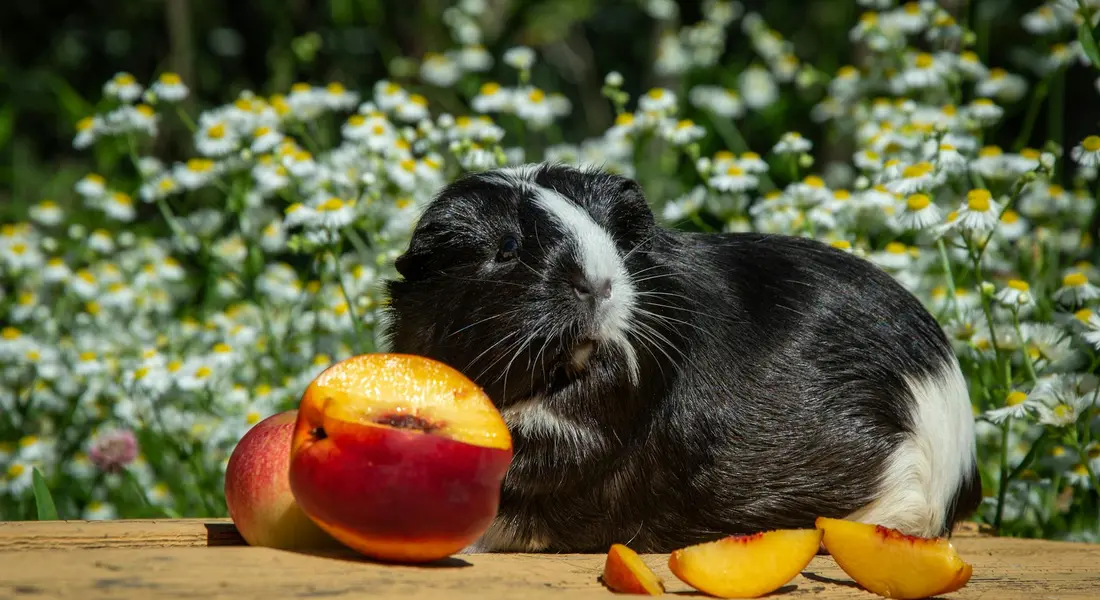
Guinea pigs are sensitive to seasonal shifts, and their health can reflect these changes. I’ve learned that proactive care is the best way to keep your pets thriving all year long. A seasonal cage maintenance guide will walk you through year-round tips for cleaning, ventilation, and bedding. This approach helps keep them comfortable and healthy through every season.
Common Parasites and Diseases by Season
Different seasons bring unique challenges. Summer’s warmth invites pests, while winter’s chill can weaken immune systems.
- Summer: Mites and flystrike are major concerns. Hot, humid weather creates a perfect environment for flies to lay eggs on soiled fur. I always check Pepper and Clover’s rear ends twice daily in summer.
- Spring & Autumn: Fungal infections, like ringworm, can pop up with fluctuating humidity. Drafts during these transitional seasons also increase the risk of respiratory infections.
- Winter: Upper respiratory infections (URIs) are the biggest threat. The combination of dry, heated air and less ventilation makes them more susceptible.
Disease Prevention Through Cleaning
A consistent cleaning routine is your first line of defense. It’s not just about tidiness; it’s about health.
- Daily Spot-Cleaning: Every morning, I remove soiled bedding and any uneaten fresh veggies. This simple step dramatically reduces odor and deters flies.
- Weekly Deep Clean: Once a week, I empty the entire cage, scrub the base with a vinegar-water solution, and add all-new bedding. This prevents ammonia buildup from urine, which irritates their delicate lungs.
- Hidey & Food Bowl Wash: I wash their plastic houses and ceramic food bowls with soap and hot water during the weekly clean to stop bacteria and mold.
Signs of Seasonal Illness and Vet Care
Guinea pigs are prey animals and hide illness well. You must be a keen observer.
- Listen for persistent sneezing, wheezing, or crackly breathing-this often signals a URI.
- Watch for lethargy, a hunched posture, or a lack of interest in food. Biscuit once sat in a corner all day, which was my cue to call the vet.
- Check their fur and skin for bald patches, flakiness, or constant scratching, which could mean mites or fungus.
If you notice any of these signs, especially refusing food, contact an exotic vet immediately. Guinea pigs have fast metabolisms, and a day without eating can become a critical emergency. If your guinea pig seems unusually still, cold, or unresponsive and appears to be hibernating, this can be a red flag for a life-threatening condition. These signs require urgent veterinary assessment.
Choosing the Right Time to Adopt
Timing your adoption can set you and your new pet up for a smoother transition. Thinking about the calendar year from an animal’s perspective makes a huge difference.
Shelter Availability and Timing
Animal shelters often see seasonal influxes of small pets.
- Spring & Early Summer: Many shelters receive an influx of “Easter gift” guinea pigs after the novelty wears off. This can mean more choices for you.
- Post-Holiday Period: Similar to spring, the time after winter holidays can see an increase in surrendered pets.
- Adopting in these peak times directly helps ease shelter overcrowding. The main con is that you might be bringing a pet home during a season with its own health challenges, so you need to be extra prepared.
Potential Seasonal Cost Spikes
The time of year can impact your initial setup budget.
- Winter: You may need to invest more upfront in safe heating options like a Snuggle Safe heat pad or a thermostatically controlled space heater for the room.
- Summer: If you live in a hot climate, a portable air conditioner or cooling tiles might be necessary to keep the cage area from overheating.
- Basic supplies like hay and pellets are generally consistent in price, but these extra environmental controls can add to your start-up costs.
Preparing Your Home First
Never bring a guinea pig home to a half-ready environment. Setting up their space completely in advance reduces stress for everyone. This is part of the ultimate pre-adoption checklist to ensure you’re truly ready for a guinea pig. Check off every item before adoption day. Follow these steps before adoption day.
- Choose the Location: Pick a permanent spot for the cage away from direct sunlight, drafty windows, loud noises, and kitchens (fumes from non-stick cookware are toxic to them).
- Assemble the Habitat: Set up the entire cage with a thick layer of bedding, a hidey house, a water bottle, and a heavy food bowl that won’t tip over.
- Stock Up on Supplies: Have at least a week’s worth of timothy hay, high-quality pellets, and a list of guinea-pig-safe vegetables ready to go.
- Guinea-Proof the Room: If you plan for floor time, block off areas behind furniture and cover electrical cords. I learned this after Clover tried to nibble a lamp cord!
FAQs
What are the biggest reasons people advise against getting a guinea pig?
Guinea pigs require daily interaction and care, which can be time-consuming for busy individuals. They also need a long-term commitment due to their 5-7 year lifespan and potential for unexpected veterinary expenses. Knowing the average guinea pig lifespan—about five to seven years—helps potential owners plan for years of ongoing care.
What common warnings do you see on Reddit about guinea pig ownership?
Reddit users often highlight the high costs of proper housing and exotic vet bills as major drawbacks. They also caution about the constant cleaning needed to prevent odors and health issues, which can be overwhelming for some.
How can I tell if my guinea pig is stressed by seasonal changes before it becomes ill?
Watch for unusual behaviors like hiding more often or changes in vocalization during temperature swings. A decrease in normal activity or slight shifts in eating habits can also indicate discomfort with the season.
Do guinea pigs have different social needs in various seasons?
In colder months, guinea pigs may seek more companionship and vocalize frequently due to reduced daylight. During hot seasons, they might prefer solitary cool spots and interact less, reflecting their sensitivity to environmental changes. Maintaining a stable, safe temperature is essential, with gentle heating in cold months if needed. In hot periods, provide cooling and avoid overheating to support their comfort and health.
Are there any seasonal factors that make guinea pig care more challenging?
Seasonal shifts can increase parasite risks, like mites in humid summers, and make it harder to source fresh vegetables in winter. These factors require extra vigilance in monitoring and adjusting care routines throughout the year.
Your Guinea Pig’s Year-Round Happiness
Always tailor your guinea pig’s environment and diet to the changing seasons, as I do with Pepper, Clover, and Biscuit. Regularly checking temperature and humidity helps avoid stress and keeps your pet cozy in any weather. I keep a seasonal care checklist to prep for spring, summer, fall, and winter, adjusting bedding, hay, greens, and enclosure as temps shift. This keeps Pepper, Clover, and Biscuit comfortable year-round.
Stay committed to learning and improving your care routine for a lifetime of joyful companionship. Choosing eco-friendly supplies, like biodegradable bedding, protects your guinea pig and our planet together. In our ultimate guide to safe bedding options for guinea pigs, you’ll learn how to choose bedding that is safe, absorbent, and low-dust. It also covers common materials to avoid and tips for safe cleaning.
Further Reading & Sources
- Adapting your guinea pigs’ environment to changing seasons | Guinea Pig Awareness Week
- Seasonal Care Guide for Guinea Pigs: Year-Round Comfort – Home & Roost
- Protect Guinea Pigs from Summer Heat – FOUR PAWS International – Animal Welfare Organisation
- The effects of early environmental conditions on the reproductive and somatic development of juvenile guinea pigs (Cavia aperea f. porcellus) – PMC
Kate is a passionate guinea pig owner and advocate for small pet welfare. With over a decade of experience caring for guinea pigs, she has become a trusted voice in the small pet community.
Uncategorized