Best Guinea Pig Pellets: Honest Reviews and Smart Comparisons
Hello CavyFam! Choosing guinea pig pellets often feels confusing and a little worrying. You want the very best for your furry friend but wonder if you’re making the right call.
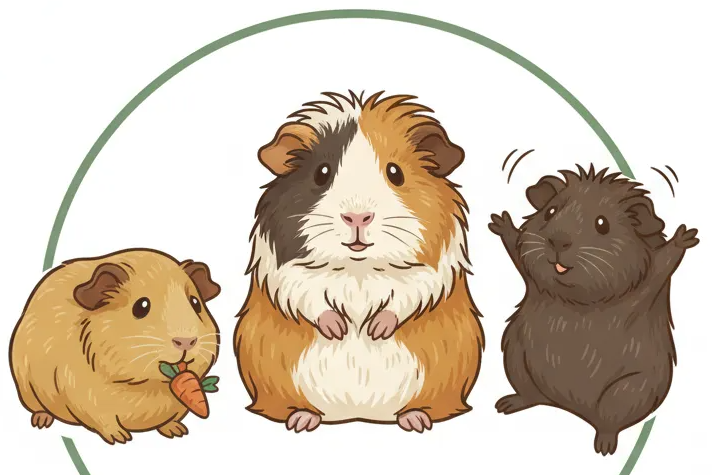
I’ll guide you through key vitamins, top brand comparisons, ingredient red flags, and simple feeding steps. My own cavies, steady Pepper, thoughtful Clover, and intelligent Biscuit, have been my teachers through years of testing what truly nourishes them.
Pellets for Different Life Stages
Your guinea pig’s age plays a huge role in what pellets they need. I learned this firsthand watching Biscuit grow from a shy baby to a curious adult, while gentle Pepper has always been my steady eater on a standard diet. Their bodies change, and their food should too.
- For Young Pigs (Under 6 Months): Look for pellets with alfalfa listed first. The extra calcium and protein support rapid growth. I fed these to Biscuit early on, and her development was smooth and healthy.
- For Adult Pigs (1-5 Years): Timothy-based pellets are perfect. They maintain weight without excess calories. Both Pepper and graceful Clover have kept ideal body condition on these for years.
- For Senior Pigs (5+ Years): Consider pellets with easier-to-chew textures or added glucosamine. Softer options can help if dental issues arise, which is common in older pigs.
How to Spot and Avoid Low-Quality Pellets
Not all bags are created equal. After a bad experience with a colorful mix that my pigs picked through, leaving the sugary bits behind, I now check labels like a detective. Here are clear warning signs.
- Artificial Colors or Flavors: These add zero nutrition and can cause digestive upset. I always choose plain, natural-looking pellets.
- Seeds, Nuts, or Dried Fruit Pieces: These are high in fat and sugar, leading to obesity. My rule is simple: if it looks like trail mix, skip it.
- Grain-Based First Ingredients: Corn, wheat, or soy before timothy hay often mean lower fiber and higher carbs. This isn’t suitable for a guinea pig’s delicate gut.
- No Guaranteed Vitamin C Level: If the label doesn’t specify stabilized vitamin C, the nutrients may degrade quickly once opened, risking deficiency.
Choosing a pellet without these fillers is a direct act of animal welfare, ensuring your pet isn’t consuming empty calories that harm their long-term health.
Side-by-Side: A Quick Comparison Table
To make your choice easier, here’s a breakdown of pellet types I’ve used with my herd. This table draws from my notes on Pepper’s consistent eating habits, Clover’s sensitive digestion, and Biscuit’s pickier phases.
My Personal Feeding Routine and Portion Tips
Finding the right brand is only half the battle-how you feed matters just as much. I measure pellets daily for my three girls to prevent overfeeding, which is easy to do with those begging eyes. Here’s my simple system.
- Measure Daily: For each adult pig, I offer 1/8 cup of pellets each morning. This leaves room for plenty of hay and veggies.
- Use a Heavy Ceramic Bowl: This prevents tipping and keeps pellets clean. My thoughtful Clover used to flip lightweight dishes, making a mess.
- Remove Uneaten Pellets: After a few hours, I take out old pellets to keep them fresh and prevent spoilage, especially important for vitamin C potency.
- Observe and Adjust: If Pepper leaves pellets behind, I check her weight and health. Sometimes, it signals a need for more hay or a vet visit.
This routine has kept my pigs at a healthy weight and ensures they get the supplemental nutrients without filling up on pellets alone. A feeding guide on pea flakes for guinea pigs explains the benefits and how to use them safely. Following that guidance helps balance pellets with pea flakes for optimum digestion and overall health.
Switching Pellets Without Upsetting Tummy
A sudden change in food can cause digestive issues. When I transitioned Biscuit from alfalfa to timothy pellets, I did it over ten days to avoid any bloating or refusal. Follow these steps for a smooth switch.
- Start Slow: Mix 25% new pellets with 75% old pellets for the first three days.
- Increase Gradually: Move to a 50/50 mix for days four through six.
- Nearly There: Use 75% new pellets with 25% old for days seven to nine.
- Complete Transition: On day ten, offer 100% new pellets. Watch their droppings and energy levels closely.
Taking it slow respects your guinea pig’s sensitive digestive system and reduces stress, which aligns with compassionate animal care. This approach also helps your new guinea pig feel safe and acclimated as they settle in. With patience and gentle handling, bonding will come naturally.
A Simple Guide to Choosing Your Pellets
Follow these steps to pick the right bag for your furry family member. I use this same checklist every time I shop.
- Check the Life Stage: “Young” or “alfalfa-based” pellets are for babies under 6 months. Adults need “adult” or “timothy-based” formulas.
- Read the Ingredient List: The first item must be a grass hay. Avoid lists that start with corn, wheat, or soy.
- Scan the Guaranteed Analysis: Confirm the fiber is over 18% and protein is between 14-16% for adults.
- Inspect the Pellet: Look for a uniform, plain greenish-brown color. Colorful muesli mixes encourage unhealthy picking.
How Much to Feed: The Daily Portion Rule
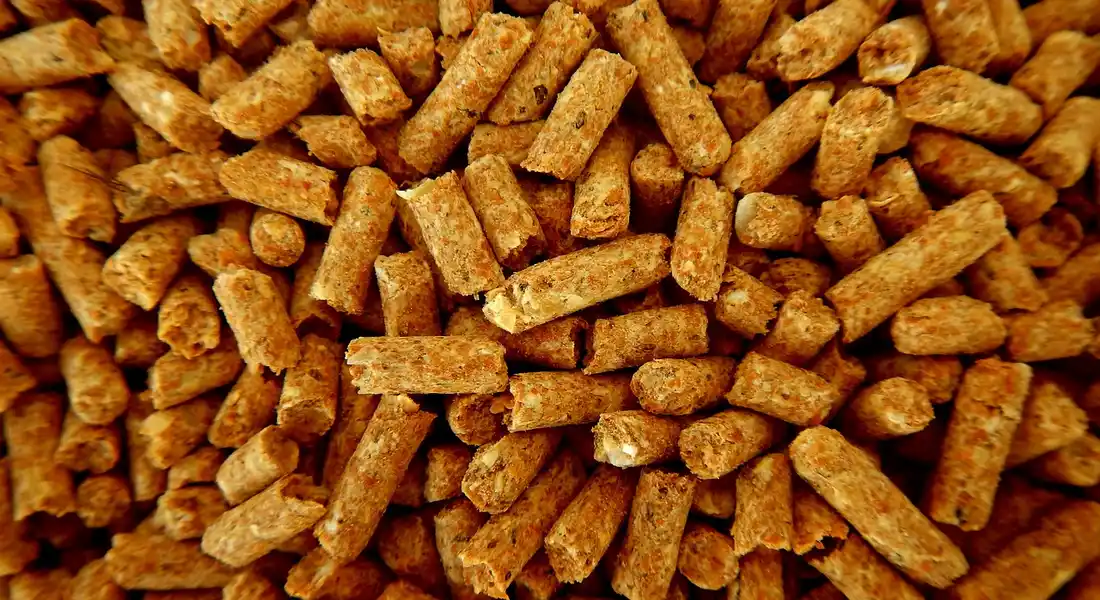
Overfeeding pellets is a common mistake that can lead to weight gain and less hay consumption. For a healthy adult guinea pig, one standard eight-ounce cup of pellets is enough for about a month when fed correctly. So, how much should a guinea pig eat daily? A typical daily pellet amount is around 1/4 cup per day for an average adult, adjusted for weight and pellet type. Here is my daily routine.
- Morning Portion: I offer 1/8 cup of pellets per pig in a heavy ceramic bowl.
- Evening Check: Any uneaten pellets from the morning are discarded, and the bowl is cleaned. This keeps food fresh.
- Always Available: Unlimited grass hay and fresh water. Daily vitamin C-rich veggies like bell pepper.
Dispelling Common Pellet Myths
Let’s clear up some confusion I often see in online forums and from new piggy parents.
- Myth: More pellets mean a happier pig. The truth is, unlimited pellets create a picky eater who ignores their vital hay, leading to digestive issues and obesity. Watching Biscuit, my Peruvian, I learned that a satisfied guinea pig is one with a constant supply of fragrant timothy hay, not an overflowing pellet dish.
- Myth: All pellets from a pet store are safe. This one is dangerously false. Many colorful mixes are filled with sugary dried fruits, fatty seeds, and artificial dyes that harm delicate systems. Your first act of care is turning that bag over and reading the ingredient list like a detective searching for clues.
- Myth: You can wet pellets to make a mush for older pigs. While well-intentioned, creating a moist pellet mash can quickly breed harmful bacteria. For hydration and softer food, I hand-feed Pepper thin slices of watery cucumber or bell pepper, a much safer and more nutritious choice.
Finding and Storing Quality Pellets
You do not need a secret map to find good food. I reliably find top-tier pellets at local farm supply stores, which often stock plain, hay-based brands. Major pet retailers carry them too, both on shelves and online. The key is patience to compare labels in the aisle or from the comfort of your couch during an online search. Read the label like a pro: look for a high-fiber hay base and minimal additives. Check the ingredient order and guaranteed fiber content to compare options quickly.
Buying a large bag seems smart for your wallet. It only works if you have a herd or use it fast. Vitamin C degrades after opening. Smart bulk buying can cut costs, but proper storage keeps quality high. Store pellets in an airtight container to preserve vitamin C and extend freshness. I buy a bag that my trio of pigs can finish in about a month to ensure they get every bit of that crucial nutrient. I never leave pellets in the flimsy paper bag they came in.
Transfer them immediately into a sealed, airtight container kept in a cool and dark pantry. This locks out moisture, pests, and staleness. Proper storage preserves the freshness and nutritional value you paid for, protecting your investment in their health.
Seeing Clover’s graceful energy and the sheen on all their coats confirms my choices daily. Their vibrant health is my reward. Selecting the right pellet is a quiet, consistent act of love that pays you back in years of contented purrs and joyful popcorn jumps.
FAQs
Can I find good guinea pig pellets at Walmart?
Walmart stocks various guinea pig pellet brands, but selection may vary by location. Always prioritize pellets with timothy hay as the first ingredient and avoid those with colorful mixes or artificial additives. If you want more detail, check out our Guinea Pig Pellets Ingredient Guide. It explains which ingredients signal quality and which to avoid.
Is it cost-effective to buy guinea pig pellets in bulk?
Buying in bulk can reduce costs, but vitamin C in pellets degrades after opening. Purchase only an amount your guinea pigs can finish within a month to ensure nutritional value and freshness. After opening, transfer the pellets to an airtight container. Store them in a cool, dry place away from light to maintain freshness.
Is Oxbow a reliable brand for guinea pig pellets?
Oxbow is a trusted brand known for its hay-based formulas and life-stage-specific options. Check for stabilized vitamin C and avoid mixes with seeds or fruits to align with your pig’s dietary needs.
What are some alternatives to commercial guinea pig pellets?
Alternatives include focusing on unlimited grass hay and fresh vegetables rich in vitamin C, like bell peppers. However, pellets are fortified to prevent deficiencies, so any diet change should be discussed with a veterinarian.
Does PetSmart offer quality guinea pig pellet options?
PetSmart carries reputable brands such as Oxbow and Kaytee, but inspect labels for timothy-based ingredients and guaranteed vitamin C. Avoid pellets with artificial colors or sugary additives for optimal health. Be wary of common harmful ingredients in guinea pig pellets, such as artificial colors, flavors, and high sugar content. Also steer clear of pellets with unnecessary fillers like corn or seeds.
Making the Right Choice for Your Furry Friend
From my time with Pepper, Clover, and Biscuit, I’ve seen that selecting a simple, timothy hay-based pellet with stabilized vitamin C is the most reliable way to meet their nutritional needs. If you’re weighing timothy hay vs alfalfa pellets, keep in mind that alfalfa is higher in calcium and protein and may be better for growing youngsters, while timothy suits most adults. This straightforward approach prevents selective feeding and ensures your guinea pig gets the fiber and nutrients required for a healthy, active life.
Being a great guinea pig parent means always learning and making mindful, earth-friendly decisions for their care. Prioritize pellet companies that use recyclable materials and ethical practices, as this commitment benefits your pet’s world and our shared environment. It’s also useful to weigh the pros and cons of homemade versus commercial guinea pig pellets. Commercial pellets offer convenience and consistent nutrition, while homemade mixes let you control ingredients but require careful balancing to avoid gaps in essential nutrients.
Further Reading & Sources
- r/guineapigs on Reddit: What Guinea pig pellets do you recommend?
- The Best Guinea Pig Pellets: Reviewed and Ranked – A-Z Animals
- Premium Cold Pressed Guinea Pig Pellets – Hay Box
- r/guineapigs on Reddit: What are the best pellets in your opinion (read body text)
Kate is a passionate guinea pig owner and advocate for small pet welfare. With over a decade of experience caring for guinea pigs, she has become a trusted voice in the small pet community.
Uncategorized