Why Do Guinea Pigs Vibrate and Purr? (Understanding Different Purrs)
Published on: April 23, 2026 | Last Updated: April 23, 2026
Written By: Kate M. Callahan
Hello CavyFam! Have you ever felt your guinea pig vibrate or heard a soft purr and wondered if it’s a sign of happiness or something to worry about? You’re not alone-many owners find these behaviors puzzling at first.
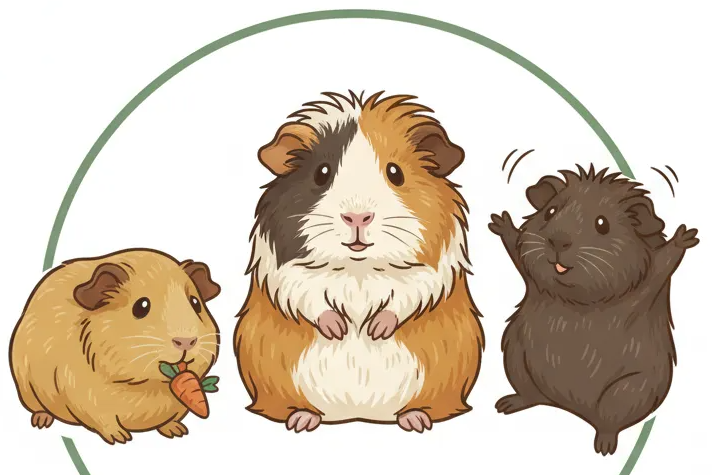
In this guide, I’ll walk you through the key reasons behind these actions, focusing on common causes of vibrating, types of purring sounds, how to interpret each one, and simple steps to respond safely. With years of caring for my own guinea pigs-Pepper, Clover, and Biscuit-I’ve learned to read their subtle cues and share insights to help you do the same.
Introduction to Guinea Pig Vocalizations and Vibrations
Guinea pigs are incredibly expressive creatures, using a rich vocabulary of sounds and physical vibrations to share their feelings with you. Learning to interpret these signals is one of the most rewarding parts of building a bond with your small friend. I’ve spent countless hours with my own herd-Pepper, Clover, and Biscuit-and their unique personalities shine through in every rumble and squeak.
Understanding the Different Types of Purrs
Not all purrs are created equal, and context is your best guide to understanding what your guinea pig is telling you. Paying close attention to their body language and the situation will help you decode their true message. A low, steady rumble in a relaxed pig means something entirely different from that same sound in a tense one. In our guide to guinea pig vocalizations, we explain what each sound means and how to respond. Understanding these cues helps you read their messages more accurately and respond with care.
Purrs of Contentment and Happiness
This is the sound every owner loves to hear-a soft, steady, and deep purr, often accompanied by a completely relaxed posture. You’ll most often hear this happy purr during gentle petting, especially under the chin or behind the ears. My gentle guinea pig, Pepper, melts into a puddle of quiet rumbles when I stroke his golden-brown back, his eyes half-closed in bliss.
- A relaxed, loose body, often stretched out or lying down.
- Soft, closed or half-closed eyes.
- The purr is consistent and low-pitched.
- Often happens during cuddle time or when enjoying a favorite veggie treat.
Purrs Linked to Stress or Discomfort
A higher-pitched, more frantic purr can signal that your guinea pig is feeling anxious, scared, or even in pain. This vibrating sound is usually sharper and the guinea pig’s body will be visibly tense. I’ve noticed my graceful Clover makes this sound when she hears a sudden loud noise, her body freezing and her ears perked up in alarm. If you hear it, you can tell if your guinea pig is stressed or anxious. Look for other signs like hiding, trembling, or a changed appetite to confirm.
- A stiff, frozen, or hunched body posture.
- Wide, alert eyes, scanning for danger.
- The purr is more of a high-frequency vibration or shudder.
- Can occur during a vet visit, when introduced to a new environment, or if they are unwell.
Purrs in Social and Mating Contexts
One of the most fascinating purrs is the low, resonant “rumble strut,” used in social dynamics and courtship. During this rumble, a guinea pig will often sway its hips from side to side while slowly walking, making itself look larger. My intelligent but reserved Biscuit will sometimes do this when he wants to show the others he’s the boss of the food bowl.
- A deep, motor-like rumble that sounds different from a content purr.
- The characteristic hip-swaying walk is a dead giveaway.
- Used by males to court females and by both sexes to assert dominance.
- It’s a normal behavior, but watch to ensure it doesn’t escalate into chasing or fighting.
Decoding Guinea Pig Vibrations and Rumbling
Vibrations Showing Excitement or Play
Many guinea pig vibrations are pure expressions of joy. I often notice a high-frequency, buzzing purr from my guinea pig, Pepper, when I bring out his favorite fresh cilantro. This specific purr is a rapid, happy vibration that often accompanies popcorning, where they jump straight up in the air with excitement. It’s their way of saying life is good.
You might also feel a softer, more continuous rumble when they are exploring a new toy or tunnel. My guinea pig Clover does this when she’s investigating a freshly made cardboard castle. Think of this as a curious hum, a sign your pet is engaged and content with their environment. It’s a wonderful sound that tells you they feel safe enough to play.
Vibrations as Signs of Anxiety or Health Issues
Not all rumbles are created equal. A deep, resonant, and drawn-out rumble is a classic sign of agitation or fear. I’ve heard this from Biscuit when a sudden loud noise startled him. This lower-pitched rumble is a clear warning signal, often accompanied by a stiff, frozen posture. It’s their way of saying, “I am not comfortable with this situation.”
Pay close attention if the vibration feels more like a shudder or a tremble. A constant, shaky vibration, especially when paired with lethargy or a lack of appetite, can be a red flag for pain or illness. I learned this the hard way when one of my first guinea pigs was quietly suffering from a tooth issue. Any persistent, unusual shaking warrants a prompt call to your veterinarian.
How to Interpret Your Guinea Pig’s Body Language with Sounds
Reading Comfort Signals and Bonding Cues
Guinea pigs communicate a full conversation with their entire bodies. When a soft purr pairs with a relaxed, stretched-out posture and half-closed eyes, you’ve hit the jackpot. This combination is the ultimate sign of trust and contentment, showing your guinea pig feels completely secure in your presence. You can learn more about recognizing signs of happiness in guinea pigs in this guide to happy guinea pigs. Pepper often does this during gentle chin scratches.
Look for these positive pairings:
- A gentle “wheeking” sound combined with standing up at the cage bars, eagerly awaiting food.
- A soft purr while they snuggle up against you or another cage mate.
- Slow, blinking eyes while being petted, which is a huge sign of affection.
Learning these cues strengthens your bond and helps you become a more attuned pet parent.
Identifying Stress Through Vocalizations and Movements
Stress signals are often a chorus of sound and motion. A sharp, high-pitched “shriek” or repeated, frantic “wheeking” is a major distress call. If you hear this, check on your pet immediately, as it can indicate fear, pain, or a fight with a cage mate. I once heard this from Clover when her nails got briefly caught on a fleece liner.
Watch for these warning signs that often accompany stressed vocalizations:
- Teeth Chattering: A rapid clicking sound, often with a visible glare. This is a clear “back off” message.
- Head Tossing: A quick, upward flick of the head, used to show annoyance or to reject an unwanted sniff from another pig.
- Hiding and Freezing: If your normally social guinea pig suddenly hides for hours and remains statue-still, they are likely very frightened.
These cues are part of your guinea pig’s body language, and interpreting them will help you understand common behaviors beyond the moment. By learning to read these signals, you can better predict needs and respond appropriately.
Recognizing these stress clusters allows you to quickly remove the source of anxiety and restore your pet’s peace.
Practical Tips for Responding to Purring and Vibrating
When your guinea pig starts to vibrate, your first step is to observe the context. I always pause and look at Pepper’s body language; a relaxed posture with a deep, rumbling purr while being petted is pure contentment. This is a sign you’re doing something right, so feel free to continue that gentle stroking.
When to Seek Veterinary Care
Not all vibrations are happy ones. Recognizing signs of pain or illness in guinea pig behavior is crucial. Early recognition can lead to faster care and better outcomes. A high-pitched, urgent purr combined with a stiff, frozen body is a major red flag. If your guinea pig is purring but also seems to be in pain-hunched over, refusing food, or squinting its eyes-it’s time to call the vet immediately. I learned this the hard way with Biscuit, whose quiet, pained purr was my only clue he wasn’t feeling well.
Watch for these specific signs that warrant a professional opinion:
- A purring sound that occurs alongside labored or raspy breathing.
- Vibrations that happen almost constantly, even when your pet is alone in its cage.
- Any purring paired with discharge from the eyes or nose.
- A sudden change in their normal purring habits, especially if they also stop eating.
Enhancing Your Guinea Pig’s Environment for Better Communication
A calm, secure home makes for a more expressive and less stressed guinea pig. Placing their cage in a quiet, low-traffic area of your home drastically reduces fear-based vibrations and helps them feel safe. Guinea pigs can be sensitive to loud noises and may react with startled squeaks, thumping, or sudden dashes for cover. My trio, Pepper, Clover, and Biscuit, became much more vocal with happy purrs once I moved them away from the noisy television.
You can build an environment that encourages positive chatter with a few simple steps.
- Provide ample hiding spots. Use cozy fleece hideouts, wooden houses, or even simple cardboard boxes. This gives them a safe retreat, which builds confidence.
- Establish a predictable routine. Feed them, refresh their water, and have lap time at roughly the same times each day. Predictability minimizes anxiety.
- Offer a variety of enrichment. Tunnels, chew toys, and piles of fresh hay keep them busy and mentally stimulated, which leads to more happy rumbles.
- Ensure they have a compatible friend. Guinea pigs are herd animals. A calm, friendly cage mate, like my steady Pepper is for the others, provides immense comfort and social purring opportunities.
Remember, a little environmental tweaking goes a long way. By reducing stressors and providing enrichment, you’ll start to hear more of those deep, happy purrs that make all your effort worthwhile.
FAQs
Why does my guinea pig purr at night?
Guinea pigs may purr at night due to feeling content while resting or reacting to minor disturbances in their environment. If the purring is persistent or paired with tense body language, it could indicate stress from noises or discomfort, so ensure their cage is in a quiet area. Many owners wonder what these noises mean at night, and learning to read their behavior can help you respond appropriately.
What does a guinea pig purr sound like?
A content purr is a soft, low-pitched rumble that can be soothing, while a stressed purr is often higher-pitched and more frantic. The sound effects vary from a gentle hum to a sharper vibration, depending on their mood and context.
Is it normal for guinea pigs to purr and vibrate at the same time?
Yes, purring and vibrating together is common and can signal excitement, such as during play, or anxiety if they feel threatened. Observing their body language, like relaxed posture or stiffness, will help you understand the specific meaning behind it.
Listen and Learn
Pay close attention to the specific type of vibration and the situation your guinea pig is in to accurately interpret their purrs and rumbles. For new owners, this is part of a quick guide to interpreting common guinea pig sounds. It helps you stay attuned to what your pet is communicating. A gentle, relaxed purr often signals contentment, while a sharper, tense vibration can indicate fear or discomfort.
Being a great guinea pig owner means committing to understanding their unique language and providing a safe, enriching home. By observing how they nest and burrow, you’ll learn their bedding needs. That insight helps you choose suitable, comfy bedding and a quiet, secure space. I encourage you to keep learning about their care and consider eco-friendly choices, like paper-based bedding, to create a healthier life for your small friends and our planet.
Further Reading & Sources
- Guinea pig purring is cute, and we now know why they do it
- Decoding Guinea Pig Sounds: Purring and Body Language – GuineaDad
- My guinea pig purrs when stroked | The Guinea Pig Forum
- Sounds – What does the purring sound actually mean?
Kate is a passionate guinea pig owner and advocate for small pet welfare. With over a decade of experience caring for guinea pigs, she has become a trusted voice in the small pet community.
Uncategorized