Air Quality and Guinea Pigs: Protecting Your Pet from Household Scents
Published on: March 24, 2026 | Last Updated: March 24, 2026
Written By: Kate M. Callahan
Hello CavyFam! Have you ever worried that your favorite air freshener or cleaning spray could be harming your guinea pig? Their delicate lungs are far more sensitive than ours, making everyday scents a real health risk.
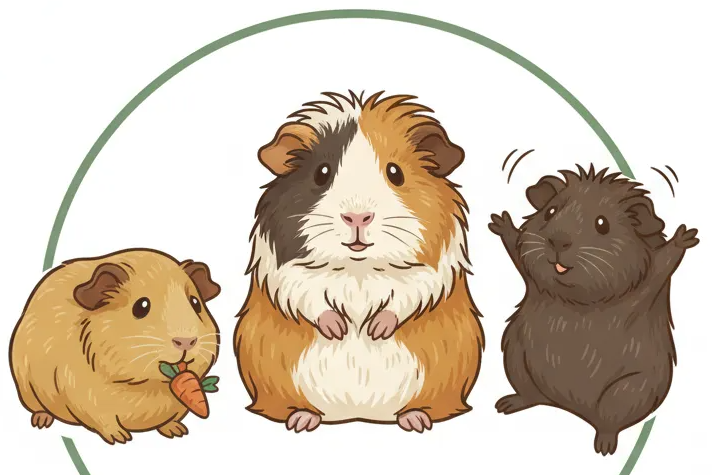
In this guide, I’ll share what I’ve learned from living with my three piggies-Pepper, Clover, and Biscuit. We’ll cover common household dangers, symptoms of respiratory distress, safe cleaning alternatives, and creating a healthy habitat.
My years of experience with these sensitive animals have taught me exactly how to keep their air clean and their wheeks happy.
Understanding Guinea Pig Respiratory Sensitivity
Guinea pigs have tiny lungs that work hard to process air, making them highly sensitive to pollutants. Their respiratory systems are not built to filter out irritants like ours, so even mild scents can cause big problems—for both guinea pigs and humans, especially those with respiratory conditions like asthma. I noticed this firsthand with my guinea pig Clover, who started sneezing more when I used a floral room spray nearby. Her graceful demeanor shifted, and she seemed less active, which really opened my eyes to how fragile they are.
- Sneezing or coughing frequently
- Wheezing or noisy breathing sounds
- Watery eyes or nasal discharge
- Lethargy or reduced appetite
- Labored breathing with visible chest movements
If you see any of these signs, act quickly to improve air quality. Early detection can prevent more serious health issues down the line. With Pepper, I learned that gentle monitoring helps catch changes before they escalate, keeping your pet comfortable and safe.
Identifying Harmful Household Air Pollutants
Common household items release chemicals that can harm your guinea pig’s lungs. Volatile organic compounds (VOCs) from paints or cleaners, ammonia from soiled bedding, and synthetic fragrances in air fresheners are top culprits. These concerns are part of the 11 biggest health hygiene mistakes guinea pig owners make. I once used a scented cleaner near Biscuit’s cage, and his reserved nature turned into obvious discomfort, reminding me to stick to pet-safe options.
| Substance | Safe or Unsafe | Notes from Experience |
|---|---|---|
| White vinegar | Safe | Great for cage cleaning; neutralizes odors without fumes |
| Bleach-based cleaners | Unsafe | Releases harsh VOCs; caused respiratory irritation in Clover |
| Baking soda | Safe | Absorbs smells naturally; I use it to freshen bedding areas |
| Scented candles | Unsafe | Emits soot and chemicals; triggered sneezing in Pepper |
| Plain water mist | Safe | Helps control dust; I mist lightly to settle allergens |
Smoke from cooking or tobacco, along with dust from hay or carpets, adds to the risk. Guinea pigs are particularly sensitive to smoke exposure and can develop respiratory problems from smoke exposure even with brief contact. Keeping them away from cigarette smoke is essential for their health. Regularly ventilating rooms and using air purifiers can cut down on these invisible threats. In my home, I keep cages away from kitchens and vacuum often to protect all my guinea pigs from airborne irritants.
Maintaining Ideal Air Conditions for Health
-
Optimal Temperature and Humidity Levels
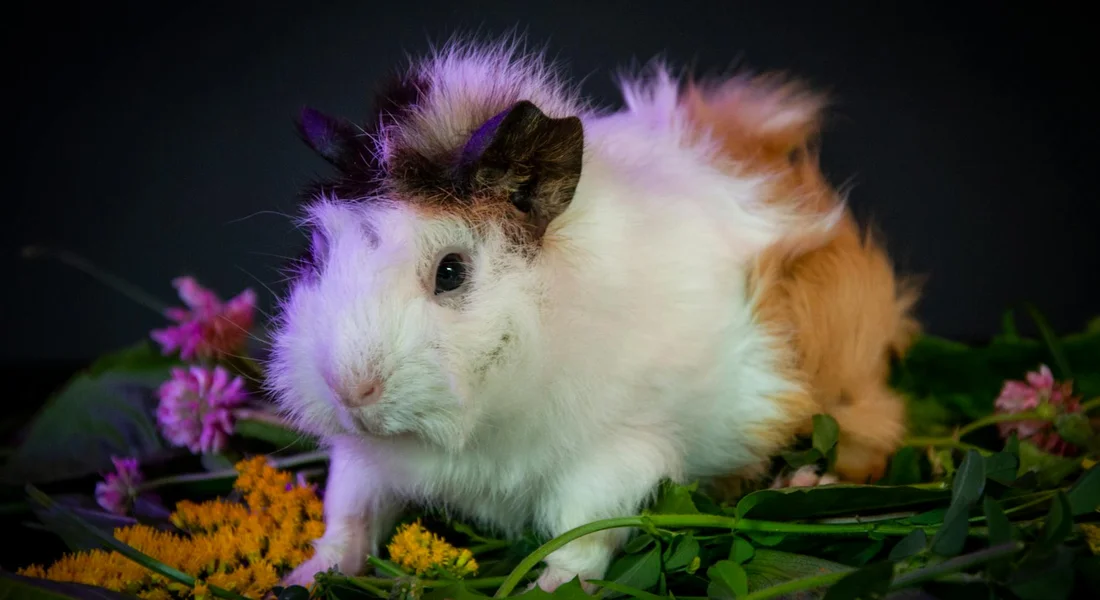
Guinea pigs thrive in a stable, comfortable climate similar to what we enjoy indoors. I keep my home between 65°F and 75°F (18°C-24°C) year-round, which keeps Pepper, Clover, and Biscuit active and content. Guinea pigs have specific temperature and heating needs that must be met, as temperatures above 80°F (27°C) can quickly lead to dangerous heatstroke for these small animals.
Humidity plays a crucial role in their respiratory comfort. Ideal humidity falls between 40% and 60%, a range that prevents dry air from irritating their sensitive lungs while stopping mold growth. My Abyssinian, Clover, once developed a slight wheeze during a dry winter week before I started using a simple room humidifier.
-
Safe Ammonia Levels and Monitoring
Ammonia from urine buildup is a silent threat in guinea pig enclosures. Some guinea pigs may spray urine as a territorial or hormonal display, which is a separate behavior from odor buildup and hygiene. This distinction can help you interpret changes in their behavior and address both marking instincts and enclosure cleanliness. Safe ammonia levels should be undetectable by your nose-meaning you should never smell that sharp, pungent odor near their habitat. Even low concentrations of 10-20 parts per million can cause eye and respiratory irritation over time.
I perform the “sniff test” daily when I check on my trio, getting down to cage level to detect any ammonia scent early. For precise monitoring, inexpensive ammonia badges or digital sensors placed near enclosure level give you objective data beyond what your nose can detect.
-
Proper Ventilation Without Stress
Good air circulation prevents pollutant buildup without creating stressful drafts. I achieve this by cracking a window in an adjacent room, allowing fresh air to circulate indirectly through the house. This gentle air exchange replaces stale air without blowing directly on my pets.
Never place cages in direct line of HVAC vents, open windows, or fans, as sudden temperature changes frighten guinea pigs and compromise their health. This is one of the eight common cage-placement mistakes that can affect health and happiness. I keep my herd’s enclosure several feet from any air currents, watching for signs of discomfort like hiding or nervous chatter when adjusting ventilation.
Practical Steps to Improve Air Quality Safely
-
Unscented Cleaning and Natural Alternatives
I’ve completely switched to fragrance-free cleaners for all cage and room surfaces after noticing Biscuit sneezing whenever I used scented sprays. Commercial cleaners with “natural” scents from essential oils can be equally dangerous, as concentrated plant compounds overwhelm their delicate systems.
For daily cleaning, I use a 50/50 vinegar-water solution that effectively breaks down urine crystals without toxic fumes. Baking soda makes an excellent scrubbing aid for tough stains, and plain hot water works for most spot cleanings between deep cleans.
-
Enhancing Airflow and Using HEPA Purifiers
Strategic airflow management means creating cross-ventilation by opening windows on opposite sides of your home for brief periods daily. I do this during midday when temperatures are most stable, ensuring my guinea pigs remain comfortable in their climate-controlled space.
A HEPA air purifier with a carbon filter positioned across the room from their cage captures airborne particles and odors without creating direct drafts. I run mine continuously on low settings, noticing less dust accumulation around their enclosure and reduced allergy symptoms for myself too.
-
Enclosure Hygiene and Bedding Choices
Spot-cleaning soiled bedding areas twice daily prevents ammonia from developing, a simple habit that makes a dramatic difference in air quality. I check corners where Pepper likes to nap and remove damp patches immediately to maintain fresh conditions.
Paper-based bedding or fleece liners produce less dust and odor than wood shavings, especially avoiding cedar or pine which contain harmful phenols. I use a layered system with absorbent pads beneath fleece, changing it completely every three days to keep the air around my herd clean and healthy.
Recognizing and Responding to Air Quality Issues
-
Watch for subtle changes in your guinea pig’s behavior and health, as they can signal poor air quality. Common signs include wheezing, lethargy, frequent sneezing, watery eyes, or a sudden loss of appetite. I noticed Biscuit, my intelligent Peruvian, becoming unusually quiet and wheezing softly after I lit a scented candle in the room—his dark brown fur seemed to lose its usual luster, and he avoided his favorite hideout. If you suspect your guinea pig is sick, a complete home troubleshooting checklist can help you identify environmental and care-related factors at home. Start by removing scented items, improving ventilation, and double-checking water, diet, and the room temperature.
- Wheezing or labored breathing
- Lethargy or reduced activity
- Sneezing fits or nasal discharge
- Watery or red eyes
- Loss of interest in food or treats
-
If you spot any of these symptoms, act quickly to protect your pet. Move your guinea pig to a well-ventilated area away from the suspected irritant, like an open window or a different room, and offer fresh water to keep them hydrated. Properly caring for guinea pigs means minimizing irritants and maintaining a clean, well-ventilated habitat. Regularly monitor their breathing and behavior to catch issues early. Contact your veterinarian immediately for guidance, especially if breathing difficulties worsen. In my experience, relocating Biscuit to a cleaner space helped ease his wheezing within hours.
- Remove your guinea pig from the area with poor air quality.
- Eliminate the source of the scent or chemical, such as unplugging air fresheners.
- Provide access to fresh air and monitor their breathing closely.
- Call your vet for advice or schedule an emergency visit if symptoms persist.
-
Establish a consistent cleaning routine to minimize harmful substance buildup in your home. Clean your guinea pig’s cage at least once a week with mild, pet-safe cleaners like vinegar and water, and replace bedding frequently to control ammonia odors. I use a simple mix of white vinegar for spot-cleaning Pepper and Clover’s enclosure, which keeps it fresh without harsh fumes. Avoid aerosol sprays or strong disinfectants near their living space. For a comprehensive approach, check out our complete guinea pig hygiene and cleaning routine.
- Spot-clean soiled areas daily to reduce odor and bacteria.
- Do a full cage clean weekly with eco-friendly products.
- Wash food bowls and water bottles with hot, soapy water regularly.
- Ventilate the room during and after cleaning to disperse any residues.
FAQs
How to test air quality for a guinea pig habitat?
Use affordable ammonia badges or digital air quality monitors placed near the enclosure to detect harmful levels. Regularly perform visual checks for dust and odor buildup as quick indicators.
What are safe levels of ammonia for guinea pig cages?
Ammonia concentrations should remain below 10 parts per million to avoid respiratory irritation. Ideally, no ammonia smell should be detectable at cage level to ensure safety.
Are air purifiers safe around guinea pigs?
HEPA air purifiers with carbon filters are safe if positioned across the room to prevent direct drafts. Avoid models that produce ozone or use strong ionizing technologies.
How does humidity affect guinea pigs’ health?
Humidity outside the 40-60% range can cause dry airways or mold growth, worsening breathing issues. Stable humidity helps maintain comfortable respiration and overall well-being.
How often should you clean guinea pig cages to maintain air quality?
Spot-clean soiled bedding areas daily to minimize ammonia release. Conduct a thorough cage cleaning with safe products at least once per week.
Your Guinea Pig’s Fresh Air Future
Choose natural, unscented household products to shield your guinea pigs from harmful fumes and irritants. Regularly air out their space and swap chemical cleaners for simple options like vinegar to drastically improve their respiratory health. This practice also helps create an allergy-friendly space for both humans and guinea pigs, minimizing irritants and strong scents. Clean, fragrance-free air supports easier breathing for people with allergies while protecting sensitive pets.
Based on my time with Pepper, Clover, and Biscuit, I’ve seen how small, eco-friendly adjustments create a safer, happier home. Commit to ongoing learning about sustainable pet care-it protects your furry friends and nurtures our shared environment.
Further Reading & Sources
- Best Air Purifier For Guinea Pigs (Guide & Tips) – Wellness Junction
- r/guineapigs on Reddit: Air purifier worth it?
- Controlling Guinea Pig Cage Odor – Little Cavy Love
- Conditions – Air Quality / Second Hand Smoke – Guinea Pig Cages
Kate is a passionate guinea pig owner and advocate for small pet welfare. With over a decade of experience caring for guinea pigs, she has become a trusted voice in the small pet community.
Uncategorized