Common Guinea Pig Allergy Symptoms in Humans
Published on: March 27, 2026 | Last Updated: March 27, 2026
Written By: Kate M. Callahan
Hello CavyFam! Have you noticed sneezing or itchy skin after cuddling your guinea pig? You might be wondering if your beloved pet is causing an allergic reaction.
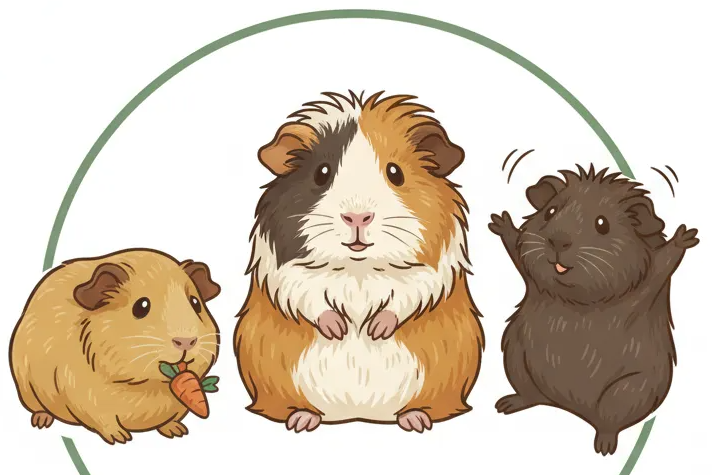
In this guide, we will explore identifying common symptoms, getting a proper diagnosis, managing your allergies, and preventing future flare-ups. I’ve cared for my own guinea pigs-Pepper, Clover, and Biscuit-for years, so I’ve learned a lot about keeping everyone happy and healthy.
Understanding Guinea Pig Allergies
An allergic reaction is simply your immune system overreacting to a normally harmless substance. Your body mistakes proteins in guinea pig dander, saliva, or urine for dangerous invaders, launching a defense that causes your symptoms. This isn’t a sign of a weak immune system, but rather a very active one that’s a little confused. I’ve seen this firsthand with a friend who adored my guinea pigs but would always start sneezing after a cuddle session.
Allergies can develop at any time, even if you’ve had guinea pigs for years without issue. The severity of symptoms can vary dramatically from person to person, ranging from mild sniffles to more significant breathing difficulties. One person might only react when cleaning the cage, while another might feel it the moment they enter the room where the cage is kept. Similarly, guinea pigs can be sensitive to loud noises and may react with startled behavior. Keeping noise levels steady and providing hiding places can help reduce stress.
What Triggers an Allergic Reaction to Guinea Pigs?
Contrary to popular belief, it’s rarely the guinea pig’s hair itself that causes the problem. The true culprits are specific proteins, called allergens, that are found in several places on and around your pet. Understanding guinea pig fur types and their characteristics can help you anticipate where allergens may accumulate. Knowing exactly what you’re reacting to is the first step toward managing your symptoms effectively and still enjoying your furry friends.
Here are the most common triggers for a guinea pig allergy in humans:
- Dander: These are tiny, microscopic flakes of dead skin that all animals, including humans, shed. Guinea pig dander is incredibly light and can stay suspended in the air for a long time, easily making its way into your respiratory system. My guinea pig Biscuit, despite his long hair, seems to produce less noticeable dander than my short-haired Pepper, showing it varies by individual.
- Urine: The proteins that cause allergies are present in guinea pig urine. When urine dries on bedding or cage surfaces, these proteins can become airborne as you clean or even as your pet moves around. This is why cage cleaning day is often when symptoms are at their worst for sensitive individuals.
- Saliva: Guinea pigs groom themselves constantly, spreading their saliva over their fur and skin. When the saliva dries, the allergenic proteins can flake off with the dander and become part of your home’s environment. My gentle guinea pig, Clover, loves to lick fingers, which is a direct way these proteins can be transferred.
- Hay and Bedding Dust: While not an allergy to the guinea pig itself, this is a very common co-trigger. Dust from timothy hay or certain wood shavings can irritate your airways and worsen any existing reaction to the guinea pig’s own allergens. I found that switching to a low-dust hay and paper-based bedding made a world of difference for my own occasional sniffles.
Common Guinea Pig Allergy Symptoms You Might Experience
Respiratory and Nasal Symptoms
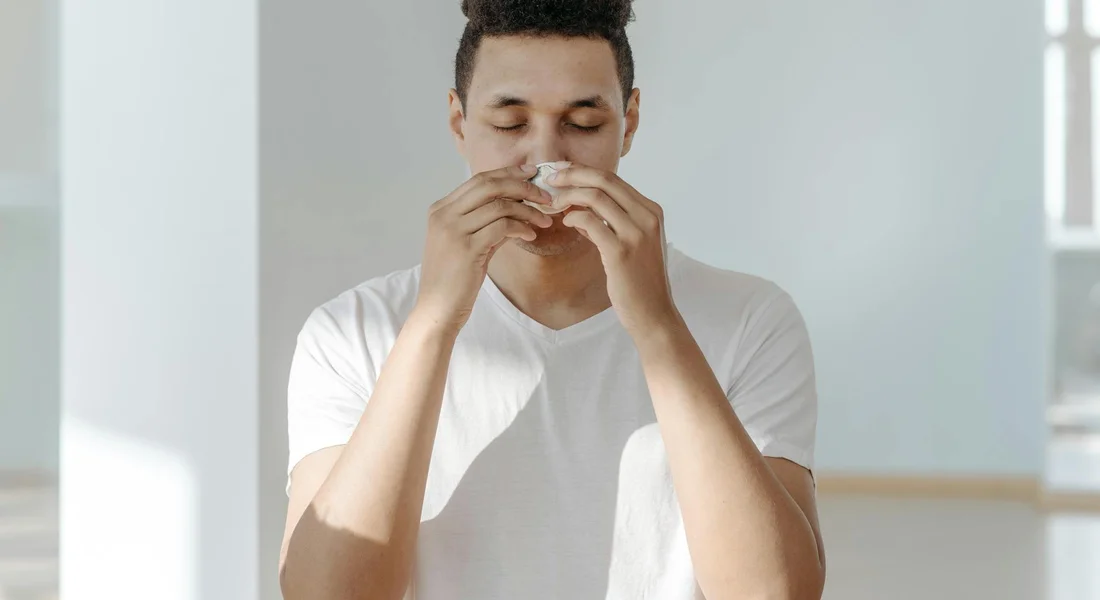
These are often the first signs your body gives you. I remember cleaning my boys’ cage and suddenly having a sneezing fit that just wouldn’t quit.
- Sneezing repeatedly, especially near the cage or after handling.
- A runny or stuffy nose that feels like a mild cold.
- Itchy nose or an uncomfortable tickle inside your nostrils.
- Coughing or a scratchy, sore throat after playtime.
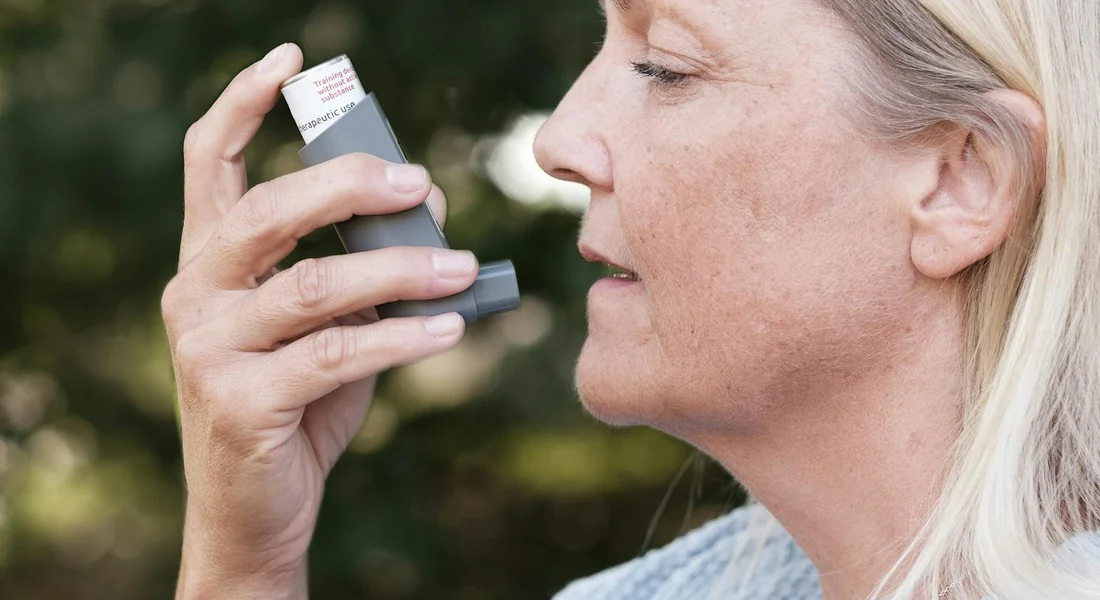
- Wheezing or feeling short of breath in more sensitive individuals.
Washing your hands immediately after handling your pet can significantly reduce these nasal reactions. It’s a simple habit that makes a world of difference for me and my guinea pigs, Pepper and Clover.
Eye and Skin Reactions
Your skin and eyes can react directly to the allergens. My skin sometimes gets a little pink and itchy if I hold Biscuit for a long time without long sleeves.
- Red, watery, or intensely itchy eyes (allergic conjunctivitis).
- A raised, red rash called hives where the fur or saliva touches your skin.
- General skin itchiness or eczema flare-ups on your arms or chest.
Wearing a long-sleeved shirt during lap time creates a simple barrier that protects your skin from direct contact with dander. This small change lets you enjoy cuddles without the later discomfort.
Less Common but Serious Signs
While rare, it’s vital to recognize when a reaction is more severe. I’ve never experienced this myself, but I know it’s possible.
- Tightness in your chest or significant difficulty breathing.
- A full-body rash or swelling, particularly of the face or throat.
- Dizziness or a feeling of impending doom, which can signal anaphylaxis.
If you experience any trouble breathing or significant swelling, this is a medical emergency, and you should seek immediate help. Your safety always comes first, even with your beloved pets.
Is It a Guinea Pig Allergy or a URI?
This was a big question for me when I first got Pepper. The symptoms can feel similar, but the triggers are completely different.
A guinea pig allergy is your immune system reacting to a protein in their urine, saliva, or dander. The symptoms appear when you are near the animal or its habitat. Allergy symptoms typically start or worsen quickly after exposure and improve when you leave the room or wash up.
A Upper Respiratory Infection (URI), which guinea pigs can get, is a sickness in the pet itself. You would notice signs in your guinea pig, not in you. Sometimes these infections can be spread from humans to guinea pigs. To protect your pet, wash your hands and avoid close contact if you’re sick.
- Listen for sneezing, wheezing, or clicking sounds from your pet.
- Look for discharge from their nose or eyes.
- Watch for a loss of appetite or lethargy.
Here is a simple way to tell the difference:
| Symptom | Your Allergy | Guinea Pig’s URI |
|---|---|---|
| Sneezing | You sneeze | Your guinea pig sneezes |
| Watery Eyes | Your eyes are affected | Your guinea pig’s eyes are crusty or wet |
| Timing | Happens when you interact with the pet or cage | Is constant for the pet, regardless of what you are doing |
If your guinea pig shows any signs of illness, a prompt visit to an exotic animal veterinarian is non-negotiable for their welfare. Their health depends on your quick and caring action. To find an exotic veterinarian near you who specializes in guinea pigs, search local small-animal clinics or ask your current vet for a referral. Look for clinics that explicitly list guinea pig care and read owner reviews before booking.
How to Confirm a Guinea Pig Allergy

If you suspect you’re reacting to your guinea pig, the first step is to visit an allergist. An allergist can perform a simple skin prick test or a specific blood test to pinpoint guinea pig allergens as the cause. This is the most reliable way to know for sure, rather than just guessing. If your concern is why your guinea pig is scratching or itching, that may point to a skin issue in the pet itself—parasites, infections, or allergies. A veterinarian can check your guinea pig for mites, fleas, or dermatitis, which may require treatment.
Before your appointment, you can conduct a small experiment at home. I did this when I first brought Biscuit home and started sneezing.
- Spend some time in a different room away from your guinea pigs and their cage for a day or two.
- Notice if your symptoms, like itchy eyes or a runny nose, start to improve.
- Then, go back into the room with the cage and handle one of your pets, like gentle Pepper, for a short period.
- See if your symptoms return or get worse.
This isn’t a formal diagnosis, but it can give you and your doctor valuable clues. Tracking this symptom pattern helps build a clear picture for your healthcare provider.
Living Happily with Guinea Pigs and Allergies
Getting an allergy diagnosis doesn’t mean you have to rehome your beloved pets. I’ve managed my own mild allergies while caring for Pepper, Clover, and Biscuit for years. With a few proactive strategies, you can significantly reduce your exposure to allergens and live together comfortably.
Create an Allergy-Friendly Environment
Your goal is to keep allergens from spreading through the air in your home.
- Designate a “Guinea Pig Zone”: Keep the cage in a well-ventilated room that isn’t your bedroom. A room with a hard floor, like tile or wood, is easier to clean than carpet.
- Invest in an Air Purifier: Place a HEPA air purifier near the cage. It works wonders at capturing dander and other airborne particles.
- Wash Your Hands Thoroughly: Always wash your hands with soap and water immediately after handling your pets or cleaning their habitat.
Master Your Cleaning Routine
Regular cleaning is your most powerful tool. Dander and dried saliva accumulate on everything.
- Spot-Clean Daily: Remove soiled bedding and uneaten veggies every day to keep the cage fresher.
- Do a Full Cage Clean Weekly: Wear a simple dust mask while you do this to avoid inhaling particles. I use a vinegar-and-water solution to wipe down the cage-it’s effective and non-toxic for the pigs.
- Vacuum Frequently: Use a vacuum with a HEPA filter on the floors and any furniture around the cage several times a week.
Smart Handling and Grooming
Interacting with your guinea pigs requires a bit of planning.
- Wear an Old Long-Sleeved Shirt: I keep an old soft shirt specifically for lap time. It keeps dander off my clothes and my skin.
- Brush Your Pigs Regularly: Gently brushing your guinea pigs, especially long-haired ones like Biscuit, outside can help remove loose hair and dander before it ends up in your home.
- Consider Over-the-Counter Relief: A non-drowsy antihistamine taken before you plan to clean the cage or have a long cuddle session can make a world of difference.
Living with allergies and guinea pigs is entirely possible with consistent management and a little extra care. It’s about being mindful of your environment and your interactions, ensuring both you and your furry friends stay happy and healthy together. By creating an allergy-friendly space for humans and guinea pigs, you can minimize triggers with good ventilation and low-dust bedding. Simple routines like regular vacuuming and choosing hypoallergenic toys help keep the environment comfortable for both.
A Compassionate Look at Rehoming

Sometimes, despite your best efforts, guinea pig allergies become overwhelming, and rehoming feels like the only kind choice. Making this decision shows deep love for both your health and your pet’s well-being. I faced a similar situation with a friend whose severe reactions made daily care impossible, and it taught me that rehoming can be a responsible act of compassion, not a failure.
Look for signs that allergies are unmanageable, like persistent asthma attacks or skin rashes that don’t improve with medication. Air quality matters—household scents and cleaning chemicals can irritate guinea pig airways. Keep rooms well-ventilated and choose fragrance-free products to protect both you and your pet. Your safety and comfort matter just as much as your guinea pig’s happiness. When my own guinea pig, Biscuit, triggered mild sniffles in a visitor, I realized how quickly symptoms can escalate, making rehoming a thoughtful solution.
Steps for a Smooth Rehoming Process
Follow these steps to ensure your guinea pig finds a safe, loving home:
- Contact local rescues or guinea pig-specific organizations first-they often have screened adopters.
- Prepare a care package with their favorite hay, toys, and a note about their personality, like how Clover enjoys quiet corners.
- Meet potential adopters in person to assess their experience and home environment.
- Ask for updates or photos to ease your mind during the transition.
Always prioritize shelters that emphasize animal welfare and provide follow-up support. I’ve helped rehome pets through trusted networks, and seeing them thrive in new families brings immense relief.
Alternative Options to Consider
Before rehoming, explore these alternatives if allergies are mild:
- Use air purifiers and wash hands after handling to reduce allergens.
- Designate a guinea pig-free zone in your home, like a bedroom, for symptom relief.
- Consult a vet about hypoallergenic bedding or diet changes that might help.
Even small adjustments can make a big difference in managing reactions. With Pepper, I found that frequent cage cleaning and ventilated spaces kept my allergies in check, allowing us to enjoy our bond longer.
FAQs
What are guinea pig allergies?
Guinea pig allergies occur when the human immune system overreacts to proteins in pet dander, saliva, or urine. These reactions can range from mild symptoms like sneezing to more severe issues such as breathing difficulties. In some people, guinea pig allergies and asthma can trigger asthma symptoms or exacerbate existing asthma. People with asthma or allergies should take precautions when keeping guinea pigs as pets.
How do guinea pig allergies affect humans?
Humans may experience respiratory issues like nasal congestion or skin irritations such as rashes after exposure. In rare cases, severe reactions can involve chest tightness or swelling that requires medical attention.
What are the primary symptoms of guinea pig allergies in humans?
Common symptoms include persistent sneezing, itchy eyes, and a runny nose that resembles a cold. Skin contact might lead to hives or general itchiness on areas like the arms or chest.
Why does sneezing happen with guinea pig allergies?
Sneezing is triggered when airborne allergens like dander irritate the nasal passages, causing the body to expel them. It often occurs shortly after handling the pet or being near their habitat.
Can guinea pigs have allergies themselves?
Guinea pigs do not typically develop allergies like humans; they are more prone to upper respiratory infections (URIs) from bacteria or viruses. Watch for signs in your pet, such as lethargy or discharge, and consult a vet if concerned. If a URI progresses to pneumonia in guinea pigs, you may notice rapid breathing, wheezing, or reduced appetite. Early veterinary treatment improves chances of survival.
Living Happily with Your Guinea Pigs
If you notice allergy signs like sneezing or itchy eyes, promptly see your doctor for a proper diagnosis and treatment plan. Managing your environment with good ventilation and frequent cage cleaning can drastically reduce allergen levels.
Remember that responsible pet ownership means committing to your pets’ health and comfort for their entire lives. Plan ahead to prepare your home for your guinea pigs‘ entire lifespan, including a safe enclosure and space for enrichment. This helps them stay comfortable from kit to senior. Continue learning about eco-friendly care, like choosing sustainable bedding, to create a healthier home for both you and your guinea pigs.
Further Reading & Sources
- Living With Guinea Pig Allergies | Petfinder
- What to Do If You’re Allergic to Your Guinea Pigs | Kavee
- Severe allergic reactions to guinea pig – PMC
- Do guinea pigs have allergies? – GuineaDad
Kate is a passionate guinea pig owner and advocate for small pet welfare. With over a decade of experience caring for guinea pigs, she has become a trusted voice in the small pet community.
Uncategorized