How to Properly Rehome or Foster a Guinea Pig
Published on: March 30, 2026 | Last Updated: March 30, 2026
Written By: Kate M. Callahan
Hello CavyFam, are you feeling unsure or even a bit guilty about rehoming or fostering your guinea pig? You are making a thoughtful choice for your pet’s well-being, and I am here to help you navigate it with care and confidence.
In this article, I will cover assessing if rehoming is needed, finding a safe and loving home, preparing your guinea pig for the move, and ensuring a smooth transition. Having rehomed my own guinea pigs like gentle Pepper and graceful Clover, I share real-life insights to support you every step of the way.
Understanding Rehoming Versus Fostering for Guinea Pigs
Many people use “rehoming” and “fostering” interchangeably, but they represent very different commitments for you and your guinea pig. Rehoming is a permanent transfer of ownership, while fostering is a temporary care situation. I’ve been on both sides of this equation, and understanding the distinction is the first step to making the right choice.
| Criteria | Rehoming | Fostering |
|---|---|---|
| Duration | Permanent | Temporary |
| Responsibility | Transferred to the new owner | You remain the legal owner |
| Financial Cost | New owner covers all expenses | You or a rescue organization may cover costs |
| Best For | Long-term life changes | Short-term emergencies or overflow rescue care |
Pros and Cons of Rehoming
- Pros: Provides a stable, forever home for your pet. Lifts the long-term financial and time commitment from you. A good solution when your life circumstances have permanently changed.
- Cons: The process is emotionally difficult. You lose all contact and control over your pet’s future care. Finding a truly qualified and loving home requires significant effort and vetting.
Pros and Cons of Fostering
- Pros: Keeps your guinea pig safe during a temporary crisis. Allows you to retain ownership. Frees up space in rescue shelters for other animals in need.
- Cons: The situation is inherently uncertain. Your pet may experience stress from moving between homes. You are still ultimately responsible for their wellbeing.
I once fostered a shy Abyssinian for a friend who was moving across the country for a three-month contract. Fostering worked perfectly because it was a defined period with a clear end date, preventing the trauma of a permanent separation for a guinea pig who was already nervous. It gave my friend peace of mind and gave the little one a stable, familiar environment to wait in.
Assessing Your Guinea Pig’s Needs Before Making a Decision
-
Step 1: Evaluate your guinea pig’s health, age, and personality traits.
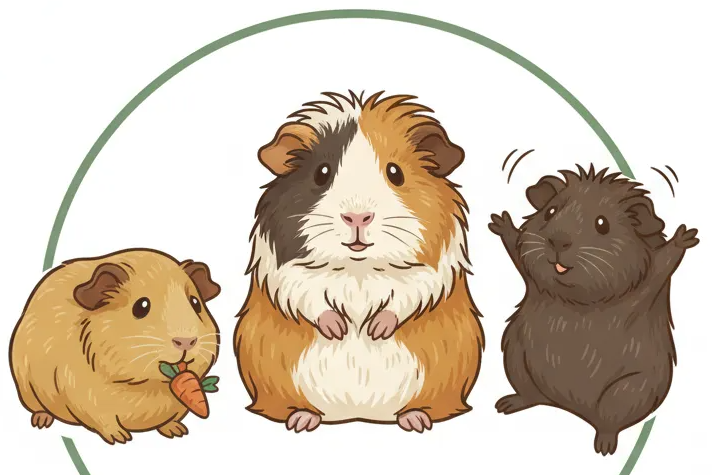
Look at your pet as an individual, not just a generic guinea pig. An older pig or one with chronic health issues will find relocation much more stressful than a young, robust one. Think about my trio: Pepper is steady, but rehoming him would still be a massive shock to his system. Clover is thoughtful and might withdraw, while young Biscuit is reserved but adaptable. Their personalities directly influence how they would cope with a big change.
-
Step 2: Consider if they are part of a bonded pair and how that affects rehoming.
This is a non-negotiable point for animal welfare. Guinea pigs are deeply social, and breaking a bonded pair can cause severe depression and loneliness. If your guinea pigs are a bonded pair, they must be rehomed or fostered together, without exception. Separating them to make the process easier is not an option; it’s detrimental to their mental and physical health. My boys have their little hierarchy, and disrupting that would be cruel.
-
Step 3: Reflect on your own circumstances and ability to provide long-term care.
Be brutally honest with yourself. Is your situation a temporary financial squeeze, a sudden housing issue, or a permanent shift in your availability? A temporary problem often points toward fostering, while a permanent change in your life’s trajectory may necessitate rehoming. I had to do this self-assessment once when my work schedule became overwhelming, and I realized I needed to arrange for help with daily care rather than give up my pets entirely.
Preparing Your Guinea Pig for a Smooth Transition
-
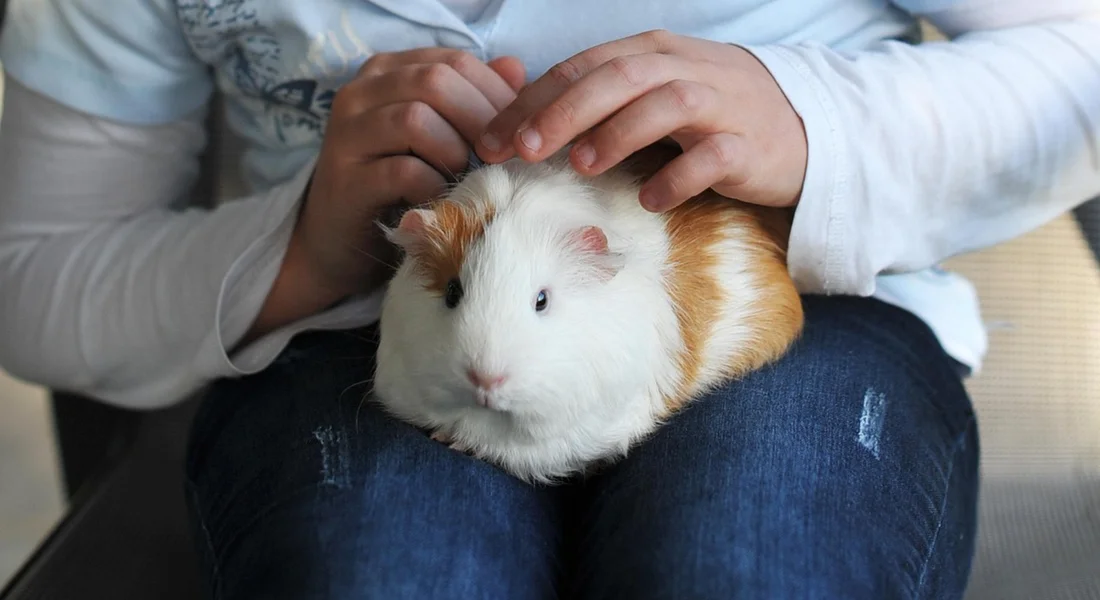
Outline a thorough health screening checklist to ensure your guinea pig is in top shape before the move. I always start with a vet check for my trio—Pepper, Clover, and Biscuit—to rule out issues like respiratory infections or dental problems that can flare up during stress. This also serves as a guide for your new guinea pigs’ first veterinary check-up, ensuring you have a baseline health assessment from day one. Gather all records, including vaccination history and any past treatments, so the vet has a clear picture of their health. From my experience, having these documents ready prevents confusion and helps the vet provide better care down the line.
-
Describe how to set up a cozy, temporary enclosure that keeps your guinea pig safe during transport or in a new space. Use a secure, well-ventilated carrier with soft bedding, like fleece or paper-based liners, and include a small hideout for comfort—Biscuit, my Peruvian, loves having a snug spot to retreat to when things get overwhelming. Add familiar items, such as their favorite chew toy or a piece of your worn clothing, to ease anxiety with familiar scents. This same approach translates to building the perfect guinea pig cage: plan for a spacious, escape-proof design with good ventilation and easy-to-clean surfaces. With a bit of foresight, your temporary setup can evolve into a durable, long-term home that stays cozy and secure.
-
Include practical tips for maintaining consistent nutrition with hay, pellets, and fresh water, even amid changes. Pack a travel kit with unlimited timothy hay, a small portion of their regular pellets, and a spill-proof water bottle to prevent dehydration-Clover, my Abyssinian, stays calm when I stick to her usual diet during transitions. Offer fresh veggies like bell peppers or cilantro in small amounts to encourage eating without upsetting their stomach.
Finding and Screening Potential Adopters or Foster Caregivers
-
Use local resources like animal shelters, guinea pig rescues, or trusted online platforms to connect with interested candidates. I’ve had success posting on community forums and partnering with rescues that specialize in small animals, as they often have vetted networks of caring people. Avoid general classifieds to reduce the risk of irresponsible placements, and always prioritize options that support animal welfare.
-
Develop a screening process with targeted questions about their experience, housing setup, and daily routine. Ask if they have handled guinea pigs before, what kind of enclosure they plan to use, and how they’ll provide social interaction—when screening for Pepper’s home, I learned that asking about cage size and companion needs weeds out unprepared adopters. This approach aligns with the best cage setup for new guinea pig beginners, emphasizing proper enclosure size, ventilation, and enrichment. By focusing on these basics, you help ensure a safe, comfortable home from day one. Request photos or a virtual tour of their space to ensure it’s safe and spacious enough for happy living.
-
Discuss the importance of an emergency plan and ongoing socialization to keep your guinea pig thriving. Make sure they know the nearest exotic vet and have a backup plan for sudden illnesses or evacuations—especially during emergencies. Biscuit’s reserved nature means I always emphasize gradual introductions to new people or pets to build trust. Encourage regular handling and enrichment activities to prevent loneliness, especially if they’ll be the only guinea pig in the home.
Ensuring a Safe Transport and Low-Stress Move-In

A smooth move is vital for your guinea pig’s well-being. I’ve moved with my own herd—Pepper, Clover, and Biscuit—and learned that preparation prevents panic. Your primary goal is to make the entire process as predictable and quiet as possible for them. These same steps come in handy when you travel with your guinea pig. In the ultimate guide to traveling safely with your guinea pig, you’ll find practical tips for choosing a carrier, planning routes, and keeping them calm during the trip.
Essential Items for Guinea Pig Transport
Never transport a guinea pig loosely in your car or arms. You need a proper setup to keep them secure.
- A sturdy, hard-sided pet carrier with ample ventilation.
- Soft, absorbent bedding like fleece or paper-based material to line the carrier floor.
- A small handful of their regular hay to munch on for comfort.
- A slice of cucumber or other high-water-content veggie to prevent dehydration.
- A familiar-smelling item, like a small piece of fleece from their old cage.
I always pack a “piggy travel kit” with these items before any trip, no matter how short. It turns a scary car ride into a manageable, familiar experience for them.
Designing a Calm Arrival Experience
The first hours in a new home set the tone for their adjustment. Here’s how to make it peaceful.
- Set up the entire enclosure before you bring the guinea pig home. Have the hideys, food, and water ready.
- Place the carrier inside the new cage and open the door. Let them decide when to explore.
- Keep the room quiet. Avoid loud noises, other pets, and too much handling for the first 24 hours.
- Speak to them in a soft, reassuring voice so they learn the sound of your presence.
Patience is your greatest tool here; forcing interaction will only build fear. My guinea pig Biscuit took a full day to even peek out of her hidey when she first arrived.
Monitoring Adjustment and Routine Integration
Watch for subtle signs of how they are coping with the change.
- Are they eating, drinking, and producing normal droppings?
- Do they freeze and hide constantly, or are they starting to explore?
- Listen for happy sounds like quiet “wheeking” or content “purring.”
Start integrating a daily routine immediately. Feed them at the same times each day and keep handling sessions brief and positive. This predictability tells their nervous system that this new place is safe.
Resources and Support for Guinea Pig Rehoming and Fostering
You don’t have to navigate rehoming or fostering alone. A strong support system makes all the difference for you and the animal.
Finding Local Adoption and Rescue Groups
Responsible organizations are your best allies.
- Search online for “[Your City] guinea pig rescue” or “small animal shelter.”
- Check Petfinder.com, which aggregates adoptable pets from reputable rescues nationwide.
- Contact local veterinary offices; they often know of reputable breed-specific rescues or fosters in need.
I found my gentle Clover through a dedicated small animal rescue that thoroughly screened me as an adopter. This ensures the pig goes to a prepared, lifelong home.
Building a Support Network
Connecting with other guinea pig owners provides a wealth of shared knowledge and encouragement.
- Join guinea pig-focused forums and Facebook groups to ask questions and share experiences.
- Attend local “pet expos” or meet-ups where you can talk with experienced owners.
- Find a “guinea pig-savvy” veterinarian and build a relationship with them before an emergency happens.
Having people to turn to for advice on everything from strange behaviors to diet tips is invaluable.
Accessing Educational Materials
Continuing to learn is a core part of responsible ownership.
- Websites like the Los Angeles Guinea Pig Rescue offer extensive video libraries on health and care.
- Look for books on small animal care at your local library or bookstore.
- Follow reputable sanctuaries and rescues on social media for daily tips on enrichment and habitat safety.
Proper education is the foundation of providing a life that goes beyond basic survival to genuine thriving. I still regularly watch tutorial videos to find new ways to enrich my pigs’ environment.
FAQs
Is it safe to rehome a guinea pig for free online?
Rehoming for free on general online platforms can attract unprepared or irresponsible owners, so it’s often riskier. Always prioritize rescues or conduct thorough screenings to ensure your guinea pig goes to a safe, loving home.
How can I find guinea pig rehoming options in Essex, UK?
Search for dedicated guinea pig rescues or small animal shelters in Essex through online directories or social media groups. You can also check UK-specific sites like Pets4Homes for local rehoming listings and verified organizations.
What should I look for in a rehoming service near Oceanside, CA?
Choose services that emphasize guinea pig welfare, such as those offering adoption contracts and home checks to screen caregivers. Verify their connections to local vets and resources to support a smooth transition for your pet. If you need local medical guidance, seek recommendations for exotic veterinarians near guinea pigs. A nearby exotic vet can provide tailored care and faster access to emergencies.
Final Thoughts
Finding a new home or providing a temporary safe haven is a profound act of love that requires careful placement and a proper setup. Your patience and diligence in this process directly shape a guinea pig’s quality of life and future happiness. Think ahead to their entire lifespan. Prepare your home to meet their changing needs from day one through old age.
Caring for these wonderful animals is a lifelong journey of learning and compassionate action. I encourage you to keep exploring their unique needs and consider how your daily care routines can be both enriching for them and gentle on our planet.
Further Reading & Sources
- How to Rehome Your Guinea Pig(s) – Guinea Pig Finder
- Rehoming Your Guinea Pig | Southern California Guinea Pig Rescue
- r/guineapigs on Reddit: What’s the best it’s to rehome my Guinea pig?
- Rehome Pet Guinea Pig – AZ Guinea Pigs
Kate is a passionate guinea pig owner and advocate for small pet welfare. With over a decade of experience caring for guinea pigs, she has become a trusted voice in the small pet community.
Uncategorized