
Do Guinea Pigs Need Light at Night? Lighting Requirements Explained
Hello CavyFam! Have you ever wondered if your guinea pigs need a night light to feel secure and rest properly?
Many pet owners stress about keeping their cavies comfortable after dark, fearing disrupted sleep or anxiety.
In this guide, I will explore key aspects of guinea pig lighting needs.
- Natural light cycles and their role in guinea pig health
- Whether artificial light at night is beneficial or harmful
- How light impacts sleep patterns and stress levels
- Easy, practical tips for setting up a safe lighting environment
With years of hands-on experience caring for my guinea pigs Pepper, Clover, and Biscuit, I offer advice rooted in daily life and observation.
Understanding Guinea Pig Vision in the Dark
Guinea pigs don’t see in the dark like cats or owls. Their vision is adapted for twilight hours, not pitch-black conditions. My own guinea pigs, Pepper and Clover, often become most active during those dim morning and evening hours, perfectly matching their natural vision capabilities. Understanding these daily patterns helps you plan playtime and care for when they’re most energetic. Generally, guinea pigs are crepuscular, being most active at dawn and dusk and quieter during the middle of the day. They can navigate a familiar space in low light, but complete darkness can be disorienting and stressful for them.
Think of their eyesight as being similar to ours at dusk. They can detect shapes and movement, but fine details and colors are lost. This is why you’ll often hear them moving around and chewing hay more during these transitional light periods. They feel secure enough to explore but aren’t blinded by bright midday sun.
How Their Eyes Work Differently
- They have more rods than cones in their eyes, which helps with motion detection in low light.
- Their eyes are positioned on the sides of their head, giving them a wide field of view to spot predators.
- They do not possess a tapetum lucidum, the reflective layer that gives cats and dogs their “eye shine” and superior night vision.
The Natural Day-Night Cycle for Guinea Pigs
In the wild, guinea pigs are crepuscular. This means their peak activity occurs at dawn and dusk. Observing my trio, I notice Biscuit starts rustling for breakfast as the first light filters into the room, while Pepper is often last to settle down as evening falls. Normally, guinea pigs graze nibbling on hay most of the day. They typically eat small amounts frequently rather than large meals. This ingrained rhythm is crucial for their overall well-being and dictates their eating, playing, and resting patterns.
Mimicking this natural light cycle in your home is one of the kindest things you can do for your pet. A consistent cycle of light and dark helps regulate their internal body clock, promoting healthy sleep and reducing stress. Sudden or constant light at night can confuse them and lead to health issues over time.
Creating an Ideal Light Schedule
- Allow natural daylight to enter the room during the day.
- As evening approaches, let the room gradually dim with the setting sun.
- Avoid turning on bright overhead lights in the room where they sleep at night.
- If you need to check on them, use a small, dim nightlight placed away from their enclosure or the soft light from a hallway.
From my experience, a completely dark and quiet room at night is best. Guinea pigs feel safest when they can rest undisturbed, and darkness signals that it’s time to sleep and digest their food. Understanding their nesting behavior helps you choose bedding that stays warm, dry, and cozy. This supports deeper rest and more energetic waking hours. A peaceful night leads to a happier, more energetic piggy during the day.
Why Complete Darkness at Night is Beneficial
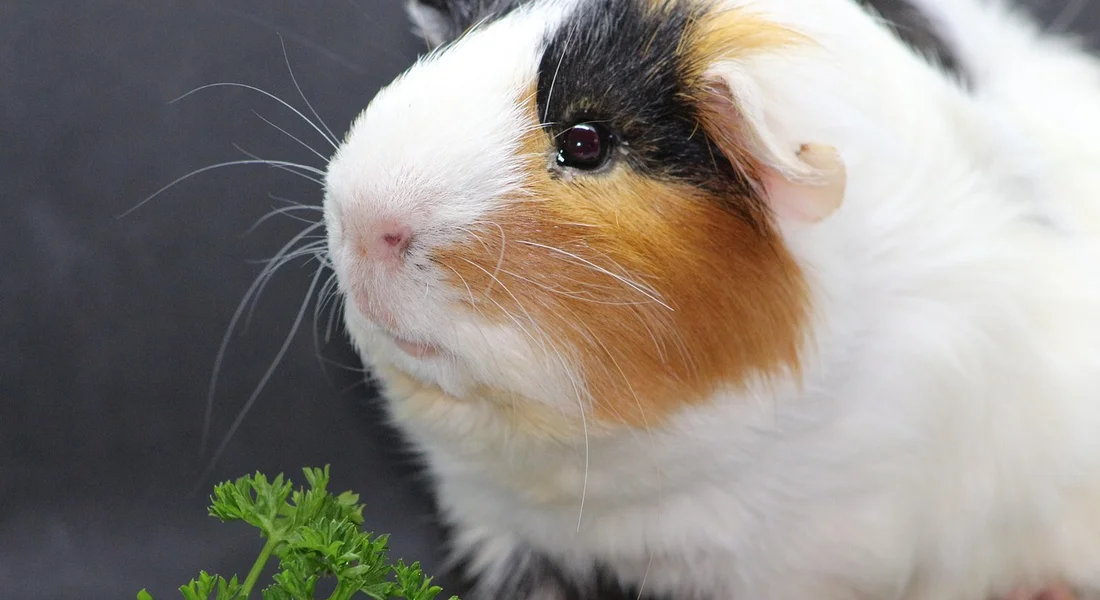
Guinea pigs thrive with a natural day-night cycle, and complete darkness at night supports their health and happiness. In my years of caring for guinea pigs like Pepper and Clover, I’ve noticed they sleep more soundly and show less daytime stress when nights are pitch black. This mimics their wild habitat, where darkness signals safety and rest. It is important to understand their behavior during these nighttime periods to ensure they are comfortable and secure.
Complete darkness helps regulate their internal clocks, reducing anxiety and promoting better immune function. You’ll see your guinea pig more active and alert during the day if they get uninterrupted dark hours at night. This calm, dark environment can help anxious guinea pigs settle down and reduce stress. You’ll often notice they feel safer and more relaxed when surrounding light is minimized. I recall how Biscuit, my Peruvian, became much calmer after I ensured her cage was free from light pollution.
- Encourages natural sleep patterns, preventing restlessness
- Lowers stress hormones, which can improve overall health
- Supports digestive rhythms, aiding in proper eating habits
Use blackout curtains or cover part of the cage with a breathable cloth to block ambient light. Avoid any artificial light sources near their living area to let their bodies fully recharge. This simple step makes a big difference in their well-being.
When You Might Consider a Dim Night Light
While darkness is ideal, there are times a dim night light can be helpful for safety or monitoring. I’ve used a soft, red or blue bulb on occasion when one of my guinea pigs was ill and needed extra checks overnight. It provides just enough visibility without disrupting their sleep cycle.
Consider a dim light if your guinea pig is elderly, has vision issues, or you need to observe them for health reasons. Place the light at a distance and keep it very low-think similar to moonlight-so it doesn’t startle them. From my experience, Clover appreciated this when she had a minor injury, as it let me check on her without turning on bright lights.
- Choose an LED night light with a warm, dim color to minimize disruption
- Position it away from the cage, aiming for indirect lighting
- Use a timer to ensure it only stays on if needed, not all night
Always prioritize your guinea pig’s comfort by testing the light setup during the day first. Are guinea pigs afraid of the dark? They generally do best with a steady day–night cycle and may become uneasy with sudden changes in lighting. If they seem uneasy or change their behavior, switch back to full darkness immediately. This approach keeps them safe while respecting their natural needs.
Setting Up the Ideal Lighting Schedule
I’ve found that guinea pigs, much like us, thrive on a predictable daily rhythm. Mimicking a natural sunrise and sunset is the single most effective way to support their internal clock. My trio-Pepper, Clover, and Biscuit-are always most active during the dawn and dusk hours when the light is softer.
Here is the simple schedule I follow for my own herd:
- Morning Light: Allow natural daylight to fill the room. If the room is naturally dark, a standard room lamp on a timer works perfectly.
- Daytime Brightness: Keep them in a well-lit room during the day, but never in direct, harsh sunlight that can overheat their cage.
- Evening Wind-Down: As dusk approaches, I dim the main lights in the room. This signals to them that it’s time to start settling down.
- Nighttime Darkness: Once it’s fully dark outside, the room lights go off completely. This provides them with a solid 10-12 hours of darkness for proper rest.
A consistent schedule prevents stress and helps them feel secure in their environment. You’ll notice your guinea pigs become more predictable in their eating and sleeping habits when their light cycle is stable. I can almost set my watch by when Clover starts her evening rounds of the cage!
Creating a Safe and Dark Sleep Sanctuary

Guinea pigs have poor depth perception and can be startled by sudden changes. Total darkness is not only acceptable for them at night, it’s genuinely beneficial for their quality of sleep. I learned this early on when a small nightlight seemed to make Biscuit more hesitant to move around for his late-night snacks. It ties back to how well they can see in low-light conditions.
Focus on these elements to build the perfect sleep environment:
- Choose the Right Room: Place the cage in a room that isn’t used late into the night. A quiet bedroom or living room that empties out is ideal.
- Block Artificial Light: Cover any blinking electronics or bright LED indicators with tape. Even these small lights can be disruptive.
- Use a Cage Cover Wisely: A breathable, dark-colored cage cover can block ambient light from streetlamps or other rooms. Ensure any cover you use is well-ventilated and does not trap heat inside the cage. I use a lightweight, dark fleece blanket that allows plenty of air to circulate.
- Provide Plenty of Hideys: Every guinea pig needs a completely enclosed, cozy place to sleep. This is their ultimate safe space. Pepper, my steadier pig, loves his wooden hut, while the more graceful Clover prefers a fleece forest where she can feel hidden but still peek out.
The goal is a quiet, dim, and predictable space. When you get the lighting right, you’ll hear the happy, relaxed sounds of your guinea pigs rummaging and softly wheeking, knowing they feel completely safe. It’s one of the most rewarding parts of caring for them.
Guinea Pig Eye Health and Light Safety

As a guinea pig owner for years, I’ve learned their eyes are incredibly sensitive. Pepper, my American guinea pig, would often squint and avoid brightly lit areas, which first clued me into their need for visual comfort. Their eyes are positioned on the sides of their head, giving them a wide field of vision to spot predators, but this also makes them susceptible to glare and harsh lighting.
How Their Vision Works
Guinea pigs are crepuscular, meaning they are most active during dawn and dusk. Their vision is adapted for these low-light conditions.
- They see motion and shapes better than fine details.
- Bright, direct light can be startling and uncomfortable for them.
- They have a harder time adjusting to sudden light changes than we do.
Imagine stepping from a dark room into bright sunlight; that’s the kind of shock a sudden lamp can cause for your pet. I noticed my Peruvian, Biscuit, would freeze for a moment if I turned on the overhead light too quickly at night. Guinea pigs blink to keep their eyes moist and protected from dust. Their eyelids work automatically, closing and reopening to shield the eye, as explained in this article on how their eyelids work.
Creating a Safe Lighting Environment
Your goal is to mimic the gentle light transitions of their natural habitat. Avoid placing their cage in direct sunlight or under a harsh, uncovered ceiling light.
- Use indirect, ambient room lighting whenever possible.
- If you need a lamp near their cage, choose one with a warm, dimmable bulb.
- Position the cage so it has darker, covered areas where they can retreat.
My Abyssinian, Clover, appreciates having a cozy fleece forest to duck into whenever the room feels too bright for her graceful, thoughtful nature. This simple setup prevents stress and protects their delicate eyes.
Lighting to Avoid for Eye Safety
Not all light sources are created equal. Some can be harmful or overly stimulating.
| Light Type | Potential Issue |
|---|---|
| Flickering Lights | Can cause disorientation and stress. |
| Colored Bulbs (e.g., Blue, Red) | Disrupts their natural day/night cycle. |
| Uncovered Heat Lamps | Risk of corneal damage and overheating. |
Sticking with soft, white, and consistent lighting is the safest bet for their long-term ocular health. I learned this the hard way after using a novelty colored nightlight that seemed to confuse all three of my pigs.
FAQs
How can I tell if my guinea pigs are fighting or just playing?
Playing involves gentle chasing and nudging without signs of distress. Fighting includes loud squeals, biting, and fur pulling that indicate aggression.
What sounds do guinea pigs make when they are fighting?
Fighting noises include loud, high-pitched squeals, teeth chattering, and aggressive rumbling. These sounds signal fear or pain and often precede physical conflict.
What injuries can result from guinea pig fights?
Common injuries are bite wounds, scratches, and abscesses that may require veterinary care. Severe cases can lead to infections or broken teeth if not treated promptly.
Why do guinea pigs fight for dominance?
Dominance fights establish hierarchy in the group, especially when new guinea pigs are introduced. This behavior is natural but should be supervised to prevent harm. Understanding guinea pig dominance behaviors and how the hierarchy forms helps owners interpret these interactions. Recognizing signals and managing introductions can support a stable social order.
Why are my guinea pigs fighting all of a sudden?
Sudden fighting can stem from stress, lack of space, or changes like new cage mates. It might also occur due to illness or competition over food and hiding spots.
Caring for Your Guinea Pig’s Nighttime Needs
Guinea pigs thrive best in a dark, quiet environment at night to support their natural sleep patterns and reduce stress. Guinea pigs typically sleep in short naps scattered across day and night, totaling several hours. Their sleep is polyphasic—intermittent bursts of rest between activity. From my time with Pepper, Clover, and Biscuit, I’ve seen how a simple, dark setup helps them stay calm and healthy.
Always observe your pets’ behaviors to fine-tune their care and explore eco-friendly options like energy-saving routines. Your commitment to learning and adapting makes you a better guardian for these wonderful animals.
Further Reading & Sources
- General – Lighting? – Guinea Pig Cages
- Do Guinea Pigs Need Sunlight? [What Are Their Requirements]
- Night time / lighting? – Guinea Pig Cages
- r/guineapigs on Reddit: Lighting for guinea pigs at night?
Kate is a passionate guinea pig owner and advocate for small pet welfare. With over a decade of experience caring for guinea pigs, she has become a trusted voice in the small pet community.
Uncategorized