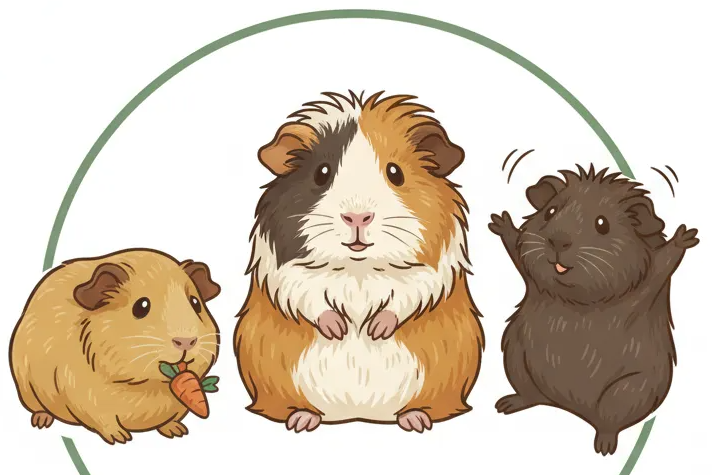
How Often Should You Replace Common Guinea Pig Supplies?
Hello CavyFam! You might be puzzling over the right timing to swap out your guinea pig’s daily essentials for their well-being.
It’s easy to fret about items degrading or hiding germs that could harm your furry friend.
I’ll outline when to refresh bedding, food bowls, water bottles, hideouts, and toys based on my hands-on care for guinea pigs like gentle Pepper and thoughtful Clover over several years.
Why Timely Replacement Matters for Your Guinea Pig’s Health
Delaying supply changes can lead to serious health problems for your guinea pig. Stale bedding traps ammonia from urine, which irritates their delicate respiratory systems and eyes. I once skipped a bedding change for Pepper, and within days, I noticed him sneezing and his eyes looking watery—a clear sign of discomfort. That sharp, pungent odor isn’t just unpleasant; it’s a warning that harmful bacteria are thriving. Be sure to avoid common bedding mistakes to keep your furry friend healthy.
Fresh supplies help control odors and prevent infections. Moldy hay or damp pellets can cause digestive issues and deprive your pet of essential nutrients like vitamin C. To avoid common hay-related health problems like dental overgrowth and upset stomachs, keep hay fresh and dust-free. Regular checks help catch mold or dampness early and prevent respiratory issues. With Clover’s graceful demeanor, she’d avoid eating if her hay felt musty, so I learned to check it daily. Regular replacements keep their environment safe and reduce stress, making your guinea pig feel secure and happy.
Ignoring wear on items like chew toys risks injuries. Broken plastic edges or frayed materials can cause cuts or choking hazards. After Biscuit chewed a toy until it splintered, I now inspect everything weekly to ensure his playtime stays fun and risk-free. Timely swaps aren’t just about cleanliness-they’re a simple way to show you care for their well-being.
Replacement Frequency for Essential Guinea Pig Supplies
Use this table as a quick guide to keep your guinea pig’s supplies fresh and safe. Adjust schedules based on your pet’s habits and cage size for optimal care. This seasonal maintenance guide helps you keep the cage year-round with tips that adapt to changing weather and conditions. Seasonal tweaks may include more frequent bedding changes in damp months or extra ventilation in hot weather.
| Supply | Replacement Frequency | Notes |
|---|---|---|
| Bedding | Every 3-7 days | Change more often for multiple pigs or if damp |
| Hay | Refresh daily, full batch weekly | Discard if moldy or dusty to maintain vitamin C |
| Pellets | Replace every 2-4 weeks | Store in airtight containers to preserve freshness |
| Water Bottles | Clean daily, replace if damaged | Prevents bacterial growth and ensures easy drinking |
| Fleece Liners | Wash weekly, replace yearly or when worn | Check for holes to avoid discomfort |
Bedding and Litter Replacement
Change paper bedding every 3 to 7 days, depending on how many guinea pigs you have. Spot-clean soiled areas daily to extend freshness and reduce waste. For my trio-Pepper, Clover, and Biscuit-I swap bedding every 4 days because their activity quickly soaks it. If you smell a strong ammonia scent or see damp patches, don’t wait-it’s time for a full change to prevent respiratory issues.
- Use unscented, absorbent bedding to avoid skin irritations.
- Layer bedding 1-2 inches deep for comfort and odor control.
- Recycle old bedding in compost if eco-friendly, but avoid using near plants due to urine content.
Hay and Pellet Refreshment
Offer fresh hay daily and replace the entire supply weekly to keep it nutrient-rich. Hay loses vitamin C and texture when stale, which can lead to picky eating or health declines. I noticed Clover turning away from hay that felt brittle, so I now store it in a cool, dry place. Pellets should be replaced every 2-4 weeks; toss them if they look discolored or clump together, as this signals spoilage.
- Check hay for green color and a sweet, grassy smell-discard if brown or musty.
- Serve pellets in small amounts to avoid waste and ensure they’re eaten while fresh.
- Mix new hay with old to encourage consumption and reduce sudden changes.
Water Bottle and Bowl Care
Clean water containers daily with mild soap and rinse thoroughly to stop slime or algae buildup. Replace bottles if you notice cracks or leaks, which can harbor bacteria and cause dehydration. After Biscuit’s bottle developed a slow drip, I make it a habit to inspect the spout each refill. For bowls, wash after each use and consider stainless steel for durability and easier cleaning.
- Use a bottle brush to scrub hard-to-reach spots and prevent mold.
- Refill with fresh, cool water every day to encourage drinking.
- Test flow rate regularly to ensure your guinea pig can access water easily.
Fleece Liners and Cage Accessories
Wash fleece liners weekly in hot water with gentle detergent to remove urine and debris. Replace liners annually or when they show signs of thinning or holes, as worn fabric can cause sore hocks. With Pepper’s steady nature, he’d pace on frayed edges, so I rotate two sets to extend their life. For accessories like hammocks or tunnels, clean them with the liners and inspect for damage during each wash cycle.
- Shake off loose hay and poop before washing to keep your machine clean.
- Air-dry liners completely to prevent mildew and maintain softness.
- Choose absorbent layers underneath for added comfort and odor control.
Chew Toys and Hideouts
Inspect chew toys weekly for sharp edges or excessive wear, and replace them if they break apart. Worn-out hideouts can stress your guinea pig by failing to provide a secure retreat. I had to toss a cracked wooden house after Clover hesitated to enter it—now, I opt for durable, untreated wood or cardboard. Rotate toys every few weeks to keep enrichment exciting and prevent boredom. A practical baseline is to rotate them every 1–2 weeks, or sooner if your guinea pig shows less interest.
- Select toys made from safe, natural materials to avoid toxic chemicals.
- Monitor chewing habits; aggressive chewers may need replacements more often.
- DIY options like toilet paper rolls can be cheap, fun alternatives, but discard when soggy or torn.
Signs It’s Time to Replace Your Guinea Pig Supplies
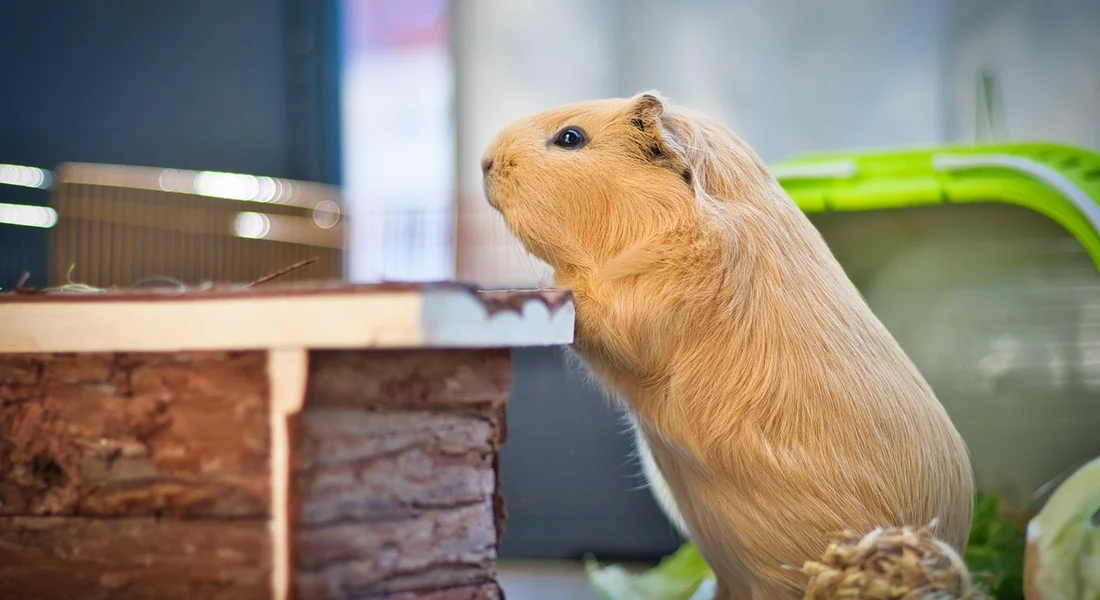
Your guinea pigs will often tell you when something needs changing long before you notice it yourself. I’ve learned to pay close attention to their subtle communications, especially with my trio of cavies showing different preferences. By tuning in, you’ll know if your guinea pigs are happy and thriving.
Visual Indicators
- Discoloration or staining that doesn’t wash out
- Cracks in plastic food bowls or water bottles
- Frayed edges on fleece bedding or worn spots in fabric
- Visible mold or mildew in damp areas
- Chew marks that compromise structure
My guinea pig Biscuit’s water bottle developed a hairline crack last month that I almost missed. Regular visual inspections prevent these small issues from becoming big problems.
Olfactory Clues
- Persistent ammonia smell despite cleaning
- Musty odor from bedding or hideouts
- Sour smell from food containers
- Unusual odors coming from plastic items
Clover absolutely refused to use her favorite hidey hut when it developed that distinct musty smell. When your guinea pig avoids something they normally love, trust their sensitive nose.
Behavioral Red Flags
- Your guinea pig consistently avoids certain items
- Increased chewing on specific supplies
- Changes in eating or drinking habits
- Restlessness or discomfort in their habitat
- Excessive scratching after contact with certain materials
Pepper stopped drinking from his bottle for two days before I realized the valve was sticking. Behavioral changes often signal supply issues before anything becomes visually apparent.
Cost-Saving Tips for Guinea Pig Supply Replacement
Maintaining guinea pigs doesn’t have to break your budget. Over years of caring for my three cavies, I’ve developed strategies that keep costs manageable without compromising their welfare. Here’s a realistic monthly and annual breakdown of guinea pig care costs to help you budget effectively. It covers essentials like food, housing, bedding, vet visits, and toys.
Smart Shopping Strategies
- Buy bedding and hay in bulk from farm supply stores
- Purchase multiple identical items when they’re on sale
- Join loyalty programs at pet supply stores
- Compare prices online before making in-store purchases
- Time major purchases around seasonal sales
I save nearly 40% on Timothy hay by buying bales from a local farmer. Building relationships with local suppliers often yields the best deals on quality products.
DIY Alternatives That Work
- Make hideouts from cardboard boxes and untreated wood
- Create fleece bedding from old blankets or clothing
- Use ceramic dishes from thrift stores as food bowls
- Build simple ramps and platforms from safe wood scraps
- Repurpose storage containers as habitat additions
My guinea pigs actually prefer the cardboard castles I make over expensive plastic hideouts. Simple, safe DIY projects can provide enrichment while saving money.
Budget Planning Steps
- Track current supply expenses for one month
- Identify which items need replacement most frequently
- Research durable alternatives for high-turnover items
- Set aside a small amount weekly for replacement fund
- Plan major purchases during off-season months
Keeping a simple spreadsheet helped me realize I was replacing food bowls too often. Switching to heavier ceramic bowls actually saved money within six months.
Prioritizing Durability
- Choose ceramic over plastic for food and water containers
- Select metal over plastic for habitat accessories
- Invest in quality fleece that withstands multiple washes
- Opt for solid wood items over particle board
- Purchase from reputable brands known for longevity
The initial cost of quality items often pays off through extended use. Durable supplies not only save money but provide consistent comfort for your guinea pigs. Choosing durable, versatile items helps you save on guinea pig supplies without compromising quality. A little upfront investment often yields long-term savings and fewer replacements.
Eco-Friendly Disposal of Used Guinea Pig Items
Replacing supplies doesn’t have to mean sending everything to the landfill. With a little creativity, you can give many items a second life and significantly reduce your pet-related waste. I’ve found this approach not only helps the planet but also saves money, which is always a welcome bonus in pet care.
Bedding and Hay
Used paper-based bedding and soiled hay are perfect for composting. I always add my guinea pigs’ used bedding to my compost bin; it creates fantastic, nutrient-rich soil for my non-edible garden plants. Just avoid composting bedding from a sick piggy, and never use this compost for vegetable gardens due to potential bacteria.
- Compost paper or aspen bedding in a backyard bin.
- Mix soiled hay with yard waste for natural decomposition.
- Use small amounts of clean, leftover hay as mulch around flower beds.
Plastic Food Containers and Water Bottles
Before you toss that old food bowl or cracked bottle, consider its potential. Thoroughly cleaning and repurposing plastic items is my go-to method for minimizing plastic waste from my herd. A quick run through the dishwasher can make an old container perfectly usable for other tasks.
- Use old food bowls for storing small craft supplies or hardware.
- Turn a leaky water bottle into a DIY bird feeder for the yard.
- Check your local recycling guidelines to see if the plastic type is accepted.
Wooden Hideys and Chew Toys
Natural wood items can often be repurposed longer than you might think. Even a well-chewed wooden hut can find a new home in a garden as a decorative element or a mini-shelter for beneficial insects. My piggies, Pepper and Biscuit, are prolific chewers, so I’m constantly finding new uses for their well-loved wood.
- Place old wooden hideys in flower beds as rustic garden decor.
- Break down untreated wood chews and add them to your compost pile.
- Sand down slightly chewed items for a smoother, safer reuse.
Fabric Items like Fleece Liners and Tunnels
Worn-out fleece liners and fabric tunnels still have plenty of life left in them. I cut up old fleece liners to make smaller, absorbent pads for my carrier or to use as cleaning rags around the cage. This is a great way to extend the usefulness of the fabric and keep it out of the trash.
- Cut old liners into smaller pads for spot-cleaning cages.
- Repurpose thin, worn fabric as stuffing for homemade pet toys.
- Donate clean, gently used fabric items to small animal rescues.
FAQs
Are rabbits better pets than guinea pigs for beginners?
Rabbits often require more space and can be more independent and skittish than the typically sociable guinea pig. Guinea pigs are generally more vocal about their needs, which can make them slightly easier for a first-time owner to understand.
Can hamsters be a suitable replacement for guinea pigs?
Hamsters are solitary, nocturnal animals with different social and care needs compared to the highly social, diurnal guinea pig. They require much less space but do not offer the same interactive, daytime companionship that a herd animal like a guinea pig does.
How much space do guinea pig replacements typically require?
Space requirements vary significantly; rabbits, for instance, need even larger enclosures and exercise areas than guinea pigs. In contrast, smaller rodents like mice, rats, or hamsters can thrive in appropriately sized habitats that take up less room. For guinea pigs, size and cage design are crucial parts of a complete space requirements guide. This guide explains the recommended cage dimensions, layout, and daily space needs to keep them healthy and active.
Keeping Your Guinea Pig’s World Fresh and Safe
Regularly check your guinea pig’s supplies for signs of wear and tear, and always follow the replacement schedules for their food, bedding, and hygiene items. Sticking to a consistent routine ensures your pets stay healthy and comfortable in their habitat. Add this to your weekly guinea pig care routine—the ultimate checklist for owners. Following it helps you stay on top of health, comfort, and habitat upkeep.
Remember that being a great pet owner means always learning and looking for ways to improve your care, including choosing eco-friendly options when possible. Your thoughtful attention makes all the difference in creating a happy, thriving life for your small companions.
Further Reading & Sources
- Guinea Pig Market: Fleece Bedding, Liners, Cage Accessories, Cozies, Toys, Supplies
- Supplies List | Southern California Guinea Pig Rescue
- r/guineapigs on Reddit: Advice on where to buy cheaper guinea pig supplies? (And other questions)
- r/guineapigs on Reddit: checklist of everything I need before getting guinea pigs?
Kate is a passionate guinea pig owner and advocate for small pet welfare. With over a decade of experience caring for guinea pigs, she has become a trusted voice in the small pet community.
Uncategorized