Uncommon Vegetable and Herb Leaves You Can Safely Feed Your Guinea Pig
Hello, CavyFam! Ever stare at your vegetable scraps and wonder if they’re secretly a gourmet treat for your guinea pig? You worry about giving them something that might be unsafe or lacking in nutrition.
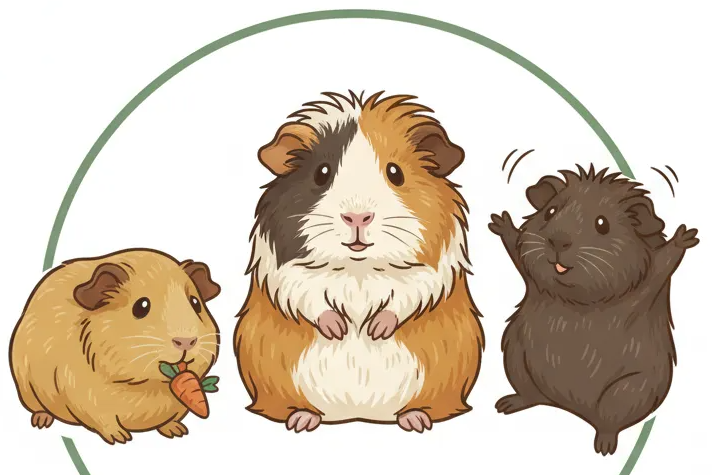
Today, we’re exploring the wonderful world of often-discarded leaves from common vegetables and herbs. You will learn how to identify safe leaves, understand their nutritional benefits, discover preparation tips, and get creative recipe ideas. I’ve fed these to my own herd for years, keeping Pepper, Clover, and Biscuit thriving with variety.
What Are Uncommon Vegetable and Herb Leaves?
Definition and Examples
Uncommon leaves are those rarely mentioned in standard guinea pig feeding charts but offer unique nutritional benefits when introduced properly.
I’ve found that rotating uncommon greens keeps my guinea pigs engaged and provides a wider spectrum of vitamins and minerals.
- Kohlrabi leaves: The leafy tops from this bulb vegetable; uncommon because most people discard them.
- Moringa leaves: Nutrient-dense leaves from the “miracle tree”; rare in pet stores.
- Mustard leaves: Peppery greens; uncommon due to their strong flavor that some pets avoid.
- Perilla leaves: Aromatic herb leaves; seldom recommended despite being safe.
- Mizuna & Tatsoi: Asian greens with mild flavors; overlooked in Western pet diets.
- Komatsuna & Orach: Spinach alternatives; rarely stocked in regular supermarkets.
- Amaranth greens & Purslane: Wild edible greens; uncommon because they’re often foraged.
- Lamb’s quarters & Miner’s lettuce: Seasonal foraged greens; not commercially widespread.
- Sea beet & Sorrel: Coastal and tangy leaves; limited availability outside specialty markets.
- Epazote & Culantro: Strong-scented herbs; uncommon due to potent aromas.
- Shiso & Shungiku: Japanese herbs; typically used in human cuisine only.
- Nasturtium leaves: Edible flowers’ foliage; uncommon because people focus on the blooms.
- Dill & Tarragon leaves: Common herbs but their leaves are underutilized for guinea pigs.
- Lovage & Chervil leaves: Less common culinary herbs; hard to find fresh.
- Lemon balm & Hyssop leaves: Medicinal herbs; rarely suggested for daily feeding.
- Ramp & Curry leaves: Strong-flavored alliums and aromatics; used sparingly due to potency.
- Watercress & Angelica leaves: Aquatic and medicinal plants; require careful sourcing.
Safety Guide for Uncommon Leaves
Safe Leaves for Guinea Pigs
These leaves can be nutritious additions when fed in moderation and properly washed.
My trio-Pepper, Clover, and Biscuit-have thrived on these rotated greens, but I always introduce one new leaf at a time.
- Kohlrabi leaves: Rich in vitamin C; feed 1-2 times weekly.
- Mustard leaves: High in antioxidants; offer small amounts to prevent digestive upset.
- Perilla leaves: Anti-inflammatory properties; limit to occasional treats.
- Mizuna & Tatsoi: Low in oxalates; safe for regular rotation.
- Komatsuna & Orach: Excellent calcium-to-phosphorus ratio; feed 2-3 times weekly.
- Amaranth greens & Purslane: Omega-3 sources; ensure they’re pesticide-free.
- Lamb’s quarters & Miner’s lettuce: Wild greens; only harvest from uncontaminated areas.
- Nasturtium leaves: Natural antibiotic properties; great as weekly supplements.
- Dill & Tarragon leaves: Digestive aids; use sparingly due to strong flavors.
- Chervil & Lemon balm leaves: Mild sedative effects; perfect for anxious pigs.
- Watercress leaves: Vitamin-packed; always serve fresh from clean water sources.
Leaves to Avoid or Use with Caution
Some leaves pose health risks due to toxins, high oxalates, or digestive complications.
After Biscuit showed mild discomfort from sorrel, I became meticulous about researching every new green.
- Sorrel: Contains oxalic acid that can cause bladder stones.
- Epazote: Potent essential oils may irritate sensitive digestive systems.
- Hyssop leaves: Can cause seizures in large quantities; best avoided entirely.
- Ramp leaves: Part of the allium family; toxic to guinea pigs like onions and garlic.
- Curry leaves: Too aromatic and may cause liver issues with regular consumption.
- Angelica leaves: Contains phototoxic compounds; not worth the risk.
- Lovage leaves: Diuretic properties can lead to dehydration.
- Sea beet: Often grows in salty areas; may contain unsafe mineral levels.
I always test new leaves by offering a thumbnail-sized piece and monitoring for 24 hours before increasing portions.
Nutritional Benefits of Uncommon Leaves
Vitamins and Minerals
Detail key nutrients found in these leaves, such as vitamin C, calcium, and antioxidants, and how they support guinea pig health, using comparisons to common greens.
Uncommon leaves often pack a more concentrated nutrient punch than everyday staples like romaine lettuce. I’ve found that swapping just a few leaves of kale for carrot tops or radish greens can significantly boost their daily vitamin C intake, which is vital since guinea pigs cannot produce it themselves. Fresh water should be available daily to help meet their vitamin C needs. Vitamin C in water can degrade quickly, so follow veterinary guidance on any water-based supplementation.
These special leaves are treasure troves of minerals. For strong bones and teeth, the calcium in leaves like turnip greens is fantastic, but you must balance it carefully to prevent bladder stones, a lesson I learned the hard way with my first guinea pig.
- Vitamin C: Crucial for preventing scurvy and supporting overall immunity. Dandelion leaves, for instance, can offer more per gram than a standard green leaf lettuce.
- Calcium: Essential for skeletal health but requires moderation. Compare the lower calcium in beet greens to the higher levels in spinach to make smarter feeding choices.
- Antioxidants: These compounds fight cellular damage. Leaves like those from raspberry plants contain antioxidants that support long-term health far better than iceberg lettuce, which is mostly water.
Health Perks and Considerations
Discuss benefits like digestive aid or immune support, and highlight any unique properties, e.g., from Moringa leaves, with emphasis on balanced feeding.
Beyond basic nutrition, many of these leaves offer targeted health advantages. Introducing small amounts of mint or basil can act as a gentle digestive aid, which I’ve used to help settle Biscuit’s sensitive stomach after a diet change.
Some leaves, like Moringa, are considered superfoods due to their dense nutrient profiles. Moringa leaves are loaded with vitamins and can provide an immune boost, but their potency means they should be a rare treat, not a daily food.
- Digestive Aid: The fibers and oils in herbs like parsley and cilantro can promote healthy gut motility.
- Immune Support: Leaves high in vitamins A and E, such as carrot tops, help fortify your pet’s natural defenses against illness.
- Unique Properties: Moringa leaves contain all essential amino acids, making them a unique, protein-rich supplement when used sparingly.
Always remember that variety and moderation are the cornerstones of a healthy diet. Rotating different leaves ensures your guinea pig gets a spectrum of nutrients without overloading on any single one, a practice that keeps my trio, Pepper, Clover, and Biscuit, thriving. It’s essential to understand what constitutes an ideal overall diet for a healthy guinea pig to complement the variety of leaves.
How to Introduce Uncommon Leaves to Your Guinea Pig
Step-by-Step Introduction Process
Provide numbered steps: 1. Start with a small piece, 2. Observe for 24 hours, 3. Gradually increase if no adverse effects, 4. Rotate with other greens to avoid overfeeding.
Introducing a new food to your guinea pig should be a slow and careful process. Their digestive systems are delicate, and a sudden change can cause upset, something I’m always mindful of with my cautious eater, Biscuit. For more about safe chewing and dental care, check out the guinea pigs chew safely complete guide. It covers safe chew options, hay routines, and warning signs that your pig may need attention.
- Start with a small piece, no larger than a thumbnail, to test their initial reaction.
- Observe for 24 hours, watching their eating habits, energy levels, and droppings.
- Gradually increase the portion over a week if they show no signs of discomfort or disinterest.
- Rotate with other trusted greens in their diet to provide nutritional variety and prevent them from eating too much of any one leaf.
Monitoring for Reactions
Include tips on watching for signs of discomfort or allergies, and when to consult a vet, based on lived experiences with guinea pigs like Pepper and Clover.
Close observation is your best tool when offering a new food. Watch for subtle changes in behavior, as a guinea pig like Clover might show discomfort by being less active or hiding more than usual.
Be vigilant for clear signs of a negative reaction. If you notice soft stools, a lack of appetite, or excessive scratching, remove the new leaf immediately and revert to their proven safe foods.
- Signs of Discomfort: Lethargy, hunched posture, or refusing their favorite treats.
- Allergic Reactions: Skin irritation, puffiness around the face, or persistent scratching.
- When to Consult a Vet: If symptoms last more than a few hours, if they stop drinking water, or if they appear to be in pain. I never hesitate to call my vet if Pepper, who is usually so steady, acts out of character.
Sourcing and Storing Uncommon Leaves

Where to Find Them
Suggest sources like farmers’ markets, specialty stores, or growing your own, with advice on ensuring organic and pesticide-free options for animal welfare.
Finding unusual leaves for your guinea pigs feels like a treasure hunt, and I’ve explored many avenues with my own trio. In this complete guide to foraging your guinea pig, I’ll share safe, tasty options and simple steps to introduce new greens. We’ll cover how to identify edible plants, when to forage, and how to avoid hazards.
Farmers’ markets are my top choice because you can talk directly to the grower about their farming practices.
I always ask specific questions like, “What do you use for pest control on these herbs?” to ensure they’re safe for my pets.
- Farmers’ Markets: Connect with local growers and verify their use of organic methods.
- Specialty Grocers or Asian Markets: Often carry a wider, more exotic selection of fresh herbs and greens.
- Growing Your Own: This is the safest, most rewarding option. A small patio planter yields a constant, chemical-free supply.
My guinea pig Biscuit, who is usually quite reserved, becomes incredibly animated when I bring in fresh basil from my kitchen garden.
Storage Tips for Freshness
Outline methods to store leaves, e.g., in airtight containers or damp cloths, and mention shelf life to maintain nutrient quality.
Proper storage is everything; wilted leaves lose both texture and nutritional value, which my pigs immediately turn their noses up at.
I store most delicate herbs like cilantro and parsley with their stems in a jar of water, loosely covered with a plastic bag, right in the fridge.
This simple trick keeps them perky and vibrant for nearly a week.
- For sturdier greens like kale or collards, wrap them in a slightly damp paper towel and place them in an airtight container.
- Always avoid storing leaves while they are wet, as this accelerates spoilage and can promote mold growth.
- Most fresh leaves are at their nutrient-dense best for 3 to 5 days, so only buy or harvest what you can use within that window.
Handling and Safety Precautions
Washing and Preparation
Describe steps to clean leaves thoroughly to remove pesticides or dirt, and any preparation needed, like chopping, to prevent choking hazards.
No matter the source, I treat every leaf as if it needs a spa day before it reaches my pets’ mouths.
A thorough wash in a bowl of cool water with a splash of white vinegar helps lift off any unseen residues or tiny bugs.
I then give them a vigorous rinse under running water and pat them completely dry with a clean kitchen towel.
- Submerge leaves in a vinegar-water solution (1 part vinegar to 3 parts water) for 5-10 minutes.
- Swirl them gently to dislodge any grit or dirt trapped in the folds.
- Rinse thoroughly under cold, running water.
- Pat dry with a towel or use a salad spinner.
- For larger, tougher leaves like chard, I chop them into bite-sized strips to prevent any choking risk.
Common Mistakes to Avoid
List pitfalls such as feeding too much too fast or mixing with unsafe foods, and share personal anecdotes to reinforce safe practices.
We all want to spoil our pets, but their digestive systems are surprisingly sensitive.
Introducing any new food, no matter how healthy, must be done in tiny, thumbnail-sized portions to start.
I learned this the hard way with my gentle giant Pepper, who experienced a minor upset stomach after I got overzealous with dill.
- Overloading: Giving too much of a new leaf too quickly is a fast track to digestive issues like bloat or diarrhea.
- Dangerous Mix-ins: Never assume all greens are safe. Always double-check a list from a reputable source before feeding.
- Skipping the Wash: Even organic produce can harbor dirt or environmental contaminants that are harmful to small animals.
- Ignoring Individuality: Just like my three have different personalities, they sometimes have different food tolerances. Watch each one closely.
FAQs
How are uncommon leafy greens grown?
Many uncommon leafy greens like mizuna and komatsuna thrive in well-drained soil with partial sunlight and regular watering. You can easily grow them from seeds in home gardens or containers, making them a sustainable option for your guinea pigs. Guinea pigs can safely eat collard greens as part of a varied diet, in moderation. Be sure to wash them thoroughly and introduce any new greens gradually to avoid digestive upset.
Are uncommon leafy greens expensive?
Uncommon leafy greens may cost more than standard options when bought from specialty stores, but growing your own can make them affordable. Sourcing from local farmers’ markets or planting seeds yourself helps keep expenses low while ensuring quality.
What flavors do uncommon leafy greens have?
Uncommon leafy greens offer diverse flavors, such as the peppery kick of mustard leaves or the mild, earthy taste of lamb’s quarters. Introducing these varieties can add excitement to your guinea pig’s diet and help you discover their favorites. These greens are part of the foods guinea pigs have in a balanced, varied menu.
What dishes pair well with uncommon leafy greens?
For guinea pigs, uncommon leafy greens mix well with staples like bell peppers and carrots to create nutritious, varied meals. Combining them with safe herbs like cilantro or dill can enhance flavor and provide additional health benefits. Sticking to safe vegetables and greens is essential for a balanced guinea pig diet. Introduce new greens slowly and feed in moderation to prevent digestive upset.
How do you cook with uncommon leafy greens?
Guinea pigs should always eat raw greens, so there is no need to cook them; simply wash and chop the leaves into bite-sized pieces. This preparation preserves their nutrients and ensures they are safe and easy for your pets to digest. When preparing vegetables for guinea pigs, trim off any tough stems and mix a variety of greens to keep meals interesting. Always serve fresh portions and store the greens in the fridge to maintain freshness.
A Final Word on Your Guinea Pig’s Green Diet
Always introduce new leafy greens gradually and in small amounts to prevent digestive upset. Focus on providing a variety of safe, nutrient-rich leaves to keep your pet’s diet interesting and healthy. In addition, many guinea pigs can safely enjoy certain flowers and edible plants, such as calendula petals or nasturtium, in moderation. Always ensure any flowers or plants are pesticide-free and appropriate for guinea pigs.
Your commitment to learning about proper nutrition is a huge part of being a wonderful guinea pig owner. Consider growing your own pesticide-free herbs for a sustainable, eco-friendly treat that your pets will adore. It’s helpful to know which herbs are safe and which are unsafe for guinea pigs so you can feed with confidence. Safe options include parsley, cilantro, dill, and mint, while onions, chives, and garlic should be avoided.
Further Reading & Sources
- What are the Best Leafy Greens and Vegetables for Guinea Pigs?
- What Leafy Greens & Veggies Can Your Guinea Pig Have? – GuineaDad
- Veggie Guide | Southern California Guinea Pig Rescue
- Your guinea pig’s diet – PDSA
Kate is a passionate guinea pig owner and advocate for small pet welfare. With over a decade of experience caring for guinea pigs, she has become a trusted voice in the small pet community.
Uncategorized