What to Look for in High-Quality Guinea Pig Pellets: An Ingredient Guide
Hello CavyFam! Are you concerned that your guinea pig’s pellet food might lack the right nutrients or contain harmful fillers? Picking the best option is key to keeping your cavy vibrant and healthy.
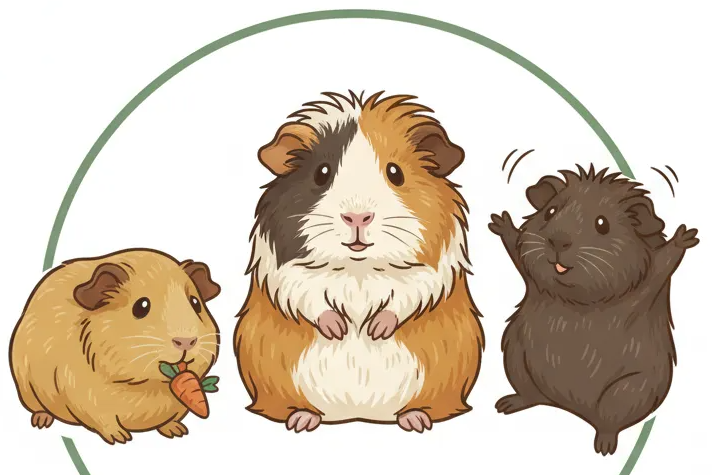
I will break down essential ingredients to seek out, common additives to avoid, and simple steps for evaluating pellet quality. Having cared for my own guinea pigs-Pepper, Clover, and Biscuit-for years, I share insights from hands-on feeding trials and a deep commitment to animal well-being.
The Role of Pellets in Your Guinea Pig’s Diet
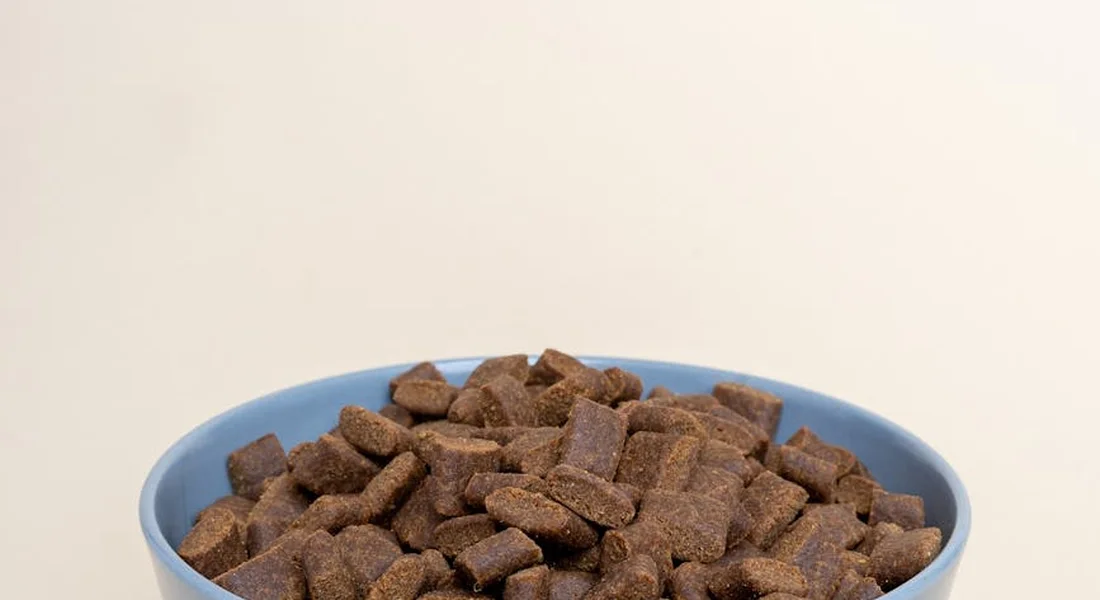
Guinea pig pellets are compressed, nutritionally balanced feeds made from ingredients like hay, grains, and added vitamins. They serve as a vital supplement to ensure your pet gets all necessary nutrients in one convenient form.
- Pellets provide fortified vitamins and minerals that might be missing from hay and fresh veggies alone, helping prevent deficiencies.
- Unlike seed mixes, which can encourage picky eating and lead to obesity, pellets offer consistent nutrition without excess fats or sugars.
- From my experience with Pepper, Clover, and Biscuit, I’ve found that a small daily portion of pellets keeps their energy levels steady and supports their overall well-being.
Core Ingredients for Optimal Guinea Pig Health
Fiber: The Foundation of Digestive Health
Fiber is crucial for keeping your guinea pig’s digestive system running smoothly. High fiber content, primarily from Timothy hay, helps prevent issues like bloating and GI stasis.
- Timothy hay-based pellets are ideal for adult guinea pigs, while alfalfa is better for young, growing pups due to its higher calcium and protein.
- Aim for pellets with at least 18-20% crude fiber to support healthy digestion and weight management.
- When I noticed Biscuit’s sensitive stomach, switching to a Timothy-heavy pellet made a world of difference in her comfort.
Vitamin C: Preventing Deficiencies
Guinea pigs cannot produce their own vitamin C, making it essential in their diet. Look for pellets fortified with ascorbic acid to avoid deficiencies that can cause scurvy, joint pain, or poor coat quality. For overall health, some owners also use veterinarian-approved vitamin supplements to fill any nutritional gaps in their daily intake. Always consult a vet before starting supplements to ensure they’re essential and properly dosed for your guinea pig.
- Vitamin C degrades quickly, so choose pellets with stabilized forms and check expiration dates to ensure potency.
- Signs of deficiency include lethargy, rough fur, and slow wound healing-issues I’ve helped prevent in Clover by using fresh, vitamin-rich pellets.
- Always scan the ingredient list for added ascorbic acid, and store pellets in a cool, dark place to preserve nutrients.
Balanced Calcium and Phosphorus Ratios
Proper ratios of calcium to phosphorus support strong bones and urinary health. An ideal balance of about 1.5:1 to 2:1 calcium to phosphorus helps prevent bladder stones and other issues.
- For adult guinea pigs, avoid pellets with excessive calcium, which can lead to sludge or stones; alfalfa-based pellets are often too high for them.
- Young or pregnant guinea pigs may benefit from slightly higher calcium, but always consult a vet for individual needs.
- Spot excess calcium by checking for chalky urine or pellets with visible mineral deposits-something I monitor closely with Pepper to keep her urinary tract healthy.
Protein and Fat: Supporting Energy and Growth
Protein and fat provide energy but must be balanced to avoid weight gain. Opt for pellets with around 14-16% protein and 2-4% fat for most adult guinea pigs to maintain lean body mass.
- Adjust based on activity: more active pigs like Clover might handle slightly higher levels, while sedentary ones need less to prevent obesity.
- Risks of high protein or fat include liver strain and digestive upset, so avoid pellets with meat by-products or excessive oils.
- I’ve seen Biscuit thrive on moderate protein pellets, which keep her energetic without the sluggishness that comes from overindulgence.
Ingredients to Avoid in Guinea Pig Pellets
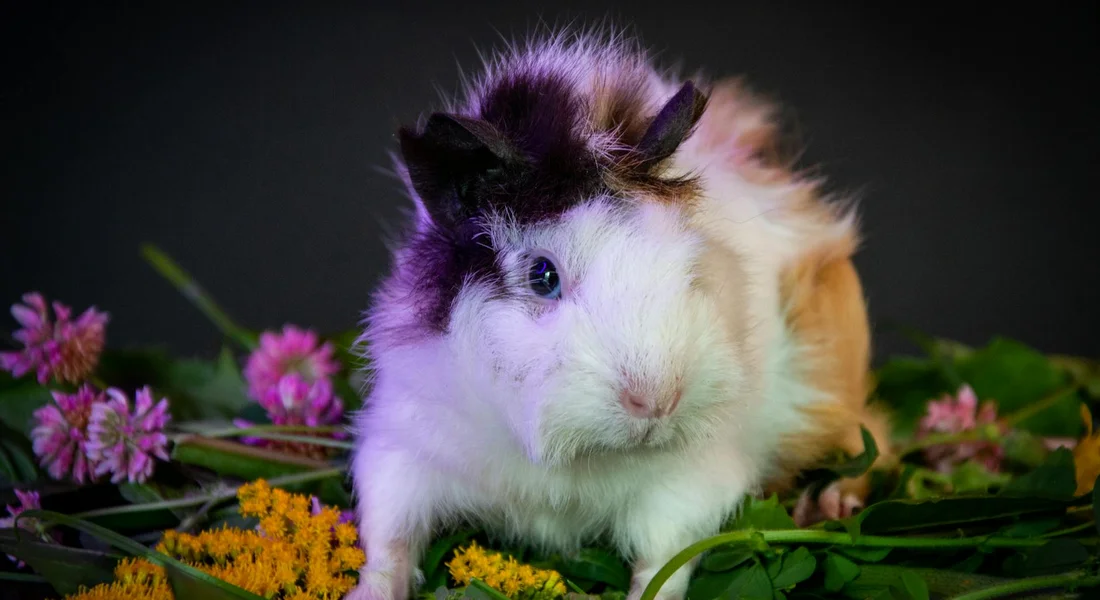
Reading a pellet bag’s ingredient list is your first line of defense for your pet’s health. I’ve learned to treat the ingredient panel like a detective’s clue sheet, and it has saved my own guinea pigs from countless stomach upsets, especially when choosing the right pellet brand.
- Added Sugars, Artificial Colorants, and Presatives: These are purely for human appeal, not guinea pig health. Sugars like molasses or syrup can lead to obesity and diabetes. Artificial colors are linked to hyperactivity. Preservatives like BHA or BHT are chemical compounds I actively avoid for my herd.
- Seed-Free and Low-Grain Content: Guinea pigs struggle to digest seeds and high volumes of grains like corn and wheat. Seeds can be a choking hazard and grains are often high in fat and starch, which disrupts their sensitive gut flora. A pellet free of these is gentler on their digestive system.
- Animal Products and Unnecessary Fillers: Guinea pigs are strict herbivores. Any ingredient like “animal fat,” “meat meal,” or “fish oil” is completely inappropriate and can cause serious kidney strain. Fillers like hulls or straw provide zero nutritional value and are just cheap bulk that fills their stomach without feeding them.
How to Choose the Right Pellets for Your Guinea Pig
Age-Appropriate Nutrition: Young vs. Adult
Just like human babies have different dietary needs, so do growing guinea pigs. Getting the life stage wrong, especially with calcium, is one of the most common mistakes I see new owners make. Follow these steps to get it right.
- Identify Your Guinea Pig’s Life Stage: “Young” typically means under six months old. “Adult” is any pig over that age.
- Select the Base Hay Type: For young, growing pups, choose a pellet based on Alfalfa hay. It’s richer in protein and calcium, which supports rapid bone development. For all adult guinea pigs, you must switch to a pellet based on Timothy hay. It has the ideal balance of fiber with lower calcium and protein.
- Understand the Calcium Shift: Young pigs use the extra calcium for building strong skeletons. Adult pigs, however, excrete excess calcium through their urine, which can crystallize and form painful bladder stones. This is why the Timothy-based, lower-calcium pellet is non-negotiable for adults.
Considering Health Conditions and Special Diets
Sometimes, a standard pellet isn’t enough. My gentle giant, Pepper, needed a specific diet when he gained a little too much weight. Paying close attention to your pet’s individual needs can prevent minor issues from becoming major health crises.
- For Weight Management: If your guinea pig is overweight, look for a pellet with higher crude fiber (over 18%) and lower fat content. Measure their daily pellet ration strictly-usually just 1/8 cup per pig-and never free-feed pellets. The bulk of their diet must always be unlimited Timothy hay.
- For Dental Problems: Guinea pigs’ teeth constantly grow. If a pig has dental issues, a standard pellet might be too hard to chew. You can lightly mist the pellets with water to soften them, making it easier for them to eat without pain.
- Veterinary Consultation: Any major health diagnosis, like kidney disease or chronic bloat, warrants an immediate conversation with your vet. They can recommend specific therapeutic pellets or a complete dietary overhaul that is tailored to your pet’s unique medical situation. Never self-prescribe a special diet without professional guidance.
Reading and Understanding Pellet Labels
- Step 1: Check the ingredient list for whole foods like Timothy hay as the first item.
I always start by scanning the ingredient list to see if Timothy hay is listed first. For my guinea pig Pepper, who has a gentle nature, this ensures he gets the high-fiber foundation he needs for good digestion. Pellets with whole foods as top ingredients mimic their natural diet and support overall health. Choosing pellets with Timothy hay upfront helps prevent digestive problems and keeps your guinea pig happy. (Learn more about the benefits of Timothy hay).
- Step 2: Look for guaranteed analysis of fiber, vitamin C, and calcium.
Next, I examine the guaranteed analysis for key nutrients. Fiber should be around 18-20% to aid digestion, while vitamin C is vital since guinea pigs can’t produce it themselves-my thoughtful Clover thrives on pellets with added vitamin C to avoid deficiency. Calcium levels need to be moderate to prevent urinary issues. Balancing these nutrients in pellets reduces the risk of common health woes like scurvy or bladder stones.
- Step 3: Assess freshness by examining packaging dates and storage tips.
Freshness matters a lot-I once bought pellets without checking the date, and my reserved Biscuit turned his nose up at them. Look for a recent manufacturing date and store pellets in a cool, dry place to maintain quality. Airtight containers work wonders to keep them from going stale. Fresh pellets not only smell earthy and appealing but also retain their nutritional value for longer.
- Step 4: Verify there are no artificial additives or added sugars.
Finally, I skim the label for any artificial colors, flavors, or sugars. These can lead to obesity and other health issues in guinea pigs. I stick to all-natural options for Pepper, Clover, and Biscuit to keep their diets clean and safe. Avoiding additives supports a longer, healthier life for your furry friends without unnecessary risks.
Feeding Guidelines and Best Practices
- Outline daily pellet amounts based on weight and age, with examples for portion control.
Portion control is key to preventing weight gain. For adult guinea pigs like my 2-year-old Pepper, I offer about 1/8 cup of pellets daily. In everyday terms, that’s roughly 2 tablespoons per day. Younger pigs under 6 months may need a bit more for growth, but adults should have limited amounts to prioritize hay. Use a small measuring cup to avoid overfeeding. Sticking to recommended portions helps maintain a healthy weight and prevents obesity-related issues.
- Include steps for transitioning to new pellets slowly to avoid digestive upset.
When switching pellets, I do it gradually over 7-10 days to avoid upsetting their stomachs. Start by mixing 25% new pellets with 75% old for a few days, then increase the new portion slowly. With Biscuit, who is more reserved, this slow intro helped him adjust without stress. That careful, gentle ramp-up also helps your new guinea pig feel safe and gradually acclimate to their home. A gradual transition minimizes digestive discomfort and makes the change smoother for your guinea pig.
- Describe how to monitor your guinea pig’s weight and behavior for adjustments.
I weigh my guinea pigs weekly using a small scale and watch for changes in behavior, like reduced activity or appetite. If Clover seems less graceful or Pepper less steady, I tweak pellet amounts. Regular checks let you catch issues early and adjust feeding as needed. Consistent monitoring ensures your guinea pig stays at a healthy weight and enjoys a vibrant life.
Supplementary Feeding and Alternatives
Fresh vegetables are the perfect dance partners for your guinea pig’s daily pellets. I give my own pigs, Pepper, Clover, and Biscuit, a colorful handful of leafy greens and bell peppers each day. This fresh produce provides essential moisture and vital nutrients like Vitamin C in a more natural, absorbable form than pellets alone can offer.
- Vitamin C-rich options: Bell peppers (all colors), kale, and parsley.
- High-fiber greens: Romaine lettuce, cilantro, and dandelion greens.
- Occasional treats: A small slice of carrot or a single blueberry.
There might be times you consider other options, like a forage-based diet or muesli mixes. While exploring different foods can be enriching, a high-quality pellet remains the non-negotiable foundation for balanced nutrition. Muesli mixes, for instance, often lead to selective eating where pigs pick out the tasty, sugary bits and leave the healthy components behind.
Never replace your guinea pig’s pellets entirely without direct guidance from an exotics-savvy veterinarian. A sudden, complete dietary overhaul can disrupt their delicate digestive system, leading to serious health issues like GI stasis. Pellets are scientifically formulated to fill the nutritional gaps that even the most thoughtful selection of fresh foods might miss. If you’re planning to switch to a new pellet brand, follow a step-by-step transition guide to help your pig adjust safely. Our guide walks you through gradual mixing, timing, and monitoring for a smooth change.
FAQs
Where can I buy guinea pig pellets at Walmart?
You can find guinea pig pellets in the pet supplies aisle of most Walmart stores or order them online for pickup or delivery. Always select pellets with high fiber and no artificial additives to ensure your pet’s health. Some owners also consider homemade pellet options and compare their pros and cons with commercially produced pellets. Examining factors like nutrition, cost, and freshness can help you decide what works best for your guinea pig.
Where can I buy guinea pig pellets in bulk?
Purchasing guinea pig pellets in bulk is convenient through online retailers like Chewy or Amazon, which often offer larger bags at discounted prices. Store bulk pellets in a cool, dry place to preserve their nutritional value and freshness. For best freshness, properly store guinea pig pellets by transferring opened pellets to an airtight container and keeping them away from moisture and sunlight.
What are Oxbow guinea pig pellets?
Oxbow is a trusted brand that produces guinea pig pellets primarily from Timothy hay, fortified with essential vitamins like C to prevent deficiencies. Many owners prefer Oxbow for its consistent quality and focus on natural ingredients without harmful fillers.
Are guinea pig pellets safe for humans?
Guinea pig pellets are formulated specifically for animal digestion and are not safe for human consumption due to ingredients like stabilized vitamins and minerals. Eating them could cause digestive issues or expose you to substances not intended for people. Some common harmful ingredients to avoid in pet foods—such as artificial additives or excess minerals—aren’t meant for human diets. This is why guinea pig pellets should not be eaten by people.
Where can I buy guinea pig pellets at Petsmart?
Petsmart stores stock a range of guinea pig pellets in the small animal section, and you can browse their online catalog for more options. Choose pellets that are age-appropriate and free from seeds or added sugars for optimal guinea pig care. If you’re planning to bring a guinea pig home, you have options: pet stores, reputable breeders, or adoption through rescues. Adoption or rescue can be a humane choice, and if you choose a breeder, research their health practices and welfare standards.
Your Guinea Pigs Deserve the Best
Always prioritize pellets with high fiber from timothy hay and guaranteed vitamin C to support your pet’s digestive and immune health. Reading the ingredient list carefully is the single most effective way to ensure you are providing a truly nutritious diet.
Your commitment to learning about proper nutrition shows you are a dedicated and caring pet owner. Continue to research and choose eco-friendly care options, like recycled paper bedding, to create a healthy, happy life for your piggies.
Further Reading & Sources
- Guinea Lynx :: Pellets
- Guinea Pig Pellets | Hubbard Feeds
- Mazuri® Timothy Hay Based Guinea Pig Food | Pellets for Guinea Pigs
- Premium, Healthy Hay-Based Guinea Pig Food | Small Pet Select – Small Pet Select U.S.
Kate is a passionate guinea pig owner and advocate for small pet welfare. With over a decade of experience caring for guinea pigs, she has become a trusted voice in the small pet community.
Uncategorized