Can Guinea Pigs Fart, Burp, or Vomit? Digestive Facts
Published on: January 31, 2026 | Last Updated: January 31, 2026
Written By: Kate M. Callahan
Hello CavyFam! Have you ever heard a tiny squeak or rumble from your guinea pig and wondered if they just farted or burped? It’s a funny thought, but it ties into real concerns about their digestive health and comfort.
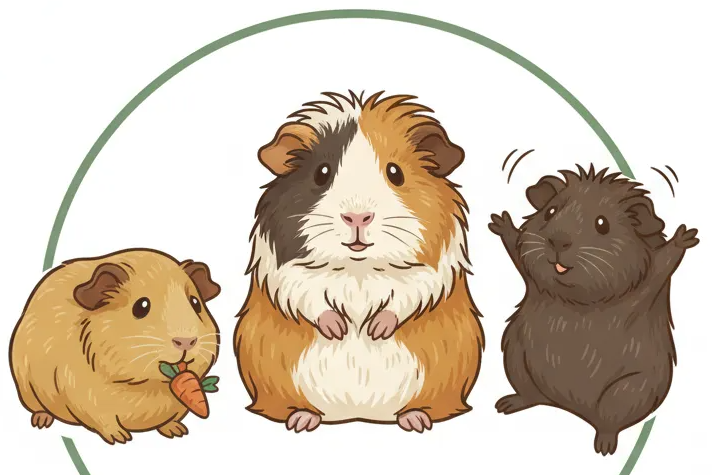
In this article, I’ll break down the mysteries of guinea pig digestion based on my own experiences. We’ll explore: farting, burping, vomiting, and essential digestive system facts. Having cared for my guinea pigs Pepper, Clover, and Biscuit for years, I’ve gathered practical insights to help you keep your furry friends happy and healthy.
Can Guinea Pigs Fart, Burp, or Vomit?
Yes, guinea pigs can pass gas, but they absolutely cannot burp or vomit. Their unique anatomy makes some bodily functions impossible, which directly impacts their health and care.
Farting occurs when gas builds up in their intestines during the normal fermentation of fibrous foods. I’ve sometimes noticed my guinea pig, Biscuit, get a little restless before settling down with a soft, almost inaudible squeak that signals a bit of gas has passed.
Burping is anatomically impossible for them because the muscle connecting their esophagus to the stomach is extremely strong and only allows one-way travel. Any gas produced in the stomach has no way to travel back up and out.
Vomiting is also prevented by this same powerful muscle, combined with a diaphragm that isn’t structured for the reverse contractions needed. This is a critical safety feature, as it means they can’t expel toxins or spoiled food the way other animals can.
- Fart: Yes. Gas from intestinal fermentation is released.
- Burp: No. A powerful esophageal sphincter prevents it.
- Vomit: No. Their anatomy makes reverse digestion impossible.
The Guinea Pig Digestive System: A Hindgut Fermenter
Guinea pigs are hindgut fermenters, meaning the heavy work of breaking down tough fiber happens in the latter part of their digestive tract. Think of their gut like a specialized fermentation factory located at the very end of the production line. Much like the key parts that make up any system, understanding the anatomy of guinea pigs provides insights into how this fermentation process works.
The star of this system is the cecum, a large, pouch-like organ that acts as a fermentation vat. This is where beneficial bacteria break down fibrous cellulose into absorbable nutrients, a process I’ve observed makes their diet of hay absolutely non-negotiable.
Their gut structure is very different from a cat or dog. Unlike our other pets who are meat processors, guinea pigs are essentially tiny, furry grass converters, built for a constant influx of roughage. So, are guinea pigs easy to care for, or do they demand more time and attention? Their digestion means regular hay, fresh vitamin C, and a clean, safe living space.
Here are the key parts of their gastrointestinal tract and what they do:
- Mouth & Teeth: Teeth constantly grow and grind hay, starting the mechanical breakdown.
- Stomach: A simple, one-way chamber where initial digestion begins.
- Small Intestine: Absorbs the basic sugars, proteins, and fats from their food.
- Cecum: The fermentation powerhouse where microbes break down fiber into vital nutrients and vitamins.
- Large Intestine: Reabsorbs water and forms the two distinct types of droppings: hard fecal pellets and soft cecotropes.
Watching my guinea pigs, especially the thoughtful Clover, I see this system in action. They produce and then directly consume their cecotropes, those special soft droppings, to get a second pass at those essential B-vitamins and proteins created in the cecum.
How Fiber Fuels Guinea Pig Digestion
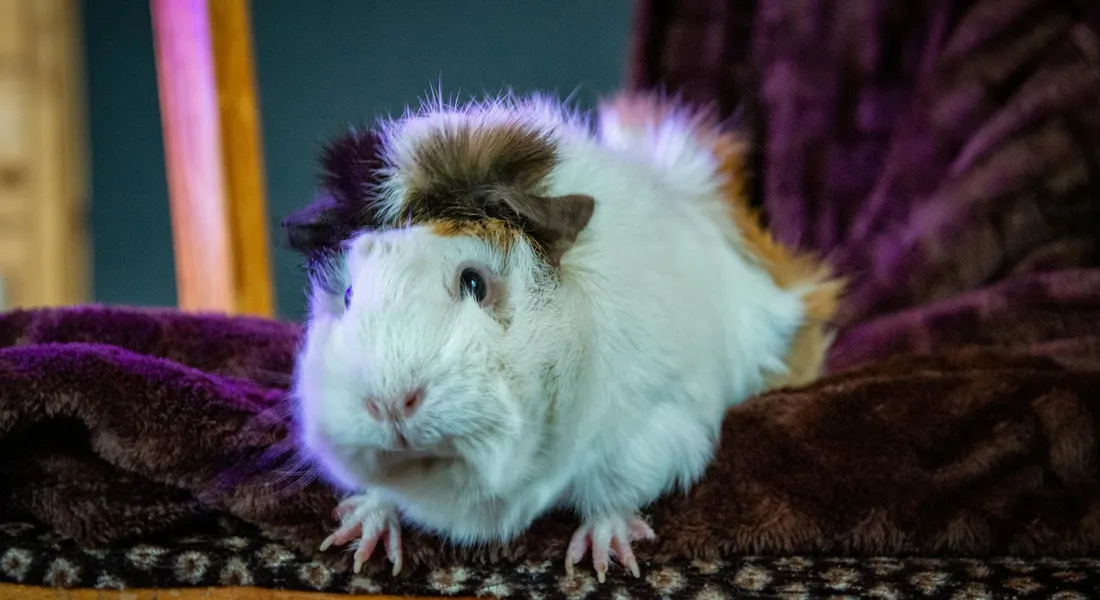
Guinea pigs thrive on a fiber-rich diet because their digestive systems are built to process constant roughage. Hay acts like a natural conveyor belt, pushing food through their gut and preventing dangerous slowdowns. Without enough fiber, their intestines can grind to a halt, leading to painful bloating or even life-threatening stasis.
- Timothy hay, orchard grass, and meadow hay are top choices for daily munching.
- Fresh veggies like romaine lettuce, bell peppers, and cilantro add variety and fiber.
- Avoid high-sugar fruits and starchy vegetables to keep gas production in check.
Fiber ferments in the large intestine, producing gas as a normal byproduct. This fermentation helps break down tough plant material, but too many gas-forming foods can overwhelm their system. I’ve noticed that when Biscuit gets too many carrots, her tummy seems fuller, so I stick to leafy greens for steady digestion.
- Provide unlimited, fresh hay at all times-my trio, Pepper, Clover, and Biscuit, always have a full rack.
- Offer a daily handful of high-fiber veggies, rotating types to prevent boredom and imbalances.
- Limit treats to once or twice a week, focusing on hay-based options to support gut motility.
Recognizing Signs of Digestive Distress
Spotting early warning signs can save your guinea pig from discomfort or serious illness. Watch for a swollen or hard belly, which often signals trapped gas or bloating. Other red flags include loss of appetite, unusual lethargy, or changes in poop size and frequency. To act quickly, you can follow a complete home troubleshooting checklist for a sick guinea pig. It guides you through symptoms, hydration, and when to seek veterinary help.
- Bloating: Abdomen feels tight and rounded when gently touched.
- Gas pain: Hunched posture, teeth grinding, or reluctance to move.
- Reduced appetite: Ignoring favorite foods or eating less than usual.
- Bowel changes: Smaller, misshapen, or fewer droppings than normal.
- Check their food and water intake each morning-I do this first thing with my pets.
- Observe their activity level; a sudden drop in movement can indicate pain.
- Monitor droppings daily for consistency and quantity to catch issues early.
Gas pain in guinea pigs often shows as restlessness or hiding. When Clover had a mild gas episode, she tucked herself in a corner and refused her usual leafy snacks, which clued me in right away. Gentle belly massages and encouraging movement can help, but severe symptoms need quick action.
If your guinea pig stops eating, shows labored breathing, or has no bowel movements for over 12 hours, contact a vet immediately. Prompt care is vital, as digestive problems can escalate fast in these small animals. Sometimes a guinea pig may seem still or like it’s hibernating in a crisis, but that can mask a serious illness. If you notice sudden lethargy or a failure to wake, seek emergency care—these are critical signs that your pet may be dying if untreated.
Building a Digestion-Friendly Diet
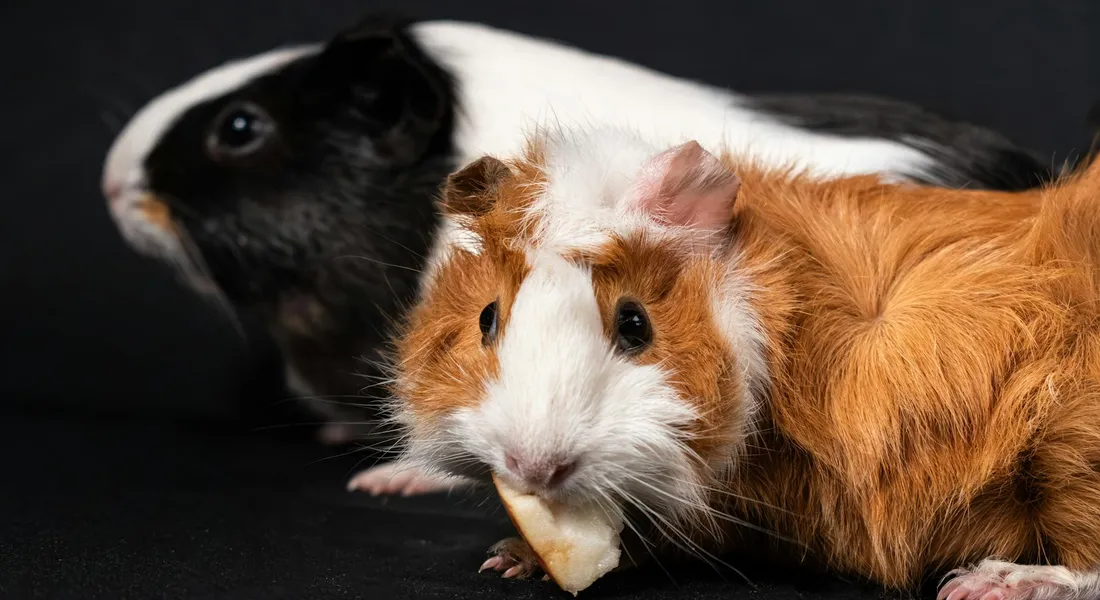
When I first brought Pepper home, I learned that guinea pigs have sensitive stomachs that need careful handling. Introducing new foods too quickly can lead to gas, bloating, or diarrhea, so always take it slow to keep their digestion smooth.
Steps for Introducing New Foods Safely
- Start with a tiny piece, like a sliver of carrot, and watch for any changes in their poop or behavior over 24 hours.
- If all seems well, gradually increase the amount over a week, mixing it with their usual hay and pellets.
- Stick to one new food at a time to pinpoint any issues-this saved me when Clover reacted poorly to a new leafy green.
Safe Fruits and Vegetables That Aid Digestion
Not all produce is equal; some can ease digestion while others cause trouble. Bell peppers are a superstar for vitamin C and fiber, helping prevent constipation and support overall gut health.
- Bell peppers (red, yellow, or green) for a vitamin C boost and easy digestion.
- Cucumber slices for hydration and mild fiber-Biscuit loves these on hot days.
- Carrots in small amounts for crunch and beta-carotene, but avoid overfeeding to prevent sugar spikes.
- Leafy greens like romaine lettuce, which provide moisture and nutrients without overwhelming their system.
The Importance of Vitamin C in Digestion
Guinea pigs can’t make their own vitamin C, and a lack of it weakens their immune system and slows digestion. I add fresh bell peppers to their daily meals to ward off issues like GI stasis, which I’ve seen improve Pepper’s energy and regularity. So, how much vitamin C do guinea pigs need daily? The exact amount can vary, but providing a steady daily supply through vitamin-C-rich foods like peppers helps meet their needs and prevent deficiency.
Hydration Tips for Healthy GI Function
Water keeps everything moving in their gut, preventing blockages and discomfort. Always provide fresh, clean water in a bottle and include watery veggies like cucumber to boost intake, especially since my guinea pigs tend to drink less in cooler weather. Many owners weigh the pros and cons of a bottle versus bowl for hydration. Bottles stay cleaner and reduce spills, while bowls can be easier for some pigs to drink from.
Personal Diet Routines That Work
With Pepper, Clover, and Biscuit, I’ve found a routine that keeps their digestion happy. Each morning, I offer a mix of timothy hay, a quarter cup of pellets fortified with vitamin C, and a small serving of bell peppers or cucumber, adjusting based on their individual needs-like giving Biscuit extra hay for his reserved nature.
Preventing and Managing Digestive Issues
Digestive problems can sneak up quickly, but with proactive care, you can reduce risks. GI stasis, where the gut slows down, often stems from poor diet or stress, so I focus on prevention through consistent routines and observation.
Causes of GI Stasis and Prevention Tips
A lack of fiber, sudden diet changes, or dehydration can trigger GI stasis. Ensure unlimited access to hay, which makes up 80% of their diet, and avoid high-sugar treats to keep their gut moving steadily.
Ways to Support Gut Health
- Add a probiotic supplement to their water or food occasionally, as recommended by my vet, to balance good bacteria.
- Schedule regular dental checks-overgrown teeth can hinder eating and lead to digestive slowdowns, something I monitor closely with Biscuit’s breed.
- Provide plenty of exercise space; a simple pen for running helps stimulate digestion naturally.
The Role of Cecotropes in Digestion
Cecotropes are soft, nutrient-rich droppings that guinea pigs eat directly from their bottom to absorb essential vitamins. If you see them consuming these, it’s a healthy sign-their body is recycling nutrients efficiently, and disrupting this can cause deficiencies.
Emergency Care for Bloating or Gas Pain
If your guinea pig shows signs like a hard belly or lethargy, act fast. Gently massage their abdomen in circular motions, offer simethicone drops (vet-approved), and keep them warm and quiet-this approach helped when Clover had a mild gas episode last year. It’s just one part of proper guinea pig care.
- Move them to a quiet, stress-free area and monitor breathing and behavior closely.
- Contact your vet immediately if symptoms worsen, as bloating can be life-threatening.
- Avoid feeding until you get professional advice to prevent further complications.
When to Consult a Veterinarian
Trust your instincts-if they stop eating, have labored breathing, or show prolonged discomfort, seek help right away. I once rushed Pepper to the vet for bloating, and early intervention made all the difference in his recovery, reinforcing the need for prompt action.
FAQs
How often should a guinea pig have bowel movements?
Guinea pigs typically have frequent bowel movements, producing dozens of droppings throughout the day. Regular output indicates healthy gut motility and proper fiber digestion. Consider a simple poop and pee frequency guide to know what’s normal. Subtle changes in either can signal health issues and merit a vet check.
How long does guinea pig digestive transit take on a typical diet?
Digestive transit in guinea pigs usually takes about 12 to 24 hours from eating to excretion. This rapid process relies on constant fiber intake to keep food moving smoothly through their system. So, what do normal guinea pig eating habits look like? They tend to graze on hay throughout the day, with small portions of pellets and fresh vegetables to maintain fiber and overall health.
Can improper dental health affect digestion in guinea pigs?
Yes, overgrown or misaligned teeth can hinder proper chewing, leading to inadequately broken-down food that is hard to digest. This can cause blockages, reduce nutrient absorption, and increase the risk of GI stasis.
How can dehydration affect GI function in guinea pigs?
Dehydration can cause dry, hard droppings that are difficult to pass, leading to constipation and discomfort. It also slows intestinal motility, raising the likelihood of serious issues like GI stasis.
Why is dietary vitamin C important for guinea pig digestion?
Vitamin C supports the integrity of the gastrointestinal lining and aids in nutrient absorption, preventing slowdowns in digestion. A deficiency can weaken gut function and contribute to problems like reduced appetite or stasis.
Caring for Your Guinea Pig’s Unique Digestive System
Always provide unlimited, high-quality hay to keep their digestive system moving and monitor their diet closely to prevent painful gas buildup. Pay attention to any changes in appetite or behavior, as these are your first clues something might be wrong.
Being a great guinea pig owner means committing to lifelong learning about their specific needs and making eco-friendly choices for their habitat. Choosing sustainable bedding and responsibly sourced food are simple ways to care for your pets and our planet. Plan ahead to prepare your home for their entire lifespan—from curious youngsters to graceful seniors. A roomy, safe habitat with ongoing enrichment and regular veterinary care helps them thrive at every stage.
Further Reading & Sources
- Guinea Pig Bloat Symptoms and Solutions | Chewy
- Gut Stasis in Guinea Pigs – ExoticDirect
- Rabbit & Guinea Pig Gastrointestinal (GI) Stasis – Lake Animal Hospital
- Do guinea pigs fart? – GuineaDad
Kate is a passionate guinea pig owner and advocate for small pet welfare. With over a decade of experience caring for guinea pigs, she has become a trusted voice in the small pet community.
Uncategorized