Safety of Foraging Outdoor Leaves for Guinea Pigs
Published on: February 13, 2026 | Last Updated: February 13, 2026
Written By: Kate M. Callahan
Hello CavyFam! You might be excited to share some fresh outdoor greens with your guinea pig but worried about hidden dangers like pesticides or toxic plants.
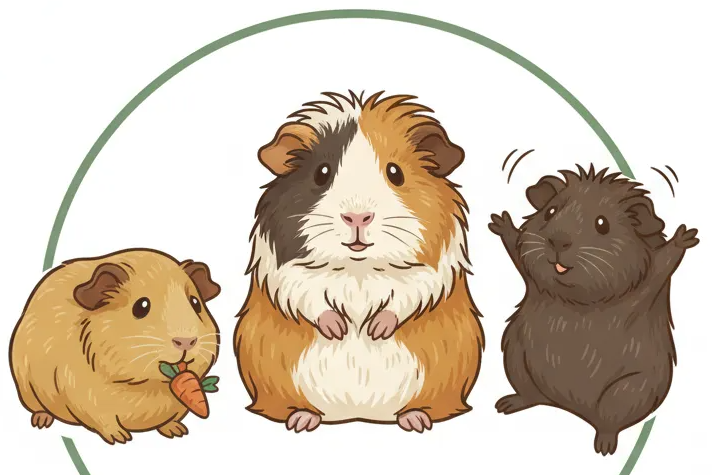
In this guide, I’ll cover how to identify safe leaves, avoid harmful plants, and properly wash foraged greens. With years of hands-on experience caring for my guinea pigs Pepper, Clover, and Biscuit, I’ve learned what works to keep them healthy and happy.
Are Outdoor Leaves Safe for Guinea Pigs?
Many owners wonder if they can simply pluck leaves from the yard for their pets. While fresh greens are fantastic, outdoor leaves carry hidden dangers that can make your guinea pig very sick. I learned this the hard way when my curious guinea pig, Biscuit, nibbled a treated leaf and had a scary tummy ache. Pesticides, herbicides, and car exhaust residue coat many leaves, and you can’t just wash these chemicals off.
How to Source Leaves Safely
You don’t have to avoid outdoor leaves entirely, but you must be incredibly selective.
- Only pick from areas you know have never been sprayed with chemicals.
- Avoid leaves from busy roadsides or public parks.
- Wash every single leaf thoroughly under cool, running water to remove dirt and potential parasites.
- Start with tiny amounts to see how your pet’s sensitive digestion reacts.
The safest strategy is to grow your own edible plants in pots or a dedicated garden patch away from pollutants. This gives you complete control over what your guinea pigs eat. This also helps you choose safe flowers and plants that guinea pigs can eat. Growing them yourself helps ensure they’re free of pesticides and safe to nibble.
Safe Leaves for Guinea Pig Foraging
Stick to these common, easily identifiable leaves that my trio-Pepper, Clover, and Biscuit-enjoy without issue.
| Leaf Name | Identification Tips | Feeding Frequency |
|---|---|---|
| Dandelion Greens | Jagged-edged leaves with a distinctive toothed shape. | A few times per week; high in calcium. |
| Plantain Leaves | Broad, oval leaves with parallel veins running the length. | Daily in moderation; great for digestion. |
| Bramble Leaves (Blackberry/Raspberry) | Serrated edges on green leaves from thorny bushes. | 2-3 times per week; a good source of fiber. |
| Hazel Leaves | Round, soft leaves with a slightly fuzzy texture. | Occasional treat; my guinea pigs love the texture. |
Always double-check the identity of a plant using a reliable guide or app before offering it to your pet. When in doubt, leave it out.
Nutritional Benefits of Foraged Greens
Incorporating safe, foraged leaves does more than just provide enrichment.
- Dandelion leaves are packed with Vitamin A, which is vital for maintaining healthy vision and a robust immune system. I notice Pepper’s coat seems shinier when he gets these regularly.
- Plantain leaves offer a good mix of fiber, which supports healthy gut motility and can prevent bloating.
- Bramble leaves provide environmental enrichment through new textures and tastes, encouraging natural foraging behavior.
- These fresh greens are a natural source of hydration, especially during warmer months.
Rotating different safe leaves ensures your guinea pig receives a broader spectrum of vitamins and minerals than store-bought greens alone can provide. This variety keeps their diet interesting and nutritionally balanced. For a guinea pig diet, include safe vegetables and greens such as romaine, kale, and parsley, offered in moderation alongside hay. Regularly rotating these greens helps cover a wider range of nutrients and supports digestive health.
Toxic Plants to Avoid When Foraging

You must know which plants are dangerous before letting your guinea pigs munch on outdoor leaves. I always double-check plant identities because a simple mistake can lead to serious health issues. My guinea pig Biscuit once sniffed at a rhubarb leaf, and I swiftly moved her away to prevent any harm. That kind of caution is one of the 15 deadly mistakes first-time guinea pig owners commonly make. Staying vigilant about plant safety helps avoid many future missteps.
- Rhubarb leaves: These contain oxalic acid, which can cause kidney failure in guinea pigs. I keep my pets far from garden patches with rhubarb.
- Tomato plant leaves and stems: They hold solanine, a toxin that upsets digestion. Pepper got curious near my tomato plants, so I now fence them off.
- Nightshade family plants: Many, like deadly nightshade, have berries and leaves that are highly poisonous. I teach friends to recognize these to avoid accidents.
Other risky plants include oleander and lily of the valley. Stick to safe options like dandelion greens or clover, which my guinea pigs love. Guinea pigs also enjoy nibbling on fresh outdoor grass when it’s safe and pesticide-free. They eat and play outside, which adds enrichment to their routine. I use a plant identification app when foraging new areas for extra safety.
Risks of Foraging Wild Leaves
Contamination from Pesticides and Pollution
Leaves from lawns or parks often have pesticide residues that you cannot see. These chemicals can build up in your guinea pig’s system and cause long-term health problems. I avoid spots near farms or gardens where spraying is frequent.
Air pollution from traffic settles on leaves, making them unsafe. Rinse foraged leaves under running water to wash away pollutants and dirt. For Clover, I use a veggie wash to ensure everything is clean before feeding.
Parasites and Health Hazards
Wild leaves might host parasites like mites or intestinal worms. These can lead to itching, weight loss, or diarrhea in your pets. I inspect each leaf for tiny insects or eggs before offering them.
Mold grows on damp, decaying leaves and poses a fungal risk. Only harvest dry, vibrant leaves to keep your guinea pigs healthy and happy. After a rainy day, I wait for things to dry out to prevent issues like I saw with Biscuit once.
Best Practices for Safe Foraging
Step-by-Step Plant Identification
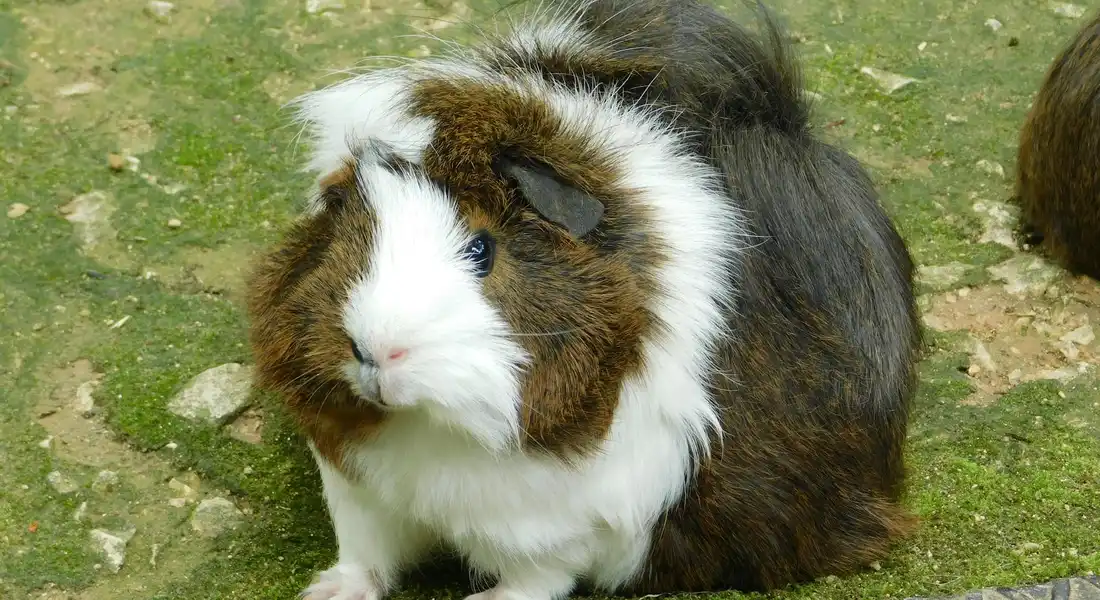
I’ve spent years learning to identify safe plants for my guinea pigs, Pepper, Clover, and Biscuit, and it always starts with a visual inspection. Proper identification is your first and most critical line of defense against poisoning.
Follow these steps every single time you forage:
- Use a detailed regional field guide or a trusted plant identification app.
- Check the leaf shape, stem structure, and flower color against your guide.
- Be absolutely certain there are no toxic lookalikes in the area.
- When in even the slightest doubt, leave the plant right where it is.
Thorough Washing Techniques
Bringing leaves home is only half the battle; a proper wash is non-negotiable. A thorough cleaning removes pesticides, pollutants, and tiny parasites that could harm your pet.
Here is my personal washing routine that has kept my herd healthy:
- Fill a clean basin with cool water and a splash of white vinegar.
- Swish the leaves vigorously for at least one full minute.
- Rinse them under running tap water, making sure to rub both sides of each leaf.
- Pat the leaves completely dry with a clean kitchen towel or a salad spinner.
Gradual Introduction to Diet
Guinea pigs have sensitive digestive systems, and a sudden change can cause serious issues. Introducing any new food slowly prevents stomach upset and allows you to monitor for allergic reactions. This is one of the top 10 guinea pig diet mistakes that can lead to serious health issues. Knowing these common pitfalls can help you feed safely and keep your pet thriving.
I learned this the careful way with my shy pig, Biscuit. Start by offering a single, small leaf or a piece about the size of your thumbnail. Watch your guinea pig closely for the next 24 hours. Do normal guinea pig eating habits look like? They should nibble steadily and finish small portions, showing a steady appetite. Look for normal eating habits, consistent energy levels, and healthy droppings. You can gradually increase the amount over the next week if no problems appear.
Wild Leaves vs. Store-Bought Greens
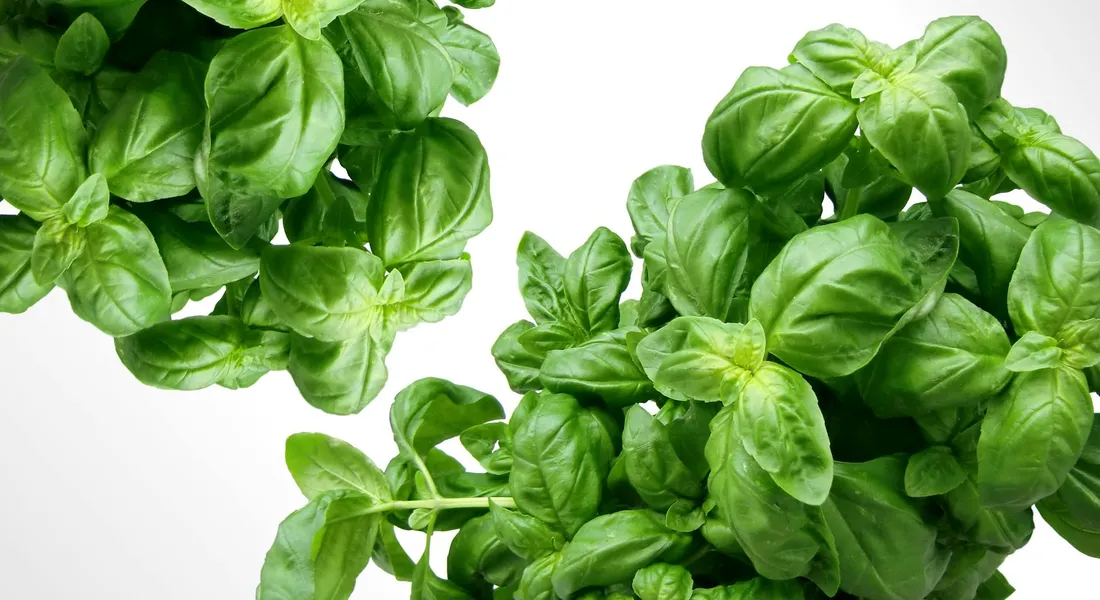
Both wild-foraged and store-bought greens have their own unique benefits for your guinea pig’s diet. Wild leaves often provide a more diverse range of nutrients and enriching textures that commercial greens lack. This topic is part of a complete guide to foraging your guinea pig. We’ll cover safe foraging practices, plant identification, and how to balance wild and store-bought greens.
My pig Clover, for instance, shows much more excitement for a freshly picked dandelion leaf than for standard romaine.
Consider this comparison to help you decide:
| Wild Foraged Leaves | Store-Bought Greens |
|---|---|
| Greater variety of plant species and flavors | Consistent availability year-round |
| Free source of enrichment and nutrition | Convenient and time-saving |
| Requires knowledge and effort to ensure safety | Pesticide risk is generally lower and more controlled |
I personally use a mix of both in my herd’s diet. This balanced approach gives them nutritional variety while maintaining a safe and manageable feeding routine.
Growing Safe Leaves at Home
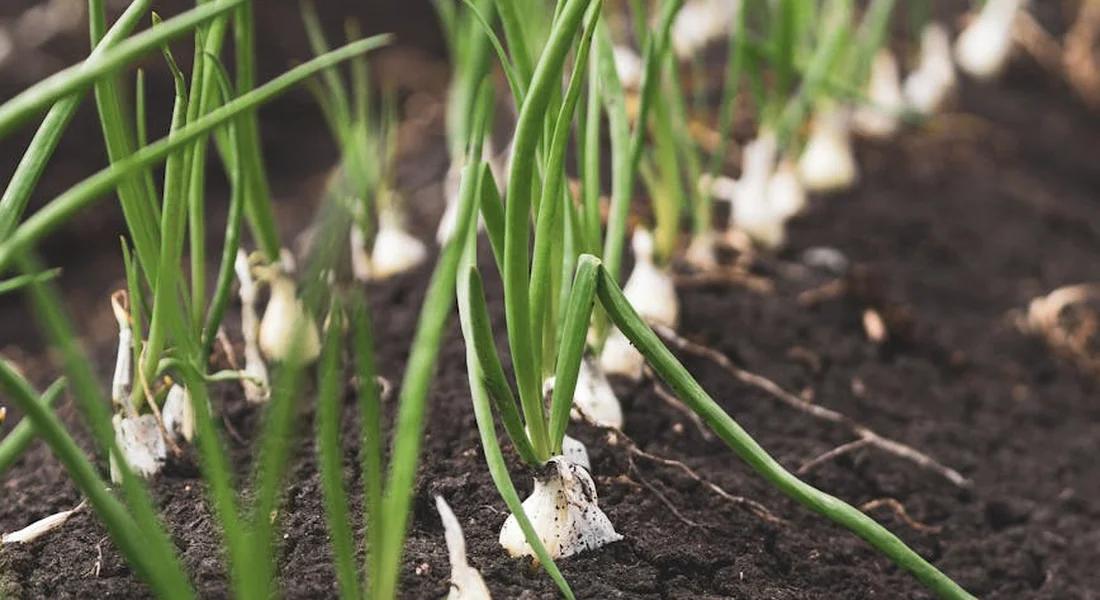
Taking control of your guinea pig’s diet by growing your own leaves is one of the most rewarding things you can do. I’ve found that watching my own pigs, Pepper and Clover, nibble on herbs I’ve grown myself brings a special kind of joy and peace of mind. You know exactly what’s gone into them, and you eliminate the risk of roadside pollution or pesticide drift.
Choosing the Right Plants to Grow
Your little garden doesn’t need to be huge to be effective. Focus on nutrient-packed, guinea pig-safe plants that are easy to grow in pots or a small patch.
- Dandelion: A superfood they adore! Both the leaves and flowers are safe and packed with Vitamin C.
- Mint (Peppermint or Spearmint): A fantastic, fragrant choice. My pig Biscuit goes wild for the occasional mint sprig as a treat.
- Parsley: High in Vitamin C, but feed in moderation due to its calcium content.
- Cilantro (Coriander): A huge hit in my herd and generally very easy to grow from seed.
- Wheatgrass or Barley Grass: You can grow these from seed in a shallow tray for a constant supply of fresh greens.
- Clover: Named after my graceful girl, this is a classic forage they naturally love.
A Simple Step-by-Step Growing Guide
You don’t need a green thumb to get started. Follow these basic steps for a successful, safe harvest.
- Select Your Containers: Use pots with good drainage holes. You can even use old, clean plastic tubs.
- Use Safe, Organic Soil: This is non-negotiable. Choose a potting mix labeled for organic vegetable gardening.
- Plant Your Seeds or Seedlings: Follow the depth and spacing instructions on the seed packet. A sunny windowsill or a balcony spot works perfectly.
- Water Gently: Keep the soil moist but not soggy. Overwatering is a common beginner mistake.
- Harvest with Care: Once the plants are well-established, pick the outer, mature leaves first. This allows the plant to keep growing from the center.
Always wash homegrown leaves thoroughly with cool water before serving, just to remove any dust or soil. Starting your own mini-garden is a powerful way to provide variety and ensure the absolute safety of your guinea pig’s fresh food. A complete guinea pig hygiene cleaning routine also includes regular cage cleaning, changing bedding, and washing hands before handling to keep your pet healthy.
Common Questions
How can I quickly identify safe vs. toxic plants while foraging?
Always use a reliable plant identification guide or app to confirm the species before picking any leaves. Look for key features like leaf shape, color, and growth pattern to distinguish safe options from harmful ones.
What immediate steps should I take if I suspect my guinea pig has eaten a poisonous leaf?
Remove any remaining plant material and contact your veterinarian right away for guidance. Keep a close watch on your pet for signs of distress, such as vomiting or unusual behavior, while awaiting professional care.
Can I rely solely on plant identification apps for foraging safety?
While apps are useful aids, they should not replace thorough research and personal knowledge. Double-check findings with multiple sources to minimize the risk of misidentification and ensure your guinea pig’s safety.
Keep Your Foraging Fun and Safe
Your guinea pig’s health starts with knowing exactly which leaves are safe and always washing them thoroughly to remove pollutants. Sticking to plants you can positively identify and sourcing from chemical-free areas are your best defenses. To keep your pet safe, be aware of 10 common foraging mistakes that could poison your guinea pig. Learning about these pitfalls can help you feed confidently.
Caring for a guinea pig is a wonderful journey that deepens with your knowledge and commitment to their well-being. Embrace the process of learning, and you’ll create a happier, healthier life for your small companion. Proper guinea pig care means a roomy cage, fresh hay, healthy vegetables, and regular vet checkups. With that foundation, you can ensure their safety, comfort, and well-being.
Further Reading & Sources
- Poisonous food and plants for guinea pigs
- What Leafy Greens & Veggies Can Your Guinea Pig Have? – GuineaDad
- Ultimate Guide To Foraging For Guinea Pigs: Plants + Weeds
- 7 Vegetables That Guinea Pigs Can Safely Eat
Kate is a passionate guinea pig owner and advocate for small pet welfare. With over a decade of experience caring for guinea pigs, she has become a trusted voice in the small pet community.
Uncategorized