Do Guinea Pigs Have Dandruff? A Skin Health Guide
Published on: February 20, 2026 | Last Updated: February 20, 2026
Written By: Kate M. Callahan
Hello CavyFam! Noticing some white flakes in your guinea pig’s fur can be a little alarming. You’re likely wondering if this is normal or a sign of a bigger problem.
In this guide, we’ll cover common causes of skin flakes, how to tell normal dandruff from a health issue, and practical prevention tips for a healthy, happy piggy.
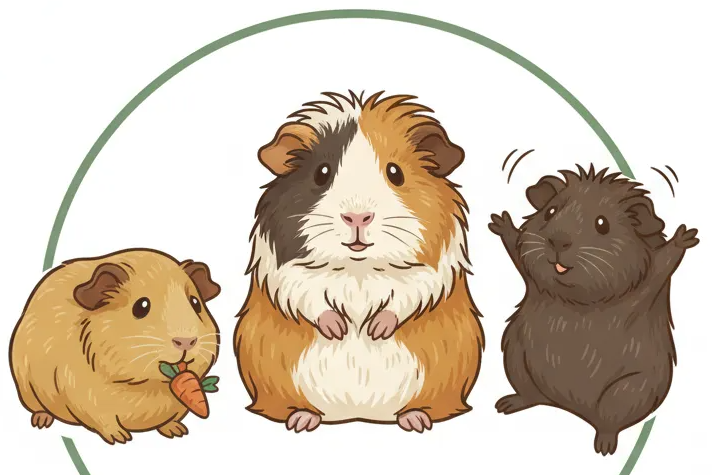
I’ve cared for my own trio of guinea pigs for years, so I’m sharing from hands-on experience.
Understanding Guinea Pig Skin and Dandruff
Your guinea pig’s skin is a sensitive organ, constantly working to maintain health and comfort. A few tiny white flakes now and then are usually nothing to worry about, but a sudden snowstorm of dandruff is a clear signal from your pet that something is wrong. I’ve seen this with my own guinea pigs; Pepper, for instance, will sometimes show a bit of flakiness during seasonal changes. However, if you notice persistent flakes accompanied by other symptoms, it might be a sign of ringworm in guinea pigs.
It’s vital to distinguish between normal, minor shedding of skin cells and a true skin condition. Healthy guinea pig skin should feel smooth and look clean, not irritated, red, or excessively flaky. When you handle your pets, take a moment to gently part their fur and check the skin underneath-it’s a simple habit that can catch problems early. If you notice persistent skin issues or heavy matting, seek professional grooming help for your guinea pig. A trained groomer or veterinarian can safely assess skin health, trim fur as needed, and offer care tips to prevent future problems.
Common Causes of Dandruff in Guinea Pigs
Flaky skin is rarely a random event; it almost always points to a specific underlying issue. Pinpointing the root cause is the first and most important step toward helping your pet feel comfortable again. From my years of caring for my trio, I’ve learned that the causes generally fall into two main categories.
Nutritional Deficiencies and Skin Health
What your guinea pig eats directly fuels the health of their skin and coat. A poor diet is one of the most common culprits behind chronic, flaky skin. Without the right building blocks, their body can’t maintain a healthy protective barrier.
- Vitamin C Deficiency: Guinea pigs cannot produce their own Vitamin C. A lack of it leads to scurvy, which causes rough, unhealthy skin and poor coat condition. I make sure my pigs get a daily serving of fresh bell pepper, which is packed with this vital nutrient.
- Omega Fatty Acid Imbalance: These fats are the building blocks for healthy skin cells. A diet lacking in them results in dry, flaky, and itchy skin.
- Poor-Quality Hay or Pellets: Low-nutrient food fails to provide the comprehensive support their skin needs to thrive. Always opt for high-quality, fresh Timothy hay and fortified pellets.
Supplementing their diet with a small, safe amount of flaxseed oil can work wonders for adding those essential omega fatty acids. I’ve seen Biscuit’s coat become noticeably softer and less prone to flakiness after introducing just a drop into her diet.
Environmental and Parasitic Triggers
Sometimes, the problem isn’t what’s happening *inside* your guinea pig, but what’s happening *around* them. Your pet’s living environment plays a massive role in their skin health, and parasites are an unwelcome but common reality. To properly care for guinea pigs, keep their living space clean, dry, and well-ventilated. Regular grooming and routine health checks help you spot problems early.
- Static Mites (Chirodiscoides caviae): These are often the hidden cause of that “walking dandruff” appearance. You might see the flakes actually moving because the mites are living under them.
- Burrowing Mites (Trixacarus caviae): These are far more serious. They cause intense itching, hair loss, and thick, crusty skin. This is a medical emergency that requires immediate veterinary treatment.
- Fungal Infections (Ringworm): This creates circular, scaly patches of hair loss. It’s contagious to other pets and humans, so quick action is essential.
- Low Humidity or Dry Air: Just like for us, dry air from heating or air conditioning can sap moisture from your guinea pig’s skin, leading to flakiness.
Never attempt to treat mites with over-the-counter dog or cat products, as they can be toxic and even fatal to guinea pigs. A proper diagnosis from an exotics vet is non-negotiable for parasite issues. For my herd, I maintain a consistent cage-cleaning schedule to minimize environmental stressors and keep a close eye on their skin during drier months.
Signs Your Guinea Pig Has Dandruff
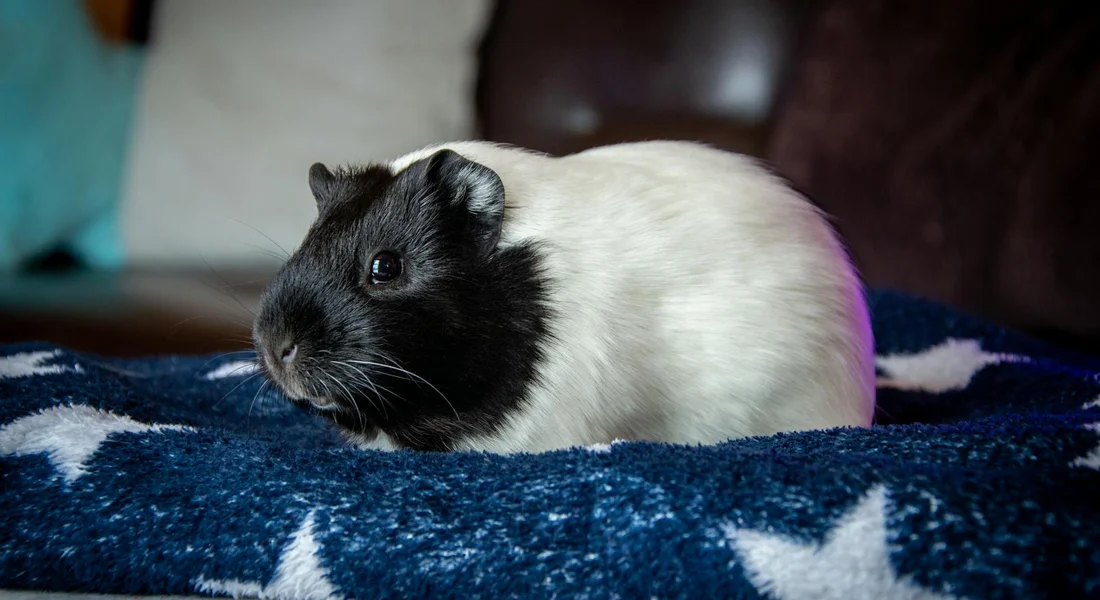
You might first notice tiny white flakes in your guinea pig’s fur, especially when you’re petting them or they’re moving around their habitat. Healthy guinea pigs do have a small amount of natural flaking, but excessive dandruff is a red flag. I’ve seen this with my own guinea pig, Biscuit; a light dusting is normal, but when it looked like a mini snowstorm, I knew something was off.
Differentiating Normal Shedding from Problems
Guinea pigs shed, just like other furry pets. Normal shedding is a continuous, light process. You’ll see a few loose hairs, and the skin underneath looks clean and pink. Problematic dandruff is different. The flakes are more noticeable and often come with other symptoms. Understanding your guinea pig’s shedding pattern helps you distinguish normal shedding from problems and points you toward practical solutions. This awareness guides grooming, nutrition, and veterinary care to keep your pet healthy.
- Normal Shedding: A few loose hairs, minimal flaking, no change in behavior, skin appears healthy.
- Problematic Dandruff: Persistent white flakes, fur might look a bit greasy or clumped, you might see your guinea pig scratching more than usual.
Pay close attention to their behavior. A happy, healthy guinea pig like my Clover will be active and eating normally, even while shedding. If the flaking is paired with lethargy or a poor appetite, it’s time for a closer look.
Dandruff vs. Mites and Other Skin Conditions
This is where things get tricky. Dandruff can sometimes be a symptom of a bigger issue, like mites. Dry skin might just need a diet adjustment, but mites are parasites that cause intense discomfort. I learned this the hard way when Pepper started losing patches of fur-it wasn’t just dandruff.
- Simple Dandruff: Often caused by low humidity, poor diet, or bathing too often. The skin is flaky but not necessarily inflamed.
- Mites (Mange Mites): Cause extreme itching, hair loss, and scabby skin. Your guinea pig may seem in pain and won’t want to be touched.
- Fungal Infections (Ringworm): Create circular, bald patches with crusty skin, unlike the general flakiness of dandruff.
Mites are a medical emergency for guinea pigs and require immediate veterinary treatment. Never try to diagnose or treat mites yourself, as some over-the-counter products are toxic to small animals.
Step-by-Step: Checking for Mites vs. Dandruff
You can do a simple, gentle check at home to get a better idea of what you’re dealing with. This can help you tell if your guinea pig is stressed or anxious. It also helps you tailor your care to keep them calm. Always handle your guinea pig with care and stop if they seem distressed.
- Create a Calm Environment. Sit with your guinea pig in a quiet, well-lit room. I find that talking softly to my pigs, like gentle Biscuit, helps keep them calm.
- Part the Fur. Use your fingers to gently separate the fur on their back and rump, looking closely at the skin underneath.
- Observe the Skin. Look for movement. Mites are microscopic, but you might see the flakes themselves moving slightly if it’s a condition called “walking dandruff” (cheyletiella mites).
- Check for Inflammation. Healthy skin is pink. Red, inflamed, or scabbed skin points strongly toward mites or infection, not simple dandruff.
- Monitor Their Reaction. When you touch the flaky areas, does your guinea pig flinch, scratch frantically, or squeak in pain? This is a major sign of mites.
If you see any signs of mites-hair loss, scabs, or intense scratching-you must contact your veterinarian right away. They can do a skin scraping for a definitive diagnosis and provide safe, effective treatment to relieve your pet’s suffering.
Treating Dandruff in Guinea Pigs
Bathing Your Guinea Pig for Dandruff
Bathing can help, but you must be incredibly gentle to avoid stressing your piggy’s skin. I only bathe my guinea pigs, like Pepper and Clover, a few times a year at most, and only when they genuinely need it. Over-bathing strips their skin of natural, protective oils, which can make dandruff much worse.
Use lukewarm water in a shallow basin and a shampoo made specifically for small animals. Human or dog shampoos are far too harsh and can cause serious skin irritation. Gently massage a tiny amount of shampoo into their fur, avoiding the head and ears entirely. Rinse thoroughly until the water runs completely clear, as any leftover residue can itch and flake.
After the bath, wrap your guinea pig in a soft, absorbent towel and hold them snugly until they are mostly dry. I always keep Biscuit in a warm, draft-free room until her long, Peruvian fur is fully dry to prevent chills. A hairdryer is far too hot and frightening for them, so patience and cozy towels are your best tools. To support their temperature heating needs, maintain a steady, warm room after drying and avoid drafts so they don’t chill quickly. This helps them stay comfortable as their coat dries.
When to Seek Veterinary Care
Sometimes, what looks like simple dandruff is a sign of something that needs a vet’s attention. If you see any of these signs, it’s time to schedule a veterinary appointment promptly. Don’t wait and hope it will clear up on its own.
- Large, greasy flakes that cling to the skin and fur.
- Visible bald patches or significant hair loss beyond normal shedding.
- Intense scratching, biting at the skin, or signs of pain.
- Red, inflamed skin, scabs, or open sores.
- A foul odor coming from their skin, which can indicate a fungal or bacterial infection.
From my own experience with Clover, a persistent flaky patch turned out to be a mild fungal issue that required medicated shampoo. A proper diagnosis from an exotic pet vet brings peace of mind and the right treatment. It’s always better to be safe and get professional guidance.
Preventing Dandruff and Promoting Skin Health
Diet and Nutrition for Healthy Skin
Beautiful skin starts from the inside out, and diet is the foundation. Guinea pigs cannot produce their own Vitamin C, so a daily supplement of fresh veggies is non-negotiable for healthy skin. So, how much vitamin C do guinea pigs need vitamin C daily? Most guidelines suggest about 25–35 mg per day. A deficiency can directly lead to a dry, flaky coat.
I make sure my herd gets a consistent mix of bell peppers, kale, and cilantro. Unlimited, high-quality timothy hay should make up about 80% of their diet, as the fiber is essential for overall health. A good, fortified pellet provides a solid nutritional base, but it’s the fresh foods that really make their coats shine.
Consider adding a small, occasional treat rich in omega fatty acids. A tiny flaxseed or a sliver of walnut can help nourish their skin from within, reducing dryness and flakiness over time. Always introduce new foods slowly to avoid upsetting their sensitive digestive systems.
Environmental Adjustments
Your guinea pig’s living space plays a huge role in their skin comfort. Low humidity is a common culprit for dry skin, so consider a small room humidifier if your home air is particularly dry. I notice my pigs’ skin looks best when our home humidity stays around 40-50%. Air quality also matters: household scents and chemicals can irritate guinea pigs’ sensitive airways and skin. Whenever you clean, use fragrance-free products and ensure good ventilation.
Their bedding choice matters immensely. I strongly recommend soft paper-based bedding over dusty wood shavings like pine or cedar, which can irritate their skin and respiratory systems. Spot-clean the cage daily and do a full bedding change at least once a week to keep their environment clean and comfortable.
Finally, ensure their habitat is in a calm, low-stress area of your home. Loud noises and constant disturbances can cause anxiety, which sometimes manifests as over-grooming or skin problems. A happy, relaxed guinea pig in a clean, well-humidified home is far less likely to struggle with dandruff.
FAQs
How do I know if my guinea pig has dandruff or mites?
Dandruff appears as small, white flakes with little irritation, while mites cause intense itching, hair loss, and crusty skin. If your guinea pig scratches constantly or has red, inflamed skin, seek veterinary care immediately for mites.
Should I bathe my guinea pig if it has dandruff?
Bathing can help remove flakes, but do it infrequently to prevent drying out their skin. Always use lukewarm water and a gentle, small animal-specific shampoo to avoid further irritation.
What shampoo is safe for guinea pig dandruff?
Choose a shampoo made specifically for small animals, as human or other pet shampoos can be toxic and irritate their sensitive skin. Opt for mild, moisturizing formulas that support skin health without harsh chemicals.
Is dandruff related to normal shedding in guinea pigs?
Normal shedding involves light flaking and loose hairs without other issues, while excessive dandruff often signals a problem like diet or parasites. Watch for changes in behavior or skin condition to distinguish between the two.
Can dandruff cause hair loss in guinea pigs?
Dandruff alone may not lead to hair loss, but it can accompany conditions like mites or fungal infections that do. If you notice bald patches along with flaking, consult a vet for proper diagnosis and treatment.
Your Guinea Pig’s Skin Health Journey
To keep your guinea pig’s skin healthy, always identify the root cause of any flaking-from simple dry skin to parasites-and never hesitate to consult a veterinarian for an accurate diagnosis. Providing a balanced diet rich in Vitamin C, maintaining a clean habitat, and gentle, regular grooming are your most powerful tools for prevention and care, along with knowing why your guinea pig is scratching and itching.
Being a proactive and educated pet owner means committing to lifelong learning about your guinea pig’s unique needs and choosing sustainable, eco-friendly products for their care. Your dedication to understanding and responsibly caring for your small friend ensures they live a long, comfortable, and happy life by your side. Emotional commitment in guinea pig ownership means showing up for them every day. They become a true companion who rewards your care with trust and affection.
Further Reading & Sources
- brown dandruff? – Guinea Lynx Forums
- What are Common Guinea Pig Skin Problems?
- r/guineapigs on Reddit: Tiny white flakes on my piggies. I’m panicking. Is this dandruff? The white pieces aren’t moving or anything. They have been scratching themselves a bit more than usual but otherwise ok. I read that piggies can have dandruff mites. Where would the mites come from?? I clean their cage weekly.
- My guinea pig has flaky skin and is scratching frequently. Any ideas? | Dial A Vet
Kate is a passionate guinea pig owner and advocate for small pet welfare. With over a decade of experience caring for guinea pigs, she has become a trusted voice in the small pet community.
Uncategorized