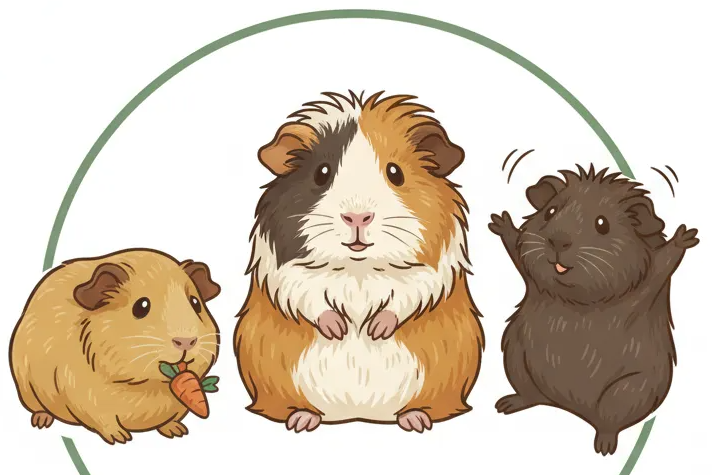
12 Vet Care Mistakes That Put Guinea Pigs at Serious Risk
Hello CavyFam, do you ever worry that a simple oversight in vet care could harm your guinea pig? Many loving owners unintentionally make errors that escalate into serious health threats.
In this article, I’ll explore critical mistakes like delaying vet visits, overlooking dental health, and ignoring dietary needs. Having cared for guinea pigs like Pepper, Clover, and Biscuit for years, I’ve faced and learned from these risks firsthand.
Dietary Dangers That Compromise Guinea Pig Health
One of the biggest mistakes I made early on was thinking my guinea pigs could self-regulate their food intake like some other pets.
Overfeeding pellets is a fast track to obesity, while skimping on hay leads to malnutrition and severe dental issues. My guinea pig Biscuit started gaining too much weight when I was overly generous with pellets, a lesson I learned the hard way.
Common Feeding Errors Leading to Obesity or Malnutrition
- Unlimited pellet access instead of measured daily portions
- Insufficient timothy hay, which should comprise 80% of their diet
- Treating with high-sugar fruits like bananas or grapes too frequently
- Assuming all commercial treats are safe without checking ingredients
- Not adjusting food amounts as guinea pigs age or become less active
Poisonous Foods to Strictly Avoid
I keep this list taped to my refrigerator because some human foods are dangerously toxic to guinea pigs.
- Onions, garlic, and chives – damage red blood cells
- Potatoes and tomato leaves – contain solanine
- Avocado – persin is highly toxic
- Chocolate, caffeine, alcohol – never under any circumstances
- Dairy products – they cannot digest lactose
- Meat or animal products – they are strict herbivores
Steps for Proper Portion Control and Balanced Nutrition
- Provide unlimited timothy hay – this keeps their digestive system moving and teeth worn down
- Measure pellets carefully – about 1/8 cup per pig daily
- Offer fresh vegetables twice daily – focus on leafy greens like romaine and cilantro
- Limit fruits to occasional treats – small pieces once or twice weekly
- Always remove uneaten fresh food within a few hours to prevent spoilage
The Critical Role of Vitamin C in Guinea Pig Care
Unlike most mammals, guinea pigs lost the ability to produce their own vitamin C through evolution.
This biological quirk means every meal must contribute to their daily vitamin C needs or they’ll develop scurvy within weeks. I learned this the scary way when Clover showed early deficiency symptoms.
Why Guinea Pigs Cannot Produce Their Own Vitamin C
Guinea pigs lack the enzyme L-gulonolactone oxidase needed for vitamin C synthesis.
Their bodies simply can’t convert glucose into ascorbic acid like ours can, making them completely dependent on dietary sources. This genetic mutation occurred in their evolutionary history and never corrected itself.
Symptoms of Vitamin C Deficiency
- Rough, unkempt coat despite regular grooming
- Reluctance to move or apparent joint pain
- Weight loss despite normal eating habits
- Bleeding gums or loose teeth
- Poor wound healing and increased susceptibility to infections
- Decreased appetite and general lethargy
Daily Sources and Supplementation Methods
Adult guinea pigs need 10-30mg of vitamin C daily, while pregnant or ill pigs require more.
Bell peppers have become my go-to source because they’re low in sugar and packed with vitamin C. I rotate colors for variety – red and yellow peppers contain nearly triple the vitamin C of green ones.
- Fresh vegetables: bell peppers, kale, broccoli, parsley
- Vitamin C tablets specifically formulated for guinea pigs
- Liquid vitamin C added to their water (change water daily)
- High-quality pellets with stabilized vitamin C (check expiration dates)
I found that offering vitamin C-rich foods in the morning ensures consistent daily intake when they’re most hungry.
Overlooked Dental Diseases and Malocclusion
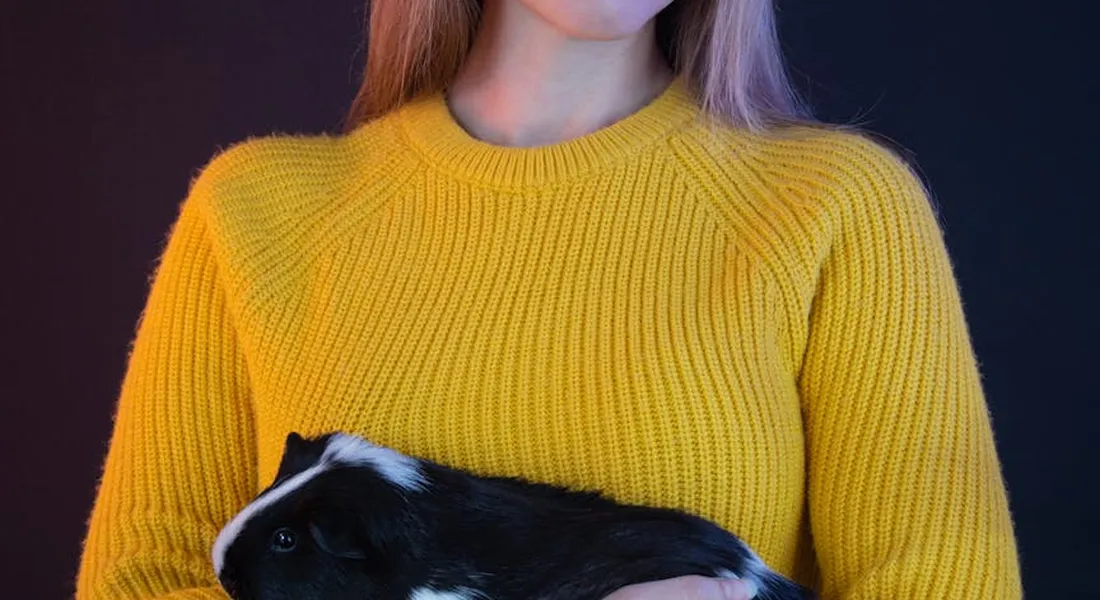
Guinea pig teeth grow continuously, and a poor diet is the primary reason they develop painful dental problems. Without enough hay to grind down their teeth, they can develop sharp points, spurs, and a painful condition called malocclusion where their teeth don’t align properly. I learned this the hard way when my guinea pig, Biscuit, stopped eating his pellets, and a vet discovered his molars had overgrown into his cheeks. Guinea pig dental health requires constant care.
- An imbalanced diet high in pellets and low in long-strand grass hay
- Insufficient abrasive chewing materials like untreated wood blocks
- Genetic predisposition, especially in certain breeds
Spotting trouble early saves your pet from immense suffering. Watch for subtle changes like dropping food, preferring softer vegetables, or pawing at the mouth. You might also notice weight loss, even if they seem to be eating, because chewing has become too painful.
- Drooling or wetness around the mouth and chin
- Selective eating, only consuming favorite soft foods
- Visible overgrowth of the front incisors
- Reduced fecal output due to lower food intake
I now schedule dental check-ups for all my guinea pigs every six months. A veterinarian can spot developing spurs and overgrowth long before you see obvious symptoms, preventing a full-blown emergency. They use a special tool called an otoscope to see the back molars clearly.
Housing Hazards and Environmental Stress
Cramped living quarters create both physical and psychological stress for guinea pigs. The absolute minimum cage size for one or two guinea pigs is 7.5 square feet, but I always recommend aiming for 10.5 square feet or more for true comfort. My three girls, Pepper, Clover, and Biscuit, thrive in a large C&C cage that gives them separate areas for eating, sleeping, and playing. If you’re wondering about the exact space guinea pigs need, our complete space requirements guide covers it. It breaks down minimums, recommended sizes, and layout ideas to keep them thriving.
- 7.5 sq ft is the bare minimum (e.g., 30″ x 36″)
- 10.5 sq ft is highly recommended for pairs (e.g., 42″ x 36″)
- Add 2+ sq ft for each additional guinea pig
Poor air circulation and incorrect temperatures are silent killers. Ammonia from urine builds up quickly in poorly ventilated cages, leading to severe respiratory infections. I always keep their cage in a well-ventilated room away from direct sunlight and drafts. Guinea pigs cannot sweat or pant effectively, making them extremely vulnerable to heatstroke. Air quality matters—household scents and cleaning chemicals can irritate their airways. Use unscented cleaners and ensure good ventilation to protect their lungs.
- Ideal temperature range: 65°F to 75°F (18°C to 24°C)
- Danger zone: Anything above 80°F (27°C) risks heatstroke
- Signs of heat stress: Lethargy, sprawled posture, rapid breathing
Choosing the right toys and enrichment items prevents boredom and injury. Always avoid plastic tubes and wheels, as these can trap legs and cause spinal injuries. I provide my herd with simple cardboard boxes, paper bags stuffed with hay, and untreated willow balls. They love tunneling through fleece forests, which I make by cutting strips in a fleece blanket hung over part of their cage.
- Safe: Paper tubes, untreated wood chews, fleece items
- Unsafe: Exercise wheels, plastic igloos with small doors, rubber toys
- Enrichment: Hideouts with multiple exits, foraging trays, hay racks
Bedding Blunders and Cage Cleanliness
Selecting the wrong bedding can silently harm your guinea pig’s respiratory system over time. I learned this firsthand with my trio—Pepper, Clover, and Biscuit—when Clover developed a slight cough from dusty wood shavings. That’s why this ultimate guide on safe bedding options for guinea pigs matters. It walks you through the best, low-dust choices to keep their respiratory systems healthy.
- Paper-based bedding is highly absorbent and low-dust, reducing irritation risks for sensitive lungs like Biscuit’s.
- Avoid cedar or pine shavings; their natural oils release phenols that can cause liver damage and breathing issues.
- Fleece liners offer a soft, reusable option but require diligent washing to prevent bacterial buildup.
Stick to a consistent cleaning schedule to keep ammonia levels in check. Here’s my step-by-step routine that has kept my guinea pigs healthy and happy.
- Spot-clean soiled areas daily to remove wet bedding and droppings.
- Perform a full cage scrub weekly using a mild, pet-safe disinfectant.
- Replace all bedding completely every 7 days to minimize odor and moisture.
- Wash food bowls and water bottles with hot water to prevent mold growth.
Dirty environments are a direct path to respiratory infections like pneumonia. Ammonia from urine accumulates quickly, irritating delicate airways and making guinea pigs prone to illness.
Delaying Veterinary Visits and Checkups
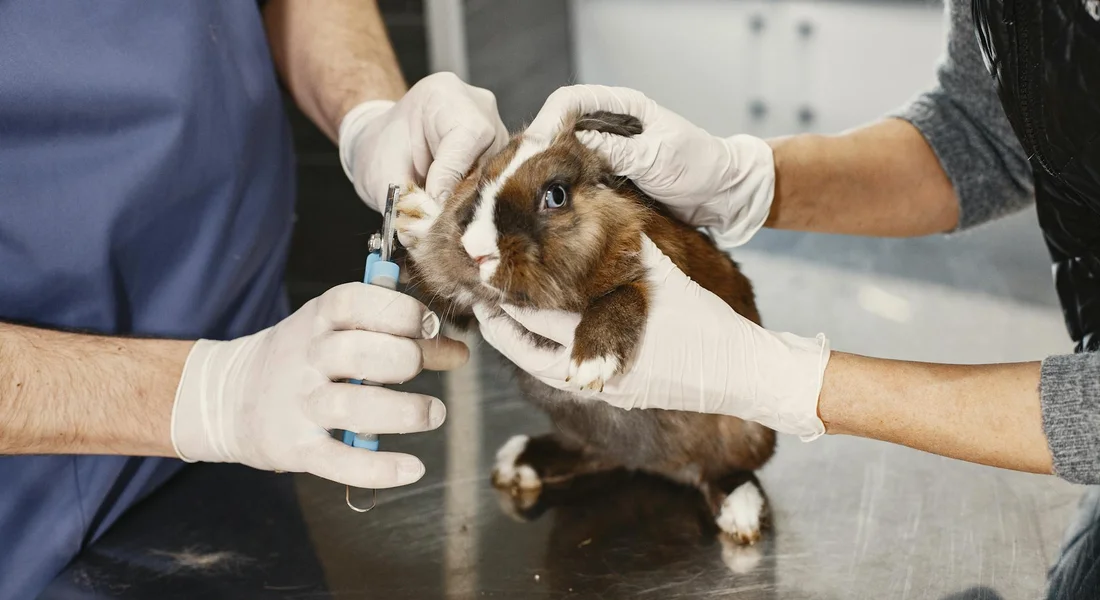
Guinea pigs hide illness well, so noticing subtle changes early can save their life. When Pepper seemed less active, I caught a vitamin C deficiency just in time.
- Watch for reduced appetite or weight loss-Biscuit’s slight drop in eating signaled a dental problem.
- Listen for unusual sounds like wheezing or labored breathing, which Clover exhibited before a URI.
- Note behavioral shifts such as hiding more or decreased social interaction.
- Check for dull fur or crusty eyes, common signs of underlying health issues.
Annual vet checkups are non-negotiable for catching hidden ailments. These visits help monitor teeth growth, weight, and overall wellness in aging pets like my 3-year-old Clover.
Anesthesia poses high risks for guinea pigs, so always discuss alternatives with your vet. I ensure my vet uses gas anesthesia with close monitoring to lower stress and complications. Guinea pigs can die from shock if their vital signs aren’t monitored during anesthesia, so understanding these risks is crucial. This awareness helps you advocate for safer care.
Minimize stress during visits by bringing a familiar blanket or their favorite veggie treat. Keeping them calm supports recovery and makes the experience safer for everyone.
Selecting the Right Veterinary Care Partner

Finding a vet who truly understands guinea pigs can feel overwhelming, but it’s a step you can’t skip for your pet’s health. I learned this the hard way when my guinea pig Pepper showed subtle signs of illness that a general vet missed, highlighting why exotic specialists are essential.
Guide for Finding Exotic Pet Veterinarians
Start by searching for vets certified in exotic animal care through organizations like the Association of Exotic Mammal Veterinarians. Look for clinics that list guinea pigs specifically on their website or in reviews, as this indicates real hands-on experience. If you’re aiming to find an exotic veterinarian near you, prioritize clinics within a short drive and check their emergency hours. A nearby option can make it easier to get timely advice for urgent guinea pig care. From caring for my trio-Pepper, Clover, and Biscuit-I’ve found that asking other guinea pig owners in online forums or local groups often leads to trusted recommendations. Here’s a simple checklist to follow:
- Check online directories for exotic vet listings and read recent client testimonials.
- Call clinics to ask if they have staff trained in guinea pig anatomy and common ailments.
- Schedule a brief meet-and-greet visit to observe how the vet interacts with small pets.
Questions to Ask When Evaluating Vet Experience
Don’t hesitate to interview potential vets to ensure they’re a good fit for your guinea pig’s needs. Ask about their familiarity with issues like dental malocclusion or respiratory infections, which are common in breeds like my Peruvian, Biscuit. Consider the questions you’ll ask a potential guinea pig veterinarian to gauge their fit. The right questions dig into guinea pig-specific care and emergency readiness. I always bring a list of questions to appointments to make informed decisions. Use this as a starting point:
- How many guinea pigs do you treat each month, and what’s your success rate with surgeries?
- What preventive care plans do you recommend for diet and habitat to avoid emergencies?
- Can you explain your approach to pain management and anesthesia for small animals?
Importance of Spaying/Neutering Discussions
Bringing up spaying or neutering early can prevent serious health risks and support animal welfare by reducing overpopulation. For instance, after discussing options with my vet, I opted to spay Clover to lower her risk of ovarian cysts, a common issue in older females. This proactive talk helped me understand the benefits, like fewer behavioral problems and longer lifespan. Always ask your vet about:
- The ideal age for the procedure and any breed-specific considerations.
- Post-surgery care steps to ensure a smooth recovery at home.
- How spaying/neutering aligns with ethical pet ownership and reduces shelter intake.
FAQs
How can you avoid overfeeding a guinea pig?
Measure pellets to about 1/8 cup daily and provide unlimited timothy hay to support digestion. Limit sugary treats and monitor their weight to adjust portions as needed for a balanced diet.
What bedding is best for a guinea pig and why?
Paper-based bedding is highly recommended because it is absorbent and low-dust, reducing respiratory risks. Avoid cedar or pine shavings, as their oils can cause liver damage and breathing issues.
How often should you clean a guinea pig cage?
Spot-clean soiled areas daily to remove waste and prevent ammonia buildup. Perform a full cage cleaning weekly with a pet-safe disinfectant to maintain a healthy environment.
What signs indicate a guinea pig is stressed or sick?
Watch for reduced appetite, weight loss, or unusual sounds like wheezing that may signal illness. Behavioral changes such as increased hiding or lethargy can also indicate stress or health problems.
Why is vitamin C important for guinea pigs and how to provide it?
Guinea pigs cannot produce vitamin C, making it essential to prevent scurvy and support immune function. So, how much vitamin C do guinea pigs need daily? For most adult guinea pigs, roughly 10–25 mg per day is typical, depending on size. Provide it through daily vitamin C-rich foods like bell peppers or supplements to meet their dietary needs.
Your Guinea Pig’s Health Journey: A Caring Conclusion
Based on my years with Pepper, Clover, and Biscuit, I urge you to prioritize regular vet check-ups and stay alert to subtle changes in behavior or appetite. Simple steps like monitoring weight and providing a balanced diet can prevent many emergencies and deepen your bond with your pets.
Embrace responsible ownership by continuously learning about guinea pig care and choosing eco-friendly options, such as biodegradable bedding or homemade toys. Properly caring for guinea pigs means meeting their daily needs with affection and consistency. This includes safe housing, fresh hay, and regular vet checks. Your commitment to their well-being and the planet ensures a joyful, sustainable life for your furry companions.
Further Reading & Sources
- Top 15 Guinea Pig Care Mistakes to Avoid for a Happy Pet
- Routine Health Care of Guinea Pigs – All Other Pets – Merck Veterinary Manual
- Guinea Lynx :: What The Vet Will Do
- Care of Guinea Pigs Introduction
Kate is a passionate guinea pig owner and advocate for small pet welfare. With over a decade of experience caring for guinea pigs, she has become a trusted voice in the small pet community.
Uncategorized