Commercial Treats vs. Fresh Vegetables: A Health & Cost Showdown
Hello, CavyFam! Choosing between a colorful store-bought treat and a simple piece of bell pepper can feel confusing. You want to spoil your guinea pigs, but you also worry about what’s truly best for their health and your wallet.
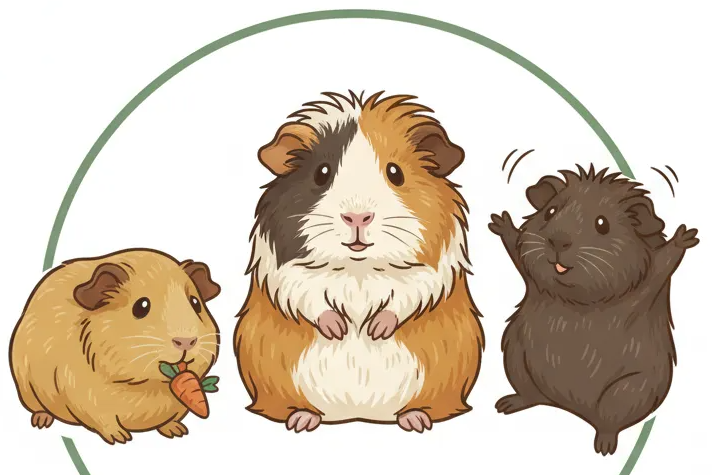
In this article, we’ll break down the pros and cons of each option, covering nutritional value, ingredient quality, long-term costs, and simple feeding tips. I’ve learned a lot from caring for my own guinea pigs, Pepper, Clover, and Biscuit, and I’m here to share that real-life experience with you.
Understanding the Nutritional Impact on Guinea Pig Health
Fresh vegetables deliver a powerhouse of nutrition that processed snacks simply cannot match. I consistently see my guinea pigs, Pepper, Clover, and Biscuit, perk up with energy after their daily fresh veggie medley.
Compare fiber, vitamins, and minerals in fresh produce versus processed snacks
Think of fresh produce like bell peppers and romaine lettuce as a complete, living multivitamin. Fresh greens are packed with readily available Vitamin C, crucial for preventing scurvy, a common and dangerous ailment for guinea pigs. Commercial treats often lose these delicate vitamins during high-heat processing. The fiber in fresh veggies is also superior; it’s the long-strand, structural fiber that keeps their digestive systems moving smoothly, unlike the ground and reconstituted fiber found in many pellets and biscuits. When planning the ideal overall diet for a healthy guinea pig, balance fresh greens with constant access to hay and a measured amount of fortified pellets. This trio supports gut health, dental wear, and steady vitamin intake.
Explain risks of sugar, additives, and preservatives in commercial treats
Many commercial treats are loaded with hidden sugars, like molasses or fruit juice concentrates, to make them more appealing. These sugars can disrupt the delicate balance of bacteria in your guinea pig’s gut, leading to bloating, diarrhea, and discomfort. I’ve noticed Biscuit, my Peruvian, is particularly sensitive to these. Additives and artificial colors serve no nutritional purpose for your pet and can introduce unnecessary chemicals into their small bodies. Their systems are not designed to process these modern food inventions.
Discuss how dietary choices affect obesity and chronic disease prevention
A diet heavy in calorie-dense, sugary treats is a fast track to an overweight guinea pig. Obesity puts immense strain on their tiny joints and can lead to serious conditions like heart disease and pododermatitis (sore hocks). By choosing fresh, low-calorie vegetables, you are actively managing their weight and providing the tools their body needs to fight off illness. A healthy diet builds a resilient immune system from the inside out. Understanding daily food and calorie requirements is crucial for preventing such health issues.
Cost-Effectiveness: Budgeting for Your Pet’s Diet
While a bag of commercial treats might seem cheaper upfront, the long-term math tells a different story for both your wallet and your pet’s health.
- Calculate long-term price differences between fresh vegetables and packaged treats
Let’s break it down. A bag of branded yogurt drops might cost $5 and last two weeks if you follow proper feeding guidelines. For that same $5, you can buy a head of romaine lettuce, a bell pepper, and a bundle of cilantro that will feed three guinea pigs for nearly a week. Over a year, the fresh vegetable approach often costs significantly less while providing exponentially better nutrition.
- Provide strategies for affordable produce shopping and storage
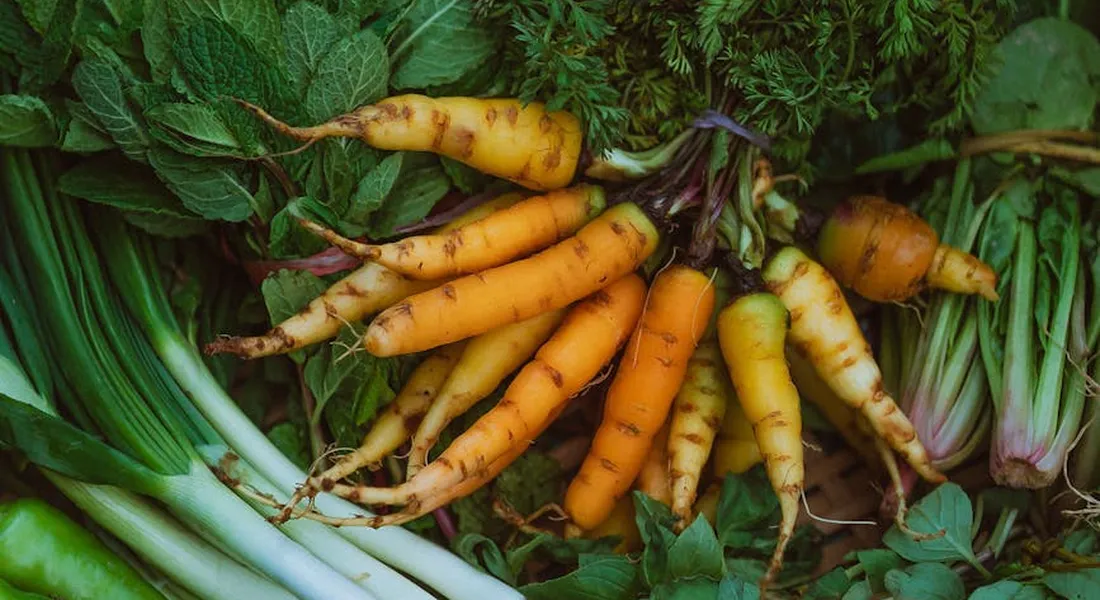
I save money by buying seasonal vegetables and shopping at local farmers’ markets, where produce is often fresher and cheaper. Learn which parts of vegetables are safe for your pets; for instance, carrot tops are a fantastic, free treat if you buy whole carrots. Proper storage is key. I wash and dry my greens, then store them in airtight containers with a paper towel to absorb moisture, making them last much longer.
- Compare value per serving and nutritional return on investment
One serving of a commercial treat might offer a fleeting sugar rush. One serving of fresh kale offers Vitamin C, Vitamin K, calcium, and fiber. When you measure value by nutritional density per penny, fresh vegetables are the undisputed champion. You are investing directly in your guinea pig’s vitality and potentially saving on future vet bills.
Creating a Sustainable Feeding Plan
- Establish proper moderation guidelines for treats versus staples
Fresh vegetables should be the daily staple, not the exception. I follow a simple rule: commercial treats are a “sometimes” food, offered no more than once or twice a week and in tiny, pea-sized portions. Their main diet must be unlimited grass hay, a measured amount of quality pellets, and a daily cup of fresh veggies per pig.
- Outline weekly meal planning with cost-effective fresh options
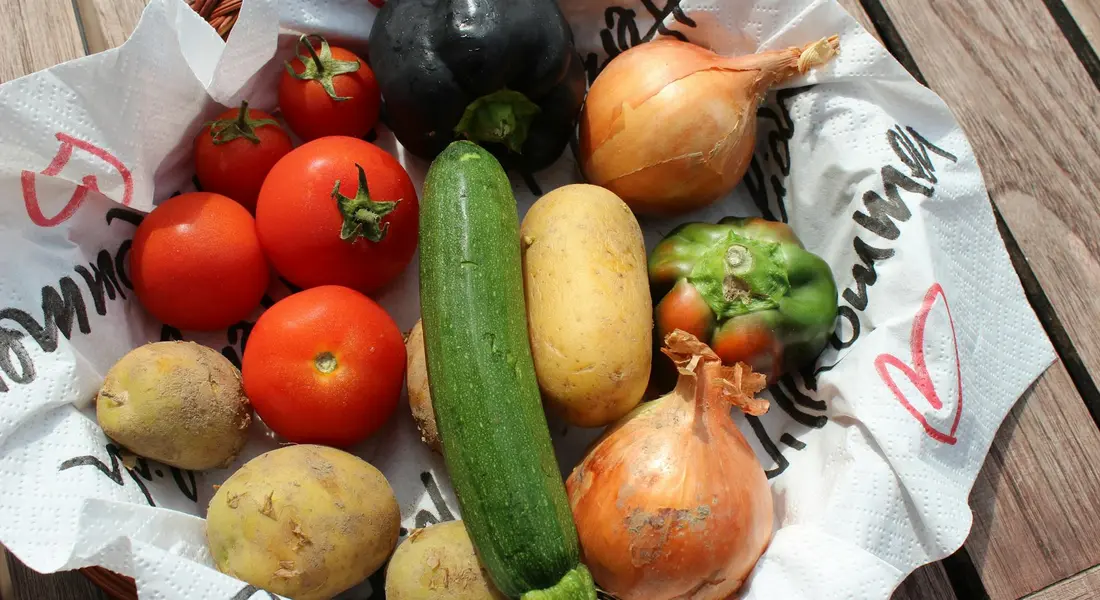
My weekly shopping list is simple and rotates to keep things interesting. I build meals around staples like romaine lettuce and bell peppers, then add in affordable extras like cucumber slices, zucchini, and the occasional bit of parsley. This variety ensures they get a wide range of nutrients without breaking the bank. I avoid expensive, out-of-season fruits entirely.
- Balance nutritional needs with budget constraints
You don’t need exotic, expensive foods to feed your guinea pigs well. Some of the most nutritious options, like dandelion greens from a pesticide-free yard, are completely free. Focus on the core group of guinea pig-safe vegetables that are consistently affordable in your area. Your pet’s health thrives on consistency and quality, not on price tags.
Health Risks of Imbalanced Treat Feeding
-
Identify symptoms of overfeeding commercial snacks: You might notice your guinea pig gaining weight quickly or acting unusually lazy. Watch for soft or irregular poop and reduced activity-these often mean too many processed treats. I saw this with Pepper when he started avoiding his wheel after extra store-bought snacks; cutting back made him perk up again. It’s important to understand how to monitor your guinea pig’s digestive health to prevent such issues.
-
Explain consequences of insufficient fresh vegetable intake: Without enough veggies, guinea pigs can develop scurvy from vitamin C deficiency. Signs include rough fur, weak joints, and poor appetite that need quick attention. Clover’s coat lost its softness once when I skimped on greens, reminding me how vital fresh produce is for their well-being.
-
Monitor weight and digestive health through dietary adjustments: Weigh your pet weekly and observe their droppings for changes. Adjust veggie portions based on activity and weight to keep them in top shape. With Biscuit, I track his diet closely and increase leafy greens if he seems sluggish-it’s a simple way to prevent health issues.
Safe Vegetable Selection and Preparation
-
List top nutrient-rich fresh produce options: Focus on veggies high in vitamin C and fiber for optimal health. My favorites include bell peppers, kale, and cilantro because they’re packed with essential nutrients. Pepper adores red bell peppers, and I’ve noticed his vibrant energy after adding them to his meals.
- Bell peppers: Excellent source of vitamin C, low in sugar.
- Kale: Rich in vitamins but offer in moderation to avoid excess calcium.
- Cilantro: Adds flavor and antioxidants without high calories.
-
Demonstrate proper washing and portioning techniques: Rinse all vegetables under cool running water to remove pesticides. Cut produce into small, bite-sized pieces to prevent choking and ease digestion. I always wash greens thoroughly for Clover and slice them thinly-this keeps her safe and happy during snack time.
-
Create simple, healthy treat recipes using fresh ingredients: Mix mashed carrots with a handful of hay for a wholesome snack. Blend spinach and cucumber into a puree and freeze it in ice cube trays for a refreshing summer treat. Biscuit loves when I make these, and it’s a fun way to ensure he gets nutrients without artificial additives.
Evaluating Commercial Treat Ingredients
When I first brought home Pepper, I was overwhelmed by the colorful bags of commercial treats at the pet store. Reading ingredient labels carefully can prevent health issues like obesity and dental problems in your guinea pigs. My own experience taught me that many treats marketed as “healthy” are packed with hidden sugars and artificial additives.
-
Decode packaging labels for hidden sugars and additives by looking for terms like “molasses,” “corn syrup,” or “artificial flavors.” I always check the first three ingredients, as they make up the bulk of the treat, and avoid anything with high fructose corn syrup after seeing Biscuit gain weight from a sugary snack. Watch out for preservatives like BHA or BHT, which can harm your pet’s digestive system over time.
-
Compare nutritional profiles of popular commercial products by examining fiber, protein, and vitamin C levels. For example, I found that dried fruit treats often have lower fiber and higher sugar than pellet-based options, which helped me choose better for Clover’s sensitive stomach. Aim for treats with at least 10-15% fiber and added vitamin C, as guinea pigs can’t produce it naturally.
-
Establish criteria for occasional treat selection by setting simple rules like no added sugars, minimal processing, and whole-food ingredients. I stick to treats with fewer than five recognizable ingredients, which has kept my guinea pigs healthier and more energetic. Prioritize options that mimic their natural diet, such as hay-based treats, to support their well-being. In proper guinea pig care, treats should be occasional and part of a balanced diet, not a daily habit. Always observe your guinea pigs for any signs of discomfort after introducing new treats.
Making Informed Shopping Decisions
-
Prioritize treats with minimal processing and maximum nutritional value by choosing air-dried or freeze-dried vegetables over baked or extruded ones. I’ve noticed that less processed treats, like plain dried bell peppers, retain more nutrients and are easier for guinea pigs to digest without upsetting their stomachs. Look for products that list whole foods first, such as timothy hay or carrots, to ensure they’re getting real benefits. This aligns with the idea behind the top 10 guinea pig diet mistakes that lead to serious health issues. By prioritizing whole foods and minimally processed treats, you can avoid these common errors and protect your pet’s health.
-
Balance convenience with health considerations by keeping a mix of ready-made and fresh options on hand. While commercial treats are handy for busy days, I make a habit of supplementing with fresh veggies like romaine lettuce to provide variety and reduce reliance on packaged foods. This approach saves time without compromising their diet quality.
-
Identify red flags in ingredient lists and marketing claims by being wary of words like “natural flavors” or “grain-free” that might hide poor quality. I learned to avoid treats with vague descriptions after one caused digestive issues for Pepper; instead, I opt for brands that clearly state ingredient sources and nutritional values. Steer clear of products with artificial colors or excessive fillers, as they offer little nutritional value and can lead to health problems.
Implementing a Balanced Feeding Routine
Creating a consistent feeding schedule has made a huge difference for my guinea pigs’ health and happiness. Sticking to a routine helps prevent overfeeding and ensures they get the right mix of nutrients from both treats and staples. I adjust based on each pig’s personality-like giving Biscuit smaller portions since she’s less active. So, what do normal guinea pig eating habits look like? In general, they nibble hay all day and enjoy small portions of pellets and fresh greens.
-
Establish daily and weekly treat frequency guidelines by limiting commercial treats to once or twice a week and fresh veggies daily. I follow a rule of thumb: no more than a teaspoon of commercial treats per guinea pig per week to avoid weight gain and digestive upset. For fresh options, offer a small handful of veggies like cucumber or kale each day, rotating types to keep things interesting. Remember: guinea pigs should be fed daily to support digestion and energy. A consistent daily routine helps you monitor portions and keep treats in check.
-
Create visual feeding charts for diet tracking using a simple calendar or app to log what you feed and when. I use a colorful chart on my fridge that shows treat days and veggie rotations, which helps me spot patterns and adjust for each pig’s needs, like Clover’s preference for leafy greens. This makes it easy to ensure variety and monitor for any adverse reactions.
-
Adjust portions based on individual guinea pig needs and activity levels by observing their behavior and weight. Pepper, being more laid-back, gets slightly fewer treats than the others to maintain a healthy weight, while I increase portions for active times like play sessions. This aligns with a guinea pig weight guide that defines healthy weight ranges and the importance of regular monitoring. Tracking weight trends helps you fine-tune portions for long-term balance. Regularly weigh your guinea pigs and consult a vet if you notice changes, as this personalized approach supports long-term health.
FAQs

Can guinea pigs eat frozen vegetables as treats?
Yes, but always thaw them completely and check for no added salts or preservatives. Frozen veggies can be a budget-friendly alternative, though fresh ones typically retain more nutrients for optimal health.
How can I make treat time more engaging for my guinea pig?
Hide small pieces of fresh vegetables in hay or use safe foraging toys to stimulate natural behaviors. This encourages activity and mental enrichment while keeping treat intake controlled and fun.
What should I do if my guinea pig refuses to eat fresh vegetables?
Introduce new veggies slowly by mixing them with familiar favorites to avoid startling your pet. Persist with small, varied offerings, as it can take time for them to accept new foods based on taste and texture.
My Final Take on Guinea Pig Treats
From my time with Pepper, Clover, and Biscuit, I’ve learned that fresh vegetables provide superior nutrition and are far more budget-friendly than processed commercial treats. Stick to fresh veggies as the mainstay and use store-bought treats only for rare, special occasions to support your pet’s well-being.
Keep exploring guinea pig care with an eye toward sustainable practices, like growing your own herbs or composting scraps. In our complete guide foraging your guinea pig, you’ll learn safe greens and how to portion them. This keeps meals tasty, nutritious, and sustainable. Your commitment to learning and eco-friendly habits ensures a happier, healthier life for your furry friends and our shared environment.
Further Reading & Sources
- 15 healthiest vegetables: Nutrition and health benefits
- r/nutrition on Reddit: Should we skip fruits and eat more vegetables?
- Which are better for you, fruits or vegetables? A definitive answer | The Seattle Times
- Vegetables and Fruits • The Nutrition Source
Kate is a passionate guinea pig owner and advocate for small pet welfare. With over a decade of experience caring for guinea pigs, she has become a trusted voice in the small pet community.
Uncategorized