Single-Level vs. Multi-Level Cages: A Safety & Enrichment Analysis
Published on: March 11, 2026 | Last Updated: March 11, 2026
Written By: Kate M. Callahan
Hello CavyFam! Choosing the right home for your guinea pigs can feel overwhelming. You want a space that’s both safe and fun, but which cage style truly delivers?
In this guide, we’ll break down the pros and cons to help you decide. We will cover safety considerations, enrichment benefits, ease of cleaning, space efficiency, and long-term cost and value.
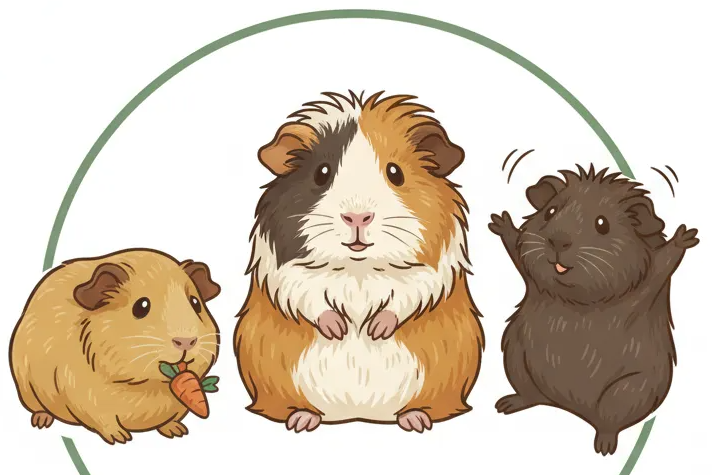
My own herd-Pepper, Clover, and Biscuit-has lived in both setups, giving me firsthand experience with what works and what doesn’t.
Understanding Cage Levels and Their Impact on Guinea Pigs
A single-level cage is like a spacious ranch-style home, with all living space on one flat surface. This layout provides uninterrupted floor space, which encourages natural herd behavior and foraging instincts.
A multi-level cage, on the other hand, adds vertical space with platforms connected by ramps. Think of it as a two-story house that can increase the usable area without expanding the cage’s footprint on your floor.
Your choice directly influences your pets’ daily life and long-term health. Guinea pigs are prey animals by nature, and their environment must feel secure to prevent chronic stress. Properly caring for guinea pigs means meeting their basic needs: clean housing, fresh hay and water, vitamin C, and social interaction. Regular veterinary checkups and safe handling are also part of proper guinea pig care. The wrong setup can lead to anxiety, while the right one promotes natural behaviors like popcorning and exploring.
From my own herd, I’ve seen how personalities react differently. My gentle guinea pig, Pepper, thrives in a single-level space where he can always keep an eye on his companions. My more adventurous Abyssinian, Clover, enjoys the gentle challenge of a well-designed ramp.
| Feature | Single-Level Cage | Multi-Level Cage |
|---|---|---|
| Space Use | Maximizes continuous floor area for running | Adds vertical territory, creating separate zones |
| Animal Interaction | Encourages constant group contact and bonding | Allows for temporary solitude and quiet breaks |
| Best For | Young, elderly, or less agile pigs | Confident, active explorers |
Safety Considerations: Preventing Injuries in Your Guinea Pig’s Home
-
Common hazards are often overlooked in our excitement to create a fun habitat. Falls from even modest heights can cause severe injuries like broken bones or spinal damage. Improper ramps are a major culprit if they are too steep, slippery, or lack side rails.
Unsafe flooring materials include wire mesh that can trap tiny feet and cause painful bumblefoot. I always check that any platform is solid and covered with a soft, absorbent material like fleece.
-
Watch for stress indicators that signal your guinea pig feels unsafe. Excessive hiding, especially in a normally social pig, is a red flag that their environment is causing anxiety. Reduced activity or a sudden lack of interest in food can mean they are avoiding a perceived danger, like a shaky ramp. Recognizing these cues can help you watch for stress indicators and determine if your guinea pig is stressed or anxious. With that knowledge, you can adjust their environment to ease their worries.
My reserved Peruvian, Biscuit, taught me this lesson. When I first introduced a loft, she stopped popcorning and spent most of her time in one hidey, which told me the new level was stressing her out.
-
Follow these steps for a thorough risk assessment in any cage type.
- Inspect all ramps daily for stability and secure attachment.
- Ensure ramp inclines are gentle, ideally no steeper than a 30-degree angle.
- Cover any wire surfaces completely with a solid, comfortable material.
- Remove any sharp edges or small gaps where a head or limb could get stuck.
- Place food, water, and hay on the main level so no pig is forced to climb while hungry or thirsty.
A safe cage is one where your guinea pigs can move freely without you worrying about their well-being.
-
Personal monitoring is your best tool for safety. I spend the first ten minutes of my morning just watching my guinea pigs interact with their home before I even clean or feed them. This quiet observation helps me spot any hesitation or difficulty navigating their space. This same vigilance helps me avoid the five critical safety mistakes during guinea pig floor time. Staying observant keeps them safe and stress-free.
I learned to watch their body language on ramps. If a guinea pig pauses frequently, slips, or seems to struggle for footing, that ramp needs an immediate redesign for better traction and safety.
Enrichment and Behavioral Benefits: Boosting Your Pig’s Quality of Life
Watching my guinea pigs, Pepper, Clover, and Biscuit, explore their home taught me that vertical space isn’t just about height-it’s about mimicking the layered environments they’d encounter in the wild. Adding levels or complexity encourages natural behaviors like climbing and foraging, which keeps their minds sharp and bodies active. In single-level cages, you can create depth with tunnels and low platforms, but multi-level setups offer a richer tapestry of exploration that reduces boredom and stress.
Compare the enrichment opportunities: single-level cages excel with ground-level hideouts and sprawling hay areas, while multi-level designs introduce ramps and elevated platforms that invite playful climbs. From my experience, Biscuit’s reserved nature blossomed when she had a cozy upper hideaway to retreat to, away from the busier ground floor. Use sensory-rich elements like soft fleece pads, rustling hay racks, and chewable wooden ledges to create an engaging habitat that feels safe and stimulating.
- Single-level cages: Focus on horizontal complexity with multiple hiding spots and foraging toys to prevent monotony.
- Multi-level cages: Incorporate gentle ramps and staggered platforms to promote exercise and reduce territorial squabbles.
Linking cage design to animal welfare is key; a well-planned enclosure supports positive outcomes like reduced anxiety and healthier social interactions. I’ve noticed Clover’s graceful movements improve with tiered spaces that let her survey her domain, boosting her confidence over time. Aim for environments that blend comfort with curiosity, using varied textures and heights to nurture your pig’s innate instincts.
Design and Setup: Crafting a Comfortable and Secure Enclosure
-
Outline key design considerations to prevent injuries and escapes. Ramp angles should be shallow, ideally under 30 degrees, with textured surfaces for secure footing-I learned this after Pepper slipped on a steep ramp early on. Plan escape routes by ensuring all openings are small enough to avoid squeezes, and use solid barriers to minimize falls from heights.
-
Provide steps for adequate space based on enclosure standards. Start with a minimum of 7.5 square feet per guinea pig, but aim for 10-12 square feet to allow for free movement and reduce conflicts. For multi-level cages, calculate total usable area across all floors, not just the footprint, to meet these guidelines effectively. This space-focused approach is essential when you build a setup for a perfect guinea pig cage. A well-sized cage supports activity, health, and easy cleaning.
-
Cover materials selection for safety and ease of maintenance. Choose non-toxic, chew-resistant options like corrugated plastic or powder-coated metal, which are durable and simple to wipe clean. Avoid wire floors that can hurt delicate feet, and opt for fleece liners or aspen bedding for comfort and absorbency.
-
Share DIY-friendly tips to enhance ergonomics and monitoring. Adapt cages by adding removable panels or zip-tied grids for easy access during cleaning and health checks. From my setup with Clover and Biscuit, I elevated food dishes on low platforms to reduce mess and improve visibility, making daily care smoother and less intrusive.
Cost, Maintenance, and Long-Term Care Comparison

Let’s talk about money and upkeep, two huge factors in any pet purchase. Your budget affects your options, but smart planning can stretch your dollars further for your guinea pigs’ comfort. A realistic monthly and annual cost breakdown of costs—food, housing, litter, vet visits, and toys—helps you budget effectively for guinea pig care. We’ll walk through what to expect each month and across the year.
Breaking Down the Costs
The price tag is often the first thing we notice. A basic single-level cage is generally the most affordable upfront option. Multi-level cages, with their extra ramps, platforms, and structural complexity, almost always carry a higher initial cost.
- Initial Expense: Single-level cages win on pure entry price. You are paying for floor space. Multi-level cages charge for vertical real estate and engineering.
- Ongoing Expenses: This is where it gets interesting. A larger single-level cage will use more disposable bedding across its entire floor. A multi-level cage might use less bedding on upper levels if you use fleece liners, but you’ll spend more on spot-cleaning supplies and potential ramp traction fixes.
Maintenance and Cleanability
Cleaning is a non-negotiable part of guinea pig ownership. I’ve found that a single-level cage is undeniably faster and simpler to do a full, deep clean. This setup fits into a complete guinea pig hygiene cleaning routine, helping you keep every corner sanitary with less effort. You can access every corner without disassembling ramps or navigating around platforms.
- Single-Level Cleaning: Remove pigs, scoop out old bedding, wipe down, add new bedding. It’s a straightforward process I can do in under 20 minutes for my herd’s main enclosure.
- Multi-Level Cleaning: This is a more involved project. You must clean each level, scrub ramps (which can get surprisingly dirty), and ensure all connections are secure during reassembly. It becomes a weekly deep-clean event rather than a quick daily task.
Adaptability and Upgrades
Your guinea pigs’ needs will change over time. Planning for future modifications without causing stress is a hallmark of thoughtful pet care. A single-level C&C (Cubes & Coroplast) cage is the champion of adaptability. You can easily expand it by adding more grids. My first cage for Pepper was a 2×3 grid, which I later expanded to a 2×5 as I learned he needed more zoomie space. For beginners following the best cage setup guide for new guinea pigs, start with a spacious, safe layout and plan for growth. This keeps stress low during transitions and makes it easy to scale up from a starter 2×3 to a more roomy 2×5 or larger as your pig settles in.
Converting a single-level to a multi-level is a major project that involves buying new parts and can disrupt your pets’ environment for a day or more. Adding a simple, secure loft is often a better middle ground than a full multi-level conversion.
Real-Life Eco-Conscious Choices
From my own experience, the most budget-friendly and sustainable choice was building a C&C cage. I used repurposed grids and a coroplast sign from a local shop, creating a massive single-level home for a fraction of the cost of a commercial multi-level unit. I use a combination of paper-based bedding and washable fleece pads, which reduces waste and long-term cost. This setup has proven incredibly durable and adaptable for my three pigs with different personalities.
Making the Right Choice: Tailoring the Cage to Your Guinea Pig’s Needs
Choosing a cage isn’t about what looks coolest online. It’s about creating a home that supports your specific guinea pig’s well-being, day in and day out, including ensuring it’s the right size.
-
Assess Your Guinea Pig’s Individuality
Look at your pig not just as a pet, but as a little individual. My guinea pig, Biscuit, is more reserved. A bustling multi-level cage with lots of activity would likely overwhelm her. Clover, however, is graceful and thoughtful; she might appreciate the quiet separation a loft provides. Consider these factors:
- Age & Health: Elderly pigs or those with mobility issues (like arthritis) should almost always be in a single-level home. Ramps can be difficult and even dangerous for them.
- Personality: Is your pig bold and adventurous, or shy and cautious? A confident pig might enjoy exploring multiple levels, while a timid one may feel safer in one open space.
-
Prioritize Key Factors
When weighing your options, keep these priorities at the forefront of your decision.
- Uninterrupted Floor Space: Guinea pigs are runners, not climbers. A long, single-level cage often provides better space for natural “popcorning” and zoomies than a taller, segmented one.
- Behavioral Enrichment: You can create enrichment in any cage. In a single-level, I use tunnels and hideys to break up the line of sight. In a multi-level, the ramps and platforms themselves become part of the enrichment, but you must ensure they are safe and not too steep.
-
Use This Simple Decision Checklist
Answer these questions to guide your choice based on safety and welfare.
- Is my guinea pig young, healthy, and very active? (If yes, consider a multi-level with safe ramps).
- Is my guinea pig older, has mobility issues, or is particularly timid? (If yes, a single-level is the safest bet).
- Do I have the time for the more complex cleaning a multi-level cage requires?
- Is my top priority maximizing flat, open running space?
If you answered “yes” to the last two questions, a single-level cage is almost certainly your best path forward.
-
Observe Behavior Post-Setup
Your job isn’t over once the cage is built. The truest test of a good cage is a happy, active, and comfortable guinea pig. Watch how they use the space. Do they confidently use the ramps, or do they avoid them? Are they popcorning and exploring, or huddled in one spot? I spent the first week with my current setup just watching Pepper, Clover, and Biscuit to see if my design worked for them. Be prepared to make adjustments-sometimes the simplest change, like moving a hidey, can make all the difference.
FAQs
How does ventilation and air flow vary across cage levels and why is it important?
In multi-level cages, upper levels often have better air circulation, while lower areas can trap humidity and odors from waste. Proper ventilation is vital to prevent respiratory issues, as guinea pigs are sensitive to ammonia buildup and poor air quality.
What are the recommended cleaning schedules for each cage level?
For single-level cages, perform daily spot cleaning and a full bedding change weekly to maintain a hygienic environment. In multi-level setups, clean ramps and platforms daily to remove debris, and conduct a thorough disinfecting of all levels every week to prevent bacterial growth.
How can you upgrade or convert from one cage level to another without stressing the animals?
Introduce new levels gradually by adding one section at a time and observing your guinea pigs for signs of stress or hesitation. Use familiar bedding and hideys in the upgraded area to provide comfort and ease the transition, ensuring minimal disruption to their routine. Prepare your home for their entire lifespan by choosing durable, easy-to-clean materials. Set up routines and spaces that can grow with them from youth to old age.
Your Guinea Pig’s Perfect Cage Choice
From my experience with Pepper, Clover, and Biscuit, I always recommend single-level cages for their safety and ease, especially for younger or less agile pigs like Biscuit. Multi-level setups can boost enrichment but demand sturdy ramps and close supervision to prevent mishaps.
Responsible ownership means constantly learning and adapting, like choosing eco-friendly bedding to protect our planet and your pets. Keep exploring better care methods to ensure your guinea pigs thrive in a happy, healthy home.
Further Reading & Sources
- r/Rabbits on Reddit: Multiple levels in cage vs single level?
- Multi Level Cage | Wayfair
- Multi level cage question and urine | Rat Forum
- r/hamstercare on Reddit: Thoughts on multi level/ multi story cages?
Kate is a passionate guinea pig owner and advocate for small pet welfare. With over a decade of experience caring for guinea pigs, she has become a trusted voice in the small pet community.
Uncategorized