What It Means When Your Guinea Pig Stops Moving
Published on: March 15, 2026 | Last Updated: March 15, 2026
Written By: Kate M. Callahan
Hello CavyFam! Seeing your guinea pig suddenly freeze in place can be startling. You might worry something is seriously wrong.
In this guide, I’ll help you understand this common behavior by covering normal “freeze” instincts, signs of genuine distress, and how to respond safely. Having shared my home with thoughtful pigs like Clover and steady Pepper, I’ve learned to read their silent language from years of daily care.
What Is the Freeze Response in Guinea Pigs?
Guinea pigs experience tonic immobility, a natural survival instinct where they become completely still to avoid detection by predators. Their wild ancestors relied on this behavior when escape seemed impossible.
I’ve watched my own guinea pig, Pepper, freeze solid when a delivery truck rumbled past the window. His golden brown fur would blend into his bedding, making him nearly invisible until the noise faded. Clover, my graceful Abyssinian, once held her position for a full minute after a book dropped nearby.
- Hearing unfamiliar sounds like vacuums or doorbells
- Spotting sudden shadows or movements in the room
- Encountering new objects or people in their space
- Feeling vibrations from footsteps or appliances
Common Causes Behind Your Guinea Pig’s Freezing
- Fear triggers like loud television volumes or quick hand gestures can instantly immobilize your pet. I always move slowly around Biscuit, who startles easily.
- Stress from cage rearrangements or introducing new cage mates disrupts their comfort. Even changing their hay brand required a gentle transition for my herd.
- Pain from dental issues or infections may cause prolonged stillness. Any freeze lasting over five minutes warrants a vet visit.
- Temperature extremes-whether a stuffy room or drafty window-force them to conserve energy. I keep their area between 65-75°F for optimal health.
How to Read the Signs: Is It Fear, Pain, or Something Else?
-
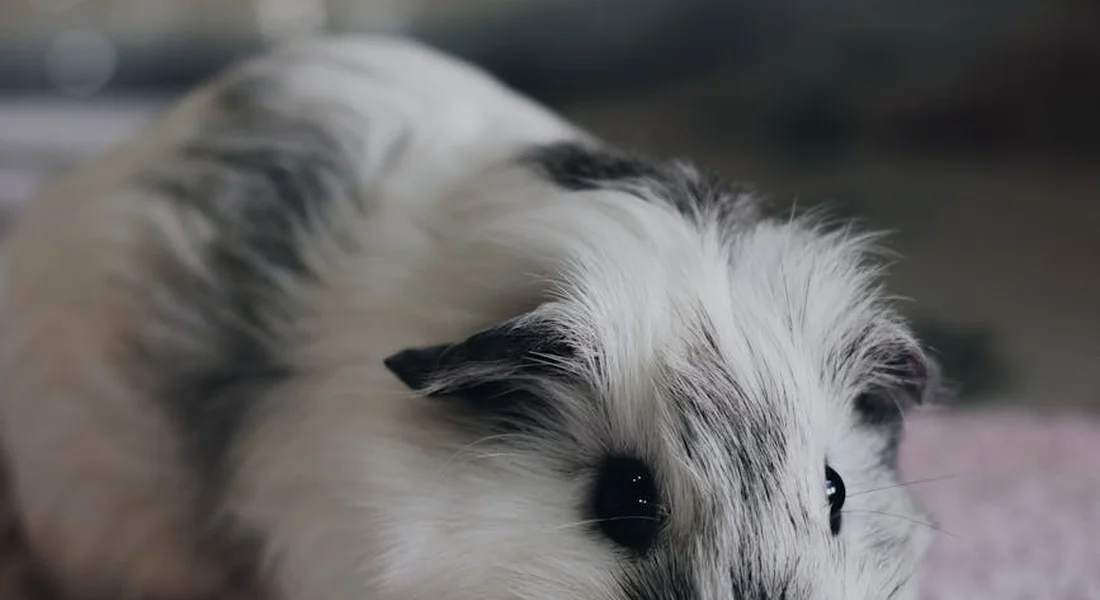
Watch for posture shifts like a rigid, hunched body or ears pressed flat against the head. My guinea pig Pepper often freezes with a stiff stance when he hears unfamiliar noises, making him look like a tiny statue. Eye expression changes too-wide, unblinking eyes usually signal fear, while squinting or half-closed lids might hint at pain or discomfort. Breathing can vary from rapid, shallow pants to unusually slow, deep breaths, which I’ve noticed in Clover during vet visits.
-
Pay attention to grooming habits – if your guinea pig stops self-cleaning suddenly, it’s a red flag. Biscuit, who’s usually meticulous, skipped grooming for a day once when she was stressed, and that clued me into her unease. Appetite drops or refusal of favorite veggies can indicate pain, while vocalization shifts, like fewer wheeks or unusual whimpers, often accompany fear. These subtle changes helped me spot issues early with my own pets. That’s how you tell if your guinea pig is stressed or anxious. When you see these cues together, check for triggers and try to create a calmer, safer space.
-
Observe social behavior by noting if your guinea pig avoids cage mates or hides more than usual. Step back and watch from a distance to see if they seek shelter in hideouts or corners, which Pepper does when overwhelmed. Track how they interact during play-if they’re not joining in or seem withdrawn, it could point to underlying stress or illness. I always check if Clover retreats to her cozy hut, a sign she needs quiet time.
Immediate Steps to Calm a Frozen Guinea Pig
-
Move your guinea pig to a quiet, dimly lit area away from loud sounds or sudden movements. I’ve found that placing them in a familiar, enclosed space, like their cage with a soft blanket, reduces stress quickly. This simple step helps mimic a safe burrow, which instinctively comforts them and encourages relaxation. Guinea pigs are particularly sensitive to loud noises, so minimizing sounds during their recovery is crucial.
-
Handle your pet gently by scooping them with both hands, avoiding tight grips or lifting too high. Speak in a soft, steady voice and move slowly to prevent startling them further, a technique that’s calmed Biscuit during her fearful moments. Keep interactions brief and reassuring to build trust without overwhelming them.
-
Monitor their heart rate by feeling for a steady pulse behind their front legs, and watch breathing for a return to normal, even rhythms. With Clover, I’ve seen her breathing slow down from frantic to calm within minutes once she feels secure, showing improvement. If changes persist, it might signal a need for vet care, so stay observant.
-
Offer safe reassurance through quiet talking or offering a favorite treat like a small piece of bell pepper. From my experience, sitting near Pepper without direct eye contact helps him relax, as he learns I’m not a threat. Avoid forcing interaction-let them come to you when ready, fostering a bond built on patience and care.
When Freezing Signals a Vet Visit
If your guinea pig stays frozen for more than a couple of minutes, it might be more than just a startle response. Prolonged immobility paired with labored breathing or unusual sounds can indicate underlying health issues that need immediate attention. I’ve seen this with my own guinea pig, Clover; when she froze and started wheezing, I knew it was time for a vet visit.
- Watch for red flags like freezing that lasts over five minutes, rapid or shallow breathing, or any discharge from the eyes or nose.
- Differentiate minor stress from illness by checking if your guinea pig perks up quickly after the scare or shows other signs like weight loss or reduced appetite.
- Prepare for a vet check by jotting down symptoms, noting when the freezing happens, and bringing a recent photo or video to help the vet assess the situation.
Preventing Freeze Episodes in Daily Care
- Adjust the habitat to maintain a steady temperature between 65-75°F and reduce loud noises or sudden movements that can startle them. Keeping their environment calm and predictable helps minimize stress-induced freezing. I always ensure Pepper’s cage is away from high-traffic areas to give her a sense of security.
- Implement desensitization by gradually introducing handling and common household sounds, like turning on the TV softly, to build their confidence over time.
- Promote routine health checks by weighing your guinea pig weekly and inspecting their teeth and fur for early pain indicators. Regular monitoring lets you catch subtle changes before they escalate into bigger problems.
- Advocate for animal welfare by providing enriched environments with hiding spots, chew toys, and social interaction to support their natural behaviors and reduce anxiety.
Long-Term Strategies for a Stress-Free Guinea Pig
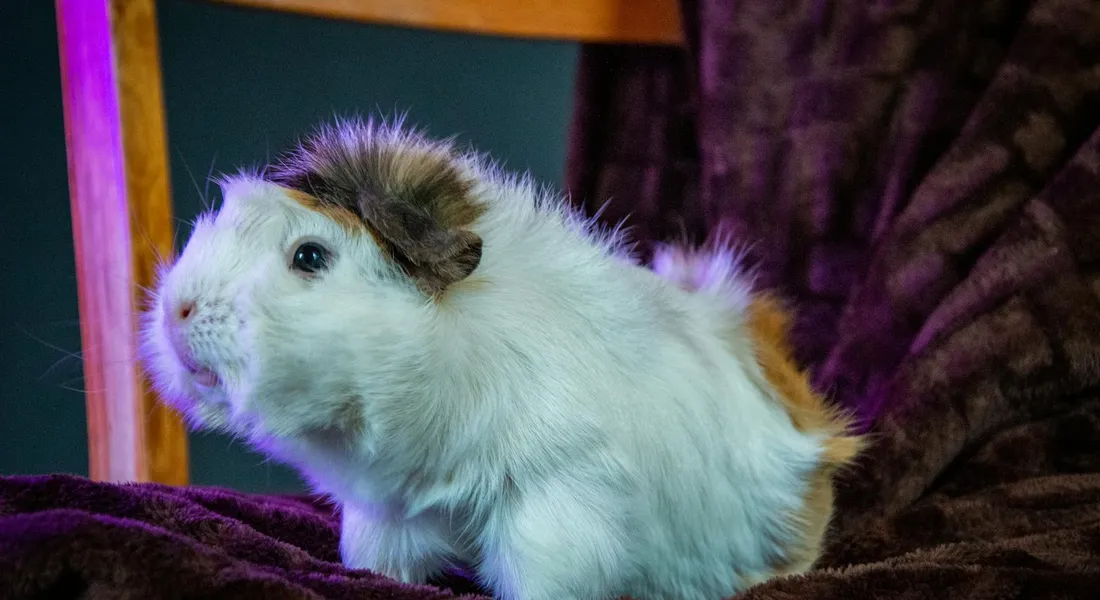
Building a low-stress life for your guinea pig involves more than quick fixes; it’s about consistent care and observation. Managing social dynamics with cage mates can prevent conflicts that lead to fear-based freezing. With my trio-Pepper, Clover, and Biscuit-I’ve learned to watch for subtle cues to keep their group harmony intact.
- Discuss social behavior management by introducing new cage mates slowly and providing enough space and resources to avoid competition.
- Suggest environmental tweaks like using safe, absorbent bedding and offering a varied diet to support overall health and reduce stressors.
- Emphasize the importance of regular observation and bonding through daily interaction, which helps you learn their normal habits and respond quickly to any changes.
Long-Term Strategies for a Stress-Free Guinea Pig
Managing your guinea pigs’ social life prevents many stress-related freezes. I’ve seen my own trio-Pepper, Clover, and Biscuit-flourish once I understood their unique social needs and space requirements. A cramped or tense cage environment can cause frequent freezing as they feel constantly on alert. Even when eating together, it’s important to ensure there’s no food aggression between guinea pigs, which can add to their stress levels.
Social Behavior Management with Cage Mates
Guinea pigs are herd animals, but not all personalities mesh perfectly. Always provide a cage large enough for each pig to have their own “hideout” and feeding area to retreat to if needed. My Abyssinian, Clover, appreciates having a quiet corner away from the more energetic Biscuit.
- Introduce new cage mates in a neutral area with plenty of hiding spots.
- Observe their interactions for several hours before co-housing.
- Ensure you have multiple food bowls and water bottles to prevent resource guarding.
- Be prepared to separate pigs if persistent bullying or chasing occurs.
Environmental Tweaks to Support Guinea Pig Health
Your guinea pig’s environment directly impacts their sense of security. Simple adjustments to their living space can dramatically reduce their instinct to freeze by making them feel protected. I line my cage walls with fleece forests to give my pigs visual barriers. Are guinea pigs afraid of the dark? They can be wary of sudden shadows or deep darkness, so a gentle, consistent light helps them feel safe.
- Provide at least one hidey house per pig, plus one extra.
- Use fleece blankets or paper bedding to muffle startling noises.
- Place the cage in a quiet corner away from direct sunlight and drafts.
- Maintain consistent temperature between 65-75°F (18-24°C).
- Create a predictable daily routine for feeding and cleaning.
Importance of Regular Observation and Bonding
Truly understanding your guinea pigs comes from consistent, quiet observation. Spending just ten minutes daily simply watching your pigs’ normal behavior helps you instantly recognize when something is wrong. I’ve learned Biscuit’s subtle ear twitches mean he’s content, while rapid twitching signals stress. You can begin interpreting common guinea pig behaviors and body language by noting posture, ear position, and vocal cues as they change with mood. With practice, reading these signals becomes second nature.
- Schedule daily “quiet time” where you sit near the cage without interacting
- Note each pig’s individual habits, vocalizations, and movement patterns
- Hand-feed favorite vegetables to build positive associations
- Keep a simple journal tracking eating habits and behavior changes
This ongoing attention creates a deeper bond that helps your guinea pigs feel secure. When your pigs recognize you as part of their safe environment, they’re much less likely to freeze in your presence. My gentle Pepper now wheeks excitedly when I approach rather than freezing, because she associates me with safety and treats.
FAQs
Why does my guinea pig freeze when I hold it?
Guinea pigs may freeze when held due to fear or stress from unfamiliar handling or a lack of trust. Building confidence through gentle, regular interactions and proper support can help reduce this reaction over time.
How can I find reputable guinea pig breeders near me?
Start by searching online directories or forums dedicated to guinea pig care, and check for local breeders with positive reviews and health guarantees. Always visit in person to assess the living conditions and meet the animals before committing. Once you’ve found a guinea pig, learn how to properly care for guinea pigs to ensure they stay healthy and happy.
Do guinea pig breeders typically ship to other locations?
Some breeders offer shipping services, but it’s crucial to ensure they follow ethical practices and provide safe, stress-free transport for the animals. Research breeders thoroughly and ask about their shipping policies and health certifications to avoid risks.
Are there reliable guinea pig breeders in California?
Yes, California has many reputable breeders; look for those registered with organizations like the American Cavy Breeders Association and who prioritize animal welfare. Always verify their reputation through reviews and ask for references to ensure healthy, well-socialized pets.
What should I consider when choosing guinea pig breeders in Florida?
Before bringing your first guinea pig home, consider the long-term commitment and daily care they require. Think about whether you have time, space, and resources to provide a healthy environment. For more information, refer to the first-time guinea pig considerations. Focus on breeders who emphasize clean, spacious habitats and provide health records for their guinea pigs to prevent common issues. Check for local breeder associations or online communities to find trusted options with proven track records in the state.
Wrapping Up Your Guinea Pig’s Freeze Behavior
From my years with Pepper, Clover, and Biscuit, I’ve seen that freezing is your guinea pig’s natural response to fear or uncertainty. Always observe their body language closely and provide a quiet, secure space to help them feel at ease.
Commit to ongoing education about guinea pig care to keep your pets happy and healthy. Opt for sustainable choices like recycled paper bedding or homemade toys to support both your guinea pigs and the planet. For a complete resource, check our ultimate guide on safe bedding options for guinea pigs. It explains what to look for and what to avoid when choosing bedding.
Further Reading & Sources
- Guinea Pig Stops Eating or Moving | Chewy
- What do I do if my guinea pig is not moving?
- Why Is My Guinea Pig Not Moving? Expert Answers & Solutions
- r/guineapigs on Reddit: Guinea Pig not moving? (More in comments)
Kate is a passionate guinea pig owner and advocate for small pet welfare. With over a decade of experience caring for guinea pigs, she has become a trusted voice in the small pet community.
Uncategorized