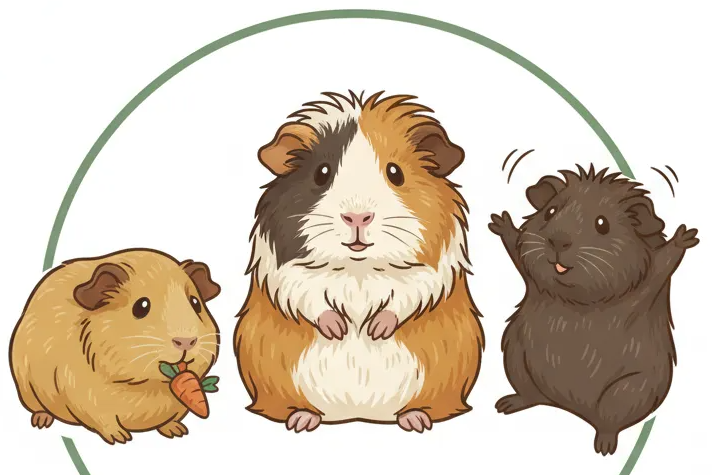
Can Guinea Pigs Eat Daikon?
Published on: September 29, 2026 | Last Updated: September 29, 2026
Written By: Kate M. Callahan
Hello CavyFam! You’re eyeing that crisp, white daikon radish and wondering if it’s a safe snack for your furry friend. It’s smart to pause and check before introducing any new food into their diet.
We will walk through safe feeding guidelines, the health benefits, and potential risks to watch for. Having cared for my own guinea pigs for years, I’ve learned firsthand how to keep their meals both exciting and nutritious.
Is Daikon Radish Safe for Your Guinea Pig?
Daikon radish is generally safe for guinea pigs when fed in small, infrequent amounts. From my years of caring for guinea pigs like Pepper and Clover, I’ve found that daikon can be a crunchy treat, but moderation is key to avoid digestive issues. It provides a good source of vitamin C, which is essential since guinea pigs can’t produce it on their own. However, daikon contains compounds that might cause gas or bladder irritation if overfed, so I always introduce new foods slowly and watch for any changes in behavior or appetite.
I recall giving a tiny slice to Biscuit once; she nibbled it cautiously but seemed fine afterward. Always monitor your pet after offering daikon, as individual tolerances can vary, and stick to small portions to keep meals balanced and safe.
Preparing Daikon for Your Guinea Pig’s Meal
Choosing and Washing the Daikon
Selecting fresh daikon is the first step to a healthy snack. Look for firm, smooth roots without soft spots or blemishes, as these signs indicate freshness and reduce the risk of mold or pesticides. I prefer organic daikon when possible to minimize chemical exposure. Wash it thoroughly under cool running water, scrubbing gently with a vegetable brush to remove dirt and residues. This simple step helps ensure your guinea pig enjoys a clean, safe treat.
- Check for firm texture and vibrant color
- Opt for organic varieties to lower pesticide risks
- Rinse and scrub well before serving
Cutting and Serving Sizes
Proper cutting makes daikon easier for your guinea pig to eat and digest. When preparing vegetables for guinea pigs, I always wash them well and trim off any tough ends. Clean, bite-sized produce is easier for their tiny mouths. Slice the daikon into small, bite-sized pieces to prevent choking hazards, especially for younger or smaller pigs like my gentle Pepper. I usually cut it into thin rounds or small cubes, about the size of a pea, to match their tiny mouths. For serving sizes, offer no more than a teaspoon-sized portion once or twice a week. Overfeeding can lead to stomach upset, so I balance it with their regular hay and pellets.
- Wash and peel the daikon if it’s not organic
- Cut into small, uniform pieces
- Serve in moderation alongside other veggies
In my experience, this approach keeps meals enjoyable and supports overall animal welfare by prioritizing their health and comfort. Stick to these guidelines to make daikon a safe, occasional addition to your guinea pig’s diet. For an ideal overall diet for a healthy guinea pig, hay should be the main staple, with plenty of fresh vegetables and a limited amount of pellets.
Nutritional Benefits of Daikon in a Guinea Pig Diet
Daikon radish offers a crisp, hydrating snack that can add variety to your guinea pig’s meals. My piggies, Pepper and Clover, get visibly excited by the crunchy texture, which also helps gently wear down their ever-growing teeth. This vegetable is low in calories but provides a small boost of essential nutrients. On a guinea pig’s plate, greens and safe vegetables should make up the bulk of their daily intake. Daikon radish can be an occasional crunchy treat alongside these greens.
Why Vitamin C Matters for Guinea Pigs
Guinea pigs cannot produce their own Vitamin C, making dietary sources non-negotiable for their health. A deficiency can lead to scurvy, causing joint pain, lethargy, and a rough coat, which I’ve sadly seen in rescues. So, how much vitamin C do guinea pigs need daily? Most need about 10–25 mg per day, depending on size and diet. While daikon contains some Vitamin C, it should never be their primary source.
- Supports a robust immune system to fight off infections.
- Promotes healthy skin and a glossy, smooth coat.
- Aids in the healing of minor wounds and overall vitality.
I always pair daikon with high-Vitamin C staples like bell peppers and kale to ensure my herd gets what they need.
Understanding the Risks of Feeding Daikon
Even healthy foods require a cautious approach with our delicate pets. Introducing any new food, including daikon, slowly is the golden rule to avoid shocking their sensitive digestive systems. Watching my own guinea pigs has taught me that their tolerance can vary greatly from one individual to another. This awareness connects to the top 10 guinea pig diet mistakes that can lead to serious health issues if not avoided. Being mindful of these missteps helps keep your pets healthy and thriving.
Digestive Sensitivity and Gas
Guinea pigs have complex digestive systems designed for a steady intake of fibrous hay. Understanding the limits of hay intake is key—hay should be the main staple, but even then too much can upset balance. Feeding too much daikon, which is high in water content, can lead to soft stools or uncomfortable bloating. My pig Biscuit is particularly sensitive, so I’m always extra careful with his portions. For more information, check out understanding hay intake limits.
- Start with a tiny piece, no larger than a thumbnail, to test their reaction.
- Observe for any signs of discomfort, lethargy, or changes in droppings for 24 hours.
- If any negative symptoms appear, discontinue feeding daikon immediately.
Oxalates and Calcium Balance
Daikon contains oxalates, which can bind with calcium and potentially contribute to bladder stone formation. For breeds like my Peruvian, Biscuit, who may be prone to urinary issues, managing high-oxalate foods is a key part of preventative care. A balanced diet is your best defense.
- Rotate daikon with other low-oxalate vegetables like zucchini and cucumber.
- Ensure unlimited access to fresh, high-quality timothy hay, which helps flush the system.
- Always provide plenty of fresh water to support kidney function and overall hydration.
How Often and How Much Daikon to Feed
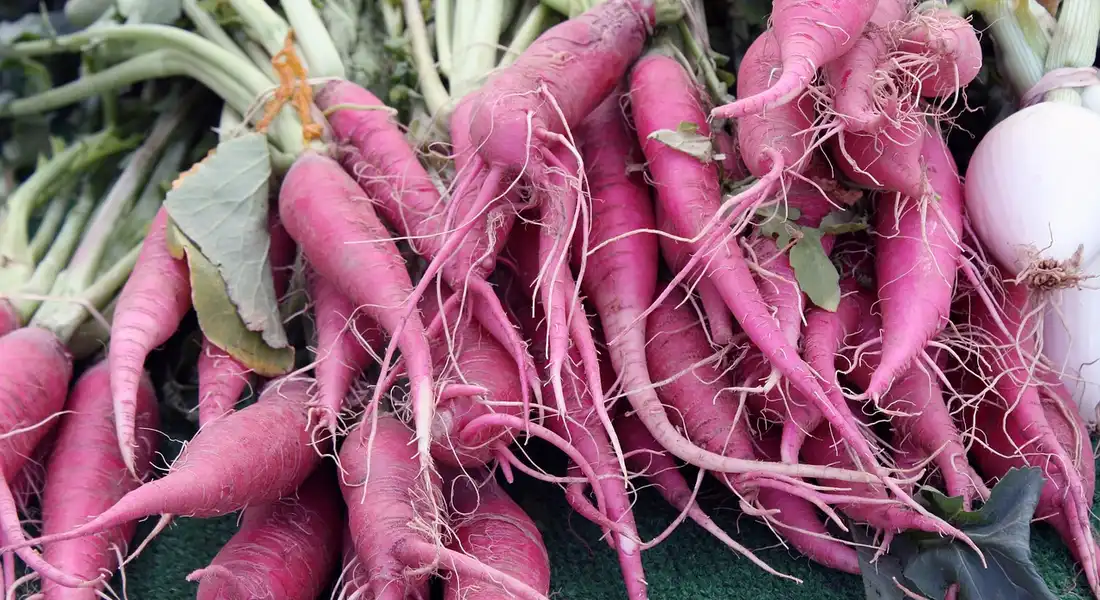
Moderation is the most important principle when offering treats like daikon. I treat daikon as an occasional novelty, not a daily vegetable, to keep my guinea pigs’ diets varied and safe. This prevents them from filling up on one item and neglecting their essential hay.
- Frequency: Offer daikon no more than 1-2 times per week.
- Serving Size: A piece roughly the size of your thumbnail per pig is sufficient.
- Always wash the daikon thoroughly to remove any pesticide residue before serving.
Remember, over 80% of their diet should still be grass hay, with vegetables making up a much smaller portion. Observing your pet’s unique reaction is the ultimate guide to what works for them.
Daikon Alternatives and Vegetable Variety
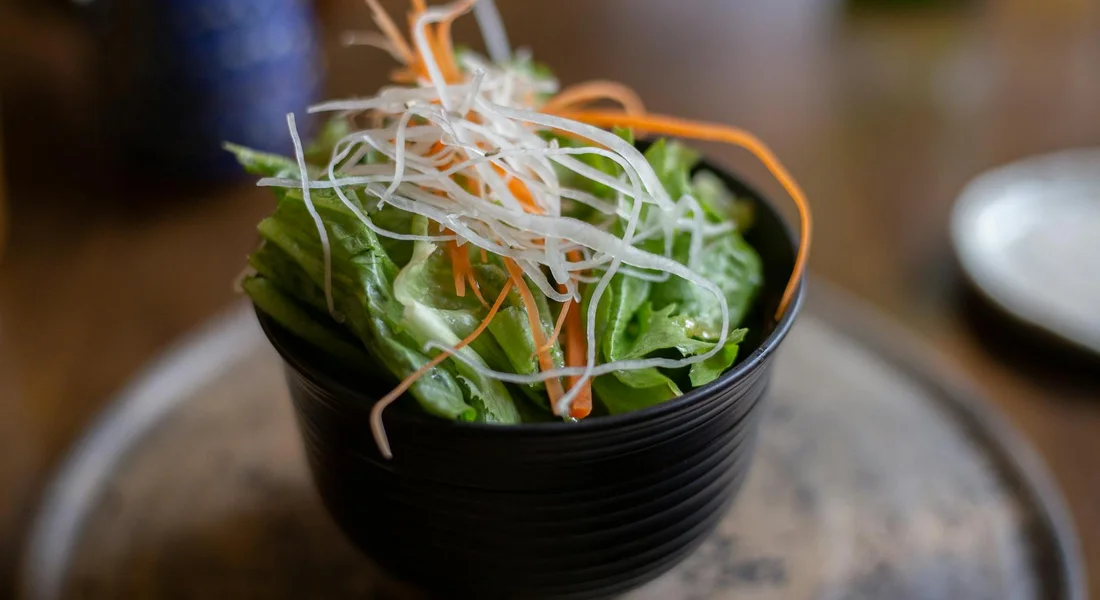
While daikon can be a fun, occasional treat, it shouldn’t be a regular part of their meals. I’ve found that a rotation of familiar, low-oxalate vegetables keeps my guinea pigs, Pepper, Clover, and Biscuit, the healthiest and happiest. Their digestive systems thrive on consistency and gentle foods.
For a reliable daily diet, focus on these staples. They are much safer and provide excellent nutrition without the potential for digestive upset.
- Bell Peppers: A fantastic source of Vitamin C. My crew goes crazy for the red and yellow ones.
- Romaine Lettuce: A great hydrating base green. I avoid iceberg lettuce as it has very little nutritional value.
- Cucumber: Perfect for hot days, providing extra hydration with a satisfying crunch.
- Zucchini: A mild and easily digestible squash that all three of my pigs enjoy.
- Cilantro: This is a huge hit in my household and is packed with beneficial nutrients.
Here’s a quick comparison to help you decide what to feed regularly versus occasionally.
| Vegetable | Type | Feeding Frequency |
|---|---|---|
| Bell Pepper | Staple | Daily |
| Romaine Lettuce | Staple | Daily |
| Daikon Radish | Treat | Once a week or less |
| Carrot | Treat | A few times a week (high in sugar) |
Caring for Guinea Pigs After Introducing Daikon
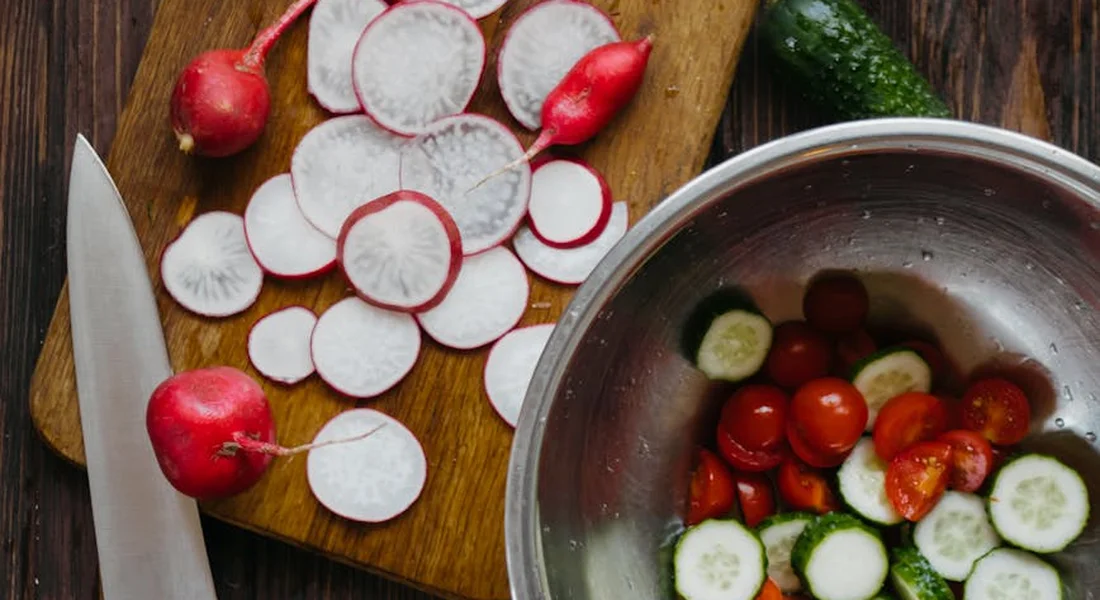
Any new food requires a watchful eye. The first 24 hours after your guinea pig tries daikon are the most critical for spotting any adverse reactions. Their tiny bodies can be surprisingly sensitive to dietary changes. If your guinea pig seems sick, you can use a complete home troubleshooting checklist to assess symptoms. It helps you track appetite, hydration, and behavior, and decide when to call a veterinarian.
Monitoring Stool and Behavior Changes
I always do a quick health check after introducing something new. It takes just a minute and gives me immense peace of mind.
- Check their droppings. Healthy guinea pig poop is firm, oval, and consistent. Soft, misshapen, or watery stools are a red flag.
- Observe their energy levels. Are they popcorning and exploring as usual, or are they hunched and lethargic?
- Listen for their appetite. A happy guinea pig is a hungry guinea pig. A sudden loss of interest in hay or favorite veggies is concerning.
- Watch for signs of bloat or discomfort. A swollen, hard belly or teeth grinding can indicate pain.
When to Contact Your Veterinarian
Trust your instincts. You know your pet best. If you notice any significant change in their eating habits, stool consistency, or general demeanor, it’s always better to be safe and call your vet.
Specifically, contact a professional immediately if you see:
- No fecal output for more than 12 hours.
- Diarrhea or very soft stools that persist.
- Your guinea pig stops eating their hay entirely.
- They appear to be in pain, are vocalizing uncomfortably, or are refusing to move.
From my experience with Biscuit’s sensitive stomach, a quick call to the vet has often saved us a lot of worry and helped him feel better faster.
FAQs
Can guinea pigs eat daikon leaves?
No, it is best to avoid feeding daikon leaves to guinea pigs. They may contain higher levels of compounds that could cause digestive issues or discomfort, similar to horseradish leaves.
How should I store daikon for my guinea pig?
Store whole daikon in the refrigerator to maintain freshness and prevent spoilage. Always wash and cut it into small pieces just before serving to ensure it is safe and crisp.
Is daikon safe for guinea pigs with health problems?
Guinea pigs with urinary or digestive conditions should avoid daikon due to its oxalate content. Always consult a veterinarian before offering new foods to pets with existing health issues. This is part of the broader topic of safe versus unsafe herbs for guinea pigs. Stick to vet-approved greens and introduce any herb gradually.
Ready to Share Some Daikon?
Always introduce daikon radish slowly and in tiny amounts, no more than once or twice a week, to keep your guinea pig’s digestion happy. Remember to wash it thoroughly and serve it raw, cut into small, manageable pieces to prevent any choking hazards.
Being a great pet parent means always learning about what’s best for your furry friend’s health and the planet they live on. I encourage you to keep researching new foods and consider eco-friendly choices, like buying local organic produce, to care for your guinea pig and our shared environment. During training, the best treats can serve as rewards to reinforce positive behaviors. Keep portions tiny and choose guinea-pig-safe options.
Further Reading & Sources
- Can Guinea Pigs Eat Radishes? (Hazards, Serving Size & More)
- Can Guinea Pigs Eat Radishes? (Benefits, Risks, Serving Size & More) – Guinea Pig Tube
- Can Guinea Pigs Eat Radishes? (Serving Size, Hazards & More)
- Can Guinea pigs eat Radish? – Guinea Pals
Kate is a passionate guinea pig owner and advocate for small pet welfare. With over a decade of experience caring for guinea pigs, she has become a trusted voice in the small pet community.
Uncategorized