Can Guinea Pigs Eat Dill and Nasturtiums?
Hello CavyFam! If you’re wondering whether dill and nasturtiums are safe treats for your guinea pigs, you’re not alone in your curiosity.
Many pet owners feel a mix of excitement and concern when introducing new foods, worrying about hidden dangers or digestive upsets.
In this guide, we’ll explore safety, nutritional benefits, potential risks, and proper feeding methods to keep your pets healthy and happy. With years of firsthand experience caring for guinea pigs like my own Pepper and Clover, I’m here to offer reliable, practical advice.
Understanding Safe Foods for Guinea Pigs
A guinea pig’s diet is a beautiful, delicate balance of fiber, vitamins, and variety. My three guinea pigs—Pepper, Clover, and Biscuit—thrive on a simple rule: unlimited hay, a small portion of pellets, and a daily salad of fresh greens and herbs. Hay is the foundation of that balance. Its high fiber keeps the gut moving and helps wear down their ever-growing teeth. This variety isn’t just for fun; it’s essential for their digestive health and mental stimulation.
Think of their diet like a colorful plate. Here are the general safe food categories I rely on for my herd:
- High-quality grass hay: This should make up about 80% of their diet for healthy teeth and digestion.
- Fresh leafy greens: Romaine lettuce, cilantro, and kale are daily favorites.
- Herbs: Parsley, mint, and basil add flavor and nutrients.
- Select vegetables: Bell peppers and cucumbers are excellent for hydration and Vitamin C.
- Occasional flowers: Edible blooms like nasturtiums are a special treat.
Some plants are risky because they contain high levels of oxalates, calcium, or are simply toxic. I always double-check any new food against a trusted list before letting my curious crew take a nibble. Their small bodies process foods differently than ours, so caution is my constant companion.
Are Dill and Nasturtiums Safe for Guinea Pigs?
Yes, both fresh dill and nasturtiums are perfectly safe for your guinea pigs to enjoy! I often add a few sprigs of dill or a nasturtium flower to my pigs’ dinner bowl, and they eagerly munch away. The key is ensuring everything is fresh, clean, and free from any chemicals. You can also try other edible plants and weeds safe for guinea pigs to add variety to their diet.
You can safely offer these parts:
- Fresh dill leaves and soft stems
- Nasturtium flowers, both petals and the whole bloom
- Fresh, green nasturtium leaves
You must absolutely avoid these forms:
- Pickled dill or anything from a jar with vinegar and salt
- Dried dill, as it lacks nutritional value and can be a choking hazard
- Nasturtiums from a florist, which are often treated with pesticides
Safety of Dill for Guinea Pigs
Dill is a wonderful, aromatic herb that my guinea pig Biscuit finds particularly intriguing. Fresh dill provides a nice boost of Vitamin C and can aid in digestion, but it should be an occasional treat, not a staple. The stems are safe if they are young and tender, but older, woody stems can be difficult for them to chew.
Pickles are a hard no. The brine is loaded with salt, vinegar, and spices that are extremely harmful to a guinea pig’s sensitive system. I follow these simple steps every time I prepare dill for my pets to ensure it’s safe.
- Select fresh, vibrant green sprigs from your garden or the organic section of the store.
- Rinse the dill thoroughly under cool running water to remove any dirt or potential residues.
- Pat it dry with a clean paper towel to remove excess moisture.
- Chop a small portion, about a teaspoon-sized amount, per pig to mix into their regular greens.
Safety of Nasturtiums for Guinea Pigs
Nasturtiums are a fantastic, non-toxic choice that adds a pop of color to your pet’s diet. My graceful Clover loves the peppery taste of the leaves, while Pepper is all about the bright, cheerful flowers. Both parts are safe and offer beneficial nutrients.
The biggest risk isn’t the plant itself, but what might be on it. Protecting your pet means being vigilant about where their food comes from.
- Only feed nasturtiums you have grown yourself without any pesticides or herbicides.
- If you must buy them, seek out an organic source you trust completely.
- Always wash the leaves and flowers, even from your own garden, to remove bird droppings or insects.
- Introduce this treat slowly, offering just one small leaf or petal at first to see how their stomach reacts.
Nutritional Benefits of Dill and Nasturtiums
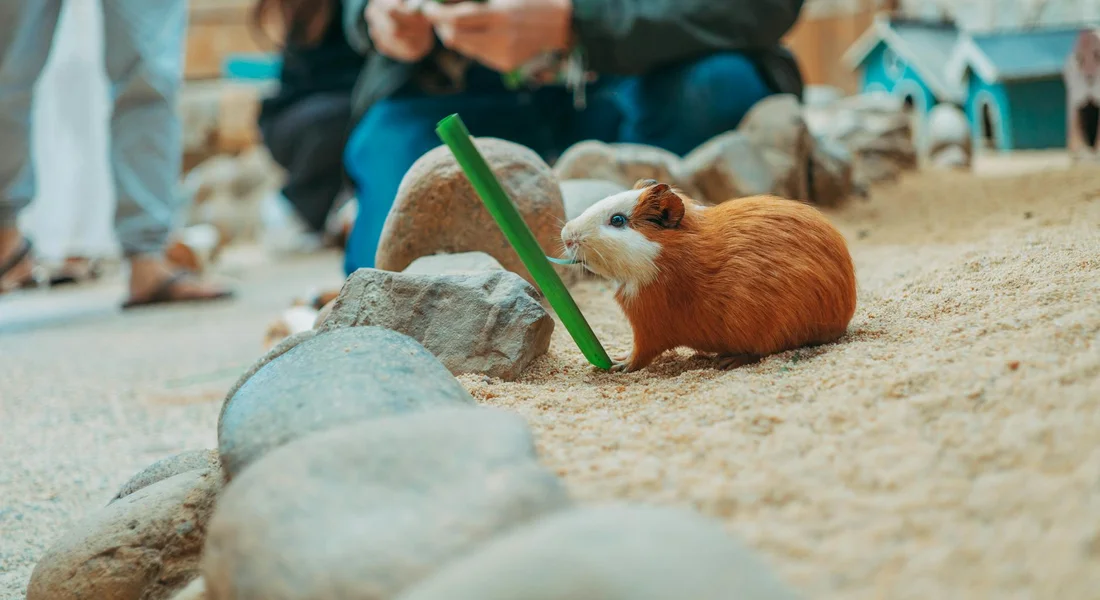
Dill and nasturtiums pack a nutritious punch that can boost your guinea pig’s health in surprising ways. Fresh herbs and flowers like these provide essential vitamins and minerals that support everything from immune function to bone strength. When offering them, choose only varieties known to be safe for guinea pigs and free of pesticides. Always introduce new flowers or herbs gradually and monitor your pets for any signs of digestive upset. I’ve seen my own guinea pigs, Pepper, Clover, and Biscuit, thrive when I include small amounts in their diet. Their energy levels stay high, and their coats look glossy and healthy.
| Nutrient | Dill | Nasturtiums |
|---|---|---|
| Vitamin C | High – crucial for preventing scurvy | Moderate to high – supports immune health |
| Calcium | Moderate – aids in bone development | Moderate – helps maintain strong teeth and bones |
| Antioxidants | Rich in flavonoids – reduces inflammation | Abundant in compounds like lutein – protects cells from damage |
Vitamin C is a big deal for guinea pigs because they can’t produce it on their own. Adding dill or nasturtiums a few times a week helps meet their daily needs and keeps issues like joint pain at bay. So, how much vitamin C do guinea pigs need daily? Generally about 10-25 mg per day, which is easy to cover with small daily portions of these greens. Calcium supports their skeletal system, but I watch portions to avoid urinary problems. Antioxidants in these plants fight off oxidative stress, which I’ve noticed keeps my pigs like Biscuit more active and less prone to illness.
How to Safely Feed Dill and Nasturtiums
Feeding dill and nasturtiums safely ensures your guinea pig enjoys them without any risks. Always start with fresh, pesticide-free sources to avoid harming your pet’s delicate digestive system. Over the years, I’ve developed a routine that keeps Pepper, Clover, and Biscuit happy and healthy. Follow these steps to introduce these treats properly, just like I do with lettuce and romaine.
- Wash the dill or nasturtiums under cool running water to remove dirt and potential chemicals.
- Chop them into small, bite-sized pieces to prevent choking and make eating easier.
- Serve a modest portion-about a teaspoon of chopped herb or a few nasturtium leaves-no more than 2-3 times per week.
- Monitor your guinea pig for any signs of upset, like diarrhea, and adjust if needed.
I stick to organic options from my garden or trusted stores to minimize exposure to pesticides. This approach has helped my guinea pigs enjoy variety without digestive issues. Remember, these are treats, not staples, so balance them with hay and pellets. When shopping for pellets, I reference a high-quality guinea pig pellets ingredient guide to pick products with wholesome ingredients. It helps me verify timothy-based formulas and avoid fillers and added sugars.
Preparing Dill for Your Guinea Pig
Dill is easy to prepare and adds a fresh flavor your guinea pig will love. Proper handling ensures it’s safe and enjoyable for nibbling. I often use this method for Pepper, who adores the aromatic leaves. Start by gathering your tools to make the process smooth.
- Colander for rinsing
- Cutting board
- Sharp knife for chopping
- Rinse the dill thoroughly under cold water to wash away any residues.
- Remove wilted or discolored parts to ensure only the freshest bits are served.
- Chop the dill into small pieces, about the size of your guinea pig’s mouth, to avoid choking hazards.
- Offer a small sprig or equivalent amount per feeding to keep portions in check.
I’ve found that finely chopped dill mixes well with other greens, making meals more exciting for picky eaters like Clover. This method keeps things simple and safe.
Preparing Nasturtiums for Your Guinea Pig
Nasturtiums are vibrant and nutritious, but they need careful prep to be guinea pig-safe. Always inspect them closely for pests or damage before serving. Biscuit, my Peruvian, enjoys the peppery taste, and I follow these steps to ensure it’s a healthy treat.
- Check the nasturtium flowers and leaves for insects, mold, or brown spots-discard any that look questionable.
- Wash them gently under lukewarm water, rubbing lightly to remove hidden dirt.
- Cut the flowers and leaves into small, manageable pieces to make eating effortless for your pet.
- Serve a few pieces at a time, and always remove uneaten portions after an hour to maintain freshness.
I prefer using home-grown nasturtiums to guarantee they’re free from chemicals, which aligns with animal welfare by reducing toxin exposure. This careful prep keeps treats fun and risk-free.
Risks and Moderation in Feeding
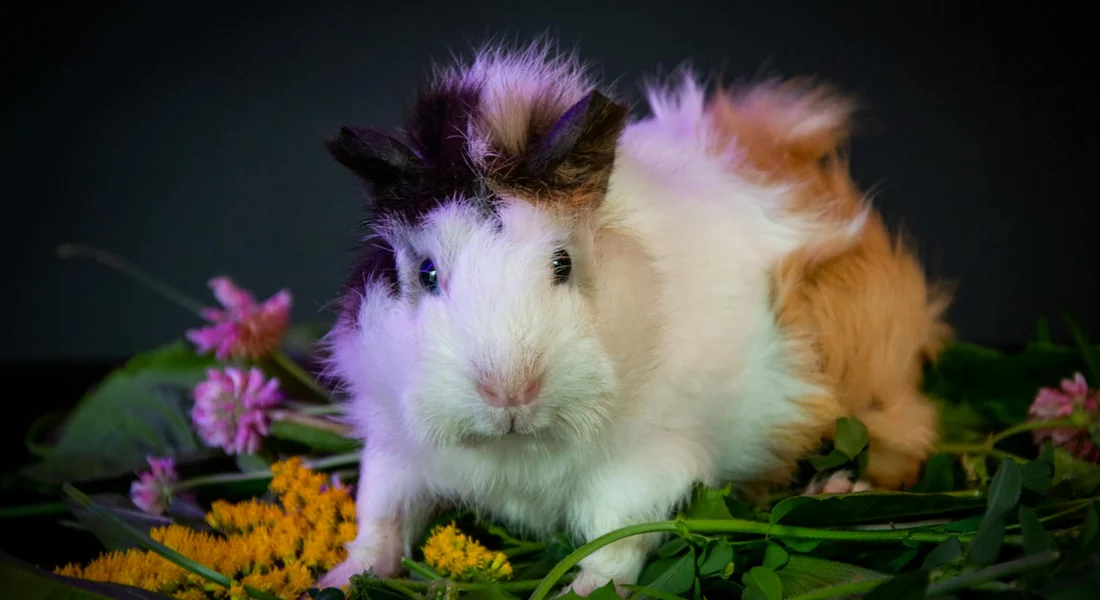
Even safe foods like dill and nasturtiums can cause problems if overfed, leading to digestive issues or rare allergies. From my experience with Pepper, who once had mild bloating after too much dill, I learned that moderation is key to keeping guinea pigs healthy and happy. Always watch for signs of discomfort, as their small bodies react quickly to dietary changes.
- Bloating or a swollen belly
- Lethargy or reduced activity
- Diarrhea or unusual stool
- Loss of appetite or refusal to eat
- Excessive scratching, which might indicate an allergy
I stick to giving dill as a weekly treat and nasturtiums only occasionally, based on how my guinea pigs like Clover handle them. Limiting portions helps prevent issues like gas or stomach upset, ensuring your pets stay comfortable and energetic. Remember, what works for one guinea pig might not suit another, so tailor feeding to their individual needs.
Introducing New Foods to Your Guinea Pig’s Diet
When adding dill or nasturtiums, take it slow to avoid shocking their system. I always start with tiny amounts and observe closely, as I did when Biscuit first tried nasturtiums-she was reserved but grew to love them over time. This gradual approach builds trust and reduces the risk of digestive problems.
- Offer a small piece, like one leaf or a sprig, and wait 24 hours for any reactions.
- If no issues arise, slightly increase the amount over the next 2-3 days.
- Mix it with their regular veggies to help them adjust smoothly.
- Monitor their behavior and stool daily to catch any early warning signs.
- Once they’re comfortable, incorporate it as an occasional treat in their diet.
My guinea pig Clover, for instance, was hesitant at first but now eagerly nibbles on nasturtium flowers. Patience pays off, and this method helps you bond with your pet while ensuring their safety and well-being. Always prioritize fresh, pesticide-free options to support their health.
Other Safe Herbs and Flowers for Guinea Pigs
In my time raising guinea pigs like Pepper, Clover, and Biscuit, I’ve seen how a varied diet keeps them curious and content. Rotating safe herbs and flowers prevents dietary boredom and ensures they get a mix of vitamins and minerals for optimal health. They also enjoy wheatgrass and other grasses, which adds fiber and fresh greens to their daily grazing.
- Parsley: This vibrant green herb is rich in vitamin C, which guinea pigs need daily. I sprinkle a few leaves for Clover, and she eagerly nibbles them. Offer it sparingly to avoid excess calcium.
- Basil: With its sweet, aromatic leaves, basil can soothe digestion and add flavor. Biscuit loves the occasional basil treat, and it’s easy to grow at home for fresh picks.
- Cilantro: Fresh and crisp, cilantro provides antioxidants and a burst of taste. My guinea pig Pepper enjoys it mixed with his hay, making meals more engaging.
- Mint: Refreshing and mild, mint is a fun option in small amounts. I’ve found that a leaf or two per week keeps it from overpowering their sensitive palates.
- Marigolds: These bright, edible flowers are safe if organic and pesticide-free. I sometimes add petals to their salad for color and variety, but always wash them thoroughly first.
FAQs
What are the benefits of dill for guinea pigs?
Dill provides a good source of Vitamin C, which is essential for preventing scurvy. It also contains antioxidants that can aid in digestion and reduce inflammation.
Will the strong smell of dill bother my guinea pig?
The aromatic compounds in dill are generally not irritating and are safe for your guinea pig to smell. Most guinea pigs are actually attracted to the scent and find it a stimulating treat. However, air quality matters: strong household scents and cleaning chemicals can irritate a guinea pig’s sensitive airways. When offering dill or other herbs, do so in a well-ventilated area to minimize exposure to fumes.
What should I do if one guinea pig kills another?
This is a serious situation, and you must immediately separate any remaining guinea pigs to ensure their safety. It is crucial to consult with an exotics veterinarian to understand the cause, which can range from territorial aggression to underlying illness. If your guinea pigs are not getting along, do not force interaction. Start with separate housing and gradual reintroduction, and seek a supervised reintroduction plan under veterinary or behavior guidance.
Your Guinea Pig’s Diet: A Quick Recap
Dill and nasturtiums can be safe, nutritious additions to your guinea pig’s meals when served fresh and in moderation. I always wash these herbs thoroughly and introduce them slowly to my own pigs, like gentle Pepper and graceful Clover, to prevent any tummy troubles. It’s also helpful to know the difference between safe and unsafe herbs for guinea pigs. Some common culprits, like onions and garlic, can be harmful and should be avoided altogether.
Staying curious about eco-friendly pet care, such as growing your own pesticide-free greens, deepens the bond with your furry friends. From my experience with reserved Biscuit, I’ve learned that responsible ownership means continuously educating yourself on sustainable practices that keep guinea pigs healthy and happy.
Further Reading & Sources
- Making A Garden for Guinea Pigs… – Guinea Lynx Forums
- Nasturtiums? | The Guinea Pig Forum
- Feeding guinea pigs | RSPCA Victoria
- Flowers That Your Guinea Pig Can Eat – GuineaDad
Kate is a passionate guinea pig owner and advocate for small pet welfare. With over a decade of experience caring for guinea pigs, she has become a trusted voice in the small pet community.
Uncategorized