Can Guinea Pigs Eat Pepper Plant Leaves? Safety Guide
Published on: September 13, 2026 | Last Updated: September 13, 2026
Written By: Kate M. Callahan
Hello CavyFam! You’re probably eyeing those leafy greens on your pepper plants and wondering if they’re a safe snack for your furry friend. It’s smart to double-check before sharing garden goodies with your guinea pig.
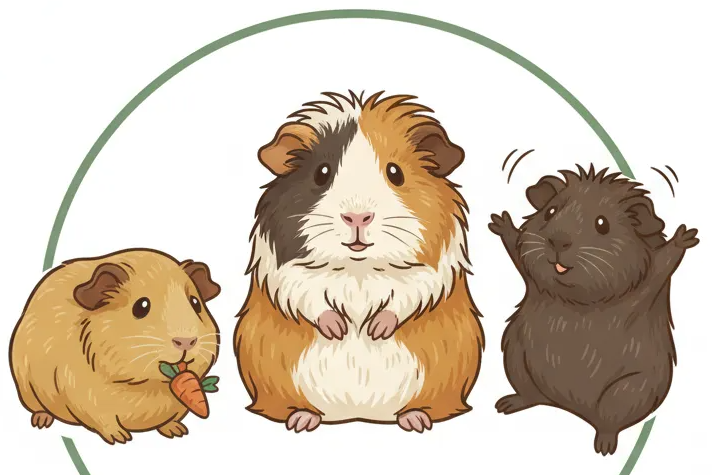
In this guide, I’ll walk you through safety, nutritional benefits, potential risks, and how to prepare pepper leaves if they’re safe. I’ve learned a lot from caring for my own guinea pigs-Pepper, Clover, and Biscuit-and I’m here to share that hands-on experience with you.
Are Pepper Plant Leaves Safe for Guinea Pigs?
Understanding Capsicum Leaves Safety
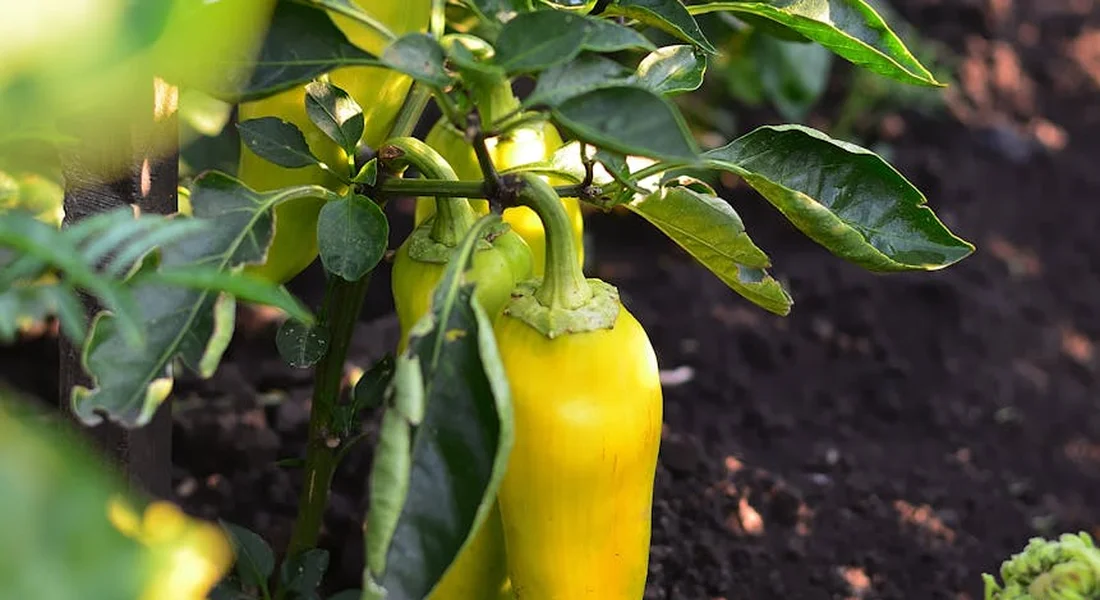
Pepper plants fall under the Capsicum genus, which includes bell peppers and chilies. In my years caring for guinea pigs like gentle Pepper, I’ve learned that capsicum leaves contain solanine, a natural toxin that can upset their delicate digestive systems. This compound is more concentrated in leaves and stems, posing risks like vomiting or lethargy if ingested.
You might think all green parts are fine, but that’s not the case. I always check plant safety thoroughly before offering anything to my guinea pigs, as their small bodies react strongly to harmful substances. For Clover, who’s graceful and thoughtful, I stick to proven safe options to avoid any health scares.
Safe Parts of the Pepper Plant
While leaves are a no-go, the fruits-like sweet bell peppers-are excellent treats. My reserved but intelligent Biscuit loves nibbling on red bell pepper slices, which are free from toxic elements when prepared correctly. Always wash fruits to remove pesticides and cut them into small, manageable pieces.
- Bell peppers in any color
- Sweet pepper varieties
- Avoid stems, leaves, and seeds entirely
Focus on the fruits to provide enrichment without compromising your pet’s well-being. When choosing, stick to guinea pig-safe fruits and serve them in small portions to avoid digestive upset. They can enjoy a few safe fruit options as occasional treats to add variety to their diet. This approach has kept my guinea pigs vibrant and content over the years.
Nutritional Value of Pepper Leaves for Guinea Pigs
Vitamin C and Other Key Nutrients
Though pepper leaves aren’t safe, the fruits offer a powerhouse of nutrients. Bell peppers are loaded with Vitamin C, essential for guinea pigs since they can’t synthesize it on their own. In caring for Pepper, I’ve seen how this vitamin supports his steady personality by boosting immunity and preventing scurvy.
They also provide Vitamin A for eye health and fiber for digestion. Including a mix of colorful peppers in their diet ensures a range of antioxidants that promote overall vitality. I often rotate between red, yellow, and green peppers for variety.
Benefits for Guinea Pig Diet
Adding safe pepper fruits to meals brings multiple advantages. Regular Vitamin C intake from peppers helps maintain strong bones and a glossy coat, something I’ve noticed with thoughtful Clover. It’s a simple way to enhance their daily nutrition without extra supplements.
- Supports immune function and wound healing
- Aids in healthy weight management through low calories
- Encourages hydration with high water content
Introduce peppers slowly to avoid digestive upset and always pair with a base of hay and pellets. This balanced approach has worked wonders for my guinea pigs’ long-term health.
How to Prepare Pepper Leaves for Your Guinea Pig
Washing and Cleaning Steps
Always start by washing pepper leaves thoroughly to protect your guinea pig from harmful residues. I rinse leaves under cool running water, gently rubbing them to dislodge dirt or tiny pests.
- Place leaves in a colander and run cool water over them for 30 seconds.
- For non-organic leaves, soak in a mix of one part vinegar to three parts water for five minutes to reduce pesticides.
- Rinse again with clean water and pat dry with a paper towel to prevent sogginess.
Drying leaves properly helps avoid mold, which I’ve seen cause tummy troubles in my guinea pig Biscuit. Her reserved nature means she’s picky about texture, so I make sure leaves are crisp and fresh.
Selecting Healthy Leaves
Choose leaves that are vibrant green, firm, and free from yellow spots or holes. I look for organic sources to minimize chemical exposure, as Pepper’s gentle personality makes her sensitive to harsh substances.
- Pick leaves from plants not treated with insecticides or fertilizers.
- Avoid wilted or discolored leaves, which can harbor bacteria.
- Opt for young, tender leaves over older, tougher ones for easier digestion.
In my experience, Clover’s graceful eating habits mean she prefers leaves that are fresh and full of life. I always inspect each leaf closely before offering it, ensuring it’s safe and nutritious.
Risks of Feeding Pepper Leaves to Guinea Pigs
Capsaicin and Spicy Varieties
Avoid leaves from spicy pepper plants, as capsaicin can irritate your guinea pig’s digestive system. I learned this the hard way when Biscuit showed signs of discomfort after nibbling a leaf from a jalapeño plant.
- Stick to sweet pepper varieties like bell peppers, which have minimal capsaicin.
- Never feed leaves from habanero or cayenne plants, as their heat can cause mouth burns or upset stomachs.
Guinea pigs lack the ability to process spicy foods, so even a small amount can lead to health issues. I always double-check the pepper type to keep my pets safe and happy. It’s also important to know which herbs are safe or unsafe for guinea pigs. Safe options include parsley and cilantro in small amounts, while garlic, onions, and chives should be avoided.
Oxalate Levels and Digestive Health
Pepper leaves contain oxalates, which in excess can contribute to bladder stones or digestive blockages. I monitor how much I feed, especially for older guinea pigs like Clover, who’s more prone to such problems.
- Oxalates bind with calcium, potentially leading to urinary issues if fed too often.
- Balance pepper leaves with low-oxalate greens like romaine lettuce to reduce risks.
In my care, I’ve seen that variety in diet helps prevent oxalate buildup and supports overall digestive health. Rotate treats to keep things interesting and safe for your furry friends.
Signs of a Negative Reaction
Watch for symptoms like diarrhea, lethargy, or loss of appetite, which signal a bad reaction. When Pepper had loose stools once, I cut out new foods and consulted a vet promptly.
- Other signs include bloating, excessive scratching, or changes in behavior.
- If you notice any issues, stop feeding pepper leaves and offer plenty of fresh water and hay.
Early detection can prevent serious health problems, so I always observe my guinea pigs after introducing new foods. Their well-being comes first, and quick action makes all the difference.
Serving Pepper Leaves: Amount and Frequency
Recommended Serving Sizes
Offer one to two small leaves per serving, depending on your guinea pig’s size and age. For Biscuit, who’s smaller and more reserved, I give just one leaf to avoid overfeeding.
- Younger guinea pigs under six months should have half a leaf to start, as their digestive systems are still developing.
- Larger adults like Pepper can handle up to two leaves, but always monitor for any adverse effects.
I’ve found that smaller portions prevent waste and ensure your pet enjoys the treat without overload. Cut leaves into bite-sized pieces if needed, especially for picky eaters.
How Often to Include in Diet
Incorporate pepper leaves no more than two to three times a week as part of a varied diet. I rotate them with other safe greens to provide nutritional balance and keep meals exciting.
- Use pepper leaves as a occasional treat, not a daily staple, to minimize oxalate intake.
- Pair with high-fiber foods like timothy hay, which should make up the bulk of their diet.
From my experience, this frequency keeps guinea pigs like Clover engaged without risking their health. Always adjust based on your pet’s individual tolerance and overall diet plan.
Alternatives to Pepper Leaves for Guinea Pigs
Other Safe Leafy Greens
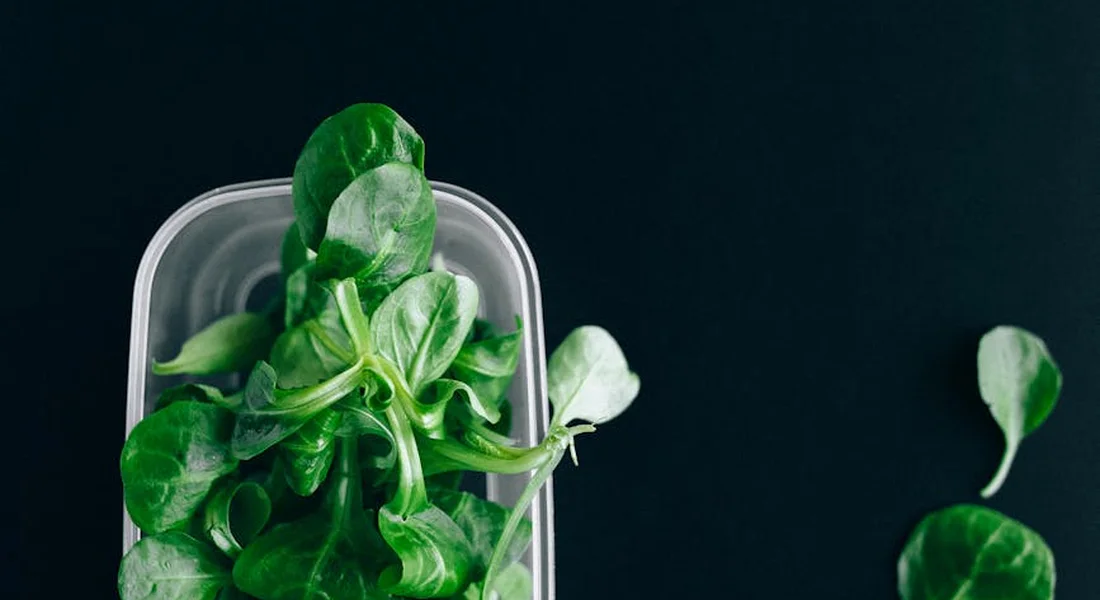
Since pepper plant leaves are off the menu, you have a wonderful world of safe, crunchy greens to explore with your piggies. I rotate these through my herd’s diet to keep their meals exciting and nutritionally balanced, including collard greens.
- Romaine Lettuce: A staple in my kitchen, it’s hydrating and generally a big hit.
- Green Leaf or Red Leaf Lettuce: These are excellent for adding a different texture.
- Cilantro: My guinea pigs, especially Clover, go wild for the strong aroma and flavor.
- Dandelion Greens: A foraged favorite, packed with nutrients, but always wash them thoroughly.
- Kale: I offer this in small amounts as a nutrient-dense treat a few times a week.
- Endive and Escarole: These slightly bitter greens are fantastic for encouraging a varied palate.
Importance of Variety in Guinea Pig Nutrition
Feeding the same greens every single day is like eating a plain salad for every meal–it gets boring and lacks a full spectrum of nutrients. A varied diet ensures your guinea pigs receive a wider range of vitamins and minerals for optimal health. I’ve noticed that my Peruvian, Biscuit, became much more engaged and active when I introduced new greens like radicchio and parsley. This practice mimics their natural foraging behavior, providing crucial mental stimulation. It also helps prevent them from becoming overly selective or “picky” eaters, which can be a challenge down the road. However, it’s important to ensure the greens you offer are safe for guinea pigs.
FAQs
Can guinea pigs eat pepper plant leaves that are turning yellow and falling off?
No, guinea pigs should not eat pepper plant leaves that are yellowing and falling off. This condition often signals disease or decay, which can worsen digestive risks from natural toxins. If you’re curious about other greens, some people ask whether guinea pigs eat hibiscus leaves and flowers. Always check with a vet or reliable care guide before introducing hibiscus to your guinea pig’s diet.
Is it safe for guinea pigs to consume pepper plant leaves that are turning light green?
Pepper plant leaves turning light green may indicate nutrient issues or stress, but they are still unsafe due to solanine. Always avoid feeding any pepper leaves and opt for safe greens like romaine lettuce instead.
Are pepper plant leaves with yellow and brown spots safe for guinea pigs?
Leaves with yellow and brown spots could harbor infections or pests, making them even more hazardous. Stick to feeding only the safe fruit parts of pepper plants, such as bell peppers, to prevent health problems.
Can guinea pigs eat wilting pepper plant leaves that are falling off?
Wilting leaves are a sign of poor plant health and should never be fed to guinea pigs. Choose fresh, non-toxic alternatives to protect your pet from potential digestive upset or toxicity. Additionally, safe flowers and plants that guinea pigs can eat include pesticide-free options like rose petals or nasturtium. Always introduce any new plant slowly and feed in moderation.
Is it okay to feed pepper plant leaves that are turning brown to guinea pigs?
Brown leaves often indicate rot or fungal growth, which are unsafe for guinea pigs. Focus on providing a variety of proven safe vegetables to maintain their health and happiness. Also, foraging outdoors should be done with safety in mind. Only pick pesticide-free leaves from known, non-toxic plants and wash them well before feeding to guinea pigs.
Your Guinea Pig’s Health Comes First
From my time with Pepper, Clover, and Biscuit, I’ve seen how vital safe foods are for their well-being. Always skip pepper plant leaves, as they can upset your guinea pig’s stomach or cause more serious issues. Stick to vet-approved greens and veggies to keep meals both tasty and secure. For a comprehensive list of safe foods for guinea pigs, check out this guide.
Responsible pet care means always learning and making eco-friendly choices for your furry friends. Opt for sustainable bedding and toys to protect your pets and the planet they call home.
Further Reading & Sources
- GuineaDad Food Blog: Can guinea pigs eat bell peppers?
- Can Guinea Pigs Eat Peppers? (Benefits, Risks, Serving Size & More) – Guinea Pig Tube
- Can Guinea Pigs Eat Bell Peppers? (Serving Size, Risks & More)
- Grow Your Own – Can guinea pigs eat green pepper leaves? – Guinea Pig Cages
Kate is a passionate guinea pig owner and advocate for small pet welfare. With over a decade of experience caring for guinea pigs, she has become a trusted voice in the small pet community.
Uncategorized