Can Guinea Pigs Eat Turnips and Turnip Greens? A Safe Feeding Guide
Hello CavyFam, you might be wondering if turnips are a healthy snack for your guinea pigs. Many owners worry about digestive problems or harmful effects from new foods.
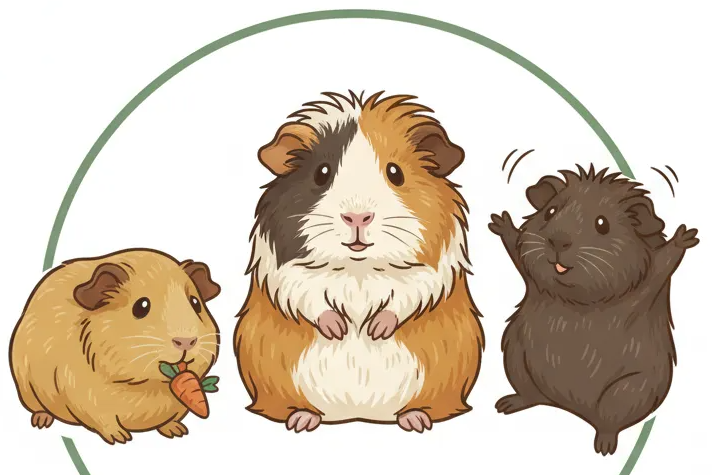
In this article, I’ll explore safety, nutritional benefits, potential risks, and serving tips. I’ve cared for guinea pigs like Pepper, Clover, and Biscuit for years, giving me real-world insight into their dietary needs.
Are Turnips and Turnip Greens Safe for Guinea Pigs?
Yes, both turnip roots and their leafy greens are safe for your guinea pig to eat in moderation. I’ve found that offering a small piece of turnip root once or twice a week provides a nice, crunchy treat for my own guinea pigs, Pepper and Biscuit. Just remember, these should be treats, not a replacement for their main diet of hay and high-quality pellets.
Turnip greens are leafy greens, while the turnip itself is a root vegetable. This distinction is important because leafy greens can typically be offered more frequently than starchy roots. I like to think of turnip greens as a wonderful addition to their daily salad mix, whereas the actual turnip is a special weekend snack.
You do need to be mindful of a couple of risks. Turnip greens contain oxalates and have a moderate calcium level, which in excess can contribute to bladder stone formation in some guinea pigs. That’s why I rotate turnip greens with other low-oxalate greens like romaine lettuce and cilantro for my herd. Always wash all produce thoroughly to remove any pesticides or contaminants.
Nutritional Benefits of Turnips and Turnip Greens for Guinea Pigs
These vegetables pack a powerful nutritional punch that supports your guinea pig’s health. The most critical nutrient here is Vitamin C, which guinea pigs cannot produce on their own and must get from their diet. A deficiency can lead to scurvy, so I always ensure my piggies get vitamin C-rich foods like bell peppers, and turnip greens are a great supplemental source. These are the kinds of foods guinea pigs have in their daily diets. A varied mix helps ensure they get all the nutrients they need.
- Vitamin C: Crucial for immune system function and preventing scurvy.
- Fiber: Essential for healthy digestion and preventing GI stasis.
- Calcium: Important for bone health, but needs to be balanced to avoid urinary issues.
- Vitamin K: Supports blood clotting and bone metabolism.
- Antioxidants: Help combat cellular damage.
When comparing the benefits, the greens are generally the more nutritious part. Turnip greens are significantly richer in Vitamin C, Vitamin K, and fiber compared to the starchy root bulb. My guinea pig Clover, in particular, seems to prefer the texture and taste of the greens over the root itself.
Both parts contribute to overall hydration and digestion. The high water content in fresh turnips and their greens helps keep your guinea pig hydrated, while the fiber keeps their digestive system moving smoothly. I always observe my pets after introducing any new food to ensure it agrees with their sensitive stomachs.
How to Prepare and Feed Turnips and Turnip Greens
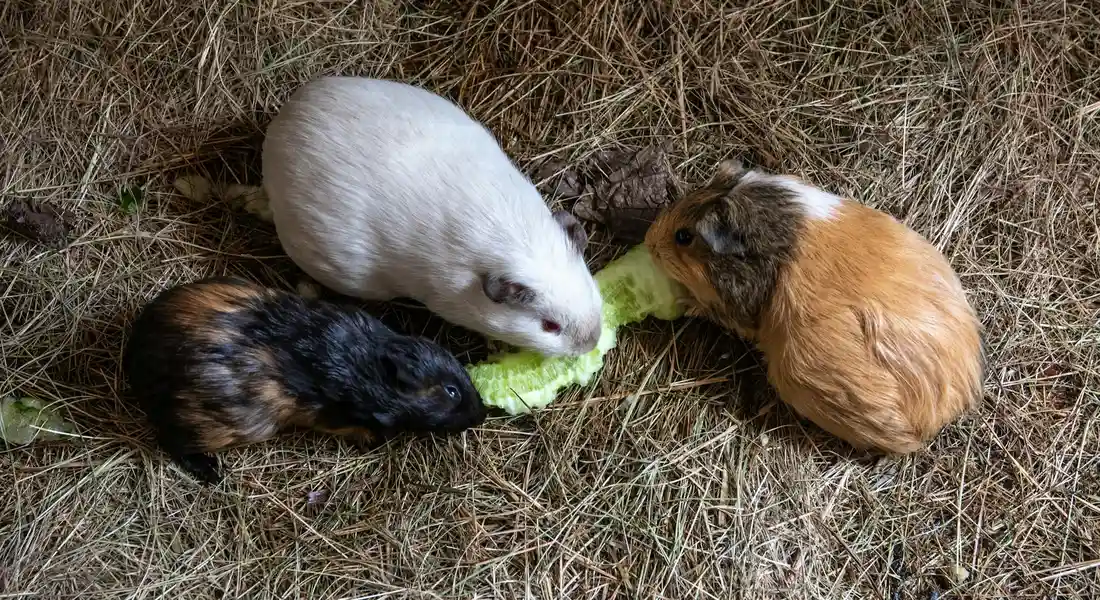
Getting turnips and their greens ready for your guinea pig is simple, but doing it right keeps them happy and healthy. I always start by washing everything under cool running water to remove any dirt or pesticide residues that could harm my pets. This step is non-negotiable in my routine with Pepper, Clover, and Biscuit, as it prevents digestive upsets from hidden toxins.
- Wash thoroughly to remove toxins. Scrub the turnips and rinse greens well, just like I do for my guinea pigs’ veggies to ensure they’re safe and clean.
- Peel turnips if needed, but skins can be safe. If the skin seems tough or dirty, peeling helps, but I often leave it on for extra fiber-Biscuit, my Peruvian, enjoys the texture.
- Determine portion size based on guinea pig size. For smaller pigs like Pepper, I offer a teaspoon-sized piece of turnip and a few greens, adjusting for larger ones to avoid overfeeding.
- Introduce slowly to monitor for allergies. Start with a tiny bite and watch for reactions over a day or two, as I did with Clover to ensure she didn’t have any sensitivities.
After prepping, serve the turnips and greens fresh to maintain nutrients. Chopping them into small, bite-sized pieces makes it easier for guinea pigs to eat and reduces choking risks, something I’ve seen help my trio enjoy their meals more. When preparing vegetables for guinea pigs, rinse them well and remove any dirt or bruised leaves. This prep helps keep meals clean and safe. Always pair this with their regular hay and pellets for a balanced diet.
Risks and Signs of Overfeeding Turnips and Turnip Greens
While turnips and greens are nutritious, overdoing it can lead to health problems due to their high calcium and oxalate content. These compounds can build up in your guinea pig’s system, potentially causing bladder stones or digestive issues if fed too often. From caring for Pepper, Clover, and Biscuit, I’ve learned that moderation is key to preventing long-term harm.
- Discuss high calcium and oxalates affecting digestion. Excess calcium may lead to urinary problems, and oxalates can interfere with nutrient absorption, so I limit these foods to occasional treats.
- List symptoms like bloating or lethargy. Watch for signs such as a swollen belly, reduced appetite, or unusual tiredness-if Biscuit acts sluggish after a big serving, I cut back immediately.
- Advise on moderation to prevent health issues. Stick to small portions once or twice a week, and always observe your pet’s reaction to keep them thriving.
If you notice any discomfort, switch back to their staple foods and consult a vet. Keeping an eye on their behavior helps catch issues early, ensuring your guinea pig stays active and content. I advocate for this careful approach to support animal welfare and avoid unnecessary stress.
Alternatives and Building a Balanced Diet with Variety
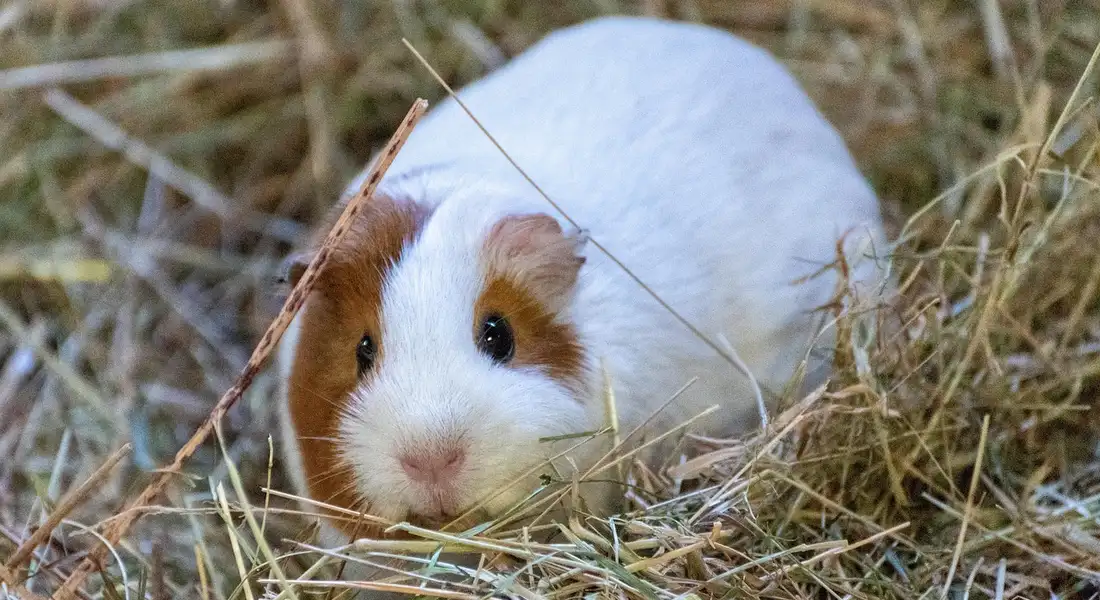
My guinea pigs, Pepper and Clover, thrive on a colorful mix of vegetables beyond turnips. A diverse diet prevents boredom and ensures they get a full spectrum of vitamins and minerals. Their personalities really shine when I introduce new, safe foods and watch their reactions.
Other Safe Vegetables and Leafy Greens
Rotating these vegetables keeps meals exciting and nutritionally balanced.
- Bell Peppers: All colors are excellent sources of Vitamin C, which is vital for their health. Remove the seeds first.
- Romaine Lettuce: A great daily green, much higher in nutrients than iceberg lettuce.
- Cilantro & Parsley: My herd goes wild for these herbs, and they are packed with beneficial antioxidants.
- Zucchini & Cucumber: Perfect for hydration on warmer days, and they are very low in sugar.
- Carrot Tops: The leafy greens are a fantastic treat, often more nutritious than the carrot itself.
The Role of Hay and Pellets as Staples
Fresh vegetables are wonderful, but they are not the main course. Unlimited, high-quality grass hay like Timothy hay must make up about 80% of your guinea pig’s daily intake. This is non-negotiable for their digestive health and to keep their constantly growing teeth worn down. Hay is the backbone of a healthy guinea pig diet. Its fiber keeps the gut moving and the texture helps wear down teeth.
A small, measured amount of fortified guinea pig pellets provides a consistent base of Vitamin C and other nutrients. I always check the pellet ingredients to ensure they are Timothy hay-based and free from colorful, sugary bits. For a quick reference, our look at a high-quality guinea pig pellets ingredient guide explains how to evaluate labels. This helps ensure your pet gets clean, reliable nutrition.
Tips for Weekly Vegetable Rotation
Creating a simple weekly menu prevents dietary ruts and potential nutrient imbalances.
- Designate Core Greens: Choose 2-3 staple greens like romaine lettuce and cilantro to feed most days.
- Schedule Variety Days: Pick 2-3 days a week to introduce a different vegetable, like bell peppers one day and zucchini the next.
- Monitor Their Response: Watch for any changes in their droppings or energy levels when you add something new.
- Keep a List: I have a list on my fridge of all the safe veggies to remind me of the options and avoid repetition.
Practical Tips for Buying and Storing Turnips and Greens
Getting the most nutritional value from your produce starts at the store and continues in your kitchen. Freshness directly impacts the vitamin content your piggies receive. I’ve learned that a little care here makes a big difference.
Guide on Selecting Fresh Produce
Look for turnips that feel firm and heavy for their size with smooth, unblemished skin. Avoid any that are soft, shriveled, or have significant cuts or mold.
For the greens, you want vibrant, crisp leaves. Wilting, yellowing, or slimy leaves are past their prime and should be skipped. I often find the greens sold still attached to the turnip are the freshest.
Storage Methods to Maintain Nutrients
Proper storage keeps your veggies fresh and safe for longer.
- Separate Greens from Roots: If bought together, remove the turnip greens from the root bulb immediately. They draw moisture from each other and wilt faster.
- Store Greens Like Lettuce: Wash the greens, dry them thoroughly in a salad spinner or with towels, and store them in a breathable container or bag with a paper towel to absorb excess moisture.
- Keep Turnips Cool and Dark: Store the turnip roots in the crisper drawer of your refrigerator, loosely in a perforated bag. They can last for weeks this way.
Always wash all vegetables thoroughly under cool running water right before serving to remove any dirt or potential pesticide residue.
When to Consult a Vet for Diet Changes
While introducing new foods like turnips is generally safe, always be observant. You should contact your veterinarian if you notice any significant decrease in appetite, a change in their stool consistency, or unusual lethargy after a dietary change.
Some guinea pigs have more sensitive digestive systems than others. My Biscuit, for instance, needs new foods introduced more slowly than the others. Digestive facts for guinea pigs show that gas and bloating can occur when diets change. Vomiting is not typical in guinea pigs, but signs like gas, burping, or appetite changes should prompt you to seek advice from your vet. Your vet knows your pet’s health history and can provide the best guidance for any concerns.
FAQs

Can guinea pigs eat turnip greens daily?
No, turnip greens should not be fed daily due to their moderate calcium and oxalate levels, which can contribute to urinary issues over time. Instead, rotate them with other safe greens like romaine lettuce or cilantro to maintain a balanced diet.
What are the key health benefits of turnip greens for guinea pigs?
Turnip greens provide essential Vitamin C to prevent scurvy and support immune function in guinea pigs. They also offer dietary fiber for healthy digestion and hydration due to their high water content.
How much turnip greens is safe to feed a guinea pig in one serving?
A safe serving size is typically one to two large leaves per guinea pig, adjusted based on their individual size and dietary needs. Start with smaller amounts when introducing them to monitor for any adverse reactions. For daily feeding, vegetables should be provided in moderation as part of a balanced diet, with hay as the main staple. A rough daily guideline is about a cup of leafy greens per guinea pig, adjusted for size and health.
Are there any specific risks of feeding turnip greens to guinea pigs with health issues?
Yes, guinea pigs prone to bladder stones or digestive sensitivities should avoid turnip greens due to their oxalate and calcium content. Always consult a veterinarian before adding new foods if your pet has existing health conditions. In a balanced guinea pig diet, safe greens like romaine lettuce and cilantro can be offered in moderation. Introduce any new greens gradually and monitor for digestive upset.
Can turnip greens help with a guinea pig’s hydration and digestion?
Yes, the high water content in turnip greens aids in keeping guinea pigs hydrated, while the fiber promotes smooth digestion and prevents issues like GI stasis. However, feed in moderation to avoid overloading on calcium.
Caring for Your Guinea Pig with Turnips: A Quick Recap
Turnips and their greens can add variety to your guinea pig’s diet when served in small, occasional portions to avoid digestive issues. Always wash vegetables thoroughly and introduce new foods slowly to watch for any adverse reactions in your pet, especially when trying new leafy greens like collard greens.
From my time with Pepper, Clover, and Biscuit, I’ve learned that staying curious about pet nutrition and choosing locally grown, pesticide-free options benefits both your guinea pig and the planet. Keep exploring safe, eco-friendly care habits to ensure your furry friends thrive in a healthy home environment.
Further Reading & Sources
- Can Guinea Pigs Eat Turnip Greens? Vet-Approved Nutrition Facts | Hepper Pet Resources
- Turnip greens – Guinea Pig Cages
- Can Guinea Pigs Eat Turnip Greens? Vet-Approved Health Facts | PangoVet
- DIET | wheekcare
Kate is a passionate guinea pig owner and advocate for small pet welfare. With over a decade of experience caring for guinea pigs, she has become a trusted voice in the small pet community.
Uncategorized