Safe Eating: Harmful Ingredients to Avoid in Guinea Pig Pellets
Hello CavyFam! Does reading your guinea pig’s pellet bag feel like decoding a mystery? You are not alone in that worry.
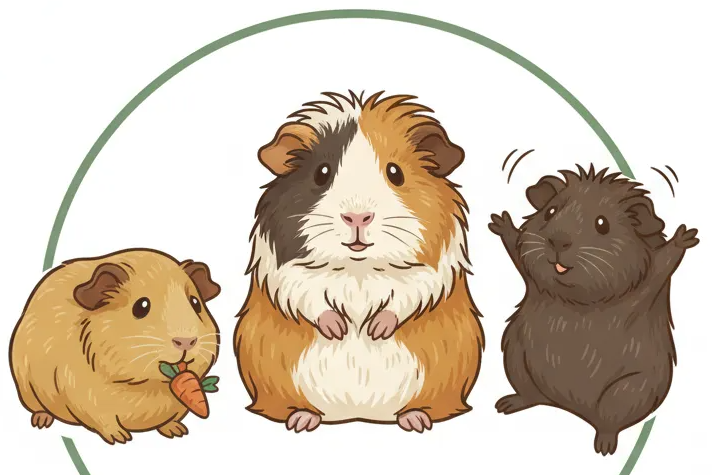
I will guide you through the key offenders to steer clear of for a healthy pet. Artificial colors, preservatives like BHA and BHT, excessive sugars, and unhealthy fillers are all on my list. My years of experience with gentle Pepper, graceful Clover, and intelligent Biscuit have taught me what truly nourishes them.
Spotting the Sneaky Stuff: Common Harmful Additives
Sweeteners and Sugars That Spell Trouble
You might think a sweet pellet would be a treat, but for guinea pigs, added sugars are a direct path to health problems. I learned this the hard way when Biscuit, my Peruvian, started gaining excess weight on a pellet brand that listed molasses as its third ingredient. Their tiny bodies aren’t built for processed sugars, which can spike their blood glucose and stress their systems.
Always flip the bag and scan for these common culprits:
- Sucrose or plain “sugar”
- Fructose or high-fructose corn syrup
- Molasses or cane syrup
- Dextrose or maltodextrin
If you see any of these near the top of the list, put that bag right back on the shelf. Your piggy’s daily staple should never double as a candy.
Artificial Preservatives and Colorants
Vibrantly colored pellets might catch your eye, but those hues often come from artificial dyes that offer zero nutritional value and can cause real harm. After Clover, my Abyssinian, showed signs of mild skin irritation and unusual skittishness, I traced it back to a pellet with artificial red and yellow dyes. Preservatives like BHA and BHT are also common but concerning.
Here’s a quick checklist of additives to reject:
- Preservatives: BHA (butylated hydroxyanisole), BHT (butylated hydroxytoluene), ethoxyquin
- Colorants: Red 40, Yellow 5, Blue 2, and other FD&C colors
- Artificial flavors like “chicken flavor” or “apple flavor”
Look for pellets preserved with natural vitamin E (mixed tocopherols) or vitamin C instead. Your guinea pig’s food should be fresh and simple, not a chemical experiment (more tips on keeping them fresh).
Inappropriate Animal-Derived Ingredients
Guinea pigs are strict herbivores, meaning their digestive tracts are designed for plants, not animal products. Finding “animal fat” or “meat meal” in a guinea pig pellet is a major red flag and a sign of a poorly formulated product. I once made the mistake with Pepper, and it led to a messy week of digestive upset before our vet pinpointed the cause. Some people wonder whether guinea pigs can eat meat or animal products like chicken, but they can’t. Guinea pigs are strictly herbivores, and animal-derived ingredients can cause health problems.
These ingredients have no place in your cavy’s bowl:
- Animal fat, lard, or tallow
- Meat meal, bone meal, or fish meal
- Dairy products like whey or milk powder
- Egg or egg derivatives
Stick to plant-based fats and proteins from sources like timothy hay and alfalfa. Feeding animal proteins can overwork their kidneys and lead to obesity.
Other Toxic or Problematic Components
Beyond the obvious offenders, some ingredients are problematic due to their form or potential contamination. Seeds, nuts, and dried fruits are often included for crunch but are too high in fat and sugar for daily consumption. They should be rare treats, not pellet ingredients.
Stay vigilant for these other components:
- Whole seeds or pits (choking hazard, high fat)
- Dried fruits like raisins or cranberries (concentrated sugar)
- Certain grains like corn as a main filler (can be mold-prone)
- Unspecified “plant products” which might include unsafe herbs
Always choose pellets with a clear, limited ingredient list. When in doubt, a plain timothy hay-based pellet is the safest bet for most adult guinea pigs. A quick look at a high-quality guinea pig pellet ingredient guide can help you compare fiber, calcium, and vitamin C levels. Using such a guide makes it easier to pick pellets with simple, recognizable ingredients.
Understanding the Risks: Why These Ingredients Are Harmful
The Sweet Danger: Sugar’s Impact on Health
Think of sugar in guinea pig pellets like empty calories that wreak havoc on their delicate metabolism. Consistent sugar intake can lead to weight gain, insulin resistance, and painful dental issues as it promotes tooth decay. My gentle Pepper struggled with early signs of this before we switched diets.
Their bodies process sugar quickly, leading to energy spikes and crashes that stress their system. This isn’t just about avoiding obesity; it’s about preventing metabolic disorders that can shorten their lives. I now check every label twice, because a healthy piggy is a happy, active piggy.
Preservatives and Colors: Hidden Health Hazards
Artificial preservatives and colors aren’t just unnecessary; they’re linked to long-term health risks that aren’t always immediately visible. Compounds like BHA are considered potential carcinogens, and artificial dyes have been connected to allergic reactions and behavioral changes in sensitive animals. After Clover’s experience, I advocate for completely natural preservation.
These chemicals can accumulate in their small livers over time. Choosing pellets without them is a proactive step toward reducing your pet’s toxic load and supporting their overall vitality. It’s one of the easiest ways to upgrade their care.
Animal Proteins and Fats: A Digestive Mismatch
Guinea pigs lack the digestive enzymes to properly break down animal-derived proteins and fats, leading to gastrointestinal distress. Feeding these ingredients can cause bloating, diarrhea, and put undue strain on their kidneys, which are designed to process plant-based wastes. I saw this firsthand with Biscuit’s discomfort. This is one of the top guinea pig diet mistakes that lead to serious health issues. Learning to avoid such foods is essential for their long-term health.
Their cecum, a special part of their gut for fermenting fiber, gets thrown off balance by animal products. Sticking to a species-appropriate, herbivore diet is crucial for maintaining healthy gut flora and preventing serious digestive blockages. It’s a fundamental aspect of responsible ownership.
Toxins and Irritants: From Kitchen to Cage
Sometimes, harm comes not from added ingredients but from contaminants introduced during farming or processing. Pesticide residues on grains or mold toxins like aflatoxins from poor storage can silently poison your pet. This is why sourcing from reputable companies matters so much.
Here’s what to consider to minimize these risks:
- Choose brands that specify pesticide-free or organic ingredients.
- Look for pellets that are consistently fresh-smelling, not musty.
- Store food in a cool, dry place to prevent mold growth at home.
Vigilance with ingredient quality protects your guinea pig from invisible threats that could cause liver damage or other chronic illnesses. It’s a layer of care that goes beyond the label.
Decoding the Bag: How to Read Pellet Ingredient Labels
Start with the First Five Ingredients
Turn that pellet bag around and look at the ingredient list first thing. The initial five items show what the food is mostly made of. I remember buying a brand where corn was listed first for my guinea pigs, Pepper and Clover. They nibbled half-heartedly, and I saw a dip in their usual playful energy. Ingredients appear in order of weight, so the top spots dominate what your pet eats. You want Timothy hay or a similar grass hay leading the list, followed by simple vegetables or grains. For more tips,learn how to read a guinea pig food label like a pro.
My personal checklist for those crucial first ingredients includes:
- Timothy hay or orchard grass as number one.
- Natural vitamin sources like vitamin C from rose hips.
- No sugars, molasses, or corn products in the top five.
After I found a pellet with Timothy hay first, even Biscuit, my more reserved Peruvian, perked up and his dark brown coat looked glossier. Focusing on the first five ingredients is a quick way to gauge the overall quality of the pellet. When people compare homemade versus commercial pellets, they weigh the pros and cons of each. It often comes down to nutrition, freshness, and practicality for their routine.
Learn the Hidden Names and Aliases
Harmful components often wear clever disguises on labels. I once picked a bag with “dextrose” listed, thinking it was harmless, but it’s simply another term for sugar. Guinea pigs like Clover don’t need extra sugar; it can cause weight gain and tooth troubles. Watch for sneaky names like sucrose, fructose, or corn syrup solids-they all mean added sugar.
Other common aliases I’ve learned to spot include:
- Animal by-products, which are vague and often low-quality protein.
- Preservatives like ethoxyquin or BHA, which I avoid for long-term health.
- Propylene glycol, used for texture but potentially irritating.
Now when I shop, I scan for these terms to keep my trio safe. For Pepper, who has a steady temperament, cleaner ingredients mean consistent digestion and happiness. Recognizing these hidden names empowers you to bypass pellets with questionable contents.
Seek Out Quality Indicators
High-quality pellets broadcast their merits right on the packaging. I always search for statements like “fortified with vitamin C” or “no artificial preservatives.” Guinea pigs cannot make their own vitamin C, so it must come from their diet. A reliable pellet will include stabilized vitamin C to prevent scurvy and other deficiencies. In our guinea pig pellet brands reviewed and compared guide, we rank options by vitamin C content, palatability, and ingredient quality. This helps you pick a reliable pellet your guinea pig will actually eat.
Here are the markers I look for based on my years of care:
- Non-GMO verification, indicating fewer processed additives.
- Manufacturing in regions with strict pet food safety standards.
- Clear ingredient sourcing, showing company transparency.
With all my guinea pigs, especially gentle Pepper, these quality signs correlate with brighter eyes and more active behavior. Seeking out these indicators helps you choose pellets that align with strong animal welfare practices.
Choosing Wisely: What to Look For in Safe Pellets
Prioritize High-Fiber, Timothy Hay-Based Formulas
Fiber is the engine of a guinea pig’s digestive health, and Timothy hay provides the perfect kind. When Biscuit was younger, I tried an alfalfa-based pellet, but it was too calcium-rich for him. Timothy hay-based pellets offer the high fiber and low calcium balance that adult guinea pigs require. They support gut motility and help avoid common issues like bloating.
Consider these formulas for your pet:
- Timothy hay pellets: the best daily choice for most adult guinea pigs.
- Alfalfa-based pellets: suitable only for young, growing, or pregnant pigs.
- Pellets avoiding excessive grain fillers like oat hulls or wheat mill run.
Since switching to a high-fiber Timothy hay pellet, Clover’s graceful movements have stayed smooth, and her digestion is regular. Hay is essential in a guinea pig’s diet because it provides the daily fiber that supports gut health and helps wear down continuously growing teeth. Prioritizing fiber from Timothy hay is a cornerstone of preventive care for your guinea pig.
Embrace Natural Preservation and Fortification
Preservatives prevent spoilage, but natural options are kinder. I choose pellets preserved with mixed tocopherols (a form of vitamin E) over artificial chemicals like BHT. Natural preservatives maintain freshness without introducing potential toxins into your pet’s body.
Fortification with vitamin C is equally vital. Look for pellets that list ascorbic acid or vitamin C from natural sources such as acerola cherry. My practical list includes:
- Guaranteed vitamin C levels, ideally over 50 mg per pound of food.
- Fortification from whole food sources, not just synthetic additives.
- No artificial colors or flavors, which are unnecessary for nutrition.
For thoughtful Clover, this natural approach means her light brown coat stays soft and she avoids skin irritations. Embracing natural preservation and fortification feeds your guinea pig as nature intended.
Practical Tips for Pellet Selection
Let’s make choosing pellets simple and stress-free. I start by examining the bag in my hands, checking the ingredient panel and guaranteed analysis. Next, I gently press the bag to feel the pellets; they should be firm, not powdery. A quality pellet feels dense and smells mildly of fresh hay, not artificial or sweet.
Follow this straightforward process on your next shopping trip:
- Read the first five ingredients to ensure Timothy hay is primary.
- Identify and avoid hidden aliases for sugars and unhealthy fats.
- Look for quality badges like non-GMO or specific vitamin C fortification.
- Check the crude fiber percentage, aiming for 18% or higher.
- Match the pellet to your guinea pig’s life stage and health history.
I even let my intelligent Biscuit sniff a new pellet sample before I buy a full bag-he approves of the Timothy hay ones every time. These practical tips streamline your selection and build confidence in your feeding choices.
FAQs
What are the safe and recommended alternatives to these harmful ingredients?
Choose pellets that use natural preservatives like mixed tocopherols (vitamin E) and are fortified with stabilized vitamin C from sources such as rose hips or acerola cherry. Ensure the formula is primarily based on Timothy hay and entirely free from animal products and added sweeteners.
How can I properly read and understand the ingredient list on guinea pig pellet packaging?
Focus on the first five ingredients to confirm Timothy hay is listed first, indicating a high-fiber base. Steer clear of any pellets that include hidden sugars like dextrose or artificial additives such as BHA and FD&C colors in the ingredient list.
Are there any specific brands of guinea pig pellets that are known to be free of harmful ingredients?
While I avoid endorsing specific brands, seek out those that transparently advertise no artificial colors, preservatives, or added sugars. Trustworthy options typically feature Timothy hay as the main ingredient and provide clear, concise labeling about their natural fortification.
Your Path to Healthier Guinea Pig Meals
My guinea pigs Pepper, Clover, and Biscuit stay energetic and content when their pellets exclude risky fillers and artificial enhancers. When it comes to the foods guinea pigs have, hay should form the foundation of their daily diet, with fresh greens as a safe supplement. Stick to simple, hay-based formulas and rigorously avoid ingredients like soybean meal, animal by-products, or added sugars to protect their delicate digestive systems.
Caring for your pets responsibly involves a constant curiosity about nutrition and its impact on their world. Seek out brands using recyclable materials and transparent sourcing, turning each purchase into a conscious choice for your animals and the planet.
Further Reading & Sources
- r/guineapigs on Reddit: My vet says that pellets aren’t good for guinea pigs and that I should stop giving them to my guinea pigs. Is that true? (image for attention)
- r/guineapigs on Reddit: Just had my local vet tell me not to feed my pigs pellets. Is this true?
- Non-GMO, Soy-Free Guinea Pig Food Pellets – Small Pet Select U.S.
- r/guineapigs on Reddit: What Guinea pig pellets do you recommend?
Kate is a passionate guinea pig owner and advocate for small pet welfare. With over a decade of experience caring for guinea pigs, she has become a trusted voice in the small pet community.
Uncategorized