Guinea Pig Water and Vitamin C Needs
Hello CavyFam! Is your guinea pig getting enough of the right stuff to drink and eat? It’s a common worry, but getting their hydration and vitamin C right is simpler than you think.
In this guide, I’ll walk you through daily water requirements, the critical role of vitamin C, signs of deficiency, and simple feeding tips.
I’ve learned this firsthand through years of caring for my own happy, healthy herd of cavies.
Understanding Guinea Pig Water Intake
Guinea pigs typically drink 100 to 300 milliliters of water each day, depending on their size, diet, and environment. My guinea pigs, like Pepper and Clover, often drink more when it’s warm or if they’re munching on dry hay. So, how much water should guinea pigs drink daily? In general, provide constant access to fresh water; daily intake typically falls within the 100–300 ml range, though exact amounts vary with climate, diet, and activity. Factors like age, activity level, and health conditions also play a role in their hydration needs.
Always provide fresh, clean water to prevent dehydration and support overall well-being. I check their water sources twice a day to ensure they’re full and free from contaminants. This simple habit helps keep my pets healthy and happy.
Steps for Providing Fresh Water
- Refill water bottles or bowls daily with cool, filtered water.
- Clean containers thoroughly with mild soap and rinse well to remove residue.
- Inspect for leaks or algae growth, replacing items if needed.
- Place water in a shaded, accessible spot to encourage drinking.
Water Bottles vs. Bowls: Pros and Cons
- Water Bottles: Reduce spillage and keep water cleaner, but nozzles can clog and need regular checks.
- Water Bowls: Easy to clean and natural for drinking, yet they may get tipped over or soiled quickly.
I use bottles for my trio—Pepper, Clover, and Biscuit—because it minimizes mess and keeps their water fresh longer. Choosing the right option depends on your guinea pig’s habits and your setup. To keep water clean and healthy, regularly wash and sanitize the bottles and check the nozzle for buildup. Regular maintenance like this helps prevent slime and leaks.
Daily Vitamin C Needs for Guinea Pigs
Guinea pigs require 10 to 30 milligrams of vitamin C daily to prevent scurvy, a painful condition they can’t avoid on their own. Without enough vitamin C, they might show signs like lethargy or swollen joints, which I’ve seen in rescue cases. This nutrient is vital for immune function and tissue repair. So, how much vitamin C do guinea pigs need daily? In general, about 10–30 mg per day is appropriate, with the exact amount depending on size and life stage.
Offer vitamin C through fresh foods and supplements to meet their needs consistently. I aim for a mix of sources to keep my guinea pigs’ diets varied and exciting. This approach has kept Pepper, Clover, and Biscuit in great shape over the years. Common foods guinea pigs have access to include leafy greens, hay, and fortified pellets, which help keep their diet balanced. These choices also support their dental wear and vitamin C intake.
Safe, Vitamin C-Rich Veggies to Feed
- Bell peppers (red, yellow, or green)-high in C and low in sugar.
- Kale and broccoli leaves-packed with nutrients but feed in moderation.
- Parsley and cilantro-add flavor and a vitamin boost.
- Strawberries and oranges-occasional treats for extra C.
I often give my guinea pigs small slices of bell pepper; the crunch seems to delight them while covering their vitamin C needs. Rotate veggies to provide a balanced diet and prevent boredom.
Vitamin C degrades quickly when exposed to light, heat, or air, so fresh is best. Store supplements in a cool, dark place and use them within their expiration dates. I’ve found that feeding veggies shortly after chopping preserves more nutrients for my pets.
Signs of Dehydration and Vitamin C Deficiency
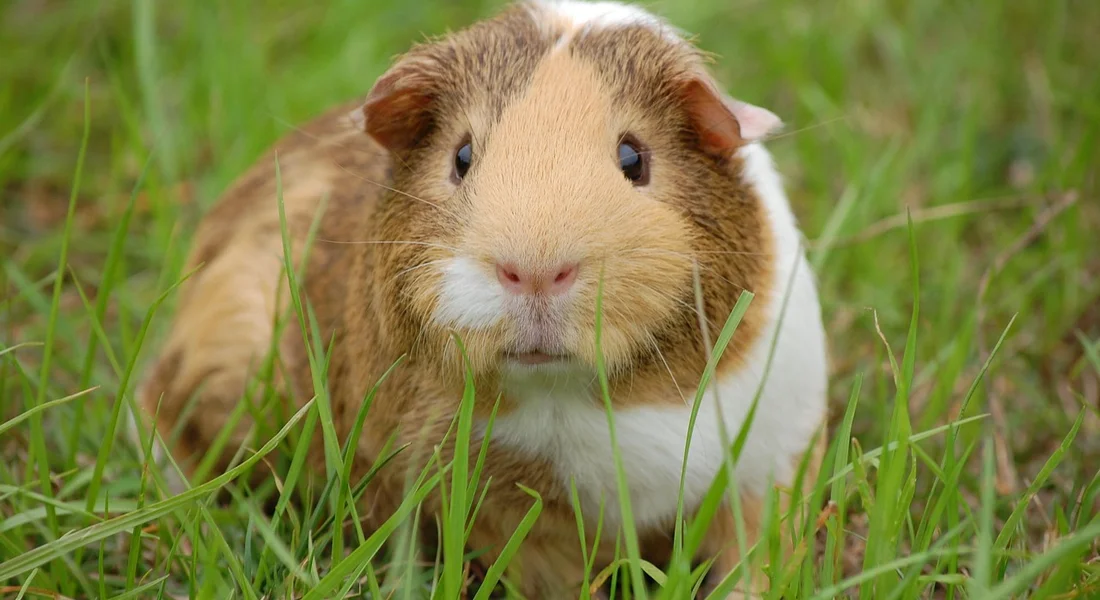
Spotting early signs in your guinea pig can prevent bigger health issues down the line. I’ve learned from caring for my trio-Pepper, Clover, and Biscuit-that small changes in behavior often hint at dehydration or vitamin C shortage.
- Lethargy or unusual tiredness, where your pet moves less than normal.
- Rough, unkempt fur that lacks its usual softness and shine.
- Loss of appetite or refusing favorite treats, which I noticed with Biscuit once.
- Swollen joints or difficulty moving, often paired with general weakness.
- Dry nose or sunken eyes, key indicators of low water intake.
If you see these symptoms, act quickly to support your guinea pig’s health. Start by offering fresh, clean water and vitamin C-rich veggies like bell peppers to boost their levels gently. Be alert to changes in guinea pig behavior that may signal pain or illness, such as reduced activity, appetite loss, or hiding. Recognizing these signs early helps you seek veterinary care promptly.
- Increase daily vitamin C through safe foods or supplements, aiming for 10-30 mg based on weight.
- Ensure constant access to water, changing it twice daily to encourage drinking.
- Monitor their behavior for improvements over 24-48 hours.
- Contact a vet immediately if symptoms worsen or include bleeding gums or severe lethargy.
Water intake is tightly linked to overall wellness, aiding digestion and nutrient absorption. From my experience, a well-hydrated guinea pig like Pepper stays more active and maintains a healthier coat.
Best Vitamin C Sources and Supplements
Guinea pigs rely on dietary vitamin C since their bodies can’t produce it. I always prioritize natural sources first, as they’re easily absorbed and add variety to meals. Sometimes essential vitamin supplements for guinea pigs are used to ensure they meet daily vitamin C requirements. Always consult a veterinarian before starting any supplement.
- Red bell peppers: Packed with ascorbic acid and a favorite for Clover.
- Broccoli florets: Offer small amounts to avoid gas but provide good C levels.
- Kale and parsley: Nutrient-dense greens that my guinea pigs enjoy in rotation.
- Avoid citrus fruits like oranges, as their acidity can irritate delicate mouths.
Supplements are handy backups, especially during busy weeks. Liquid drops mix well with water, while chewable tablets can be crumbled over food for easy intake.
- Liquid supplements: Easy to dose but may alter water taste; I use them sparingly.
- Tablets or powders: Convenient for precise amounts, ideal for picky eaters like Biscuit.
- Fortified pellets: Check labels for added C, but don’t rely solely on them due to nutrient loss over time.
Dosage varies by age and health; generally, adult guinea pigs need 10-30 mg daily. When considering daily feeding, this translates to a measured pellet portion appropriate for their size. In practice, many caretakers aim for a small, consistent daily pellet amount based on the guinea pig’s age and health. Always consult your vet to tailor amounts, as over-supplementing can cause issues.
Integrate these into diets by chopping veggies finely or mixing supplements with moist foods. I rotate options to keep meals exciting and ensure my pets get a balanced boost without boredom.
Hydration and Vitamin C Delivery Methods
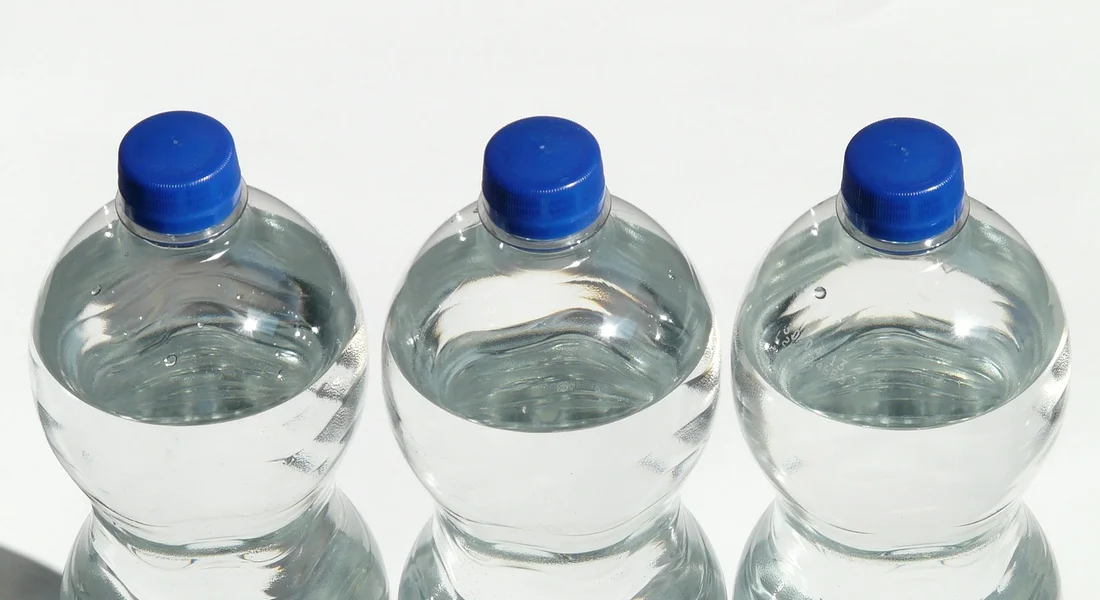
Choosing the right water delivery method can make a big difference in your guinea pig’s health. I’ve found that water bottles are generally safer than bowls because they reduce contamination risks, especially with curious pigs like Biscuit who might tip things over. Look for bottles with stainless steel spouts to prevent chewing damage, and check them daily for leaks by giving a gentle squeeze. Considering the definitive pros and cons of water bottles versus bowls can help ensure your guinea pig stays well hydrated. Some pigs drink more readily from bottles, while others prefer bowls for easy access.
- Clean bottles or bowls with a vinegar-water solution every day to stop bacteria buildup.
- Position the bottle in a shaded part of the cage to keep water at room temperature, as cold water can upset their stomachs.
- If you use a bowl, opt for a heavy ceramic one to avoid spills-my gentle Pepper prefers this for easy access.
Preventing leaks starts with a tight seal and regular inspections. Always test new bottles by filling them and hanging them outside the cage for an hour to spot any drips before your pig relies on it. This tip is part of the stop guinea pig water bottle from leaking complete guide and helps you catch leaks early. A quick check now saves mess and wasted water later. For consistent temperature, I refill with filtered water that’s been sitting out to reach ambient warmth, avoiding sudden changes that could stress them.
- Secure the bottle firmly to the cage bars to minimize movement that causes leaks.
- Change water twice daily in hot weather to maintain a stable, cool temperature.
- Wrap the bottle in a light cloth during winter to insulate it from cold drafts.
Adding vitamin C safely is crucial since they can’t produce it themselves. I never mix vitamin C directly into water because it breaks down quickly and might discourage drinking if the taste changes. Instead, I sprinkle a vet-approved powder on fresh veggies like bell peppers or use liquid drops mixed into their morning pellets for Clover and Biscuit, who are more reserved eaters.
- Offer vitamin C-rich foods daily, such as kale or oranges, but in small amounts to avoid digestive issues.
- Use supplements specifically designed for guinea pigs to prevent overdose-human versions can be harmful.
- Monitor intake by observing if they finish their food; if not, adjust the method to ensure they get enough.
Maintaining Clean Water and Preventing Issues
A clean water routine is your best defense against health problems. I change water every morning and give bottles a thorough scrub with a bottle brush to remove slime or algae that can cause infections. For bowls, wash them after each use to stop bacteria from multiplying, and always rinse well to avoid soap residue.
- Replace water if it looks cloudy or has debris-this is a sign it’s time for a refresh.
- Clean the entire water system weekly with a 50-50 vinegar solution to disinfect and remove mineral deposits.
- Store extra water in a clean container to make daily changes quick and easy.
Common issues like watery eyes often tie back to hydration or vitamin C levels. When Biscuit had watery eyes, I realized it was from slight dehydration after a hot day, so I started offering extra water breaks and vitamin C boosts. Watch for signs like lethargy or dry nose, which can indicate they’re not drinking enough.
- Check for watery eyes or crustiness around them, and increase hydration if you see these symptoms.
- Link frequent sneezing or respiratory issues to dirty water sources that harbor germs.
- Consult a vet if problems persist, as it could point to a deficiency needing medical attention.
Hydration tips vary by age and personality to meet individual needs. Younger pigs like Biscuit need more frequent water checks because they’re growing and may forget to drink, while older ones like Clover might sip slowly and benefit from shallow dishes. For personalities, gentle Pepper drinks steadily from a bottle, but I encourage reserved Biscuit by placing water near her favorite hiding spot.
- For babies under 6 months, provide water in easy-to-reach locations and monitor intake closely.
- With active personalities, offer multiple water points to prevent competition and ensure everyone stays hydrated.
- In multi-pig homes, observe drinking habits to spot any pig that might be missing out due to shyness.
Integrating Water and Vitamin C into Daily Care
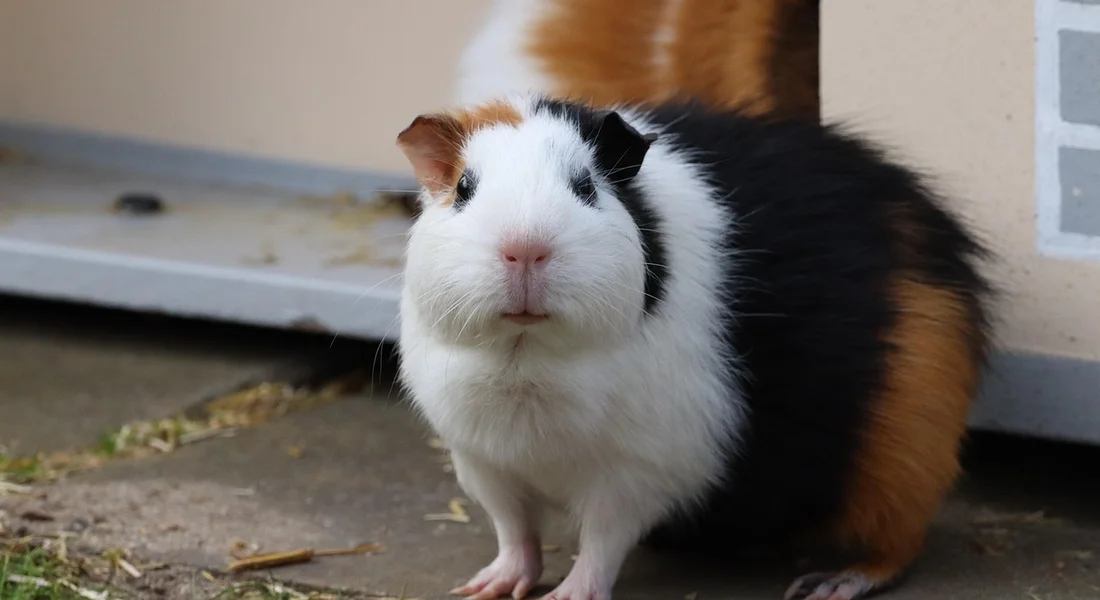
Caring for my trio—Pepper, Clover, and Biscuit—has taught me that a consistent daily rhythm is the secret to their health. Establishing a predictable schedule helps your guinea pigs feel secure and ensures they never miss their essential nutrients. These rhythms double as tips and tricks for managing guinea pig care on a busy schedule. A simple checklist helps me keep feeding, cleaning, and playtime on track.
A Balanced Daily Feeding Schedule
I follow a simple two-meal routine that works beautifully for my herd. Their mornings start with fresh water and a vitamin C-packed breakfast.
- Morning (8 AM): Refill their water bottle with fresh, cool water. Serve a small handful of vitamin C-rich vegetables like bell pepper or kale.
- Evening (6 PM): Offer their main portion of fresh veggies, again focusing on high-vitamin C options. This is also when I refresh their unlimited timothy hay.
This schedule prevents their sensitive digestive systems from being overloaded. Spreading their fresh food intake across two meals helps maintain stable energy levels and supports hydration throughout the day.
Monitoring Daily Consumption
Keeping a close eye on their intake is my top priority. A sudden change can be the first sign of a health issue.
- Check the Water Bottle: Every morning, I note the water level. A significant drop or a full bottle from the day before tells me a lot about their well-being.
- Watch Them Eat: I spend a few minutes observing who eats what. Shy Biscuit sometimes needs encouragement, so I’ll hand-feed her a piece of pepper to make sure she gets her share.
- Note Their Energy: Lethargy or a lack of interest in food, especially their favorite veggies, is a major red flag that requires immediate attention.
Daily, gentle observation is your most powerful tool for catching potential health problems early.
Eco-Friendly and Safe Health Practices
Caring for our pets and the planet can go hand-in-hand. I use stainless steel bowls for food and water because they are durable, easy to clean, and completely recyclable.
- Wash Veggies in a Bowl: Instead of running water, I fill a bowl to wash their produce and then use that water for my plants.
- Choose Local Produce: When possible, I buy vegetables from local farmers to reduce the carbon footprint of their diet.
- Compost Waste: All their leftover veggie scraps and soiled hay go into a compost bin, turning waste into nutrient-rich soil for my garden.
Simple, sustainable choices in your daily routine make a significant difference for your guinea pig’s environment and our world.
FAQs
How do you use a guinea pig waterproof cage liner?
Lay the liner flat on the cage floor to shield it from spills and moisture. Ensure it fits snugly and check regularly for any tears or chewing damage.
Why is my guinea pig water bottle leaking?
Leaks can stem from a worn-out seal or a faulty ball mechanism in the nozzle. Inspect for cracks and tighten the bottle’s attachment to prevent drips.
Can a guinea pig water bottle be used for humans?
No, these bottles are specifically designed for small pets and may harbor bacteria unsafe for people. They lack the capacity and hygiene standards required for human consumption.
How do you fix a guinea pig water bottle drip tray?
Remove and clean the tray to unclog any blockages causing overflow. If it’s cracked or warped, replace it with a compatible tray to avoid water pooling.
Where can I find guinea pig water dispensers at Petco?
Look in the small animal supplies aisle, where bottles and bowls are typically displayed. You can also use Petco’s website to check inventory and store availability.
Your Guinea Pig’s Happy, Healthy Future
From my time caring for Pepper, Clover, and Biscuit, I’ve found that providing fresh water daily and a consistent source of vitamin C through vegetables or supplements is non-negotiable for their well-being. Monitoring their hydration and vitamin intake prevents common health issues and keeps them thriving for years.
Responsible ownership means committing to lifelong learning about your pet’s needs and choosing eco-friendly bedding or toys whenever possible. Every small, sustainable choice you make contributes to a healthier home for your guinea pig and our planet.
Further Reading & Sources
- VITAMIN C Recommendations for Guinea Pigs | Arizona Exotics | -Guinea Pigs Resources
- Guinea Pigs Diet and Vitamin C Requirements
- Guinea Pigs & Vitamin C Supplementation: What You Should Know | Mariposa Veterinary Wellness Center
- Vitamin C for Guinea Pigs, Rabbits & Small Pets (Guide)
Kate is a passionate guinea pig owner and advocate for small pet welfare. With over a decade of experience caring for guinea pigs, she has become a trusted voice in the small pet community.
Uncategorized