Moving House with Guinea Pigs: A Low-Stress Planning Checklist
Published on: March 13, 2026 | Last Updated: March 13, 2026
Written By: Kate M. Callahan
Hello CavyFam! Are you planning a move and concerned about how your guinea pigs will handle it?
I understand-moving can be stressful for these sensitive pets, but with proper planning, it can be a low-stress experience for everyone.
In this guide, I’ll walk you through pre-move preparations, safe transport methods, and post-move settling-in tips to ensure your guinea pigs stay calm and secure.
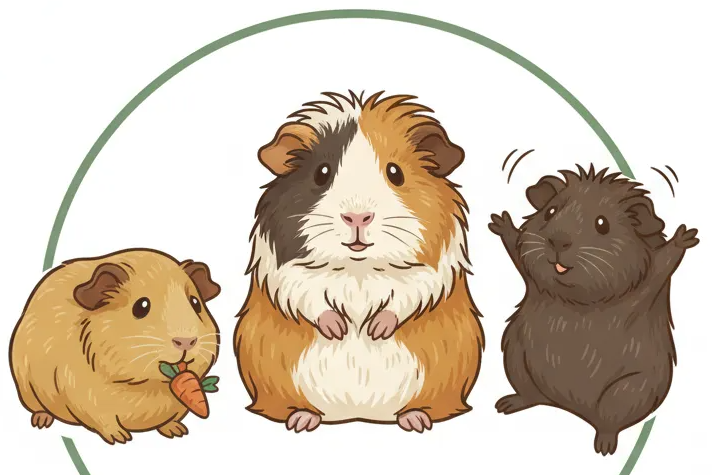
As a guinea pig owner who has moved with Pepper, Clover, and Biscuit, I share advice from my own experiences to help you navigate this change smoothly.
Your Pre-Move Guinea Pig Planning Guide
Schedule a Pre-Move Veterinary Checkup
Book a wellness appointment with your vet about two weeks before your move. This visit ensures your guinea pigs are healthy enough for the journey and gives you time to address any emerging issues. Regular vet visits are part of a complete care schedule for guinea pigs, not just emergencies. A routine plan with annual or biannual checkups, dental exams, and weight/diet monitoring helps keep Pepper, Clover, and Biscuit thriving. I always get a health certificate for my trio—Pepper, Clover, and Biscuit—as some states or landlords require it.
Discuss stress management with your veterinarian. They can offer tailored advice or even prescribe a mild, safe calming supplement if your pig is particularly anxious. My vet once suggested a specific probiotic that worked wonders for Biscuit’s sensitive stomach during a previous move.
Assemble Your Guinea Pig Moving Kit
Pack a dedicated box or bag with everything you’ll need for the first 24 hours in your new home. Having this kit within arm’s reach prevents frantic searches through stacked boxes when you arrive. Here’s what I always pack:
- Their secure, well-ventilated travel carrier
- A two-day supply of their regular pellets and hay
- A water bottle and a small bowl for fresh veggies
- A favorite fleece hidey or small blanket for comfort
- Any prescribed medications or supplements
- Emergency contact info for your current and new vet
Research and Prepare for Your New Environment
Learn about the climate and potential hazards in your new area. A sudden change in temperature or humidity can be a shock to their systems, so plan your cage placement accordingly. If you’re moving to a hotter state, scout a spot away from direct sunlight.
Locate a new exotic veterinarian near your new address before you go. Knowing you have a trusted professional lined up provides immense peace of mind in case of an emergency. I read online reviews and call to confirm they treat guinea pigs specifically. If you have guinea pigs, make sure the veterinarian has solid experience with guinea pigs and other small mammals. Ask about their emergency hours and familiarity with common guinea pig issues.
Creating a Safe Travel Environment
Choosing and Preparing the Right Carrier
Select a hard-sided plastic carrier designed for small animals. A sturdy carrier protects them from being accidentally crushed and feels more secure than a soft bag. I line the bottom with a soft, absorbent towel and then add a generous layer of their usual hay.
Familiarize your guinea pigs with the carrier a week before the move. Leave it in their playpen with some tasty cilantro inside so they learn to see it as a safe, positive space. My pig Clover was much calmer on moving day because she had already explored her travel crate.
Managing Temperature and Ventilation During Transport
Guinea pigs are very sensitive to temperature extremes. Your car’s interior should be kept at a comfortable room temperature, avoiding both blasting air conditioning and hot, stagnant air. I always check the backseat area where their carrier is placed to ensure it’s not in a direct draft or sunbeam. Guinea pigs can’t handle heat and are prone to overheating.
Never leave your guinea pigs alone in a parked car. Even on a mild day, a car’s temperature can become dangerous within minutes, leading to fatal heatstroke. Crack the windows for fresh air, but make sure the opening is far too small for any part of the carrier to fit through.
The Moving Day Timeline for Guinea Pigs
Last Minute Preparations Before Departure
On moving day, the goal is to keep your guinea pigs’ routine as normal as possible until the very last moment. I always feed my trio, Pepper, Clover, and Biscuit, their breakfast at the usual time to provide a sense of stability. This simple act of normalcy helps calm their nerves before the big change. Understanding their daily patterns can help, since guinea pigs are typically most active at dawn and in the late afternoon. Plan interactions and feeding around those peak times to keep the move smoother.
Pack a dedicated “Guinea Pig Travel Kit” that stays with you, not on the moving truck. Your kit should include enough hay and pellets for a few days, a water bottle, and a bag of their favorite veggies like romaine lettuce or bell pepper. You won’t want to dig through boxes when they’re hungry later. Proper care while traveling is essential.
- Perform one last health check, looking for clear eyes and normal breathing.
- Spot-clean their travel carrier to ensure it’s fresh and dry.
- Place a familiar-smelling fleece hidey or piece of your worn t-shirt inside the carrier.
- Have critical contact info for your current and new veterinarian easily accessible.
Transporting Your Guinea Pigs Safely
The car ride can be the most stressful part for them. I always secure the carrier with a seatbelt in the back seat, away from direct sunlight and airbags. This prevents it from sliding around and keeps them safe in case of a sudden stop.
Temperature control is absolutely vital during transport. Guinea pigs are very sensitive to heat and can suffer from heatstroke quickly, so never leave them in a parked car, even for a minute. I keep the car’s air conditioning on a comfortable setting and cover part of the carrier with a light cloth to reduce visual stress.
- Place absorbent bedding, like a puppy pad topped with hay, in the carrier.
- Offer watery vegetables like cucumber for hydration instead of a spill-prone water bowl.
- Speak to them in a calm, soothing voice during the journey.
- Limit loud music and avoid sudden, jerky movements while driving.
Settling Into Your New Home Together
Setting Up the First Safe Space
Upon arrival, your first task is to create a sanctuary for them. Choose a quiet, low-traffic room where you can set up their permanent cage right away, letting them hide while the rest of the house is chaotic. I learned this the hard way when I moved with my first guinea pig; setting up in a busy area made her far too anxious to eat. That calm start is the cornerstone of the best cage setup for new guinea pig beginners. A solid beginner’s guide will walk you through choosing bedding, space, and safety features.
Use familiar items to make the new cage feel like home. Fill it with the same hideys, tunnels, and food bowls they’ve always used, as the familiar scents are incredibly comforting. This immediate recognition helps them understand this new, strange place is now their territory.
- Assemble the cage completely before introducing them to it.
- Use their old, unwashed bedding to mix with the new for a continuous scent.
- Ensure the room is draft-free and away from direct heat sources or noisy appliances.
- Provide plenty of hay and fresh water immediately.
Monitoring Behavior and Health Post-Move
Your guinea pigs will need time to decompress, and their behavior will tell you everything. It’s completely normal for them to be quiet and hide for the first 24-48 hours as they process this massive environmental change. In fact, it’s common for guinea pigs to stay hidden when adjusting to new surroundings. My Abyssinian, Clover, didn’t make a peep for a full day after our last move, which had me worried, but she was just being her thoughtful, cautious self.
Keep a close watch on their eating, drinking, and pooping habits. A healthy guinea pig gut is always in motion, so a sudden drop in poop production is one of the first and clearest signs of stress or illness. Weigh them daily for the first week to catch any subtle weight loss you might otherwise miss.
- Listen for their normal vocalizations to return, like wheeking at feeding time.
- Watch for exploratory behavior, like cautiously sniffing around the cage.
- Check that they are drinking from their water bottle.
- Look for bright eyes, a clean nose, and a dry, clean rear end.
Special Considerations for Outdoor Transitions
Gradual Introduction to Outdoor Living
Moving your guinea pigs outdoors requires a slow, patient approach to prevent stress and health issues. I always start by letting my guinea pigs, like gentle Pepper and graceful Clover, explore a secure indoor pen near an open window for short periods to get used to outdoor sounds and breezes. This mimics the outdoor environment safely, helping them adjust without overwhelming their senses. You can also gradually introduce safe, pesticide-free outdoor grass for nibbling and short play sessions outdoors under close supervision.
Begin with 15-minute sessions in a protected outdoor area, like a shaded spot in your yard, and gradually increase the time over a week or two. Watch for signs of distress, such as excessive hiding or loud wheeking, and always provide fresh hay and water during these outings. I recall how reserved Biscuit initially stayed hidden, but with consistent, calm exposure, she grew more confident and curious about the new surroundings.
- Start with supervised indoor exposure to outdoor elements for a few days.
- Move to brief outdoor sessions in a fully enclosed run, increasing duration by 10-15 minutes daily.
- Monitor behavior closely; if they seem anxious, shorten the time and try again later.
- Keep sessions during mild weather to avoid temperature extremes that can harm their health.
Preparing Secure Outdoor Housing in Advance
Setting up a safe outdoor enclosure before your move is essential for a smooth transition. Choose a sturdy, predator-proof hutch with a solid floor and a covered area to shield from rain and sun, as I did for my trio-Pepper, Clover, and Biscuit-to ensure they feel protected. This prevents last-minute rushes and lets you test the setup for any weak spots that could endanger your pets.
Inspect the housing for gaps or sharp edges, and add layers of bedding like aspen shavings or fleece liners for comfort. Place the hutch in a quiet, shaded location away from loud noises and direct sunlight, which can cause overheating or stress. From my experience, securing the area with wire mesh buried a few inches into the ground deters digging predators and gives peace of mind.
- Select a hutch with lockable doors and a waterproof roof at least two weeks before moving.
- Assemble and position it in the new yard, adding familiar items like hideouts or toys.
- Check for stability and ventilation; ensure it’s elevated to avoid dampness and pests.
- Stock it with essentials: hay racks, water bottles, and a cozy sleeping area for easy settling-in.
FAQs
How can I protect my guinea pigs from predators during an outdoor move?
Always use a secure, lockable carrier during transport to prevent escapes. Keep the carrier elevated and in a visible area to deter potential threats like cats or birds.
What should I check in the new home before introducing guinea pigs?
Inspect the room for drafts, toxic plants, or small spaces where they could hide and get stuck. Ensure the cage is placed away from loud noises and direct sunlight for their comfort and safety.
How do I slowly introduce indoor guinea pigs to outdoor sounds and smells?
Start by placing their indoor cage near an open window for short periods to acclimate them to new stimuli. Gradually increase exposure time while monitoring for signs of anxiety like excessive hiding or stressed vocalizations.
What is the ideal temperature range for moving guinea pigs outside?
Guinea pigs thrive in temperatures between 65-75°F (18-24°C), so avoid moving them in extreme heat or cold. Always provide shade and ventilation during outdoor sessions to prevent overheating or chilling. Make sure to attend to their temperature and heating needs especially during colder months.
How can I reduce stress for guinea pigs when changing their environment?
Maintain their regular feeding schedule and include familiar items like hideys or blankets in the new setup. Speak to them calmly and avoid sudden movements to help them feel secure and settled.
Setting Up for Success in Your New Home
Planning your move with care and keeping your guinea pigs’ routines stable makes all the difference in reducing their anxiety. By packing their favorite hideouts and maintaining a quiet travel space, you help them feel secure during the transition. This is the kind of practical tip you’ll find in the ultimate guide to traveling safely with your guinea pig. For more step-by-step safety advice, keep reading.
Responsible ownership means always learning new ways to care for your pets while protecting our environment. I’ve seen with my own guinea pigs, like gentle Pepper and graceful Clover, how small eco-friendly choices in their habitat lead to happier, healthier lives.
Further Reading & Sources
- First Time Owner Guide With Essential Checklist Of Guinea Pigs
- Expert Guinea Pig Relocation: A Complete Guide – Airpets International
- Pet Guinea Pig Checklist | Kaytee
- Want a Guinea Pig(s) – Checklist for bringing home 2 guinea pigs
Kate is a passionate guinea pig owner and advocate for small pet welfare. With over a decade of experience caring for guinea pigs, she has become a trusted voice in the small pet community.
Uncategorized